
Wiring a consumer unit is specialist electrical work and should not be carried out as a DIY job. A consumer unit is the main control and protection point for the electrical circuits in a property, so incorrect wiring can create serious risks, including electric shock, overheating, electrical fire, nuisance tripping, damaged circuits and failed certification.
If you are searching for how to wire a consumer unit, the safest answer is this: the work must be planned, installed, inspected, tested and certified by a competent electrician. A consumer unit cannot simply be connected like a basic accessory. It controls multiple circuits, protective devices, earthing, bonding, RCD or RCBO protection, and the overall safety of the fixed electrical installation.
In domestic properties in England and Wales, installing or replacing a consumer unit is normally notifiable electrical work under Building Regulations. Planning Portal guidance lists the installation of a new consumer unit or fuse box as notifiable work, and GOV.UK Approved Document P covers electrical safety in dwellings, including design, installation, inspection, testing and provision of information.
Last updated: 2026
Reviewed by: London Safety Certificate Compliance Team
Key Takeaways
- Consumer unit wiring is not suitable for DIY work.
- Incorrect wiring can cause electric shock, fire risk, overheating, nuisance tripping and failed certification.
- Installing or replacing a consumer unit in a domestic property in England and Wales is normally notifiable work.
- The existing wiring, earthing, bonding and circuits must be assessed before a consumer unit is connected.
- A new consumer unit should not be connected to unsafe, damaged or untested wiring.
- Inspection and testing are essential before the installation can be certified.
- You should receive the correct electrical certification and Building Regulations notification where applicable.
- An EICR may be recommended before replacement where the condition of the existing installation is unknown, old, faulty or previously altered.
Table of Contents
Quick Answer: Can You Wire a Consumer Unit Yourself?
| Question | Answer |
|---|---|
| Can I wire a consumer unit myself? | No. Consumer unit wiring should be carried out by a qualified and competent electrician. |
| Is consumer unit wiring dangerous? | Yes. Incorrect wiring can create shock, fire, overheating and circuit protection risks. |
| Is consumer unit replacement notifiable? | Yes, in domestic properties in England and Wales it is normally notifiable electrical work. |
| Does it need testing? | Yes. Inspection and testing are essential before certification. |
| Do I need a full rewire? | Not always, but the existing wiring must be suitable and safe. |
| What paperwork should I receive? | Electrical certification, test results and Building Regulations compliance documentation where applicable. |

What Is a Consumer Unit?
A consumer unit, often called a fuse box or fuse board, is the main electrical distribution point in a property. It receives the incoming electrical supply and distributes it safely to separate circuits, such as lighting, sockets, cooker circuits, shower circuits and other fixed electrical points.
A modern consumer unit may include a main switch, circuit breakers, RCD protection, RCBOs, surge protection where required, circuit labels, an enclosure and internal distribution components.
The consumer unit is one of the most important parts of the fixed electrical installation because it helps protect electrical circuits and allows parts of the installation to be safely isolated when needed. If you want to know the types of consumer units, their parts and every detail, visit our blog post What Is a Consumer Unit? Fuse Box Explained UK.
What Does Consumer Unit Wiring Involve?
Consumer unit wiring involves connecting the property’s electrical circuits into a suitable consumer unit or distribution board so that each circuit is correctly protected, tested, labelled and certified.
A proper consumer unit installation is not just about connecting wires into a board. It includes:
- assessing the existing installation
- checking the number and type of circuits
- confirming earthing and bonding arrangements
- selecting suitable protective devices
- planning safe isolation
- inspecting existing wiring
condition
- connecting circuits safely
- checking circuit identification
- testing the installation
- recording test results
- issuing the correct certification
- completing Building Regulations notification where required
This work requires electrical competence, suitable test equipment and knowledge of current wiring regulations. It should not be treated as a step-by-step DIY task.
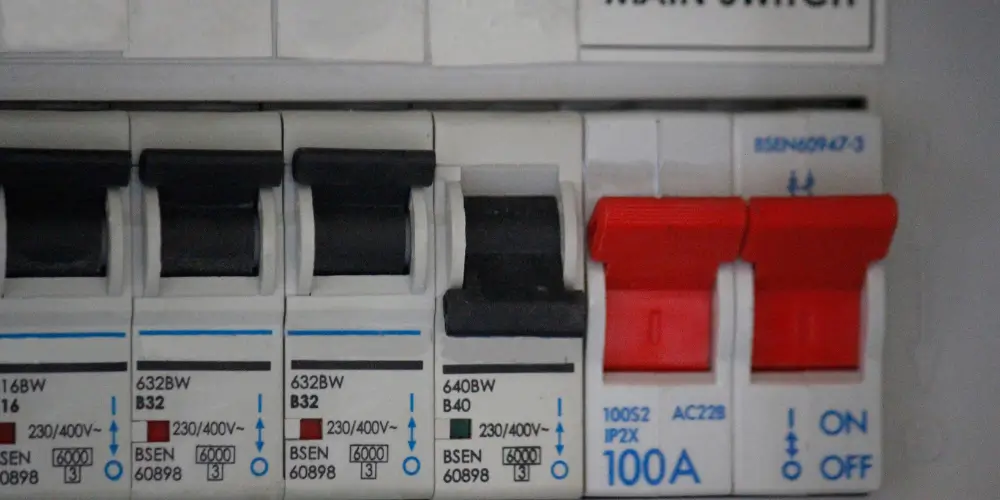
Why Consumer Unit Wiring Is Not DIY Work
A consumer unit controls multiple circuits across a property. One mistake can affect the entire electrical installation.
Poor consumer unit wiring can cause:
- exposed live parts
- wrong circuit protection
- loose connections
- overheating
- nuisance tripping
- circuits not protected correctly
- RCD or RCBO issues
- incorrect labelling
- damaged cables
- unsafe earthing or bonding
- failed inspection and testing
- electrical fire risk
- electric shock risk
- invalid or missing certification
A consumer unit may look simple from the outside, but the internal wiring, circuit protection and testing requirements are technical. The safety of the installation depends on the work being done correctly.
Is Consumer Unit Wiring Notifiable in the UK?
In domestic properties in England and Wales, installing a new consumer unit or replacing an old fuse box is normally classed as notifiable electrical work under the Building Regulations. This means the work should usually be completed by a registered competent electrician who can self-certify the installation, or it must be notified through the correct Building Control route.
Electrical Safety First also states that replacing a consumer unit in domestic premises in England or Wales is notifiable work unless it is carried out through the correct self-certification process. This is why proper installation, testing, certification and notification are important parts of professional consumer unit replacement.
If a new consumer unit or fuse box replacement is not properly certified or notified, it can create problems when selling the property, renting the property, dealing with insurance matters, responding to electrical incidents, proving landlord compliance, arranging future electrical work, or resolving failed EICR observations.
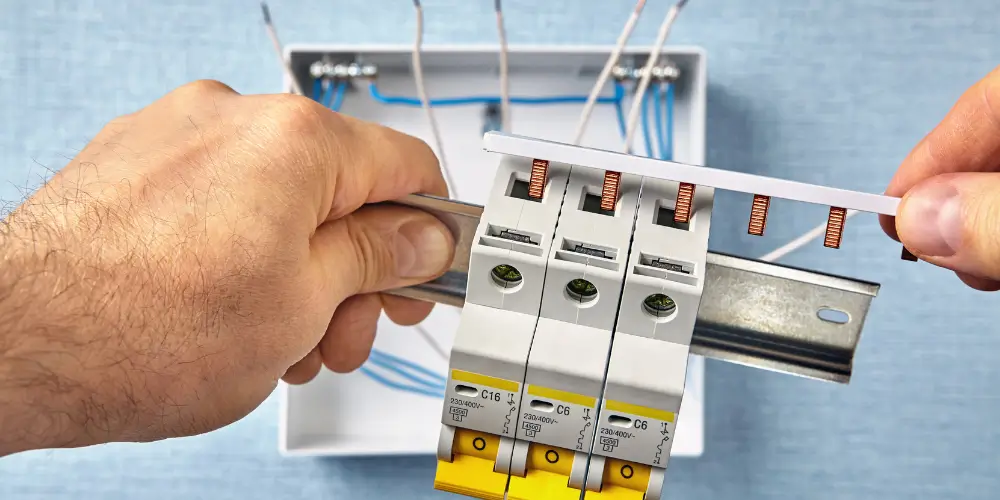
Consumer Unit Wiring and Part P
Part P of the Building Regulations relates to electrical safety in dwellings. The purpose is to reduce the risk of electric shock and fire from unsafe electrical work.
Approved Document P explains that electrical installation work in dwellings should be designed and installed to protect people from fire and injury, and that inspection, testing and provision of information are part of the compliance process.
For homeowners and landlords, the practical point is simple: consumer unit work should be completed properly, tested properly and documented properly.
What Should Be Checked Before Wiring a Consumer Unit?
Before a consumer unit is wired or replaced, the electrician should assess the existing electrical installation.
Important checks may include:
| Area Checked | Why It Matters |
|---|---|
| Existing wiring condition | Old or damaged wiring may not be suitable for connection to a new unit |
| Number of circuits | Helps determine the correct size and type of consumer unit |
| Earthing arrangement | Important for fault protection and electrical safety |
| Main protective bonding | Missing or poor bonding may need remedial work |
| Circuit identification | Poor labelling can cause testing and safety issues |
| Existing faults | Faults may appear during testing and need correction |
| RCD / RCBO requirements | Protection must be suitable for the installation |
| Consumer unit location | Access, safety and installation conditions matter |
| Cable entries | Cables should be protected and installed correctly |
| Previous DIY work | Unsafe alterations may need investigation or repair |
A new consumer unit should not be connected to wiring that is unsafe or unsuitable.
Does a Consumer Unit Need an EICR Before Wiring or Replacement?
An EICR is not always required before consumer unit replacement, but it can be very useful where the condition of the installation is unknown.
An EICR may be sensible before wiring or replacing a consumer unit if:
- the property has old wiring
- the installation has not been tested recently
- circuits keep tripping
- there are signs of overheating
- there has been previous DIY electrical work
- the property is rented or about to be rented
- the property is being bought or sold
- an old fuse box has no RCD protection
- the electrician needs to understand the condition of existing circuits
An EICR can identify whether the existing installation is satisfactory, whether remedial work is needed, and whether the consumer unit issue is part of a wider electrical safety problem. To understand how the EICR is conducted, go through the EICR Test Procedure.
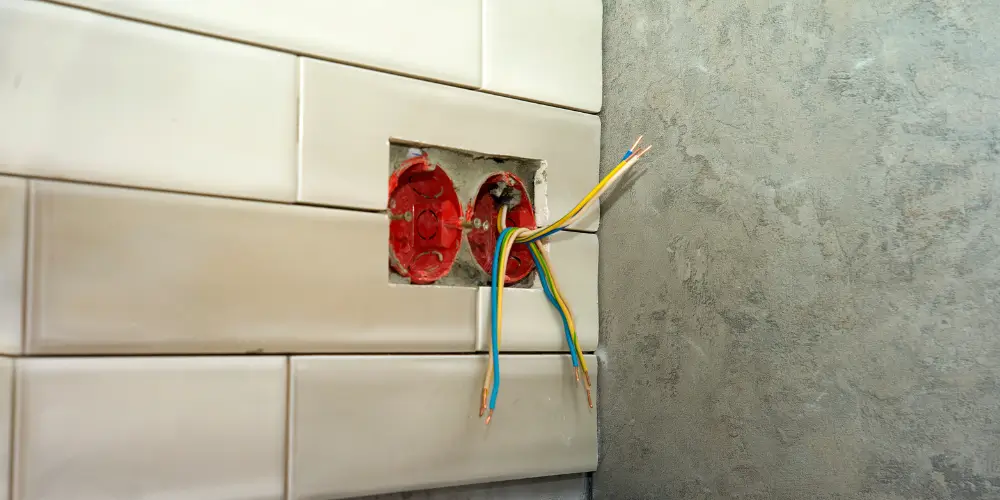
Can You Wire a New Consumer Unit Without Rewiring the House?
Yes, in some cases a new consumer unit can be installed without a full rewire. A full rewire is not automatically required just because the fuse box or consumer unit is being replaced.
However, the existing wiring must be safe and suitable. If testing finds damaged cables, poor insulation readings, inadequate bonding, missing earthing, unsafe alterations or serious defects, remedial work may be needed before the new consumer unit can be safely certified.
A new consumer unit improves protection only when the rest of the installation is suitable. It does not magically fix unsafe wiring.
Consumer Unit Mounting and Location
Consumer unit location matters because the unit needs to be accessible, safely installed and suitable for inspection, testing and maintenance.
Important considerations include:
- access for inspection and testing
- safe working space
- suitability of the wall or mounting surface
- protection from moisture
- protection from heat
- cable entry condition
- whether the unit is in a domestic or commercial environment
- whether the location causes future maintenance problems
- whether the installation follows the relevant standards and manufacturer instructions
A consumer unit should not be installed in a location that creates avoidable risk, poor access or difficult future inspection.
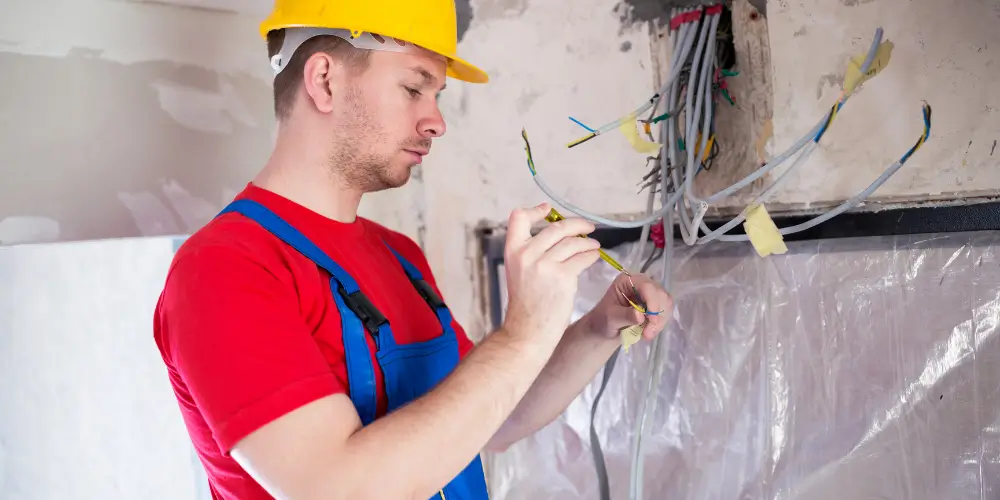
Consumer Unit Cable Entry and Labelling
Cable entry is important because cables entering the consumer unit must be protected from damage and installed neatly and safely.
Poor cable entry can lead to:
- damaged insulation
- exposed conductors
- strain on cables
- poor enclosure integrity
- unsafe connections
- failed inspection issues
Labelling is also important. Each circuit should be clearly identified so future inspection, testing, fault finding and maintenance can be carried out safely.
Poor labelling can create confusion, delays and additional costs during EICRs, remedial work or fault finding.
RCD, RCBO and Circuit Protection
Modern consumer units may use RCDs, RCBOs, circuit breakers and surge protection depending on the installation requirements.
| Device | Purpose |
|---|---|
| MCB | Helps protect against overload and short circuit conditions |
| RCD | Helps protect against certain earth leakage faults |
| RCBO | Combines overcurrent and residual current protection for an individual circuit |
| SPD | Helps protect against certain voltage surges |
| Main switch | Allows isolation of the consumer unit |
The right arrangement depends on the property, circuits, electrical demand and current requirements. A competent electrician should select suitable devices based on the installation, not guesswork.
Do Consumer Units Need to Be Metal?
Modern domestic consumer units are commonly metal or enclosed in suitable non-combustible material. IET guidance on Regulation 421.1.201 explains that consumer units in domestic household premises should either have an enclosure made from non-combustible material or be enclosed in a cabinet or enclosure made from non-combustible material.
This does not mean every older plastic consumer unit automatically fails an EICR. The condition, location, safety risk and inspection findings all matter. To explore more, read our blog post Does a Plastic Consumer Unit Fail an EICR? (UK Guide 2026).
What Does Professional Consumer Unit Wiring Involve?
Professional consumer unit installation or replacement should follow a controlled electrical safety process. It is not just a case of removing an old fuse box and connecting a new one. The electrician must check the existing installation, confirm the circuit layout, install the correct consumer unit, test the circuits and issue the correct paperwork.
1. Checking the Existing Installation
Before any consumer unit wiring begins, the electrician should assess the existing electrical installation. This helps identify visible defects, old wiring, damaged cables, unsafe accessories or signs that further investigation may be needed before the new consumer unit is installed.
2. Confirming the Circuit Arrangement
The electrician should identify the circuits connected to the existing fuse box or consumer unit. This may include lighting circuits, socket circuits, cooker circuits, shower circuits, smoke alarm circuits, immersion heater circuits and other fixed electrical circuits. Correct circuit identification is important for safe wiring and proper labelling.
3. Checking Earthing and Bonding
Earthing and bonding must be checked before and during the work. If the earthing or bonding is unsuitable, the consumer unit replacement may not provide the correct level of electrical safety. Any issues should be highlighted and corrected where required.
4. Planning and Safe Isolation
The work should be planned safely before the old unit is removed. This includes safe isolation of the electrical supply, checking that the installation is dead before work starts, and making sure the replacement can be carried out without creating unnecessary risk.
5. Removing the Old Fuse Box or Consumer Unit
Where replacement is required, the old fuse box or consumer unit is removed carefully. The electrician should disconnect and manage the existing circuits properly so they can be safely connected to the new consumer unit.
6. Installing the New Consumer Unit
A suitable new consumer unit should be fitted based on the property, number of circuits and required protection. This may include a main switch, circuit breakers, RCD protection, RCBOs and surge protection where appropriate.
7. Connecting and Labelling Circuits
Each circuit must be connected correctly into the new consumer unit. The electrician should also label the circuits clearly so the property owner, landlord, letting agent or future electrician can identify which circuit controls each part of the property.
8. Inspection and Testing
After the consumer unit is wired, the electrician should inspect and test the work. This includes testing the circuits, checking protective devices, recording test results and identifying any faults found during testing. Testing is a major part of proper consumer unit installation.
9. Electrical Certification
Once the work has been completed and tested, the correct electrical certification should be issued. This provides evidence that the consumer unit installation or replacement has been carried out professionally and checked for electrical safety.
10. Building Regulations Notification
Where applicable, the work should also be notified under Building Regulations. This is especially important for domestic consumer unit replacement in England and Wales, where the work is normally notifiable.
This section is intentionally not a DIY consumer unit wiring guide. The purpose is to explain what professional consumer unit wiring involves, so property owners, landlords and letting agents understand what proper electrical work should include: assessment, safe installation, inspection, testing, certification and notification where required.
What Certificates Should You Receive After Consumer Unit Wiring?
After a consumer unit is installed or replaced, you should receive the correct paperwork.
This may include:
- Electrical Installation Certificate
- schedule of test results
- circuit schedule or labels
- Building Regulations compliance certificate or notification confirmation where applicable
- records of any remedial work carried out
Keep these documents safely. They may be needed for property sales, insurance, landlord records, letting agent checks, future EICRs or electrical remedial work.
What Can Go Wrong With Poor Consumer Unit Wiring?
Poor consumer unit wiring can create serious electrical safety and compliance issues, including:
- Loose electrical connections
- Incorrect circuit identification
- Wrong protective device selection
- Poor cable entry into the consumer unit
- Damaged cable insulation
- Missing blanks or exposed openings
- No proper RCD or RCBO protection where required
- Unsuitable earthing or bonding
- Circuits connected incorrectly
- Nuisance tripping
- Overheating inside the consumer unit
- Failed electrical test results
- No electrical certification
- No Building Regulations notification
- Unsafe connection to defective existing wiring
A cheap or rushed consumer unit wiring job can cost more later if the work has to be corrected, re-tested or re-certified by a qualified electrician.
How Long Does Consumer Unit Wiring Take?
A straightforward domestic consumer unit replacement often takes around half a day to a full day. The actual time depends on the number of circuits, access, condition of existing wiring, testing results and whether faults are found.
Larger houses, HMOs, older properties and commercial premises can take longer. If testing identifies faults or remedial work is needed, the job may require more time or a return visit.
For commercial properties, shutdown planning may be needed to reduce disruption to business operations.
How Much Does Consumer Unit Replacement Cost?
The cost of consumer unit replacement depends on the property, the condition of the existing electrical installation and the level of work required.
Main cost factors include the number of circuits, the type of consumer unit, whether RCBO or RCD protection is used, whether surge protection is required, the condition of the existing wiring, any earthing or bonding upgrades, inspection and testing, electrical certification, access to the board and meter area, domestic or commercial property type, remedial work needed and Building Regulations notification requirements.
A proper consumer unit replacement quote should clearly explain what is included and what may cost extra. Very low quotes may not include testing, certification, notification, fault finding or remedial electrical work, which can lead to extra costs later if the installation has to be corrected, re-tested or re-certified. For a detailed breakdown of consumer unit replacement costs, check out our post, How Much to Replace a Consumer Unit?
Consumer Unit Wiring for Landlords
Landlords should take consumer unit wiring seriously because the consumer unit is a key part of the fixed electrical installation.
A landlord may need consumer unit replacement or remedial electrical work if an EICR identifies:
- Damaged consumer unit or fuse box
- No suitable RCD protection
- Signs of overheating
- Exposed live parts
- Poor or missing circuit labelling
- Unsuitable protective devices
- Missing blanks or open ways
- Poor workmanship inside the consumer unit
- Unsafe wiring condition
- Defects affecting electrical safety compliance
If the EICR is unsatisfactory, consumer unit replacement may form part of the remedial solution. However, it may not be the only issue. Other circuits, sockets, switches, accessories, earthing or bonding arrangements may also need attention.
Landlords should keep clear records of the EICR, remedial work evidence, electrical certificates and Building Regulations compliance documents where applicable. For more details on legal obligations, check out our post on Is an electrical safety certificate a legal requirement for landlords UK 2026.
Consumer Unit Wiring for Commercial Premises
Commercial consumer unit wiring is often more complex than domestic electrical work because commercial premises may have multiple distribution boards, three-phase supplies, landlord supplies, tenant areas, plant equipment, machinery, emergency lighting supplies, fire alarm supplies, office systems, commercial kitchens and planned shutdown requirements.
A commercial consumer unit or distribution board should be assessed by a competent electrician with suitable commercial experience, as the work may need to be planned around access, business hours, tenant coordination and operational disruption. Proper inspection, testing, certification and clear documentation are especially important for commercial premises, landlords, managing agents and business owners.
When Should an Old Consumer Unit Be Replaced?
An old consumer unit or fuse box may need replacing if it is unsafe, outdated, damaged, overloaded or no longer suitable for the property’s current electrical use. Warning signs can include old fuse wire or ceramic fuses, no RCD protection, repeated tripping, a burning smell near the board, scorch marks, overheating, buzzing or crackling sounds, damaged casing, missing blanks, poor circuit labelling, lack of spare capacity, or visible signs of poor workmanship.
Replacement may also be needed after a failed or unsatisfactory EICR, during property renovation, when additional circuits are being installed, or where there are landlord compliance, property sale or insurance concerns.
These issues should not be ignored, especially if there is heat damage, burning smells or repeated tripping, as they may indicate a wider electrical safety problem that needs inspection by a qualified electrician.
Need Consumer Unit Wiring or Replacement in London?
If your consumer unit is outdated, damaged, repeatedly tripping, poorly labelled, missing RCD protection or has been flagged during an EICR, London Safety Certificate can help.
We provide consumer unit replacement, electrical inspection and EICR services across London for landlords, homeowners, letting agents, property managers and businesses.
Our team can assess the existing installation, explain whether consumer unit replacement is suitable, identify remedial issues, provide certification and help you keep proper electrical compliance records.
Frequently Asked Questions
Can I wire a consumer unit myself?
No. Consumer unit wiring should be carried out by a qualified and competent electrician. It is safety-critical electrical work and normally requires inspection, testing, certification and notification where applicable.
Is consumer unit wiring notifiable?
Yes. Installing or replacing a consumer unit in a domestic property in England and Wales is normally notifiable electrical work under Building Regulations.
Do I need a certificate after consumer unit wiring?
Yes. You should receive the correct electrical certification, test results and Building Regulations compliance documentation where applicable.
Can a consumer unit be wired without a full rewire?
Yes, if the existing wiring is suitable and safe. If testing finds serious defects, damaged cables, poor insulation, missing bonding or unsafe alterations, remedial work or rewiring may be needed.
Does a new consumer unit need an EICR first?
Not always, but an EICR can be useful where the condition of the installation is unknown, old, faulty, rented, being sold or previously altered.
What are the risks of poor consumer unit wiring?
Risks include electric shock, overheating, fire, nuisance tripping, incorrect circuit protection, damaged wiring, failed certification and unsafe electrical conditions.
What is the difference between a consumer unit and a fuse box?
A fuse box is often the older everyday term. A modern consumer unit usually uses protective devices such as circuit breakers, RCDs or RCBOs instead of older-style fuses.
What is the difference between an RCD and an RCBO?
An RCD provides residual current protection for one or more circuits. An RCBO provides both overcurrent and residual current protection for an individual circuit.
Do consumer units need surge protection?
Surge protection may be required or recommended depending on the installation, equipment and current wiring requirements. A competent electrician should assess this when designing or replacing the consumer unit.
How long does it take to wire a consumer unit?
A standard domestic consumer unit replacement often takes around half a day to a full day. Larger properties, faults, poor access or commercial installations can take longer.
How much does consumer unit wiring cost?
The cost depends on the number of circuits, consumer unit type, wiring condition, testing, certification, earthing, bonding, access and whether remedial work is needed.
Should landlords replace old fuse boxes?
Landlords should act if an old fuse box is unsafe, lacks suitable protection, is damaged or has been flagged during an EICR. The correct action depends on the inspection findings.