
Professional Services

Fast Inspections & Compliant Reports

FROM £300

* On-site water system inspection
* Identify Legionella growth risks
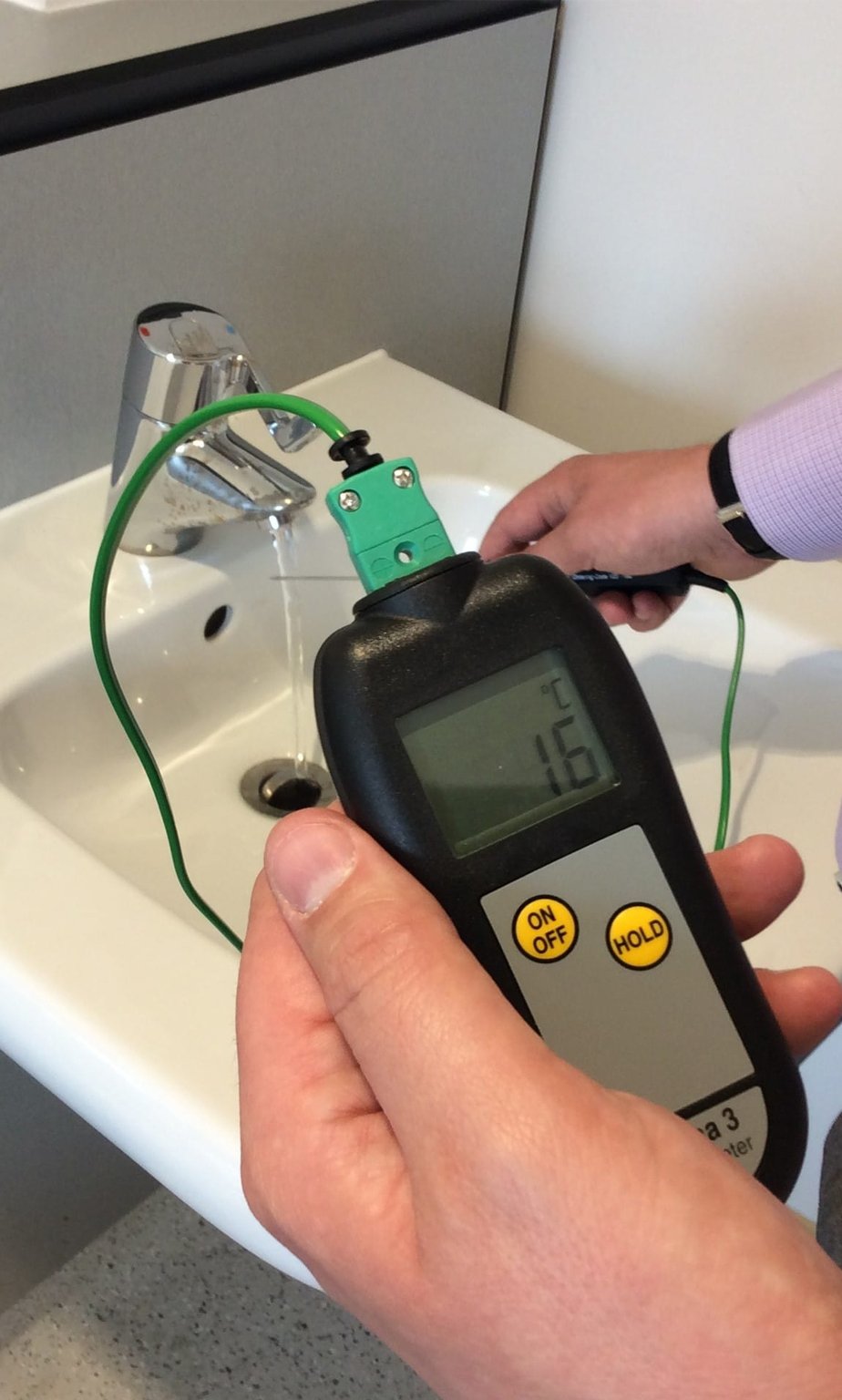
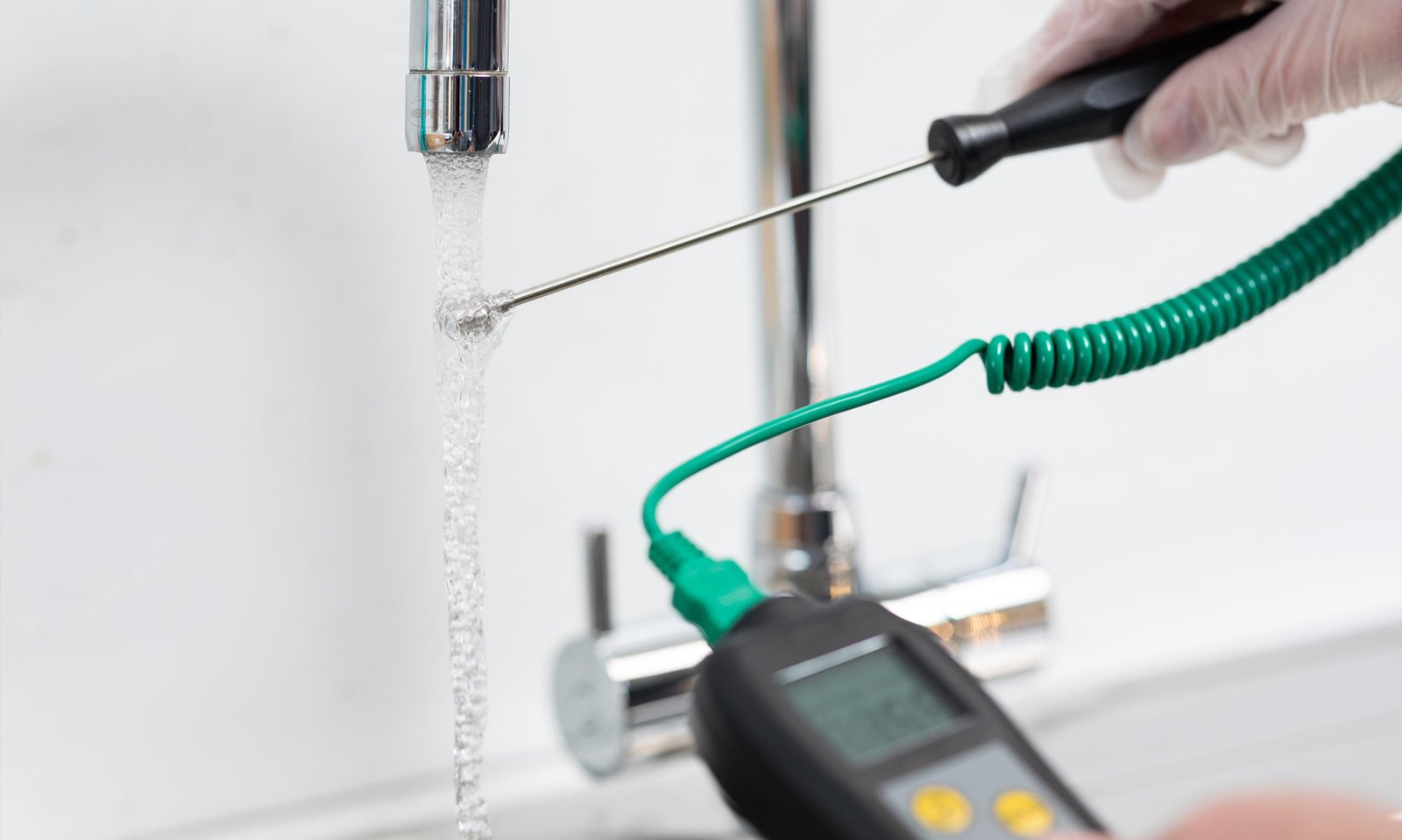
* Temperature & stagnation checks
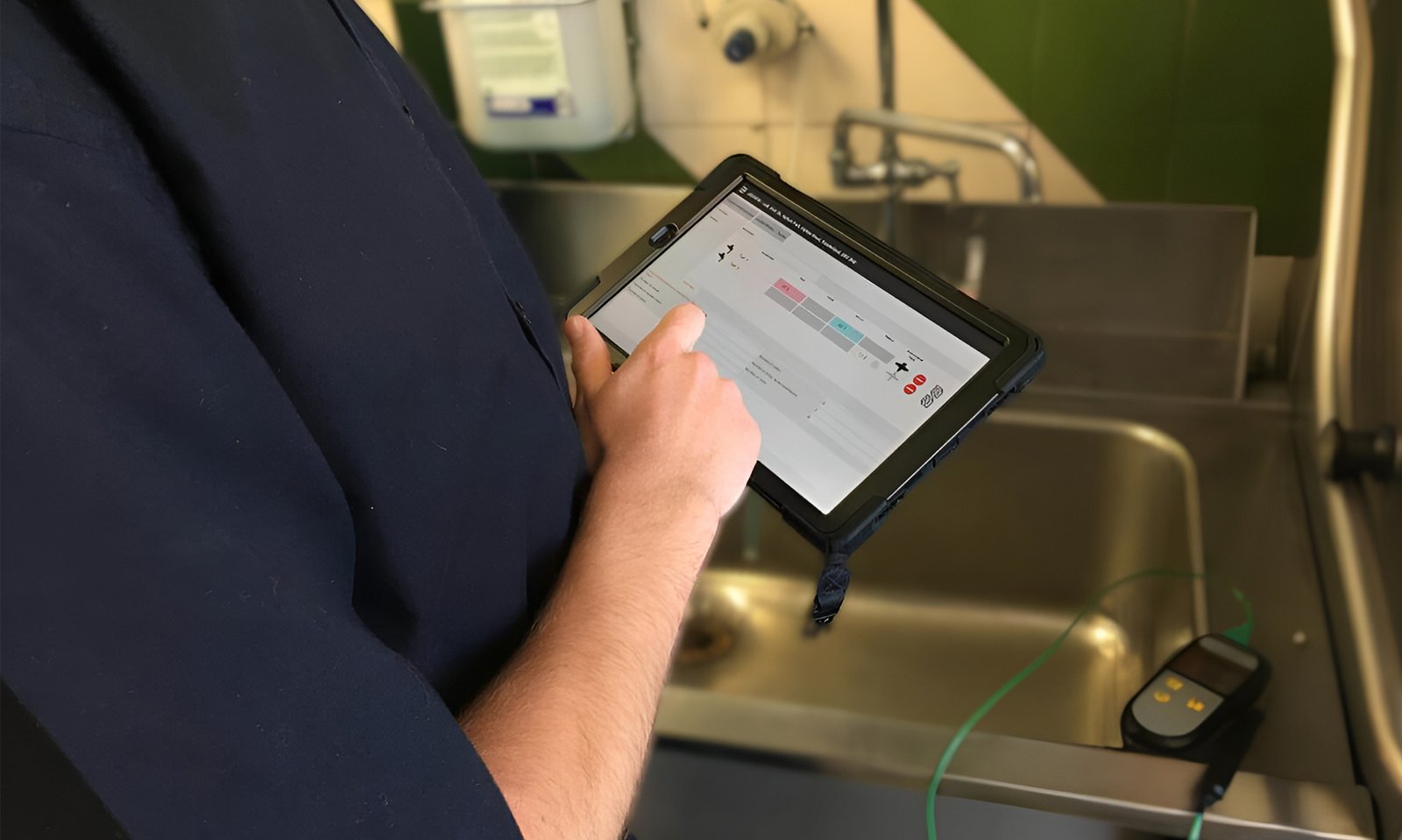
* Detailed report with action plan
* UK compliance (ACoP L8 / HSG274)
* Covers all London areas

Legionella Risk Assessment

Our Reviews

What Is a Legionella Risk Assessment?

A Legionella risk assessment is a structured evaluation of water systems and related equipment to identify conditions that could allow Legionella bacteria to grow and spread in aerosols. It focuses on practical control, so people can run buildings confidently without guesswork or unnecessary disruption.

The process maps the full water system, from incoming supply to outlets, storage, heaters, cooling equipment, and any points where mist can form. It checks typical risk drivers: stagnant sections, poor temperature control, inadequate disinfection, scale, sludge, corrosion, and low-use outlets.

It also reviews who uses the site and where exposure could be higher. Findings are recorded with a clear risk rating and a targeted action plan. Recommended controls may include temperature targets, flushing routines, cleaning and descaling, biocide regimes, monitoring schedules, and simple system modifications.

Done well, it turns a complex risk into manageable choices.


Do You Legally Need a Legionella Risk Assessment?

Where water can stagnate, warm, or be aerosolised, the Legionella risk assessment should cover every part of the site’s water systems that could expose staff, residents, visitors, or contractors. This includes incoming mains, storage tanks, cold-water distribution, hot-water generation and return loops, and all outlets such as taps, showers, spray hoses, and bidets. It should also include systems that create fine droplets or hold warm recirculating water, such as cooling towers, evaporative condensers, spa pools, humidifiers, misting units, decorative fountains, vehicle washes, and some industrial process water.

Little-used pipework, dead legs, flexible hoses, thermostatic mixing valves, and infrequently occupied rooms must be in scope, as they can quietly become low-flow incubators. Temporary or seasonal assets, vacant buildings, and changes of use should be covered so responsibility stays clear and risks do not hide in neglected corners.

What Happens During a Legionella Risk Assessment?

Methodically, a Legionella risk assessment maps the site’s water systems, identifies conditions that support bacterial growth or aerosol spread, and checks how well existing controls prevent exposure.

The assessor reviews system drawings, maintenance logs, and previous test results, then verifies them on site to guarantee the written picture matches reality. Key assets are inspected, access points confirmed, and operating practices observed without disrupting normal use.

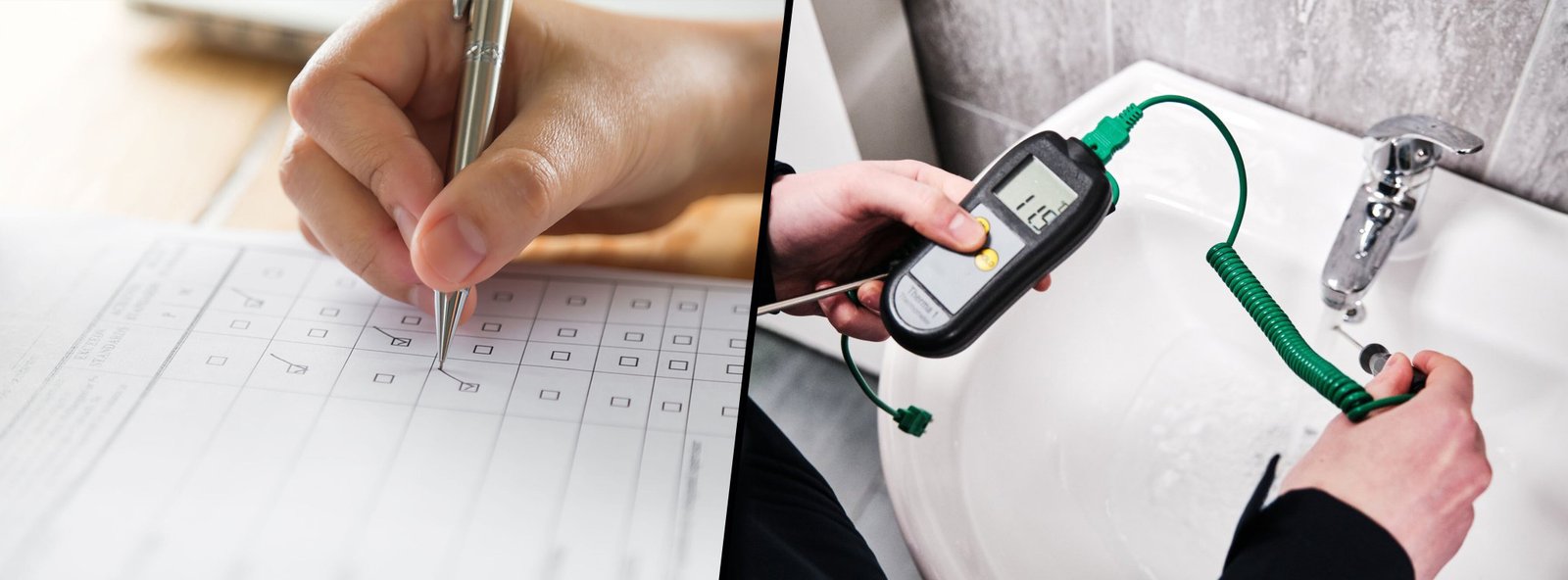
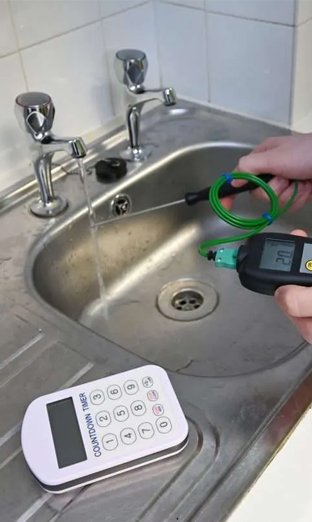
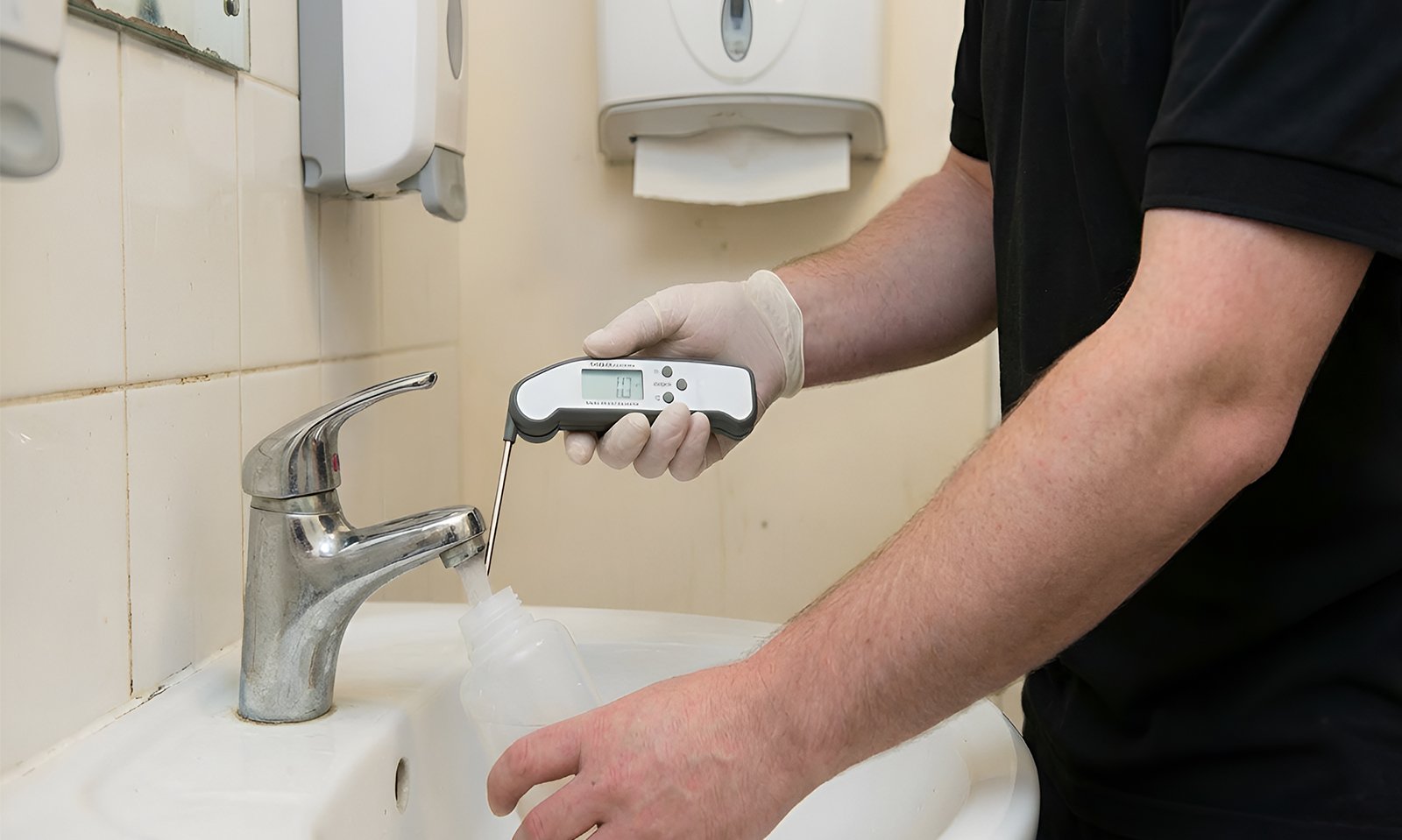
Temperatures, flow patterns, and control settings are checked against the site’s intended standard, and any gaps in monitoring are noted. Where sampling is appropriate, it is planned to answer specific questions, not to create busywork.

Findings are recorded in a clear, auditable format, with practical recommendations ranked by risk and effort. The deliverable is a written risk assessment and action plan that lets dutyholders choose timely, proportionate steps and assign responsibility without losing operational freedom or control.

What Legionella Risk Factors Do Assessors Look For?

What, then, signals that a water system could support Legionella and expose people to aerosol?

Assessors focus on conditions that allow bacteria to grow, spread, and reach the lungs: water held at 20–45°C, poor circulation, and storage or pipework that creates dead legs. They note scale, sludge, corrosion, and biofilm, since these shelter microbes and blunt disinfectant action. They check for intermittent use, seasonal shutdowns, and complex layouts that increase the likelihood of stagnation.

They also map where aerosol is generated, such as showers, spray taps, pressure washers, spas, cooling equipment and who might be exposed nearby. They consider incoming water quality, user susceptibility (older people, smokers, those with weaker immunity), and whether contractors or guests bring unpredictable demand.

Finally, they review equipment condition, access for inspection, and any history of high counts, complaints, or prior incidents on site.

Our Legionella Risk Assessment Process (Step 1–5)

We keep it straightforward: identify the risk, check the water system, and provide a clear management plan.

Control measures must directly address growth, stagnation, and aerosol exposure risks identified during the risk assessment. Effective management uses a combination of temperature control, flow management, cleaning, and monitoring.
 
1. Temperature & Flow Management
  • Hot Water: Store and circulate at temperatures that suppress Legionella growth.

  • Cold Water: Keep cold through proper insulation and separation from heat sources.
  • Stagnation Control:
    • Remove “dead legs” and redundant pipework.
    • Flush infrequently used outlets on a defined schedule.
2. Cleaning & Physical Controls
  • System Maintenance: Control scale, sediment, and biofilm through routine descaling and tank inspections.
  • Component Care: Regularly clean showerheads, hoses, and strainers.
  • Chemical Disinfection: Where temperature control is impractical, use targeted treatments (e.g., chlorine dioxide or copper-silver ionisation) with clear operating limits.
3. Aerosol Risk & Monitoring
  • Aerosol Reduction: Fit aerosol-generating devices with appropriate filtration or point-of-use controls where warranted.
  • Proportionate Monitoring:
    • Conduct regular temperature checks and disinfectant residual tests.
    • Perform microbiological sampling when indicated.
    • Maintain straightforward records to support informed, independent decision-making.

What Affects Legionella Risk Assessment Cost?

There isn’t one “flat” price that fits every building. The cost usually changes based on:
  • Property size and complexity: number of outlets, tanks, and pipework layout  
  • Water system type: domestic vs commercial systems and their design  
  • Access: availability of tanks, outlets, and restricted areas  
  • Sampling requirements: whether water testing and lab analysis are needed 
  • Condition of system: presence of scale, stagnation, or maintenance issues  
If you tell us the property type and what you need the assessment for, we’ll confirm the correct scope and price before the visit.

When Should You Review or Redo the Assessment?

Regular review keeps a Legionella risk assessment aligned with how a water system is actually used and maintained. It should be reviewed at least annually, or sooner if monitoring shows persistent temperature, biocide, or microbiological failures.

A redo is warranted after any material change that could alter risk: new plant or pipework, removal or addition of dead legs, tank replacement, altered set points, changes to water treatment, or extended shutdowns and recommissioning. Review is also triggered by changes in occupancy or use, such as seasonal opening, higher-risk users, reduced staffing, or a shift in cleaning responsibilities.

Any suspected or confirmed Legionella case linked to the premises requires immediate reassessment and corrective action.

Finally, if documentation is incomplete, control measures are not being followed, or the responsible person changes, the assessment should be refreshed so decisions remain in the hands of those running the system day to day.

Why Choose London Safety Certificate?

  • Clear scope first (so you don’t pay for unnecessary work)
  • Compliant reporting aligned with ACoP L8 / HSG274
  • Full water system inspection from source to outlets
  • Identification of risks like stagnation, temperature, and scale
  • Practical control measures (not vague advice)
  • Fast digital report with clear next-step guidance

How to Book a Legionella Risk Assessment in London

Booking a Legionella risk assessment with London Safety Certificate is simple, we confirm the scope first so the correct assessment is carried out and your report is suitable for compliance, landlords, or health-and-safety requirements.
 
Step 1 : Tell us the property details
Share the property type (flat/house/commercial), water system details (if known), and what you need it for (routine compliance, landlord duty, or risk review).
 
Step 2 : We confirm the correct scope and price  
We confirm the required assessment level, any sampling requirements, and expected inspection time before attendance — so there are no surprises.
 
Step 3 : Assessment completed + report issued
Our assessor inspects the water system, checks outlets, tanks, and temperatures, and you receive a clear written report with risk ratings, findings, and next-step control measures.
 

What we need from you (to avoid delays) 

  • Property type + postcode
  • Number of outlets / water systems
  • Any high-risk areas (if applicable) 
  • Access notes (tenants, keys, restricted areas) 
 
To book: call 02081455369 or book online, we’ll confirm scope before attendance.
Areas We Serve for Asbestos Survey London

Areas We Serve for Asbestos Survey London

FAQs

A remote assessment can be partially completed, but a full, defensible one usually requires a site visit to verify systems, usage, temperatures, and controls. Remote reviews rely on records and photos, increasing uncertainty and risk.

Typically, completion takes 1–3 hours on-site, with reporting finished within 1–5 working days. Duration varies by building size, water-system complexity, access, records quality, and sampling needs, enabling owners to manage risk.

Where confirmation is needed, sampling and lab testing can be arranged as part of the survey process.

A competent assessor typically holds water hygiene training (e.g., City & Guilds), understands relevant guidance, has practical building-services experience, appropriate insurance, and demonstrates independence, clear reporting, and a track record of empowering clients with informed, uncoerced choices.

In the UK, costs typically range from £150–£600 for small premises, rising to £1,000+ for complex sites. Pricing varies by system complexity, travel, report depth, and retesting needs, allowing informed, independent choices.

Often, yes; many insurers request evidence of a current assessment when water systems are in place, especially for landlords or businesses. Requirements vary by policy and risk profile, so checking terms and keeping records helps preserve cover.

Accreditation