
A consumer unit is the main electrical control point in a property. It receives electricity from the main supply and distributes it safely to different circuits, such as lights, sockets, cooker circuits, shower circuits and other fixed electrical points.
In simple terms, a consumer unit is what many people still call a fuse box or fuse board. Modern consumer units usually contain protective devices such as circuit breakers, RCDs, RCBOs and sometimes surge protection. These devices help protect people, wiring and electrical equipment by disconnecting power when a fault is detected.
If you are asking “what is a consumer unit in a house?”, it is usually the box where your property’s electrical circuits are controlled, protected and labelled. It is normally found near the electricity meter, hallway, cupboard, utility area, garage or another accessible location.
A consumer unit should not be opened, altered or replaced by an unqualified person. If your consumer unit is old, damaged, repeatedly tripping, has no RCD protection or has been flagged during an EICR, it should be checked by a competent electrician.
Last Updated: 2026
Reviewed By: London Safety Certificate Compliance Team
Key Takeaways
- A consumer unit is the main distribution and protection point for a property’s electrical circuits.
- It is commonly called a fuse box, fuse board or electrical consumer unit.
- A consumer unit usually controls circuits for lights, sockets, cookers, showers and other fixed electrical points.
- Modern consumer units may include a main switch, MCBs, RCDs, RCBOs and surge protection.
- Old fuse boxes may not provide the same level of protection as a modern consumer unit.
- Replacing a consumer unit in a domestic property is normally notifiable work under Building Regulations.
- If the consumer unit is damaged, overheating, poorly labelled or repeatedly tripping, it should be inspected by a qualified electrician.
- A consumer unit is checked as part of an EICR because it is a key part of the fixed electrical installation.
Table of Contents
Quick Answer: What Is a Consumer Unit?
| Question | Answer |
|---|---|
| What is a consumer unit? | The main electrical control and distribution point for circuits in a property. |
| Is a consumer unit the same as a fuse box? | In everyday language, yes. Technically, a modern consumer unit uses newer protective devices, while older fuse boxes may use fuses. |
| What does a consumer unit do? | It distributes electricity to circuits and disconnects power when faults are detected. |
| Where is it usually located? | Near the meter, hallway, cupboard, garage, utility area or another accessible location. |
| What are the main parts? | Main switch, circuit breakers, RCDs, RCBOs, surge protection and circuit labels. |
| Can I replace one myself? | No. Consumer unit work should be carried out by a competent electrician and properly certified. |
Consumer Unit Meaning
The meaning of consumer unit is simple: it is the unit that controls and protects the electrical circuits used by the consumer of the electricity supply.
In a house, flat, shop or commercial premises, electricity does not normally go directly from the meter to every socket and light. It passes through the consumer unit first. From there, it is divided into separate circuits so that different parts of the installation can be protected, controlled and isolated.
For example, a house may have separate circuits for:
- ground floor sockets
- first floor sockets
- lighting circuits
- cooker circuit
- shower circuit
- boiler or heating circuit
- outdoor circuit
- garage or outbuilding circuit
This separation helps make the installation safer and easier to inspect, test, repair and isolate.
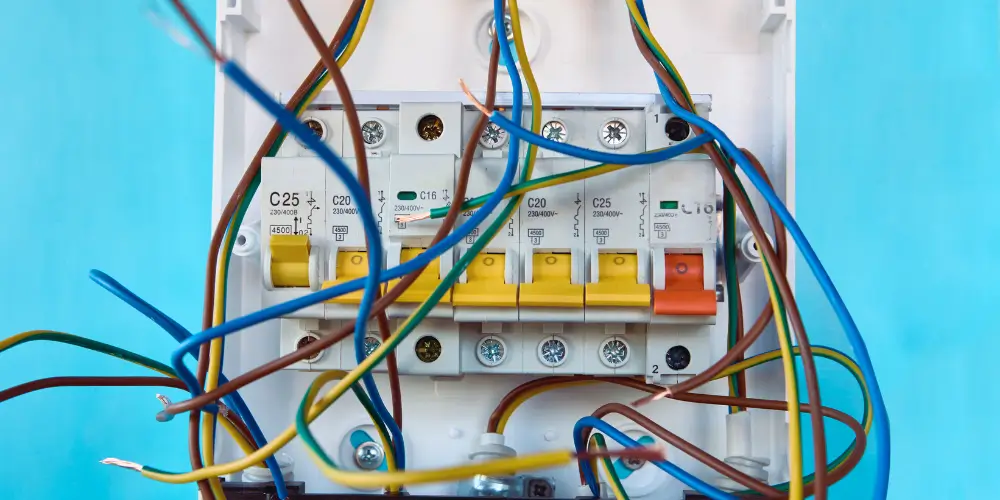
What Is a Consumer Unit in a House?
In a house, the consumer unit is the main electrical board that controls and protects the fixed wiring installation. It is usually connected after the electricity meter and distributes power to different circuits around the property, such as sockets, lighting, cooker supply, electric shower, heating controls, immersion heater, wired smoke alarms, garage or outbuilding supplies, and electric vehicle charger circuits where installed.
If there is a fault, overload or leakage current on one of these circuits, the protective device inside the consumer unit may trip and disconnect the power. This is designed to reduce the risk of electric shock, overheating, electrical fire and damage to the installation.
What Is a CCU in Electrical Terms?
Some people search for CCU electrical or CCU meaning electrical when they are asking about a consumer control unit or consumer unit. In normal UK domestic electrical language, the common term is consumer unit.
The wording can vary, but the practical meaning is usually the same: the main electrical control and protection board for the property’s circuits.
If a report, quote or electrician mentions the consumer unit, fuse board, fuse box or CCU, always check exactly what is being referred to, especially if the work involves inspection, testing, replacement or certification.
Consumer Unit vs Fuse Box
Many people use the terms consumer unit and fuse box interchangeably. That is normal in everyday language, but there is a technical difference.
| Term | Meaning |
|---|---|
| Fuse box | Older term, often used for traditional boards with fuses or fuse wire |
| Fuse board | Common everyday term for the main electrical board |
| Consumer unit | Modern term for the electrical distribution and protection board |
| Distribution board | More common wording for larger or commercial electrical boards |
| RCD consumer unit | Consumer unit with residual current device protection |
| RCBO consumer unit | Consumer unit where individual circuits have RCBO protection |
An old fuse box may still work, but it may not provide the same level of protection as a modern consumer unit. If you still have fuse wire, ceramic fuses, no RCD protection, poor labelling or visible damage, it is worth arranging an electrical inspection.
If your old fuse box needs upgrading, read our guide on how much it costs to replace a consumer unit.
Consumer Unit vs Distribution Board
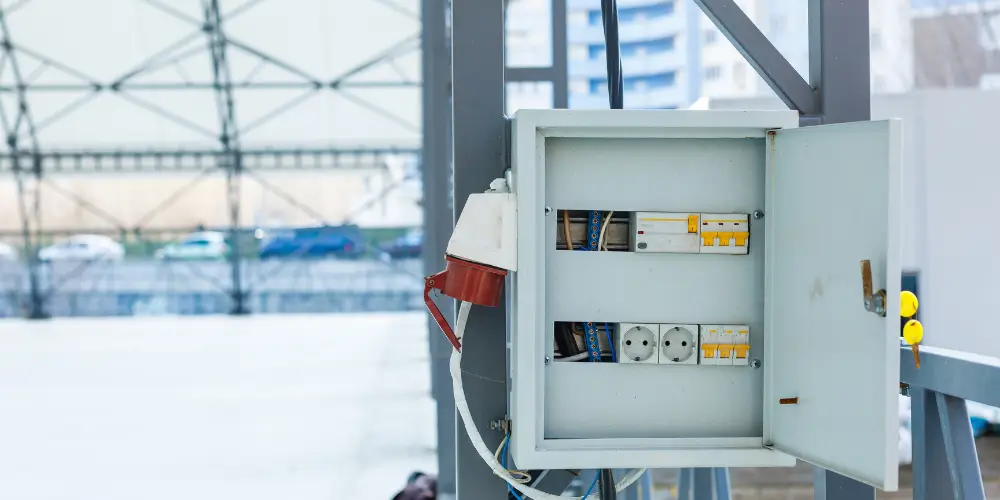
A consumer unit and a distribution board both distribute electricity to circuits, but the wording is often used differently.
A consumer unit is usually the term used for domestic properties such as houses and flats.
A distribution board is more commonly used in commercial, industrial or larger electrical installations, especially where there are multiple boards, three-phase supplies or more complex circuit arrangements.
In simple terms:
| Term | Common Use |
|---|---|
| Consumer unit | Homes, flats and smaller domestic installations |
| Distribution board | Commercial, industrial or larger electrical systems |
| Sub-board | A secondary board supplied from another main board |
| Main switchboard | Larger commercial or industrial incoming/distribution equipment |

Main Parts of a Consumer Unit
A modern consumer unit can contain several important parts.
| Part | What It Does |
|---|---|
| Main switch | Turns off the electrical supply to the consumer unit |
| MCB | Protects a circuit from overload or short circuit |
| RCD | Disconnects power when it detects certain earth leakage faults |
| RCBO | Combines overcurrent protection and residual current protection for an individual circuit |
| SPD | Helps protect against certain voltage surges |
| Busbar | Distributes power inside the consumer unit |
| Circuit labels | Identify which circuit each device controls |
| Enclosure | Houses the protective devices safely |
Not every consumer unit has the same layout. The design depends on the property, number of circuits, electrical demand, age of the installation and the type of protective devices fitted.
Main Switch
The main switch allows the electrical supply to the consumer unit to be isolated. This means power to the circuits controlled by that unit can be turned off.
It is an important safety feature because electricians need a safe way to isolate the installation before inspection, testing or repair work.
MCB: Miniature Circuit Breaker
An MCB protects a circuit against overload and short circuit conditions. If too much current flows through the circuit, the MCB trips and disconnects the power.
For example, if a circuit is overloaded or has a serious fault, the MCB may trip to help protect the wiring.
RCD: Residual Current Device
An RCD is designed to disconnect power when it detects certain types of leakage current. This can help reduce the risk of electric shock.
RCD protection is an important safety feature in modern electrical installations. Older fuse boxes may have limited or no RCD protection, which is one reason they are often upgraded.
RCBO: Residual Current Breaker with Overcurrent Protection
An RCBO combines the functions of an RCD and an MCB for an individual circuit. This means it can provide protection against both overcurrent and certain earth leakage faults.
RCBO consumer units are often preferred because a fault on one circuit is less likely to affect several other circuits. They can also make fault finding easier.
SPD: Surge Protection Device
A surge protection device helps protect the electrical installation and connected equipment from certain voltage surges.
Surge protection may be required or recommended depending on the installation, equipment, risk assessment and current wiring regulations. It is commonly considered when installing or upgrading a modern consumer unit.
How Does a Consumer Unit Work?
A consumer unit works by dividing the incoming electrical supply into separate circuits and protecting those circuits with suitable devices.
The basic process is:
- Electricity enters the property from the supply.
- The supply passes through the meter and into the consumer unit.
- The consumer unit divides power into separate circuits.
- Each circuit is protected by a device such as an MCB, RCD or RCBO.
- If a fault, overload or leakage issue is detected, the relevant device may trip.
- The affected circuit can then be checked and reset only when safe.
This layout allows a problem on one circuit to be isolated without necessarily affecting the entire property.
Types of Consumer Units
There are different types of consumer units. The right type depends on the installation design, number of circuits, risk, property type and current electrical requirements.
Main Switch Consumer Unit
A main switch consumer unit has one main switch controlling the board. The protection arrangement depends on the devices fitted inside the unit.
Dual RCD Consumer Unit
A dual RCD consumer unit divides circuits across two RCDs. This gives RCD protection to groups of circuits, but a fault on one circuit may affect other circuits protected by the same RCD.
High Integrity Consumer Unit
A high integrity consumer unit allows a mix of circuit protection arrangements. It may include RCD-protected sections and separate RCBO circuits for important circuits.
RCBO Consumer Unit
An RCBO consumer unit gives individual protection to each circuit. This is often a cleaner and more flexible arrangement because one circuit fault is less likely to disconnect unrelated circuits.
Commercial Consumer Unit or Distribution Board
Commercial premises may use larger distribution boards rather than a standard domestic consumer unit. These may include three-phase supplies, multiple boards, landlord supplies, plant rooms, emergency systems and more complex circuit arrangements.
What Is a Single Phase Consumer Unit?
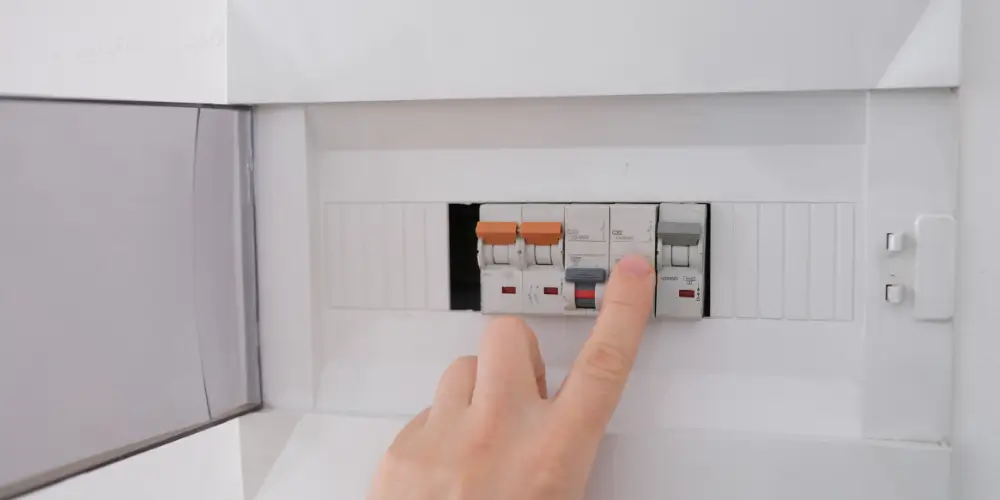
A single phase consumer unit is commonly used in many domestic properties. It is designed for a single phase electricity supply, which is typical in many houses and flats.
Commercial or larger properties may have three-phase supplies and more complex distribution boards. If you are unsure whether your property is single phase or three phase, an electrician can check during inspection.
What Is an RCD Consumer Unit?
An RCD consumer unit is a consumer unit that includes residual current device protection. RCDs are designed to disconnect power where certain leakage faults are detected.
RCD protection can improve safety, but the layout matters. In older dual RCD boards, several circuits may be grouped together. In newer RCBO arrangements, each circuit may have individual protection.
If your consumer unit has no RCD protection, it may be worth arranging an EICR to understand the condition and safety of the installation.
What Is an RCBO Consumer Unit?
An RCBO consumer unit uses RCBOs to protect individual circuits. Each RCBO provides both overcurrent protection and residual current protection for its own circuit.
This can make the installation easier to manage because a fault on one circuit is less likely to disconnect unrelated circuits.
RCBO boards usually cost more than basic arrangements, but they can provide better fault separation and a more modern layout.
What Is a High Integrity Consumer Unit?
A high integrity consumer unit is designed to provide a more flexible protection arrangement. It may allow some circuits to be protected by RCBOs while other circuits are protected through RCD sections.
This type of unit may be used where the electrician wants to separate important circuits or reduce the inconvenience caused by faults affecting multiple circuits.
What Is a 16th Edition Consumer Unit?
A “16th Edition consumer unit” usually refers to an older consumer unit installed under previous wiring regulation requirements.
It is not automatically unsafe just because it is old, but older units may lack modern safety features, have plastic enclosures, limited RCD protection, poor labelling or signs of wear.
If you have an older consumer unit, the sensible step is to arrange an inspection rather than guess. An EICR can confirm whether the installation is satisfactory or whether improvement, remedial work or replacement is needed.
Do Consumer Units Need to Meet Regulations?
Yes. Consumer units should be designed, installed, inspected and tested in line with applicable electrical safety standards and Building Regulations.
For domestic properties in England and Wales, electrical work must comply with Part P of the Building Regulations. Approved Document P explains requirements around electrical safety in dwellings, including design, installation, inspection, testing and provision of information.
Planning Portal guidance also lists the installation of a new consumer unit or fuse box as notifiable work. This means consumer unit replacement in a domestic property normally needs the correct certification and Building Regulations notification route.
Do Consumer Units Need to Be Metal?
Modern domestic consumer units are commonly metal or enclosed in a suitable non-combustible enclosure. IET guidance on Regulation 421.1.201 explains that consumer units in domestic household premises should have an enclosure manufactured from non-combustible material or be enclosed in a cabinet or enclosure made from non-combustible material.
That does not mean every older plastic consumer unit automatically fails an EICR. The condition, location, protection, safety risk and inspection findings all matter. If an older plastic consumer unit is present, it should be assessed properly by a competent electrician.
Does a Plastic Consumer Unit Fail an EICR?
Not automatically.
A plastic consumer unit does not automatically mean the EICR is unsatisfactory. The electrician must assess the actual condition and safety risk.
Factors may include:
- signs of overheating
- damage or cracking
- poor connections
- lack of RCD protection
- location of the consumer unit
- suitability of protective devices
- condition of wiring
- previous alterations
- overall safety risk
Some older installations may receive a recommendation for improvement rather than an automatic fail. Serious defects, overheating, exposed live parts or unsafe conditions are different and may result in stronger observation codes.
For a full breakdown of when this may or may not affect the report, read our guide on does a plastic consumer unit fail an EICR.
When Should a Consumer Unit Be Replaced?
A consumer unit may need replacing if it is unsafe, outdated, damaged, overloaded or unsuitable for the property’s current electrical use.
Common reasons include:
- old fuse wire or ceramic fuses
- no RCD protection
- frequent tripping
- burning smell near the board
- scorch marks or overheating
- buzzing or crackling sounds
- damaged casing
- poor circuit labelling
- lack of spare capacity
- failed or unsatisfactory EICR
- renovation or extension work
- additional circuits being added
- landlord compliance concerns
- property sale or purchase concerns
Consumer unit replacement should only be carried out by a competent electrician and should include proper inspection, testing and certification.
Consumer Unit Testing
Consumer unit testing may be carried out as part of an EICR, electrical fault finding, consumer unit replacement or remedial electrical work. It can involve checking the operation of protective devices, the condition of circuits, continuity of protective conductors, insulation resistance, polarity, earth fault loop impedance, RCD or RCBO operation where applicable, circuit identification, labelling, and any visible signs of damage, overheating or deterioration.
This should not be treated as DIY work. Testing a consumer unit requires proper electrical knowledge, safe isolation procedures and calibrated test equipment. If the consumer unit is tripping, damaged, overheating or has been flagged during an EICR, it should be checked by a competent electrician.
If you want to understand how the final inspection document is usually presented, read our EICR report example.
What Happens If a Consumer Unit Keeps Tripping?
If your consumer unit keeps tripping, it means a protective device is disconnecting power because it has detected a possible fault, overload or safety issue. This may be caused by a faulty appliance, overloaded circuit, damaged socket or switch, water ingress, outdoor circuit fault, insulation breakdown, neutral-to-earth fault, faulty RCD or RCBO, wiring damage, or poor previous electrical work.
You should not keep resetting a tripping consumer unit without understanding the cause, as repeated tripping can indicate an underlying electrical problem. A qualified electrician should carry out proper fault finding to identify the issue safely and confirm whether the problem is with an appliance, circuit, protective device or the fixed electrical installation.
Consumer Units in Commercial Properties
Commercial premises often use distribution boards rather than standard domestic consumer units. These may be larger, more complex and connected to multiple areas or systems.
Commercial boards may serve:
- lighting circuits
- socket circuits
- plant equipment
- machinery
- kitchen equipment
- fire alarm supplies
- emergency lighting
- HVAC systems
- landlord common areas
- tenant areas
- three-phase equipment
Commercial consumer units and distribution boards should be inspected and tested as part of a proper commercial EICR or fixed wire testing programme.
Do You Need Surge Protection on a Consumer Unit?
Surge protection may be required or recommended depending on the installation and current wiring regulations. It helps protect against certain voltage surges that may damage equipment or affect the electrical installation.
Whether surge protection is needed should be assessed by a competent electrician based on the property, installation and equipment being protected.
It is commonly considered during consumer unit replacement or upgrade work.
Can You Change a Consumer Unit Without Rewiring?
Yes, in some cases a consumer unit can be replaced without a full rewire. A full rewire is not automatically required just because the consumer unit is being upgraded.
However, the existing wiring must be suitable and safe. If the electrician finds damaged wiring, poor insulation, missing bonding, unsafe alterations or serious faults, remedial work may be needed before the new consumer unit can be safely connected and certified.
Is Consumer Unit Replacement Notifiable?
Yes, in domestic properties in England and Wales, replacing a consumer unit is normally notifiable electrical work. The installation should either be carried out by a registered electrician who can self-certify the work, or it should be notified through the correct Building Control route.
After replacement, you should receive the correct electrical certification and Building Regulations compliance documentation where applicable.
Need Help With a Consumer Unit in London?
If your consumer unit is old, damaged, repeatedly tripping, poorly labelled, missing RCD protection or has been flagged during an EICR, London Safety Certificate can help.
We provide electrical inspections, EICR reports and consumer unit replacement services across London for landlords, homeowners, letting agents, property managers and businesses.
Frequently Asked Questions
What is a consumer unit?
A consumer unit is the main electrical control and distribution point in a property. It divides electricity into separate circuits and protects those circuits with devices such as MCBs, RCDs or RCBOs.
Is a consumer unit the same as a fuse box?
In everyday language, yes. Many people call a consumer unit a fuse box. Technically, older fuse boxes often used fuses, while modern consumer units use newer protective devices such as circuit breakers, RCDs and RCBOs.
What is a consumer unit in a house?
In a house, the consumer unit is the main board that controls and protects the fixed electrical circuits, such as lights, sockets, cooker circuits, shower circuits and other fixed wiring.
What does a consumer unit do?
A consumer unit distributes electricity to circuits and disconnects power when a fault, overload or leakage issue is detected.
What are the main parts of a consumer unit?
The main parts may include the main switch, MCBs, RCDs, RCBOs, surge protection device, busbar, circuit labels and enclosure.
What is an RCD in a consumer unit?
An RCD is a residual current device. It disconnects power when it detects certain earth leakage faults, helping reduce the risk of electric shock.
What is an RCBO consumer unit?
An RCBO consumer unit uses RCBOs to protect individual circuits. Each RCBO combines overcurrent protection and residual current protection for its own circuit.
What is a high integrity consumer unit?
A high integrity consumer unit allows a more flexible circuit protection arrangement, often combining RCD-protected sections with individual RCBO circuits.
What is the difference between a consumer unit and a distribution board?
A consumer unit is usually the term used for domestic properties. A distribution board is more commonly used for commercial, industrial or larger electrical installations.
Does a plastic consumer unit fail an EICR?
Not automatically. A plastic consumer unit does not automatically fail an EICR. The electrician must assess the condition, location, protection and actual safety risk.
How do I know if my consumer unit needs replacing?
Signs include old fuse wire, no RCD protection, repeated tripping, burning smell, scorch marks, poor labelling, damaged casing, overheating or an unsatisfactory EICR.
Can I replace a consumer unit myself?
No. Consumer unit replacement should be carried out by a competent electrician and properly certified. It is normally notifiable work in domestic properties in England.