Ensuring Your Peace of Mind with Every Door That Closes
Trust us to keep your premises safe and sound. With over a decade of expertise and a 98% client satisfaction rate, we’re here to provide exceptional fire door certification services. Let’s make sure your doors meet all safety standards. Contact us today for a quick and efficient certification process. We’re serving all of London, ensuring your safety is never compromised.
FROM £149.99
* All inclusive (No hidden costs)
* Limited time offer Up to 2 weeks from now



Our Reviews
Comprehensive Fire Door Certificate Services in London
In London, you’ll need a Fire Door Certificate to guarantee your building’s adherence to fire safety standards. This certification confirms that your fire doors are up to par with the Regulatory Reform (Fire Safety) Order 2005 and standards such as BS 476-22 and BS EN 1634-1. These doors must be integrated into emergency exit routes and regularly inspected to maintain integrity and functionality. Regular maintenance and adherence to installation guidelines are mandatory to prevent compliance failures. Violations can attract heavy penalties from enforcement agencies. As you explore further, you’ll discover more benefits and compliance strategies to enhance your building’s security.
London Safety Certificate specialises in providing extensive Fire Door Certificate services across London, ensuring all fire safety regulations are meticulously followed. With over a decade of expertise in the fire safety sector, our certified and highly skilled experts conduct thorough inspections and certifications of fire doors to enhance safety and compliance. Tailoring our services to meet specific client needs, we pride ourselves on our exceptional customer service, achieving a 98% client satisfaction rate through efficient processes, quick turnaround times, and competitive, transparent pricing. Our commitment lies in delivering reliable, safety-focused, and compliant fire door certification to safeguard property and lives.

HOW CAN WE HELP
At London Safety Certificate, we recognise the critical importance of ensuring your property meets the stringent safety standards required in London. That’s why we specialise in providing Fire Door Certificates, confirming your fire doors are compliant and function effectively to protect your premises and those within it. Our experienced team is committed to offering reliable and thorough inspections and certifications, ensuring your fire doors adhere to the latest safety regulations. We’re here to help you maintain a safe environment, giving you peace of mind that your property is compliant and secure.

WHY US
At London Safety Certificate, we recognise the importance of guaranteeing the safety of your premises, which is why we specialise in providing first-rate Fire Door Certification across London. With over 12 years of experience in the fire safety industry, our certified and highly trained experts offer thorough, tailored inspection and certification services that adhere strictly to safety regulations. We’re proud of our exceptional customer service, reflected in our 98% client satisfaction rate. Opting for us means you’ll benefit from quick turnaround times, competitive pricing without any hidden charges, and the peace of mind that comes from working with a reliable, safety-focused team that is fully compliant with the latest standards. Choose us to guarantee that your fire doors are certified correctly, providing safety and compliance that meets all legal requirements.
What is Fire Door Certification?
Fire door certification is a vital process that guarantees the doors in your building can effectively prevent the spread of fire and smoke. Understanding the certification process is essential to guaranteeing your premises meet fundamental safety and compliance standards.
You must familiarise yourself with various fire door types to address risk levels and building specifications.
The certification process involves rigorous testing methods conducted by recognised certification authorities. These tests evaluate the door’s integrity and insulation capabilities and determine its ability to withstand fire under controlled conditions.
These doors must be installed following strict installation guidelines to maintain functionality and compliance with the set standards.
Another cornerstone of fire door certification is regular inspection. The frequency of the inspection should be consistent with the building’s usage and environmental conditions.
These inspections evaluate operational functions and safety features such as seals and closing mechanisms, which must remain in peak condition to perform during an emergency.
As a stakeholder, you must guarantee that your building’s fire doors comply with the latest compliance standards. These standards are continually updated to reflect new safety technologies and findings from fire incident data.
Non-compliance can’t only jeopardise the safety of occupants but also expose you to legal and financial repercussions.
Therefore, engaging with a certified authority to audit and certify your fire doors isn’t just a regulatory formality—it’s a fundamental aspect of building safety management.
Stay updated with certification developments to keep your premises safe and compliant.
Legal Requirements for Fire Doors in London
In London, you are legally required to guarantee that all fire doors in your building meet specific standards set out by the Regulatory Reform (Fire Safety) Order 2005. This legislation is a cornerstone of fire safety standards, ensuring that every aspect of building safety is regulated to minimise fire risks.
To help you navigate these requirements, here’s a breakdown of what you need to know:

Fire Door Regulations
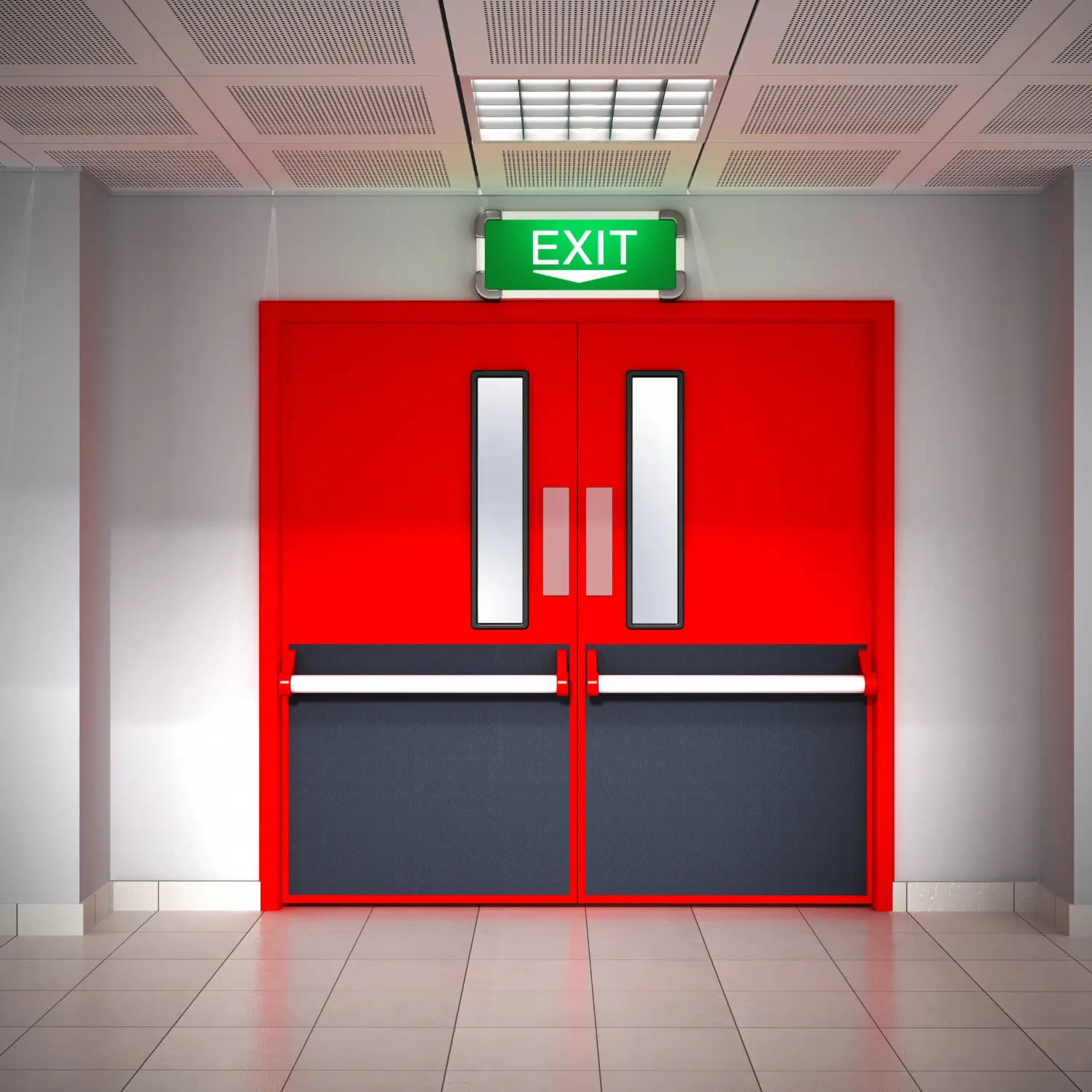
Each fire door must adhere to the UK’s national standards, including BS 476-22 and BS EN 1634-1. These standards ensure the doors can withstand fire for a specified period, typically ranging from 30 to 120 minutes.

Building Code Compliance
You must guarantee that the installation of fire doors complies with the building code, which includes effectively integrating them into the emergency exit routes. This integration is vital as it ensures that occupants can evacuate safely in case of a fire.

Fire Risk Assessments
Regular fire risk assessment london are mandatory to determine potential hazards, evaluate existing fire safety measures, and identify necessary improvements in fire protection systems, including fire doors.

Inspection Frequency
Fire doors should be inspected regularly, with the frequency dependent on the occupancy type and the results of fire risk assessments. Enforcement agencies have the authority to enforce these regulations, and non-compliance could lead to severe penalties.
Understanding and adhering to these legal requirements will guarantee compliance with the law and greatly enhance the safety of your property and its occupants.

Why Do I Need Fire Door Inspection?
Regular inspections of your fire doors are essential to guarantee they function properly when needed. You might wonder why you should invest in frequent reviews of these installations. Simply put, the primary benefits of a fire door include safeguarding life and property by delaying the spread of fire and smoke. With regular checks, you can be certain your fire doors will perform as expected in an emergency.
Inspection frequency should be tailored to the building’s usage and exposure risks, but qualified inspectors are recommended to perform at least annual inspections. These professionals use a detailed checklist that covers all critical safety components, such as door frames, seals, hinges, and the functionality of self-closing mechanisms.
A common misconception is that once installed, fire doors require minimal maintenance. This isn’t the case. Components can wear or fail; with periodic fire door testing, these issues might be noticed when it’s too late. The certification process after each inspection guarantees that any deficiencies are formally recorded and addressed, maintaining the integrity of your fire safety strategy.
Inspection costs vary depending on the number of doors and the complexity of your building’s layout. Still, considering the potential cost of fire damage, this is an investment in safety that should be considered.
Book NowImportance of Fire Door Certification
Through the lens of safety and compliance, obtaining a fire door certificate isn’t just a regulatory formality but a vital component of your building’s fire prevention strategy. As you navigate the certification process, it’s important to understand its pivotal role.
Firstly, certification guarantees that the fire doors installed meet rigorous safety regulations. These standards are designed to provide maximum protection during a fire outbreak by controlling the spread of flames and smoke. You must know that each fire door type serves a specific function and must adhere to designated safety requirements.
Secondly, regular inspection and maintenance are integral to keeping your fire doors functional. The inspection standards help identify any issues that could compromise the door’s effectiveness in an emergency. By adhering to these standards, you uphold the durability and reliability of your fire safety barriers.
Thirdly, the compliance benefits extend beyond safety. They include potential insurance advantages, as properties compliant with fire safety regulations often benefit from lower insurance premiums. This aspect underscores the financial rationale behind rigorous compliance.
Lastly, the installation guidelines and testing methods are essential for initial and ongoing certification. Proper installation guarantees that the door’s integrity isn’t compromised, while standardised testing methods validate the effectiveness of fire doors under various conditions.
Here’s a concise breakdown of why fire door certification is necessary:
- Guarantees adherence to strict safety regulations.
- Mandates regular inspection and maintenance, enhancing door reliability.
- Offers compliance benefits, including potential insurance reductions.
- Requires strict adherence to installation guidelines and testing methods, guaranteeing peak functionality.
Remember, the certification isn’t just a piece of paper; it’s your assurance that the installed fire doors will perform as expected when it matters most.
Common Fire Door Compliance Issues
While fire door certification offers substantial safety and compliance benefits, many building managers still need to work on common compliance issues that can undermine effectiveness.
Adhering to compliance regulations, while vital, is more complex than it may seem. It’s important to navigate these challenges with a clear understanding of the underlying factors at play.
Firstly, installation guidelines need to be understood and implemented more. Compliance begins with correct installation; deviation from specified standards can lead to significant safety risks.
You are responsible for confirming that the installation strictly adheres to the provided guidelines, which include properly fitting the door frame and correctly integrating fire-resistant materials.
Maintenance procedures are another significant area that often needs to be addressed. Regular maintenance guarantees that fire doors remain functional and effective during emergencies.
You must adhere to a prescribed inspection frequency, ensuring that elements such as seals, hinges, and closing mechanisms are in prime condition. Neglecting these can lead to failures in preventing the spread of smoke and fire, thereby failing compliance checks during fire door inspections.
Testing methods and certification processes also demand your attention. Each fire door must undergo routine testing to confirm its performance against established safety standards.
The certification process isn’t merely a formality but a rigorous verification that your fire doors comply with the latest safety standards and regulations.
Book Now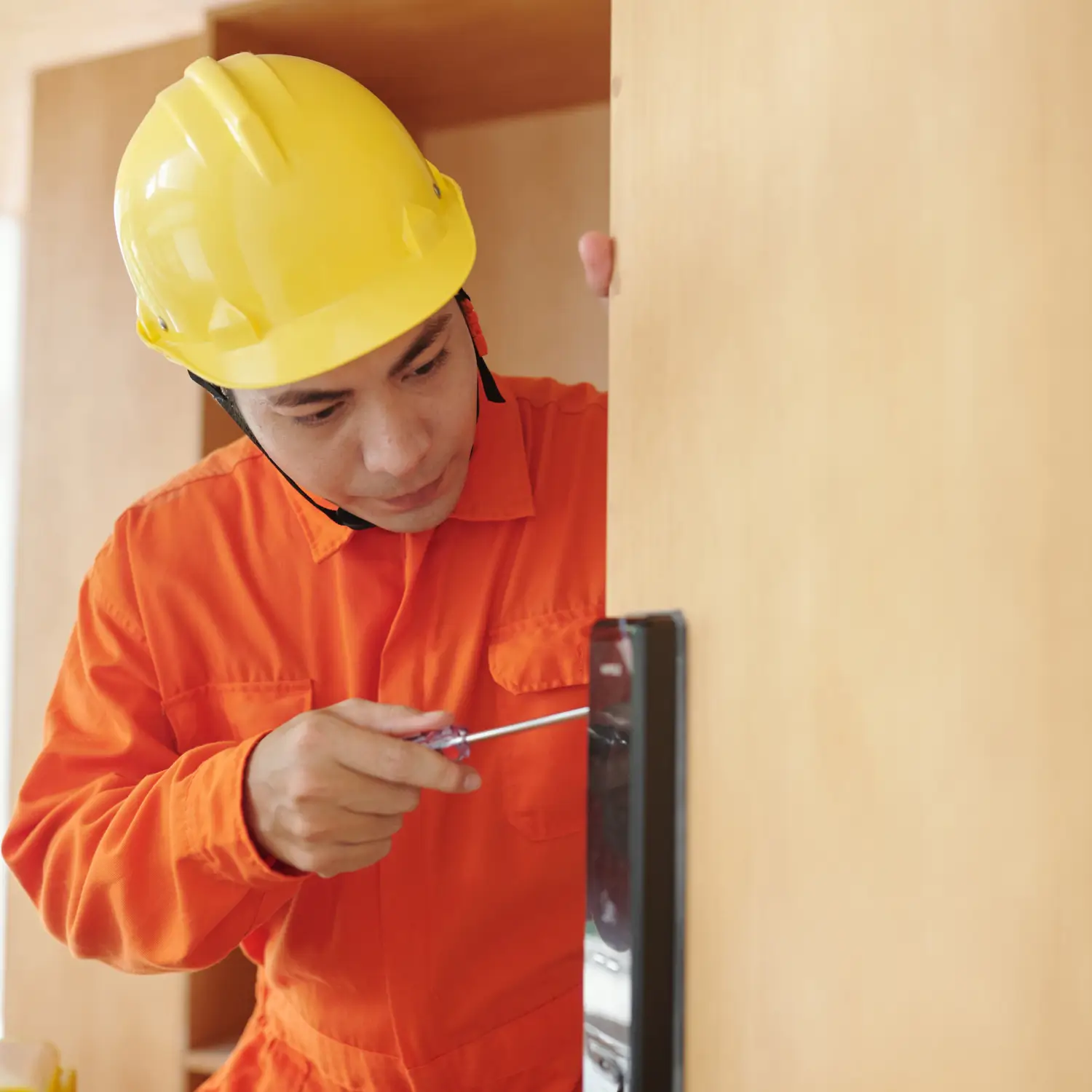
Role of Fire Doors in Building Safety
Fire doors are essential in building safety as significant barriers against spreading fire and smoke within a structure. You must understand how these components contribute to your building’s safety framework. The effectiveness of fire doors hinges on several important factors, each governed by stringent regulations and standards.
Here are the critical aspects that underscore the role of fire doors in building safety:

Fire Door
Materials
The choice of materials is paramount. Fire doors are typically made from composite or solid timber. However, the core can include flax board, particleboard or steel reinforcements to enhance fire resistance.

Fire Door
Installation
Proper installation is important. It’s not just about fitting a door into a frame; it involves ensuring all components, including seals, hinges, and the frame itself, meet the required fire-resistance rating.

Fire Door
Features
Features such as intumescent strips are essential. These expand when exposed to heat, sealing the gap between the door and frame, thereby preventing the passage of smoke and flames.

Fire Door Performance
Regular testing under conditions that mimic real emergencies is necessary to verify performance. Fire door testing typically involves heat and smoke tests to confirm that the door can withstand temperatures and prevent smoke from spreading for a defined period.
Understanding these elements helps you appreciate how a properly specified, installed, and maintained fire door is important for compliance with fire door regulations and protecting lives and property.
Regular fire door inspections further validate the integrity and functionality of these safety barriers.
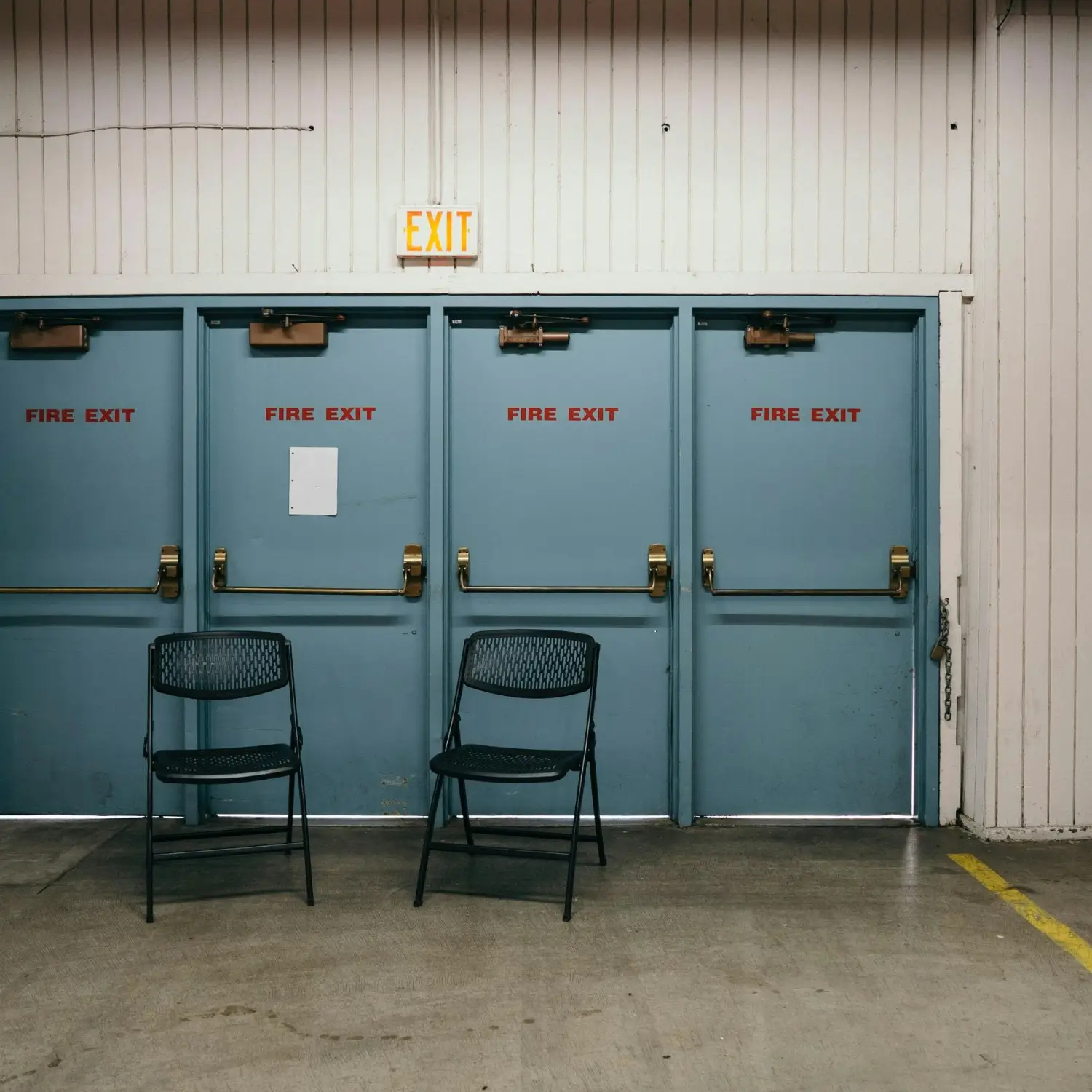
Maintaining Fire Doors
Maintaining your fire doors is essential to guarantee their effectiveness in protecting against fire and smoke spread. Implementing regular fire door maintenance and adhering to a stringent inspection frequency is pivotal to ascertaining these barriers perform as intended during emergencies.
Understanding the specific repair techniques that can address common issues, such as misalignment or damage to door hardware, is fundamental. Familiarise yourself with the compliance standards that govern fire door installations and maintenance to comply with legal and safety requirements.
These regulations outline how often inspections should be conducted and the training requirements for personnel performing these checks. Properly trained inspectors can identify faults and perform repairs without compromising the door’s integrity.
Focus on the door hardware and sealing methods, as these components are essential to maintaining the door’s functionality. Check the hinges, locks, and closing mechanisms regularly to guarantee they operate smoothly and securely.
Additionally, assess the intumescent seals and smoke seals around the door to confirm they’re intact and free from damage. Any compromise in these areas could greatly diminish the door’s effectiveness in preventing the spread of fire and smoke.
Damage assessment should be thorough and systematic. Look for wear or damage on the door and its surrounding frame. Early detection of issues allows for timely repairs, ensuring the door remains a reliable part of your building’s fire protection strategy.
Book NowHow is a Fire Door effective in Fire?
A fire door’s primary function is to save lives and property by halting the spread of fire and smoke within a building. You must understand how these doors work to guarantee their effectiveness in a fire situation. Here’s a precise breakdown:

Fire
Resistance
Fire doors are constructed from materials like steel, timber, or gypsum, which have high fire-resistance ratings. These materials are tested under extreme conditions to ensure they can withstand fire for a specific period, usually 30 to 120 minutes. This containment allows for safe evacuation and prevents the fire from spreading rapidly.

Smoke
Control
Beyond mere flames, smoke is a major fire hazard. Fire doors are equipped with seals that expand when exposed to heat, blocking smoke and toxic gases from seeping through gaps. This feature is essential as smoke can be as lethal as the fire.

Thermal Insulation
The materials used in fire doors resist burning and provide thermal insulation. This helps keep one side of the door relatively cool, protecting individuals on the non-fire side from the heat.

Installation and Maintenance
Proper installation techniques are vital; even the best fire doors can only succeed if installed correctly. Complying with building codes and following rigorous maintenance practices guarantee that the doors function as intended.
Regular inspections, adherence to testing standards, and timely repairs are essential for maintaining their integrity.
Recent Changes in Fire Safety Legislation
In recent years, legislative bodies have implemented significant changes to fire safety regulations, guaranteeing a higher protection standard for residential and commercial properties. These updates are essential in navigating the evolving landscape of compliance and enforcement.
These legislative updates have introduced stricter safety standards and more rigorous enforcement actions. As a stakeholder, you must stay abreast of these changes to ensure your properties meet the current requirements. The focus has significantly shifted towards a more extensive risk assessment model. As a property owner or manager, this model mandates that you conduct detailed evaluations to identify potential fire hazards and implement effective mitigation strategies.
Moreover, the certification processes have been revamped. There’s now a greater emphasis on transparency and accountability, making it imperative that your fire safety measures are not only in place but also documented and verifiable. This shift aims to close any loopholes previously allowing non-compliant practices to go unchecked.
Building regulations have similarly been tightened. These include specific mandates on materials and construction techniques to enhance fire resistance. As you adapt to these regulations, you’ll face compliance challenges, particularly in older structures that may require significant upgrades.
Stay updated with fire safety trends to anticipate future changes and prepare accordingly. Your proactive engagement in these matters isn’t just about legal compliance; it’s a vital investment in the safety and security of your occupants and properties.
Book Now
How Do I Get a Fire Door Certificate Renew?

To renew your fire door certificate, follow a clearly defined process that guarantees compliance with the latest safety standards. This process is essential for confirming that your fire doors meet the required installation standards and adhere to stringent safety regulations.
With the right approach, you can navigate the renewal smoothly and ensure your property remains safe and compliant.
Here are the steps you should take:
Schedule an Inspection
Determine the inspection frequency required for your specific fire door types. Regular inspections are important to identify any wear or potential compliance issues that could affect the functionality and safety of your fire doors.
Review Maintenance Records
Before the inspection, gather and review maintenance records to verify all necessary upkeep has been performed according to the manufacturer’s maintenance tips. This step is essential for passing the compliance checks during the certification process.
Undergo Compliance Checks
During the inspection, a certified inspector will perform thorough compliance checks focusing on all aspects of your fire doors, including their structural integrity and operational functionality. They’ll assess whether the doors meet safety regulations and installation standards.
Cover Renewal Costs
Once your doors pass the inspection, you must cover the renewal costs. These costs can vary depending on the number of doors and specific requirements to meet the latest standards. Adhering to this process verifies that your fire doors are compliant and enhances the safety of your building’s occupants.
Ensuring Safety Compliance with Fire Door Certificates
When we discuss safety compliance, especially within the domain of fire safety, the significance of a valid Fire Door Certificate must be addressed. We’re deeply committed to ensuring that each fire door we assess meets the stringent standards to safeguard lives and property. It’s not just about adhering to legal requirements; it’s about fostering a secure environment where everyone can feel safe, knowing that every precaution has been taken to enhance their protection against fire hazards.
In our pursuit to serve with excellence, we offer meticulous inspections and assessments to guarantee that your fire doors are compliant and, fitted and maintained correctly. Our team of experts brings a wealth of experience and a keen eye for detail, ensuring every aspect is noticed. Every component is scrutinised, from the integrity of the door’s structure to its sealing efficiency and hardware reliability. We recognise that each element plays a vital role in the door’s overall performance in case of a fire.
We pride ourselves on our quick turnaround times and transparent pricing, which ensure you can handle costs. Our approach is straightforward: provide exceptional service that meets the needs of our clients promptly and efficiently. By choosing our services, you’re not just complying with regulations; you’re taking a significant step towards creating a safer space for everyone who enters your building. Whether you’re a business owner, a landlord or a property manager, we’re here to assist you in meeting and exceeding safety compliance standards.

Areas We Serve for Fire Door Certificate London
Wandsworth
Harrow
Ealing
Bromley
Croydon
Fulham
Kensington
Westminster
Sutton Surrey
W1
SW
WD
EN
CM
IG
RM
DA
BR
CR
SM
KT
TW
UB
HA
Accreditation