
Replacing a consumer unit in London usually costs from around £480 to £1,500+, depending on the type of consumer unit, the number of circuits, the condition of the existing wiring, whether earthing or bonding upgrades are needed, and how complex the installation is.
A straightforward domestic consumer unit replacement will usually cost less than a larger property, HMO, commercial unit, or installation that needs remedial electrical work before the new board can be safely fitted.
A consumer unit is the main electrical control point for your property. It protects the electrical circuits, helps reduce the risk of electric shock and fire, and allows power to be safely isolated when needed. If your old fuse box is outdated, damaged, lacks RCD protection, keeps tripping, or has been flagged during an EICR, replacing it with a modern consumer unit may be the safest next step.
Consumer unit replacement is not a DIY job. In England, replacing a consumer unit in a domestic property is notifiable electrical work under Building Regulations, and it should be carried out by a competent electrician or correctly notified through Building Control.
Last Updated: 2026
Reviewed By: London Safety Certificate Compliance Team
Key Takeaways
- Consumer unit replacement in London typically costs from around £480 to £1,500+.
- The final price depends on the number of circuits, consumer unit type, property size, wiring condition, earthing, bonding, access and testing requirements.
- A modern consumer unit may include RCDs, RCBOs and surge protection depending on the installation requirements.
- You may not need a full rewire when replacing a consumer unit, but the existing wiring must be suitable and safe.
- If the wiring, earthing or bonding is unsafe, remedial work may be needed before or during the replacement.
- Consumer unit replacement should be completed by a competent electrician and properly certified.
- The work is normally notifiable under Part P of the Building Regulations for domestic properties in England and Wales.
Table of Contents
Quick Answer: How Much Does It Cost to Replace a Consumer Unit?
| Type of Consumer Unit Work | Typical Price Guide in London |
|---|---|
| Small domestic consumer unit replacement | From around £480–£700 |
| Standard consumer unit replacement | Around £650–£950 |
| RCBO consumer unit upgrade | Around £850–£1,250 |
| Larger home, HMO or complex installation | Around £1,000–£1,500+ |
| Commercial consumer unit replacement | Quotation required after assessment |
| Extra circuits, earthing, bonding or remedials | Priced separately depending on the work |
These prices are general guide ranges. The actual cost can only be confirmed after checking the existing consumer unit, number of circuits, wiring condition, earthing and bonding, access and any safety issues found before installation.
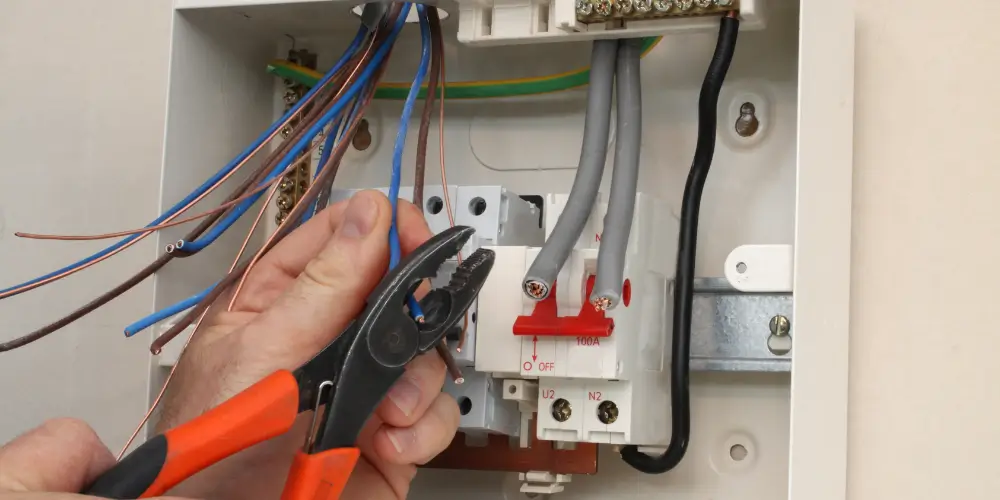
What Is a Consumer Unit?
A consumer unit, often called a fuse box or fuse board, is the main electrical distribution point in a property. It controls the electrical circuits and contains protective devices designed to disconnect power if a fault is detected.
A modern consumer unit may include:
- main switch
- circuit breakers
- RCD protection
- RCBOs
- surge protection device where required
- labelled circuits
- safer enclosure and layout
Older fuse boxes may still use rewireable fuses or outdated protection. They may not offer the same level of protection expected in modern electrical installations. For a full explanation of the fuse box and its components, read our guide on what a consumer unit is.
Consumer Unit vs Fuse Box: What Is the Difference?
Many people use the terms consumer unit, fuse box and fuse board to mean the same thing. In everyday language, that is normal. Technically, an old fuse box usually refers to an older style board that uses fuses, while a modern consumer unit uses modern protective devices such as MCBs, RCDs or RCBOs.
| Term | Meaning |
|---|---|
| Fuse box | Older wording, often used for traditional fuse boards |
| Fuse board | Common everyday term for the main electrical board |
| Consumer unit | Modern term for the electrical distribution board in a property |
| RCD consumer unit | Consumer unit with residual current device protection |
| RCBO consumer unit | Consumer unit where individual circuits have RCBO protection |
If your property still has an old fuse box, replacing it with a modern consumer unit can improve safety, make faults easier to manage, and bring the installation closer to current expectations.
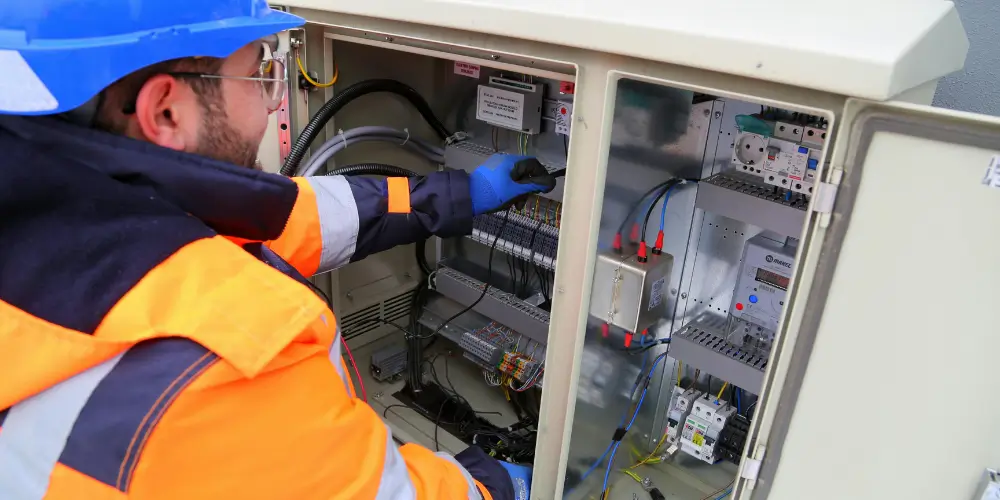
Why Replace an Old Consumer Unit?
A consumer unit may need replacing because it is outdated, damaged, unsafe, overloaded, poorly labelled, or not suitable for the current electrical demands of the property.
Common reasons include:
- old rewireable fuse box
- no RCD protection
- frequent tripping
- signs of overheating or burning
- cracked or damaged enclosure
- poor circuit labelling
- outdated consumer unit found during an EICR
- property renovation or extension
- additional circuits being added
- landlord compliance concerns
- sale, purchase or insurance-related checks
- old wiring needing further assessment
A consumer unit replacement is not just about fitting a newer box. It is also an opportunity to assess whether the existing installation is safe enough to connect to modern protective equipment. If your old fuse box is plastic, read our guide whether a plastic consumer unit fails an EICR.
Signs Your Fuse Box May Need Replacing
You may need a consumer unit upgrade if you notice:
- fuse wire or ceramic fuses
- no test buttons on the board
- no RCD protection
- burning smell near the fuse box
- scorch marks or heat damage
- buzzing or crackling noises
- repeated tripping
- flickering lights
- sockets or circuits that stop working
- poor or unclear circuit labels
- previous EICR observations related to the consumer unit
- lack of spare ways for additional circuits
Do not ignore visible damage, overheating or burning around a fuse box. These issues should be checked by a qualified electrician as soon as possible.
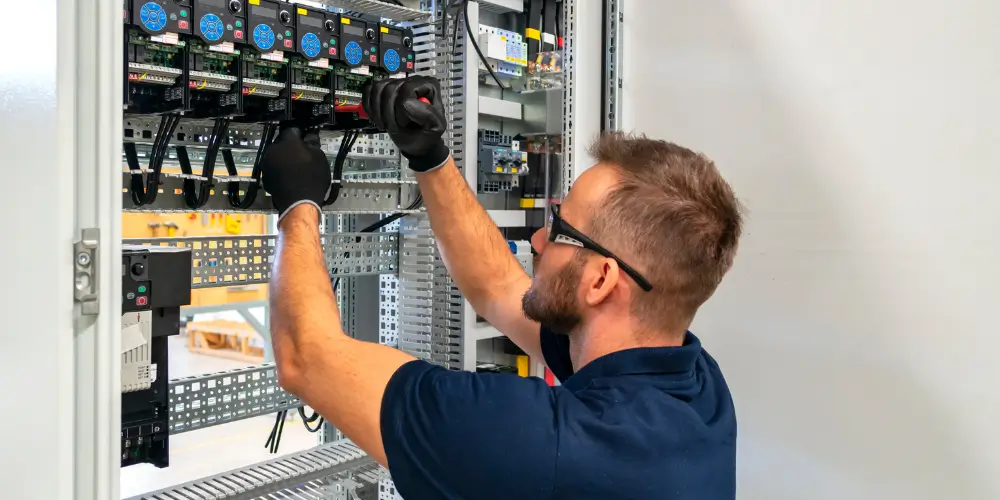
Consumer Unit Replacement Cost in London
The cost of consumer unit replacement depends on the type of installation and the work needed to make it safe and compliant.
| Cost Factor | How It Affects the Price |
|---|---|
| Number of circuits | More circuits mean more testing, labelling and connection work |
| Type of consumer unit | RCBO boards usually cost more than basic split-load boards |
| Property size | Larger homes and HMOs usually have more circuits and more testing time |
| Existing wiring condition | Unsafe or damaged wiring may need remedial work |
| Earthing and bonding | Upgrades may be needed before the new unit can be safely installed |
| Surge protection | Surge protection may be required or recommended depending on the installation |
| Access | Poor access to the fuse box, meter or wiring can increase labour time |
| Testing and certification | Inspection, testing and certification form part of a proper replacement |
| Commercial complexity | Commercial units may involve shutdown planning, multiple boards or three-phase supplies |
The cheapest quote is not always the safest option. A proper consumer unit replacement should include suitable inspection, testing, certification and compliance paperwork.
Average Cost of a New Consumer Unit Installation
For many London homes, a standard consumer unit replacement falls into these broad ranges:
| Property / Job Type | Typical Cost Guide |
|---|---|
| Small flat with simple circuit layout | £480–£700 |
| Standard house consumer unit replacement | £650–£950 |
| RCBO consumer unit replacement | £850–£1,250 |
| HMO or larger domestic property | £1,000–£1,500+ |
| Consumer unit with extra remedial work | Depends on defects found |
| Commercial consumer unit replacement | Site-specific quotation |
The final price depends on the existing electrical installation. If the electrician finds poor earthing, missing bonding, damaged cables, unsafe circuits, or previous DIY electrical work, the cost may increase because those issues need to be dealt with safely.
What Is Included in a Consumer Unit Replacement?
A proper consumer unit replacement normally includes:
- checking the existing consumer unit
- confirming the number of circuits
- assessing the suitability of the existing wiring
- safe isolation of the electrical supply
- removal of the old fuse box or consumer unit
- installation of the new consumer unit
- connection of existing circuits
- circuit identification and labelling
- inspection and testing
- fault identification where issues appear during testing
- certification and relevant documentation
- Building Regulations notification where applicable
The exact scope should be confirmed before work starts, especially if the installation is old or the previous condition is unknown.
Types of Consumer Units and How They Affect Cost
The type of consumer unit fitted affects the final price.
Dual RCD Consumer Unit
A dual RCD consumer unit splits circuits across two RCDs. It is often cheaper than a full RCBO board, but one fault can sometimes affect several circuits on the same RCD side.
RCBO Consumer Unit
An RCBO consumer unit gives individual protection to each circuit. This can make faults easier to isolate because one circuit issue is less likely to affect unrelated circuits. RCBO boards usually cost more but can offer a better layout and fault management.
Consumer Unit with Surge Protection
A surge protection device helps protect the installation and connected equipment from certain voltage surges. Whether it is required or recommended depends on the property and installation design.
Commercial Consumer Unit or Distribution Board
Commercial properties may have larger distribution boards, three-phase supplies, plant equipment, emergency systems and more circuits. These jobs usually need a site-specific quotation.
Can You Replace a Consumer Unit Without Rewiring?
Yes, in some cases you can replace a consumer unit without a full rewire. A full rewire is not automatically required just because the consumer unit is being upgraded.
However, the existing wiring must be suitable, safe and capable of being connected to the new consumer unit. If the electrician finds damaged wiring, unsafe alterations, poor insulation readings, missing earthing, inadequate bonding or serious defects, additional remedial work may be needed.
A consumer unit replacement can reveal problems that were hidden before. That is why inspection and testing are important. The new unit should not simply be connected to unsafe wiring.
Does a New Consumer Unit Need an EICR First?
An EICR is not always required before replacing a consumer unit, but it can be useful where the condition of the installation is unknown, old, previously altered, or already showing signs of faults.
An EICR may be sensible before replacement if:
- the property has old wiring
- the installation has not been tested for years
- there are repeated electrical faults
- there has been DIY electrical work
- the property is being rented, bought or sold
- the previous EICR was unsatisfactory
- the electrician wants to understand the condition of circuits before replacement
If circuits are unsafe, they may need fixing before or during the consumer unit upgrade. Before upgrading the fuse box, it can help to understand the inspection process first, so read our guide on the EICR test procedure.
Consumer Unit Replacement Cost vs EICR Remedial Work
Consumer unit replacement and EICR remedial work are not always the same thing. An EICR may identify issues with the existing consumer unit, but it may also identify other faults in the wiring, earthing, bonding, accessories or circuits.
If the consumer unit is the main issue, replacement may form part of the remedial solution. If other defects are found, those issues may need separate remedial work before the installation can be treated as satisfactory.
This is why the final cost can vary after inspection and testing. A new consumer unit may solve some problems, but it will not automatically fix unsafe wiring, poor bonding, damaged accessories or faults on individual circuits. If the EICR is unsatisfactory, read our guide on what landlords should do after an unsatisfactory EICR before arranging remedial work.
How Long Does It Take to Replace a Consumer Unit?
A standard domestic consumer unit replacement often takes around half a day to a full day. Larger properties, HMOs, older installations or jobs with faults may take longer.
The time depends on:
- number of circuits
- access to the consumer unit
- condition of existing wiring
- whether earthing and bonding are suitable
- whether faults appear during testing
- whether the property is occupied
- whether additional remedial work is needed
For commercial properties, the work may need to be planned around opening hours, shutdown windows or access restrictions. If testing or faults affect the job time, read our guide on how long an EICR takes to do.
Will the Power Be Turned Off?
Yes. The power will need to be safely isolated while the consumer unit is being replaced.
For homes, this usually means planning for a period without power during the appointment. For commercial premises, shutdown planning is more important because tills, fridges, IT equipment, alarms, lighting and business operations may be affected.
If you run a business, tell the electrician about any equipment that cannot be unexpectedly switched off.
Do You Need a Certificate After Consumer Unit Replacement?
Yes. After a consumer unit replacement, you should receive the correct electrical certification and compliance paperwork.
This may include:
- Electrical Installation Certificate
- test results
- Building Regulations compliance certificate or notification where applicable
- details of the work completed
- circuit schedule and labelling
Approved Document P explains the importance of design, installation, inspection, testing and provision of information for electrical safety work in dwellings. Keep these documents safely. They may be needed for landlords, property sales, insurance, future electrical work or compliance records.
Is Consumer Unit Replacement Notifiable?
For domestic properties in England and Wales, replacing a consumer unit is normally notifiable work under Building Regulations. Planning Portal guidance lists the installation of a new consumer unit or fuse box as notifiable work.
This means the work should either be carried out by a registered electrician who can self-certify the work, or it must be notified to Building Control through the correct route.
Do not use an unqualified person for this work. A cheap installation without proper testing and certification can create safety, insurance and property sale problems later.
Does Replacing a Consumer Unit Improve Safety?
A modern consumer unit can improve electrical safety when it is correctly selected, installed, inspected and tested. It can provide better fault protection, clearer circuit control and safer isolation compared with older fuse boxes.
Potential benefits include:
- improved protection against electric shock
- better circuit separation
- easier fault finding
- modern circuit breakers instead of fuse wire
- clearer labelling
- improved compatibility with modern electrical demand
- safer upgrade path for additional circuits
- stronger compliance records
The benefit depends on the quality of the existing wiring and the standard of installation. A new consumer unit is not a magic fix for unsafe wiring. If the circuits are defective, those issues still need to be corrected.
RCD and RCBO Installation Cost
RCD and RCBO-related searches are common because many older fuse boxes do not have modern protection. The cost depends on whether you are replacing one device, upgrading part of the board, or fitting a new consumer unit with RCBO protection.
| Work Type | Typical Cost Consideration |
|---|---|
| RCD replacement | Usually lower cost if replacing a single device |
| RCBO replacement | Depends on circuit type and board compatibility |
| Full RCBO consumer unit | Higher cost but better individual circuit protection |
| RCD consumer unit upgrade | Depends on board type, circuits and testing |
| Additional fault finding | Extra cost if tripping or wiring faults are found |
If your current RCD keeps tripping, the problem may not be the RCD itself. It could be a fault on a circuit or appliance. Proper testing is needed before replacing parts blindly.
Consumer Unit Replacement for Landlords
Landlords may need a consumer unit replacement if the existing installation has been flagged during an EICR, lacks suitable protection, has safety concerns, or does not support the safe condition of the rented property. A landlord should keep:
- latest EICR
- consumer unit replacement certificate
- remedial work evidence
- Building Regulations compliance documents
- next inspection recommendation
- tenant access records where relevant
If an EICR identifies C1, C2 or FI observations, the report is usually unsatisfactory and remedial action or further investigation is required. Consumer unit replacement may form part of the solution, but the correct action depends on the findings. For landlord compliance rules, read our guide on whether an electrical safety certificate is a legal requirement for landlords.
Consumer Unit Replacement for Homeowners
Homeowners often replace a consumer unit during renovation, before selling, after an EICR, or when the existing fuse box is clearly outdated. You may want to consider replacement if:
- you are renovating the property
- you are adding new circuits
- your old fuse box has no RCD protection
- your electrics keep tripping
- you are preparing to sell the home
- your home has old wiring and no recent inspection record
- an electrician has advised that the current board is unsuitable
If you are buying a property, an EICR can help identify whether the consumer unit and wiring are in satisfactory condition before you commit to further electrical work.
Commercial Consumer Unit Replacement in London
Commercial consumer unit replacement is usually more complex than a domestic fuse box change. Commercial sites may include:
- multiple distribution boards
- three-phase supplies
- emergency lighting circuits
- fire alarm supplies
- plant room equipment
- tenant areas
- office equipment
- machinery
- access restrictions
- planned shutdown windows
For commercial premises, the cost should be based on the actual site. A small shop will not have the same requirements as a restaurant, warehouse, school, surgery or industrial unit.
What Can Increase the Cost?
The cost of consumer unit replacement can increase when the existing electrical installation needs extra work before the new unit can be safely fitted and certified. For example, older wiring, poorly labelled circuits, existing faults, missing bonding, inadequate earthing or damaged accessories can all add time to the job. These issues are often discovered during inspection and testing, which is why a very cheap quote can change once the electrician checks the condition of the property’s electrical system.
The price may also rise if additional circuits are required, the consumer unit needs to be relocated, access to the board is difficult, or the property is occupied and harder to work around. In commercial premises, costs can be higher where shutdown planning, out-of-hours work, tenant coordination or business disruption needs to be managed carefully.
A proper electrician should explain any extra costs clearly before carrying out additional work. You should be told what the issue is, why it affects safety or compliance, and whether the remedial work is needed before the consumer unit replacement can be certified.
Can You Install Additional Circuits During Consumer Unit Replacement?
Yes, additional circuits can sometimes be installed at the same time as a consumer unit replacement, but they must be designed, installed, inspected and tested correctly. Common examples include circuits for:
- cooker
- shower
- extension
- outbuilding
- electric heating
- EV charger
- kitchen appliances
- additional socket circuits
Adding new circuits increases the cost because it involves more labour, cable routes, testing and certification.
How to Prepare Before Consumer Unit Replacement
You can help the job run smoothly by preparing the property before the electrician arrives.
| What to Prepare | Why It Helps |
|---|---|
| Clear access to the consumer unit | Allows safe removal and installation |
| Clear access to meter area | Helps with isolation and inspection |
| Make rooms accessible | Allows circuits to be tested properly |
| Move furniture away from sockets where possible | Reduces delay during testing |
| Share previous EICR if available | Helps identify known issues |
| Tell the electrician about faults | Helps plan testing and safety checks |
| Plan for power interruption | Prevents problems during the appointment |
| For businesses, agree shutdown windows | Reduces disruption to operations |
Good preparation can reduce delays, limitations and repeat visits.
Is the Cheapest Consumer Unit Replacement Worth It?
The cheapest consumer unit replacement is not always worth it. A very low quote may look attractive at first, but it may not include proper inspection and testing, certification, Building Regulations notification, circuit labelling, fault finding, basic materials, VAT or any remedial work needed to make the installation safe and compliant.
This can become more expensive later if the new fuse box fails testing, causes nuisance tripping, leaves safety issues unresolved or does not come with the correct paperwork. When comparing prices, it is better to choose a clear, detailed quote that explains exactly what is included and what is excluded, rather than a low headline price that may lead to hidden extras.
Frequently Asked Questions
How much does it cost to replace a consumer unit in London?
Consumer unit replacement in London usually costs from around £480 to £1,500+, depending on the consumer unit type, number of circuits, wiring condition, access, testing and any remedial work required.
How much does a new fuse box cost?
A new fuse box or consumer unit can cost from around £480 for a smaller straightforward job, but larger or more complex installations can cost significantly more.
What affects consumer unit replacement cost?
The main factors are the number of circuits, type of consumer unit, property size, wiring condition, earthing, bonding, access, testing requirements and whether faults are found during installation.
Can I replace a consumer unit without rewiring?
Yes, if the existing wiring is suitable and safe. If the wiring is damaged, outdated or fails testing, remedial work or rewiring may be needed before the new consumer unit can be safely used.
Is consumer unit replacement notifiable?
Yes, in domestic properties in England and Wales, replacing a consumer unit is normally notifiable electrical work under Building Regulations.
How long does it take to replace a consumer unit?
A standard domestic consumer unit replacement often takes around half a day to a full day. Larger properties, commercial premises, old wiring or faults found during testing can increase the time.
Do I get a certificate after consumer unit replacement?
Yes. You should receive the correct electrical certification, test results and Building Regulations compliance documentation where applicable.
Is an RCBO consumer unit more expensive?
Usually yes. RCBO consumer units normally cost more than basic boards, but they provide individual circuit protection and can make fault isolation easier.
Does a new consumer unit stop tripping?
Not always. If tripping is caused by a wiring fault, appliance fault or circuit issue, replacing the board alone may not fix the problem. Proper testing is needed first.
Should landlords replace old fuse boxes?
Landlords should act if an old fuse box is unsafe, lacks suitable protection, has been flagged on an EICR, or cannot support the safe condition of the rented property.
Can a consumer unit be moved?
Sometimes, but moving a consumer unit can increase the cost because it may involve cable alterations, meter position considerations, testing, certification and extra labour.
Does consumer unit replacement include PAT testing?
No. Consumer unit replacement relates to the fixed electrical installation. PAT testing is separate and relates to portable appliances.