
An unsatisfactory EICR means the electrical installation has received at least one C1, C2 or FI observation. A C1 means danger is present, a C2 means a potentially dangerous condition has been identified, and FI means further investigation is required without delay.
For rented homes in England, landlords must arrange the required remedial or investigative work within 28 days, or within a shorter period stated on the report. Once the work is completed, the landlord must obtain written confirmation and provide the appropriate documents to the tenant and local council within 28 days. A C3 observation alone does not make an EICR unsatisfactory.
Last Updated: 2026
Reviewed By: London safety Certificate Compliance Team
Table of Contents
Unsatisfactory EICR: Quick Landlord Action Table
| EICR code | Meaning | What the landlord should do |
|---|---|---|
| C1 | Danger present | Arrange immediate action to remove or isolate the danger |
| C2 | Potentially dangerous | Complete urgent remedial work within 28 days or sooner if specified |
| FI | Further investigation required without delay | Arrange the investigation and complete any resulting remedial work |
| C3 | Improvement recommended | Consider the recommendation; it does not make the report unsatisfactory by itself |
The exact action must be based on the observations written in the report. Electrical Safety First explains that an EICR must be assessed as unsatisfactory where any observation is classified C1, C2 or FI.
What Does an Unsatisfactory EICR Mean?
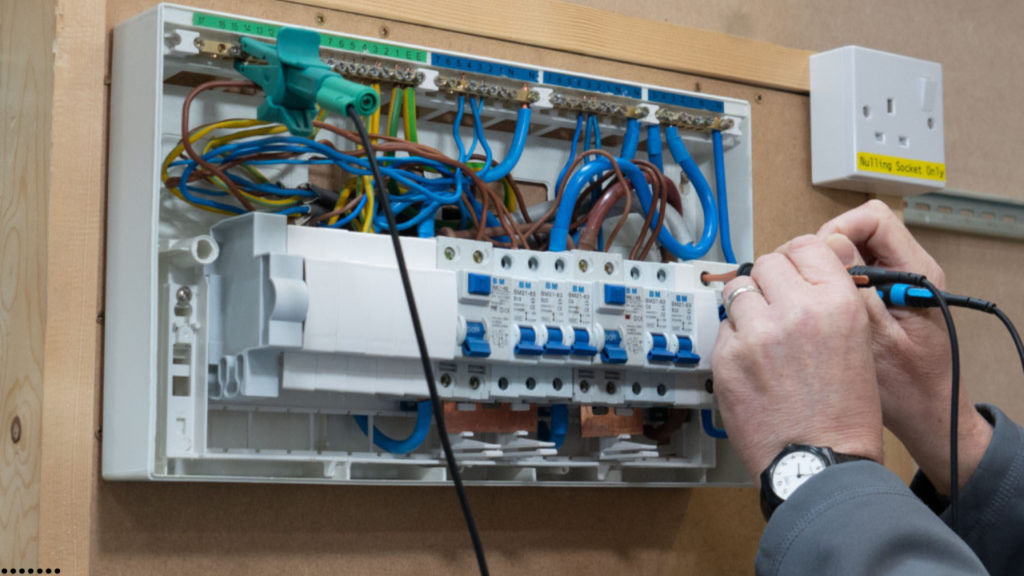
According to NICEIC EICR guidance, an Electrical Installation Condition Report assesses whether the fixed electrical installation is satisfactory or unsatisfactory for continued use at the time of inspection and helps identify issues that may require a C2 fix.
The fixed installation normally includes:
- electrical wiring
- socket circuits
- lighting circuits
- the consumer unit
- earthing and bonding
- permanently connected equipment
- protective devices such as RCDs and circuit breakers
An unsatisfactory outcome does not necessarily mean the entire electrical installation must be replaced. It means that one or more specific observations require urgent remedial work or further investigation before the installation can be treated as satisfactory for continued use.
Which EICR Codes Make a Report Unsatisfactory?
C1 – Danger Present
A C1 means danger is present and there is a risk of injury. Examples may include accessible live parts or another condition presenting an immediate electric-shock risk.
Where reasonably practicable and permission has been given, the inspector should take action to remove or isolate the immediate danger before leaving the property. The permanent repair must still be properly completed and documented.
C2 – Potentially Dangerous
A C2 means the condition is potentially dangerous and urgent remedial action is required.
The issue may not be causing immediate injury at the time of inspection, but it could become dangerous under foreseeable conditions. For landlords in England, necessary C2 remedial work must normally be completed within 28 days or sooner where the report gives a shorter deadline.
FI – Further Investigation Required
FI means the inspector could not confirm the safety of a particular issue without carrying out further investigation.
An FI observation makes the report unsatisfactory. The investigation must be arranged without delay and within the landlord’s remedial deadline. It may identify a fault requiring repair, or it may confirm that the circuit is safe.
C3 – Improvement Recommended
A C3 means an improvement is recommended but the condition has not been classified as dangerous or potentially dangerous.
A report containing only C3 observations can remain satisfactory. Landlords are not legally required to complete C3 recommendations under the electrical safety regulations, although completing sensible improvements may enhance the installation’s safety.
What Should a Landlord Do After an Unsatisfactory EICR?
1. Check Every Observation and Code
Review the observations, test schedules and agreed limitations. Confirm whether the report contains C1, C2, FI or a combination of these EICR codes.
Do not accept a quotation that simply states “make EICR satisfactory” without identifying which observations and circuits are included.
2. Make Any C1 Danger Safe Immediately
A C1 condition should not be left in normal use while waiting for routine remedial work.
The affected circuit or equipment may need to be safely isolated until it can be permanently repaired. Only a qualified and competent person should undertake electrical repairs or alterations.
3. Obtain an Itemised Remedial Quotation
Ask for a quotation that matches each EICR observation to its proposed remedial action.
The quotation should make clear:
- which observation is being corrected
- which circuit or location is affected
- whether fault finding is required
- whether parts or protective devices require replacement
- which certificate or completion record will be issued
- whether any Building Regulations notification is required
An unsatisfactory EICR does not automatically mean the property needs a full rewire or a new consumer unit. The required work depends on the defects and test results recorded in the report.
4. Complete C1, C2 and FI Work Within the Deadline
Landlords in England must complete necessary remedial or further investigative work within 28 days, or within any shorter period stated in the report.
Do not treat 28 days as a waiting period. C1 conditions require immediate attention, while C2 and FI observations should be booked promptly to allow enough time for access, investigation, parts and certification.
5. Obtain Written Confirmation and Electrical Certification
After completing the work, obtain suitable evidence from the qualified person who carried it out.
Depending on the work, this may include:
- an Electrical Installation Certificate
- a Minor Electrical Installation Works Certificate
- a satisfactory EICR
- a remedial-work completion record
- other appropriate electrical certification
GOV.UK identifies these as acceptable forms of written confirmation, depending on the work completed.
6. Send the Documents to the Tenant and Council
Within 28 days of completing the work, provide the tenant and local council with:
- the relevant EICR
- written confirmation that the required work has been completed
- the associated electrical certificate or remedial record
Keep copies with the property’s compliance records and provide them to the person carrying out the next inspection.
Do You Need a New EICR After Remedial Work?
A second full EICR is not automatically required after every repair.
Electrical Safety First states that the original unsatisfactory EICR, together with suitable records showing completion of the C1 and C2 remedial work, can provide sufficient evidence that the installation is safe for continued use.
The remedial work should be separately recorded using the appropriate certificate or completion documentation. A new full periodic inspection is not ordinarily necessary simply to produce a replacement EICR marked satisfactory.
However, a new or updated satisfactory report may be needed where:
- the local council or licensing authority specifically requires one
- the original report contained extensive limitations
- further investigation affects the wider assessment
- the landlord’s agreement with the contractor includes a clean report
- the remedial work is extensive enough to justify further inspection
The landlord should confirm the documentation requirements before authorising the work.
Common Remedial Work After an Unsatisfactory EICR
The work required depends on the property and the observations recorded. Common examples may include:
- repairing exposed or damaged electrical accessories
- correcting earthing or bonding defects
- installing suitable RCD or RCBO protection
- replacing damaged circuit breakers or protective devices
- repairing loose, overheated or unsafe connections
- correcting faulty wiring or circuit polarity
- replacing unsuitable consumer-unit components
- investigating poor insulation-resistance or continuity results
Some problems can be corrected individually. Others may reveal wider electrical faults after further testing. The electrician should recommend work based on the inspection findings rather than applying the same solution to every property.

How Much Does It Cost to Fix an Unsatisfactory EICR?
There is no single fixed price for EICR remedial work.
The cost depends on:
- the number of observations
- whether the codes are C1, C2 or FI
- the circuits affected
- the condition and age of the installation
- whether fault finding is required
- accessibility of wiring and equipment
- whether a consumer unit or protective device needs replacing
- the certification and notification required
Request a written, itemised quotation before approving non-emergency work. It should distinguish confirmed repairs from provisional costs that depend on further investigation.
What Happens If a Landlord Does Not Fix an Unsatisfactory EICR?
Where a landlord fails to complete the required work, the local council may serve a remedial notice. If the landlord does not comply, the council may arrange the work and recover its costs from the landlord.
Where urgent action is required, the council may arrange urgent remedial work after following the required notification process.
Current GOV.UK guidance states that local councils may impose a financial penalty of up to £40,000 for landlords who breach specified duties under the electrical safety regulations. This increased maximum applies to relevant offences committed from 1 May 2026.
The landlord should therefore keep a clear compliance trail containing:
- the original EICR
- remedial quotations
- access records
- invoices
- electrical certificates
- written completion confirmation
- copies sent to the tenant and council
Can You Sell a Property With an Unsatisfactory EICR?
An unsatisfactory EICR does not generally prevent the legal sale of a property, but the defects may affect disclosure, negotiations, mortgage requirements, buyer confidence and the agreed price.
Where the property remains rented, the landlord’s rental electrical safety obligations continue regardless of plans to sell.
Fix an Unsatisfactory EICR in London
London Safety Certificate supports landlords, managing agents and property owners with EICR inspections and electrical remedial work across London.
We can assess the observations, provide an itemised quotation, complete agreed remedial work and issue appropriate electrical documentation.
Book an EICR in London or send us the observation pages from your existing report to arrange the next steps.
Frequently Asked Questions
-
What happens if an EICR is unsatisfactory?
The landlord must arrange the C1, C2 and FI actions identified in the report. For rented homes in England, required remedial or investigative work must normally be completed within 28 days or within a shorter period stated in the report.
-
How long does a landlord have to fix an EICR C2?
A landlord normally has no more than 28 days, but the report may specify a shorter deadline. C2 means potentially dangerous, so the work should be arranged urgently rather than left until the end of the period.
-
Does a C3 make an EICR unsatisfactory?
No. C3 means improvement recommended. A report containing only C3 observations can still be satisfactory.
-
Is a new EICR required after remedial work?
Not in every case. The original EICR and appropriate remedial-work certificates may be sufficient. A council, licensing authority or contractual agreement may sometimes require a clean satisfactory report.
-
Can a landlord complete EICR remedial work personally?
Only where the landlord is suitably qualified and competent to undertake that specific electrical work and can issue the required documentation. Most landlords should appoint a qualified and competent electrician.
-
How often does a landlord need an EICR?
For rented homes in England, the fixed electrical installation must normally be inspected at least every five years or sooner where the previous report specifies a shorter interval. The inspection date is not automatically reset by every change of tenancy.
Conclusion
In conclusion, dealing with an unsatisfactory EICR isn’t as daunting as it may seem. Understanding the codes, their implications, and potential solutions are key steps in addressing the issue.
Making electrical safety a priority and engaging professionals for EICR testing and rectification is crucial. Remember, it’s not just about compliance, it’s about ensuring the safety of your tenants.
Stay informed, stay safe, and let’s keep our properties up to the highest safety standards.