

In an EICR test, you’ll first undergo a visual inspection to gauge compliance with current electrical codes, check safety devices, and identify common issues such as worn or outdated components. Then, certified technicians thoroughly examine your electrical systems using specialised equipment to evaluate circuit integrity, insulation effectiveness, and overall device functionality. This process includes inspecting circuit boards for faults and appraising wiring systems to guarantee they meet updated standards. Meticulous documentation of compliance issues is essential for adherence to regulatory standards. By understanding each step and its importance, you can better appreciate how these evaluations act as vital safeguards.
Key Takeaways
- EICR assesses electrical installations’ safety and compliance against current standards through detailed inspections.
- Initial visual inspections identify visible issues like wear, outdated components, and improper grounding systems.
- Further testing includes checks on circuit integrity, insulation effectiveness, and device functionality.
- Compliance issues are meticulously documented to meet regulatory standards and ensure accountability.
- Reviewing EICR test results helps prioritise necessary corrections to maintain electrical safety and system integrity.
Table of Contents
Understanding the EICR Test Procedure
To start with an Electrical Installation Condition Report (EICR) test, you must first understand its components and process. This test is essential for evaluating the safety and compliance of your electrical installations against current electrical standards. It’s not just about verifying everything works; it’s about ensuring it’s safe for continued use.
EICR’s importance isn’t overstated—it’s a proactive measure against potential electrical hazards. By adhering to safety regulations, you’re safeguarding your property and guaranteeing the safety of those within it. The EICR checks for compliance with the latest safety standards and helps you align with legal requirements.
A common misconception is that you’re set for life once you pass. However, testing frequency is critical. Depending on the type and usage of the building, you might need an EICR every few years—more frequently in environments with higher risks or where public safety is concerned.
Certification bodies authorised to conduct these evaluations provide an EICR certificate upon completion, which is formal documentation of your compliance with electrical safety standards. Don’t overlook this; it’s proof of diligence and commitment to safety standards.
Moreover, the risk evaluation inherent in the EICR test procedure is tailored to identify specific vulnerabilities in your electrical system. This isn’t a generic check-up but a thorough examination tailored to your particular setup’s needs and risks.
Understanding these elements helps you appreciate the depth and rigour of the EICR process and guarantees you’re well-prepared. It’s about being part of a community committed to safety and compliance, where everyone plays a role in upholding standards.
Steps in the EICR Test Procedure
Understanding the steps involved in the EICR test procedure is essential for ensuring your electrical installations comply with safety standards. The process safeguards your environment against common issues and upholds electrical compliance.
The initial phase after visual inspections involves determining the EICR frequency. Safety regulations recommend regular assessments, but the exact frequency can depend on the building type and usage. As part of the community committed to safety, you must adhere to these testing standards to prevent potential hazards.
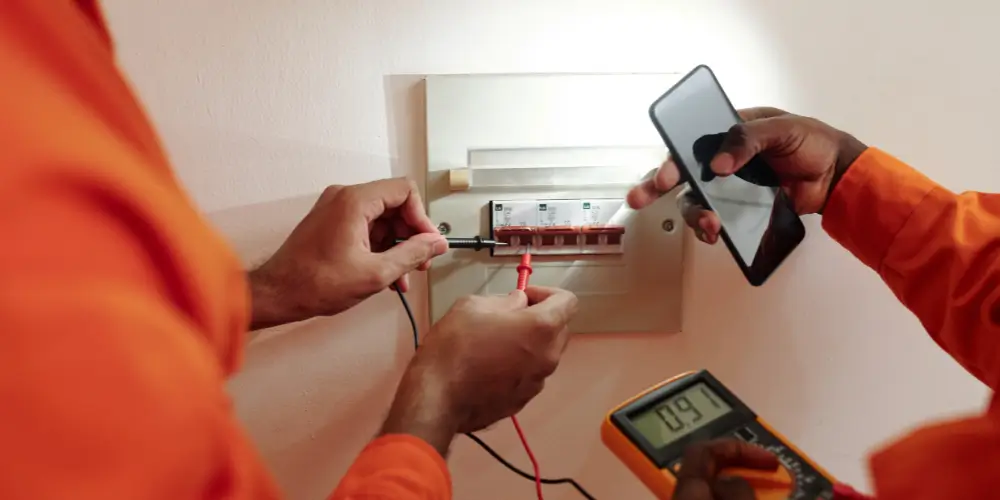
Next, you must rely on qualified electricians to conduct the tests. These professionals use advanced testing equipment to evaluate your electrical systems meticulously. This step isn’t just about compliance; it’s about ensuring every member of your space is safe from electrical risks. The equipment used is designed to detect errors that mightn’t be visible during initial inspections.
Furthermore, the testing process includes a series of checks that assess circuit integrity, insulation effectiveness, and device functionality. Each of these aspects is essential in maintaining the integrity of your electrical installation. Remember, the goal here isn’t just to pass an inspection but to foster a safe living or working environment.
Initial Visual Inspections
Initial visual inspections are the critical first step in the EICR test procedure. During these inspections, you scrutinise the visible components of your electrical installations.
This phase is fundamental, ensuring that all further testing is based on a solid understanding of your system’s visible state.
It’s your first line of defence in identifying any potential issues that could compromise safety and compliance.
During these inspections, you’re not just looking; you’re analysing each component against stringent safety standards and electrical codes.
Compliance with these regulations isn’t just about following rules—it’s about ensuring a safe environment for everyone involved.
Here’s what you should focus on during the initial visual inspection:
- Compliance with Electrical Codes: Check if installations meet the current standards. Note any deviations, as these can indicate areas of concern.
- Safety Standards Implementation: Examine safety devices, grounding systems, and other safety-related installations for proper functionality and condition.
- Identification of Common Issues: Look for signs of wear, damage, or outdated components that pose risks.
What Happens During an EICR Test?
Following the initial visual inspections, the EICR test progresses into a more detailed and systematic examination of your electrical systems. This phase is vital as it moves beyond mere observation to test the integrity and safety of your electrical installations actively.
This involves several important assessments a certified professional performs, addressing regulatory requirements and safety concerns.
A common misconception is that DIY inspections can substitute for a professional EICR; however, without the necessary qualifications, such efforts might overlook subtle yet significant issues like potential electrical failures. The importance of certification can’t be overstated it guarantees that the professional handling your EICR is equipped with the latest knowledge and tools to perform the test accurately.
Testing frequency is another key aspect. Regulatory guidelines dictate the intervals at which these tests should be conducted, typically ranging from every five years for residential properties to more frequent checks for commercial spaces.
Adhering to these timelines is essential for maintaining the safety and functionality of your electrical systems.
Cost considerations also come into play. While it might be tempting to skimp on professional fees, the financial burden of unresolved electrical issues can far outweigh the initial expense of a thorough and competent EICR.
Remember, this is about protecting your home, your business, and most importantly, the lives of those within them from potential electrical hazards.
Ultimately, an EICR isn’t just a procedural formality it’s a fundamental practice that protects electrical installations’ ongoing safety and efficiency and aligns with professional standards and regulatory mandates.
Inspecting Circuit Boards
Inspecting circuit boards is a vital step in the EICR process. It requires meticulous attention to detail and a thorough understanding of electrical standards.
You must examine various aspects to guarantee the system’s safety and functionality. Let’s explore what you specifically should focus on:
Circuit Layout and Trace Routing
Begin by examining the overall layout of the circuit board. Every trace routing must be scrutinised to guarantee no shorts or unintended pathways. This includes checking the distance between traces for adherence to voltage levels and confirming there’s no risk of electrical.
Solder Joints and Component Integrity
Inspect each solder joint to confirm they’re well-formed and free of cracks or cold-soldered points, which can lead to circuit failures. Every component’s integrity is essential; look for signs of damage or ageing that might compromise the board’s functionality or safety.
Board Cleanliness and Thermal Analysis
Confirm that the board is free from dust and other contaminants affecting circuit performance. Use thermal analysis tools to check for hot spots on the board. These can indicate overloaded circuits or potential failures, particularly in areas around power regulators.
Through these steps, you’re not just performing a routine check but guaranteeing that each circuit board you inspect meets the highest electrical safety and efficiency standards.
Assessing Wiring Systems
Evaluating wiring systems is often an important part of the EICR test procedure, demanding a keen eye for detail and a strong grasp of electrical safety standards.
You’re tasked with confirming that all wiring adheres strictly to updated wiring standards and electrical codes, vital for maintaining safety and functionality in any building.
Your assessment begins with a thorough review of the installation guidelines followed during the initial setup. Were these guidelines meticulously adhered to? It’s your job to verify this.
You’ll check for compliance with the latest safety regulations, focusing on circuit integrity and load capacity. This guarantees the system can handle the electrical load demanded without risk of overload or failure.
Next, you’ll measure insulation resistance, a critical factor in preventing electrical shocks and fires. This involves applying a test voltage to various parts of the wiring system and measuring how well the insulation resists current flow.
Poor results could indicate ageing or damaged insulation, necessitating prompt intervention.
Ongoing maintenance practices also fall under your scrutiny. Are the recommended maintenance schedules being followed?
This prolongs the electrical system’s life and guarantees that it operates safely over time. Regular checks and balances, timely system updates, and adherence to proven maintenance protocols help avert potential electrical failures.

Identifying Potential Hazards
You’ll next focus on identifying potential hazards within the electrical system, a critical step in guaranteeing the building’s overall safety.
Understanding and effectively applying hazard identification techniques is crucial for strengthening the safety culture within your team.
When tackling this phase, consider the various facets of your electrical system and how each component can become a risk factor.
Implementing thorough risk assessment methods will help you pinpoint areas that require immediate attention. This proactive approach is integral in preventing incidents related to electrical shock risks and fire hazards.
Use safety equipment to safeguard yourself and your team during this investigative process. It’s not just about compliance; it’s about creating a secure environment where safety is prioritised.
With these practices in place, you’re pursuing operational efficiency and guaranteeing that environmental hazard considerations are met.
Here are three key areas you should focus on to optimise your hazard identification process:
- Common Electrical Hazards: Identify loose connections, frayed wires, and overloaded circuits. These are primary contributors to electrical fires and should be addressed promptly.
- Maintenance Safety Practices: Regularly scheduled inspections and maintenance are critical. Confirm that all safety protocols are followed to reduce risks associated with outdated or malfunctioning equipment.
- Fire Hazard Prevention: Check for improper storage of flammable materials near electrical sources. Effective segregation and storage practices can greatly mitigate this risk.
Documenting Compliance Issues
After identifying potential hazards, meticulously document any compliance issues encountered. This step is essential for ensuring safety and complying with regulatory standards that govern electrical installations.
You’ll find that precise record-keeping is foundational to maintaining accountability and facilitating future inspections.
As you record these issues, adhere strictly to established documentation practices. This involves detailing every compliance deviation in line with the relevant electrical codes.
It’s imperative to use inspection checklists tailored to the specific regulatory standards applicable to your project. These checklists are a thorough guide, ensuring no compliance aspect is overlooked. They typically include items related to wiring integrity, proper connections, and the functionality of safety systems.
Moreover, your documentation must align with reporting requirements set by oversight bodies. This includes noting the irregularities and describing the potential risks of these non-compliances.
Doing so provides a clear pathway for remedial measures to be planned and implemented effectively.
Incorporate all safety protocols in your documentation. This will demonstrate a proactive approach to safety management, which is vital for fostering a sense of belonging among team members who must feel they’re part of a safe and compliant work environment.
Reviewing Test Results
How do you interpret the data gathered from your EICR test? Understanding your EICR test results is vital for guaranteeing your electrical systems comply with rigorous electrical standards. The test result analysis isn’t just about identifying compliance; it’s about guaranteeing safety and reliability within your electrical installations. Here’s how you can break down the findings:
Understand the Rating System
Each aspect of your electrical system is given a code: C1 indicates immediate danger, C2 potential danger, and C3 for recommended improvements. FI indicates that further investigation is necessary. This helps prioritise the issues.
Identify Common
Issues
Commonly found issues like inadequate earthing or bonding and overloaded circuits are flagged. These can pose significant risks if not addressed promptly. Interpreting these findings accurately guarantees that corrective measures can be effectively planned.
Review Reporting
Formats
EICR tests should be documented in a standardised format that lists each circuit and its corresponding observations. This format helps in systematic follow-up actions and records for future assessments.
The importance of testing can’t be overstated it’s your frontline defence against potential electrical failures. After interpreting the findings, the next step involves detailed planning for rectifying faults.
How EICR Tests Ensure Electrical Safety
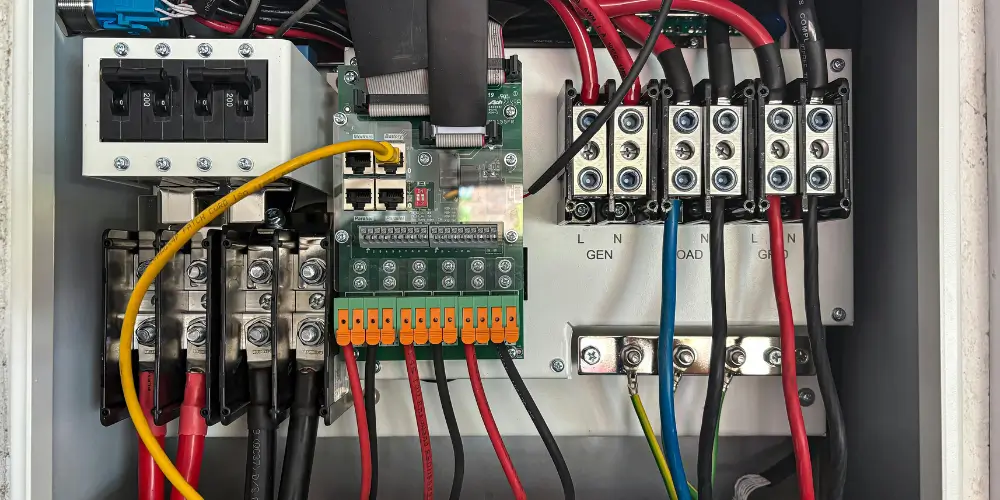
EICR tests are a vital safeguard in maintaining the integrity of your electrical installations. By adhering to stringent electrical standards and safety regulations, these inspections guarantee that your home or business isn’t just compliant and secure from potential electrical hazards. Understanding the importance of EICR can help you appreciate why it’s more than just a procedural necessity.
The process involves detailed risk assessments conducted by certified professionals. These experts scrutinise every aspect of your electrical system, identifying any defects or deviations from the current standards. Their findings aren’t just a checklist but a roadmap to guaranteeing safety and compliance benefits. You must be aware of your responsibilities as a homeowner to facilitate these inspections and follow up on the recommendations.
Here’s how the EICR guarantees safety and compliance:
| Factor | Role in Safety | Impact on Compliance |
| Testing Frequency | Prevents deterioration | Guarantees regular review |
| Risk Assessments | Identifies hazards | Guides corrective actions |
| Certification Process | Validates safety measures | Provides legal assurance |
| Electrical Standards | Aligns with the latest tech | Upholds quality and safety |
| Compliance Benefits | Reduces legal risks | Enhances property value |
Frequently Asked Questions
Can I Remain in My Home During the EICR Test?
You can stay in your house while it’s tested to ensure electrical safety and prepare for minor disruptions. Regular inspections and understanding tenant rights reduce common issues and unexpected costs.
How Often Should EICR Tests Be Conducted?
You should have EICR tests conducted every 3-5 years, depending on property type. Landlord responsibilities mandate adherence to safety regulations, ensuring tenant rights and electrical safety through regular inspection intervals and certification processes.
What Qualifications Must a Technician Have to Perform EICR Tests?
You’ll need rigorous technician training, certification in electrical safety, and a deep understanding of compliance regulations and inspection standards. Mastery of testing equipment, industry best practices, and report interpretation is essential for success.
Will the EICR Test Disrupt My Daily Electricity Usage?
Your daily electricity usage will likely face minimal disruptions during the EICR process. The testing duration is brief, and the technician’s clear communication will help manage homeowner responsibilities efficiently.
Are EICR Tests Mandatory for All Types of Properties?
EICR tests aren’t mandatory for all property types. Still, they’re essential for meeting safety standards, especially in commercial properties and rental dwellings, where landlord responsibilities and tenant rights dictate frequent inspections to fulfil legal obligations.
