
The correct EICR code is usually FI, not F1.
On an Electrical Installation Condition Report, FI means Further Investigation Required. It is one of several EICR code examples used when the electrician cannot confirm whether an electrical issue is safe or unsafe without carrying out more investigation.
Some people read or type FI as F1, especially when the letters are small on a report. But in standard EICR coding, the recognised code is FI.
In simple terms:
- FI means further investigation required
- FI usually makes the EICR unsatisfactory until investigated
- FI is not the same as C1, C2 or C3
- FI means the electrician needs more evidence before giving a final safety conclusion
- F1 is usually a mistaken way of writing FI
Key Takeaways
- The correct EICR code is usually FI, not F1.
- FI means Further Investigation Required.
- FI is used when the electrician cannot confirm safety without more checks.
- FI usually makes an EICR unsatisfactory until the issue is investigated.
- FI is different from C1, C2 and C3.
- Common FI reasons include inaccessible circuits, unclear test results, suspected faults, hidden wiring issues and circuits that cannot be verified.
- For rented properties, landlords must arrange further investigation where FI is recorded.
- FI means the risk needs investigation before the final condition can be confirmed.
Table of Contents
Quick Answer: EICR F1 or FI Code?
| Question | Answer |
|---|---|
| Is it F1 or FI on an EICR? | Usually FI |
| What does FI mean? | Further Investigation Required |
| Does FI fail an EICR? | Usually yes, until investigated |
| Is FI the same as C1? | No |
| Is FI the same as C2? | No |
| Can FI become C1, C2 or C3 later? | Yes, after investigation |
| Should landlords ignore FI? | No |
| Does FI need urgent action? | It should be investigated without delay |
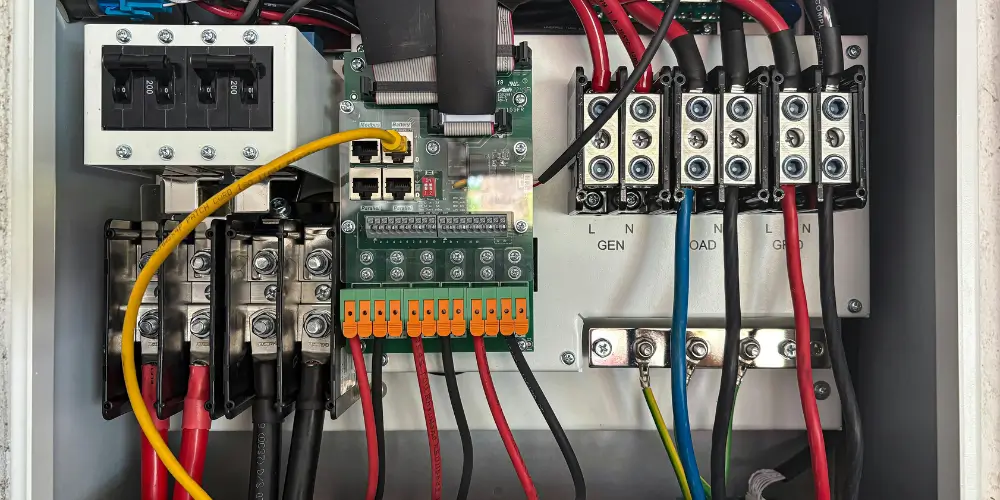
What Does FI Mean on an EICR?
FI means the electrician needs further investigation before deciding whether the installation is safe for continued use.
FI may be used where:
- a circuit cannot be fully tested
- wiring is hidden or inaccessible
- test results are unusual
- a fault is suspected but not confirmed
- the electrician cannot identify a circuit
- there may be a borrowed neutral
- RCD tripping needs further diagnosis
- overheating signs need deeper inspection
- previous electrical alterations cannot be verified
- access limitations stop proper inspection
FI does not always mean immediate danger, but it does mean the report cannot be treated as fully clear until the issue is investigated.
Electrical Safety First explains that EICR observations are classified us ing standard codes including C1, C2, C3 and FI, with FI meaning Further investigation required.

Is F1 a Real EICR Code?
In most EICR reports, F1 is not the standard code.
The standard code is FI, which stands for Further Investigation Required.
People may search for “EICR F1 code” because:
FI looks like F1 on a report
the letter “I” is mistaken for number “1”
the report font is unclear
the report was typed incorrectly
the person is unfamiliar with EICR codes
If your report says F1, ask the electrician to confirm whether they mean FI.
FI vs C1, C2 and C3
| Code | Meaning | EICR Result |
|---|---|---|
| C1 | Danger present | Unsatisfactory; make safe immediately |
| C2 | Potentially dangerous | Unsatisfactory; urgent remedial work required |
| C3 | Improvement recommended | Usually satisfactory if no C1, C2 or FI |
| FI | Further investigation required | Unsatisfactory until investigated |

How Long Does It Take to Resolve an F1 Code?
The resolution time for an EICR F1 code can vary considerably, influenced by multiple factors, including the complexity of the underlying electrical issue and the availability of qualified personnel.
For landlords and homeowners, the urgency of addressing an F1 code is paramount, not only for compliance with safety regulations but also to guarantee the uninterrupted functionality of the property’s electrical systems.
A thorough investigation and swift action are critical in reducing potential risks and minimising downtime.
Factors That Affect Investigation Time
Resolution time for an EICR F1 code can vary greatly depending on several critical factors. The investigation duration is primarily influenced by the complexity of the electrical system and the specific issues denoted by the F1 code, which indicates a potentially dangerous condition requiring immediate attention.
Accurately predicting the time frame for resolving such issues involves an understanding of various elements:
Testing Equipment
The sophistication and capability of the testing equipment used can greatly expedite the diagnostic process. Advanced tools allow for more precise and quicker identification of faults within the system.
Inspector Experience
An inspector’s proficiency and familiarity with similar electrical systems play a major role. Experienced inspectors can more quickly interpret test results and identify the root causes of the F1 code.
Environmental Factors
Conditions such as the installation’s accessibility, weather conditions, and workspace limitations can affect the speed of the investigation. Adverse conditions may hinder the inspector’s.
Understanding these factors is essential for setting realistic expectations regarding the timeframe for addressing and rectifying an EICR F1 code, ensuring both safety and compliance with electrical standards.
Urgency for Landlords and Homeowners
Understanding the factors that affect investigation time sets the stage for comprehending the urgency with which landlords and homeowners must address an EICR F1 code. Resolving this code is essential, primarily due to the stringent compliance regulations surrounding electrical safety in residential properties.
The duration for resolving an F1 fault can vary considerably, influenced by the complexity of the underlying electrical issue, the availability of qualified electricians, and the quickness with which property inspections are scheduled.
Landlord responsibilities dictate that any F1 code, a serious indication of potential electrical danger, must be rectified promptly to lessen risks to tenants and uphold legal obligations. Similarly, homeowner obligations emphasise swift addressing of such issues to guarantee personal safety and property integrity.
Typically, completing necessary repairs following an F1 detection can take from a few hours to several days, depending on the severity of the fault and the efficiency of the response.
Effective management of this process demands an understanding of electrical safety protocols and active engagement with skilled professionals. Both landlords and homeowners need to initiate immediate action upon detection of an F1 code to align with property inspection standards and compliance regulations, thereby safeguarding occupants and their investments.
Is an F1 Code a Serious Issue?
The severity of an EICR F1 code can vary greatly depending on its context; it may signal an imminent hazard or merely act as a precautionary alert.
When the F1 code is triggered by systemic faults that could threaten the safety of electrical installations, urgent attention and remedial action are demanded to mitigate potential risks.
Conversely, suppose the F1 code arises from minor discrepancies that do not immediately compromise safety. In that case, it serves more as a caution to review and monitor the system rather than an indicator of critical failure.
When It Indicates a Potential Hazard
When an F1 code appears on your device, it often signals a notable issue that requires immediate attention. This code is generally an indicator of potential hazards that could compromise electrical safety. Understanding the implications of an F1 code is essential for maintaining system integrity and ensuring compliance with safety standards.
In the context of electrical installations, the emergence of an F1 code necessitates a thorough risk assessment. This involves:
- Circuit Inspections: Detailed examination of the electrical circuits to identify any signs of overloading or damage that could precipitate safety risks.
- Compliance Requirements: Ensuring that all components and the overall electrical system adhere to local and international electrical safety regulations.
- Potential Hazards Identification: Systematically identifying areas where the risk of electrical faults, such as short circuits or ground faults, is high, thereby preventing possible accidents or equipment failures.
Each of these steps is integral to mitigating the risks associated with an F1 code. Ignoring such warnings can lead to severe consequences, including electrical fires, system failures, or even personal injury.
Prompt attention to these alerts greatly enhances safety and operational reliability.
When It’s Just a Precautionary Measure
While an F1 code often signals a potentially serious issue, it is also employed as a precautionary measure to prompt a thorough inspection before a real problem develops. This application of the F1 code is essential in the domain of electrical safety, acting as an early warning system designed to mitigate risk and guarantee proactive maintenance.
Incorporating such codes into regular inspection protocols allows for a systematic approach to risk assessment. By identifying potential hazards early, property managers and electrical contractors can address issues before they escalate into more significant problems.
This level of vigilance is particularly important in multi-tenant environments, where the scope for electrical faults could be more extensive due to the varied usage patterns across different units.
Moreover, using the F1 code as a precautionary tool enhances tenant awareness about the importance of electrical safety. Educating tenants on what such codes entail, and the actions they trigger can foster a more safety-conscious environment.
This shared responsibility model improves safety outcomes and aligns with regulatory compliance, guaranteeing that all stakeholders understand their role in maintaining a safe electrical system.

Legal and Compliance Considerations
Understanding the legal and compliance implications of the EICR F1 code is critical for both landlords and homeowners to guarantee adherence to electrical safety regulations.
Landlords must be aware that non-compliance with F1 findings can lead to significant legal repercussions, including penalties and jeopardised tenant safety.
Homeowners, on the other hand, must recognise their responsibility to rectify F1 code issues promptly to maintain the safety and integrity of their electrical installations.
What Landlords Need to Know About F1
For landlords managing residential properties, understanding the F1 code within the Electrical Installation Condition Report (EICR) is essential for ensuring compliance with legal safety standards. This code indicates potential flaws that do not pose an immediate danger but require corrective action to meet compliance standards.
Landlords must be meticulous in addressing these issues to safeguard tenant rights and adhere to landlord responsibilities.
Key considerations include:
- Electrical Safety: Ensuring all electrical installations are safe and well-maintained is a core obligation. The F1 code helps identify areas where safety can be enhanced before they escalate into severe hazards.
- Inspection Protocols: Regular and thorough inspections are mandatory. Landlords should establish a routine that aligns with legal requirements, ensuring that a qualified professional examines all electrical systems.
- Compliance Standards: Adherence to regional and national electrical standards is non-negotiable. The F1 code serves as a preemptive measure to assist landlords in maintaining these standards and avoiding legal repercussions.
Homeowner Responsibilities for Electrical Safety
Homeowners bear a significant responsibility in guaranteeing the electrical safety of their properties. This duty parallels the obligations faced by landlords, yet is tailored to the nuances of private residence management. It encompasses a spectrum of homeowner obligations, from routine inspections to adherence to stringent compliance requirements.
The overarching goal is to mitigate risk and safeguard occupants through proactive risk management and maintenance practices.
Electrical safety, in the context of homeowner responsibilities, involves regular assessments of the electrical system to identify and rectify potential hazards like outdated wiring or malfunctioning circuit breakers. Compliance requirements dictate that these inspections must align with national safety codes and local regulations, which often stipulate the frequency and scope of these evaluations.
Homeowners must guarantee that any modifications or repairs to the electrical system are carried out by certified professionals, thereby maintaining the integrity of their electrical infrastructure.
Effective risk management strategies include installing residual-current devices (RCDs) and regularly testing smoke detectors, which are critical in preventing electrical fires.
Through diligent application of these maintenance practices, homeowners not only comply with legal standards but also enhance the overall safety and value of their property.
What are the common reasons for getting an F1 code?
The issuance of an F1 code in an EICR (Electrical Installation Condition Report) typically signifies specific impediments to a thorough inspection, primarily due to inaccessible wiring or fuse boards.
Such obstructions often stem from unknown circuit conditions or a lack of appropriate testing access, which hinders the ability to conduct a complete assessment of the electrical system’s safety.
Additionally, the F1 code may be applied when suspected faults cannot be confirmed without further intrusive investigation, necessitating a cautious approach to maintaining system integrity and safety.
Inaccessible wiring or fuse boards
Inaccessible wiring or fuse boards often trigger an F1 code, a common diagnostic alert in electrical inspection and testing order. This issue is critical as it impairs the ability to perform thorough inspections and guarantees compliance with safety standards.
When wiring or components are not readily accessible, inspectors cannot verify the continuity and integrity of electrical connections, increasing the risk of undetected hazards.
Key challenges associated with inaccessible wiring or fuse boards include:
- Safety Compliance: The inability to access these areas can lead to non-compliance with electrical safety regulations, potentially resulting in legal and financial consequences.
- Hazard Identification: Concealed wiring complicates the process of identifying potential electrical hazards, such as frayed wires or poor connections, which are parent to more severe issues like electrical fires.
- Fuse Board Issues: Specific problems related to fuse boards, such as outdated designs or improper installations, are often missed during electrical inspections due to inaccessibility, thereby compromising the overall safety of the electrical system.
Addressing these issues requires a strategic approach involving the redesign of electrical setups to improve accessibility and guarantee that all components meet current safety standards and are fully inspectable.
Unknown circuit conditions
Unknown circuit conditions frequently trigger an F1 code during electrical inspections. This code often highlights a significant gap in the understanding and documentation of electrical systems, necessitating a rigorous assessment through advanced circuit testing techniques.
These techniques are vital for diagnosing issues that are not immediately apparent, providing a systematic approach to uncovering hidden variations that may compromise electrical safety protocols.
The clarity of the inspection report is paramount. It should meticulously detail any deviations from expected circuit behaviour, supported by data accumulated through precise compliance verification methods.
These methods guarantee that every component of the electrical system adheres to current safety standards, flagging areas where compliance is not met.
Moreover, the complexity of modern electrical systems can introduce wiring accessibility challenges. These challenges hinder straightforward inspection and can hide potential hazards, making it difficult to ascertain the true condition of the circuit without thorough testing and analysis.
Addressing these unknowns is vital for maintaining system integrity and safety, reinforcing the necessity of a methodical approach to both identifying and resolving issues indicated by an F1 code.
Such diligence supports the overarching goal of safeguarding both property and lives against electrical failures.
Lack of proper testing access
While exploring the multiple reasons for activating an F1 code, it becomes apparent that a lack of proper testing access frequently emerges as a critical factor. This issue primarily stems from several systemic and situational hindrances that complicate the execution of extensive electrical assessments and adherence to established inspection protocols.
Access
Limitations
Physical barriers or architectural constraints often limit the accessibility of key electrical components. This can severely restrict the thoroughness of testing procedures, leading to potential oversight of critical issues.
Compliance
Challenges
In many instances, facilities may not be up to date with current standards or may have modifications that do not comply with the latest safety regulations. These discrepancies can impede proper inspection and testing, resulting in the issuance.
Inspection Protocol Rigidity
Some inspection protocols are rigid and may not account for unique or non-standard installations, necessitating a more flexible approach to testing practices. This inflexibility can prevent effective assessment and accurate diagnosis of electrical.
Addressing these factors requires a careful approach to guaranteeing that testing and inspection efforts are thorough and adaptable to the complexities of modern electrical installations.
Suspected but unconfirmed faults
Addressing the issues of access limitations and compliance challenges sheds light on another significant aspect of diagnosing electrical anomalies, specifically the occurrence of suspected but unconfirmed faults that trigger an F1 code.
These faults often arise from suspected wiring issues where visual or physical access is restricted, preventing a conclusive verification of the system’s integrity. Unverified circuit conditions further complicate diagnostics, leading to ambiguous testing results that are insufficient for a definitive assessment.
The ambiguity inherent in these situations necessitates a cautious approach. Technicians encounter potential hazard signs, such as inconsistent voltage readings or irregular power supply fluctuations, that suggest underlying problems yet remain elusive without thorough investigation. The presence of such indicators typically prompts the issuance of an F1 code, signalling the need for a more detailed evaluation.
Moreover, incomplete electrical inspections contribute to the challenge, as they may overlook critical aspects due to time constraints or technical limitations.
This often results in the documentation of unconfirmed faults, requiring subsequent review under more controlled or enhanced testing conditions to isolate and rectify the root cause of the electrical discrepancies observed.
How long does it take to resolve an F1 code?
Resolving an F1 code, a common fault indicator in electrical systems, typically requires a variable amount of time, largely dependent on the complexity of the underlying issue and the expertise of the technician. The investigation duration can extend considerably when the fault is intermittent or not well-documented in error logs.
Technicians must first accurately identify the root cause, which involves a precise review of the installation and its components. The resolution expectations hinge on the nature of the fault whether it’s a simple wiring issue or a more complex circuit failure.
Several factors influence the timeline for resolving an F1 code:
- Delay Factors: Environmental conditions, system accessibility, and the specific nature of the fault can all add layers of complexity, leading to extended resolution times.
- Technician Availability: Qualified technicians with the necessary expertise to diagnose and rectify faults are essential. Limited availability can result in scheduling delays.
- Report Accuracy: The precision of the initial fault report greatly impacts the speed of resolution. Inaccurate or incomplete initial diagnostics can lead to misdirected repair efforts, thereby prolonging the process.
Given these variables, resolution can range from a few hours to several days. Stakeholders should maintain flexible expectations for resolution and plan for potential delays.
Ensuring that all initial reports are thorough and precise can streamline the resolution process, making it as efficient as possible while upholding the standards of electrical safety and compliance.

Can You rent out or sell a property with an F1 code?
Although it is technically possible to rent out or sell a property with an F1 code present in the electrical system, doing so could entail legal and ethical ramifications that require careful consideration. The F1 code indicates a potentially dangerous condition that demands urgent remediation.
From a legal perspective, the implications of ignoring such a warning are significant. Property owners are mandated by law to guarantee that their premises meet specific safety standards before being leased or sold. This includes compliance with electrical safety regulations, which are rigorously enforced to protect tenant rights and guarantee occupant safety.
Selling a property with an unresolved F1 code may lead to violations of disclosure requirements. Sellers are generally obligated to inform potential buyers of any known defects in the property, including issues highlighted by an Electrical Installation Condition Report (EICR). Failure to disclose such defects can result in legal actions for misrepresentation or fraud.
Similarly, landlords must adhere to stringent inspection requirements for property rentals. Renting out a property without resolving an F1 fault could be seen as neglect of landlord duties, potentially leading to legal repercussions, including fines or more severe penalties if the defect leads to an incident.
Additionally, tenant rights are vigorously protected under property law, particularly with regard to their right to a safe and habitable living environment.
Frequently Asked Questions
What does EICR F1 mean?
In most cases, “F1” is a mistaken reading of FI. FI means Further Investigation Required.
Is F1 a real EICR code?
The standard EICR code is usually FI, not F1.
What does FI mean on an EICR?
FI means the electrician needs further investigation before confirming whether the installation is safe.
Does FI fail an EICR?
Yes. FI usually makes an EICR unsatisfactory until the further investigation is completed.
Is FI the same as C2?
No. C2 means potentially dangerous. FI means the issue needs more investigation before the final safety condition can be confirmed.
What happens after FI is investigated?
After investigation, the issue may be cleared or classified as C1, C2, C3, or repaired and confirmed safe.
Can a landlord rent with FI on an EICR?
A landlord should not ignore FI. Further investigation should be arranged and written confirmation should be kept.
Can I fix an FI code myself?
No. FI should be investigated by a competent electrician because it may involve hidden faults or unsafe electrical conditions.