
A C2 code on an EICR means the electrician has found a potentially dangerous electrical issue. It is not the same as C1 immediate danger, but it still needs urgent remedial action.
A C2 observation usually means the Electrical Installation Condition Report will be marked unsatisfactory until the issue is corrected.
Common C2 issues include serious earthing or bonding problems, damaged wiring, unsafe consumer unit defects, missing protection where risk is significant, exposed conductive parts, overheating signs or other electrical faults that could become dangerous if left unresolved.
In simple terms: C2 means the installation is not safe enough to ignore. It needs a competent electrician to fix it urgently.
Last Updated: 2026
Reviewed By: London Safety Certificate Compliance Team
Key Takeaways
- C2 means potentially dangerous on an EICR.
- A C2 code usually makes the EICR unsatisfactory.
- C2 is serious, but it is not the same as C1 danger present.
- C2 faults need urgent remedial action by a competent electrician.
- Common C2 faults include earthing issues, damaged insulation, overheating signs, exposed parts, unsafe consumer unit defects and missing protection where risk is significant.
- For rented properties, remedial work must usually be completed within 28 days, or sooner if the report states.
- C3 is different because it means improvement recommended and does not usually fail the report by itself.
- Landlords should keep written confirmation after C2 remedial work is completed.
Table of Contents
Quick Answer: What Does C2 Mean on an EICR?
| Question | Answer |
|---|---|
| What does C2 mean? | Potentially dangerous |
| Is C2 an EICR fail? | Yes, it usually makes the report unsatisfactory |
| Is C2 worse than C3? | Yes |
| Is C2 the same as C1? | No, C1 is immediate danger |
| Does C2 need urgent repair? | Yes |
| Can a landlord ignore C2? | No |
| Can a tenant move in with C2 issues? | Not recommended; remedial work should be completed first |
| How long to fix C2? | For rentals, usually within 28 days or sooner if stated |
What Does a C2 Code Mean in an EICR?
In an Electrical Installation Condition Report (EICR), the designation of a C2 code indicates a potentially dangerous condition that requires urgent attention.
This code implies that, while not posing an immediate danger, the identified issue could become a serious safety hazard if not addressed promptly.
Property owners and facility managers must prioritise the rectification of any C2 findings to guarantee compliance with electrical safety regulations and maintain a safe environment.
Definition of C2 in Electrical Inspections
When conducting an Electrical Installation Condition Report (EICR), the designation of a C2 code indicates a potentially dangerous condition that, while not posing an immediate threat, requires urgent attention to prevent future risks.
This classification underscores the urgency of rectifying certain faults that could evolve into serious hazards. The significance of the C2 classification lies in its role as a critical alert within compliance enforcement measures, signalling that the safety integrity of the electrical installation could be compromised if the issue is not addressed in a timely manner.
Electrical safety standards mandate that any C2 finding must be prioritised to mitigate risks associated with electrical faults.
Inspection reporting guidelines require that these observations be clearly documented, detailing the specific nature of the risk and the recommended corrective actions. This guarantees that all parties involved are adequately informed about the potential dangers and the necessary steps to rectify them.
Moreover, risk assessment procedures are integral to determining the classification of an electrical fault as C2.
These procedures evaluate the likelihood and severity of harm that could result from the identified condition, guiding the enforcement of appropriate remedial measures.
Consequently, a C2 code not only highlights an existing issue but also serves as a directive for urgent corrective action to uphold safety and compliance.
Importance of Addressing C2 Codes Promptly
Understanding the implications of a C2 code in an Electrical Installation Condition Report (EICR) requires immediate attention due to the potential harm that could escalate if not addressed promptly. A C2 code signifies that an identified hazard poses a potential danger and requires urgent remedial action to guarantee safety. This classification underscores the essential nature of maintaining electrical safety awareness and preventing any adverse outcomes that could arise from negligence.
Addressing a C2 code promptly is important for safety and regulatory compliance. Failure to act could result in violations of safety regulations, leading to legal and financial consequences. Additionally, the presence of unresolved C2 issues can greatly impact insurance implications, as insurers may view the unaddressed electrical defects as increased risks, potentially leading to higher premiums or denial of claims.
In addition, prompt resolution of these electrical defects is essential for property value preservation. Potential buyers or tenants often consider the electrical system’s condition as a vital factor in their decision-making process. Consequently, addressing C2 codes swiftly guarantees the integrity and appeal of the property, safeguarding the owner’s investment and maintaining compliance with industry standards.
Examples of C2 Electrical Faults
| C2 Fault Example | Why It May Be C2 |
|---|---|
| Inadequate earthing or bonding | Fault current may not clear safely |
| Damaged cable insulation | Risk of shock, short circuit or fire |
| Exposed conductive parts | Shock risk may be present |
| Missing consumer unit blanks | Live parts may become accessible |
| Signs of overheating in consumer unit | Fire risk may be developing |
| Loose or damaged connections | Can lead to overheating or arcing |
| RCD not operating correctly | Fault protection may not work as intended |
| No RCD protection where risk is significant | Increased shock risk in certain situations |
| Borrowed neutral | Unsafe isolation and shock risk |
| Damaged accessories | Users may be exposed to electrical danger |
| Serious DIY electrical alterations | Installation may be unsafe or unverified |
| Incorrect protective device | Circuit may not be properly protected |
The final code depends on the electrician’s inspection, test results and professional judgement. Do not assume every example is automatically C2 in every property.
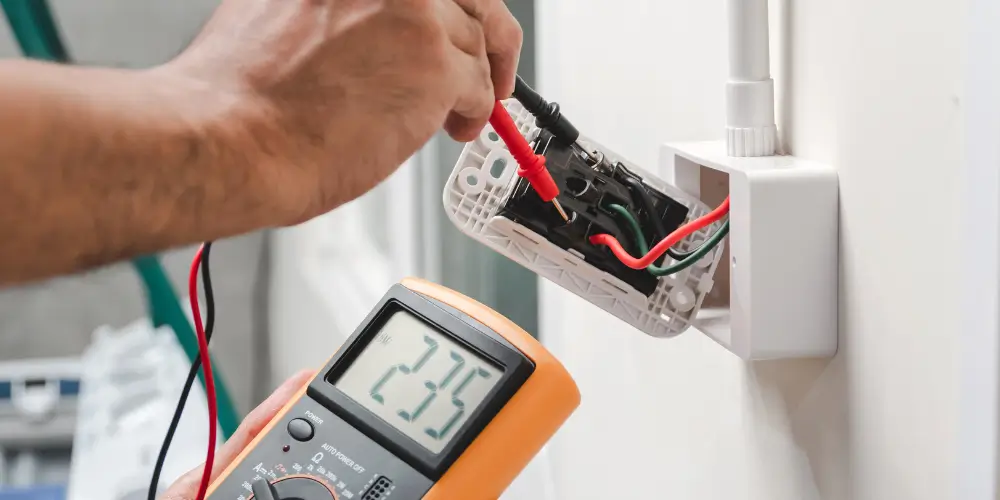
Implications of Receiving a C2 Code on Your EICR
Receiving a C2 code on an Electrical Installation Condition Report (EICR) indicates the presence of potentially dangerous electrical conditions that require immediate attention.
This classification automatically results in an unsatisfactory EICR, signalling urgent remedial actions to comply with electrical safety standards.
Failure to address these issues promptly not only violates regulatory requirements but also greatly increases the risk of electrical hazards, impacting both safety and legal accountability.
Does a C2 Code Result in an Unsatisfactory EICR?
When an Electrical Installation Condition Report (EICR) includes a C2 code, it indicates a potentially dangerous condition that requires urgent attention. This classification directly impacts the overall assessment of an electrical installation’s safety, often resulting in an unsatisfactory EICR outcome.
Understanding the gravity of a C2 code is vital for property owners and facility managers to guarantee compliance and safety.
A C2 code on an EICR signifies:
- Immediate and Compulsory Remedial Action: The identified defect poses a potential threat that could lead to harm if not addressed promptly, necessitating urgent remedial measures.
- EICR Compliance Importance: It is important to ensure that all aspects of the electrical installation adhere to national safety standards. A C2 code highlights areas that fall short of these standards.
- Impact on Property Insurance Requirements: Many insurance policies mandate compliance with all local electrical codes and may not cover incidents arising from known, unrectified electrical faults indicated by a C2 code.
The implications of a C2 code extend beyond immediate electrical safety awareness; they underscore the need for a thorough approach to remedial action strategies to maintain property integrity and compliance with regulatory requirements.
Failure to address such issues can greatly affect the usability and insurance status of the property.
Legal and Safety Consequences of Unaddressed C2 Issues
Ignoring a C2 code on an Electrical Installation Condition Report (EICR) can lead to serious legal and safety repercussions. A C2 classification indicates a potentially dangerous condition that requires urgent remediation.
Failure to address such issues not only poses significant safety risks but also exposes property owners to substantial legal liabilities. In jurisdictions with stringent electrical safety standards, non-compliance can result in penalties, fines, or even criminal charges if negligence leads to injury or death.
Furthermore, unresolved C2 issues can severely impact property value. Prospective buyers or tenants may be deterred by the inherent risks, leading to decreased marketability and potential financial loss.
This depreciation is particularly critical in competitive real estate markets where safety certifications strongly influence purchasing decisions.
Insurance claims may also be affected. Many policies stipulate compliance with all local electrical codes; hence, unresolved electrical faults might lead to denied claims in the event of damage or accidents linked to the fault.
Property owners and landlords must understand their landlord responsibilities. It is their responsibility to ensure that all electrical systems are safe and compliant to protect tenants and avoid potential litigation or insurance complications from unaddressed C2 findings.
Is a C2 a Fail on an EICR?
Yes. A C2 observation usually means the EICR is unsatisfactory.
NICEIC explains that if a C1, C2 or FI code is assigned to any observed issue, the EICR outcome will be unsatisfactory.
This means the issue must be corrected before the installation can be treated as satisfactory.
A C3 is different. C3 means improvement recommended and does not normally make the report unsatisfactory by itself. NICEIC guidance explains that EICR observations are classified using codes such as C1, C2, C3 and FI, with C2 meaning potentially dangerous and requiring urgent remedial work.
What Should You Do After a C2 EICR Code?
If your EICR has a C2 code:
- Read the report and identify each C2 observation.
- Check whether there are also C1 or FI items.
- Make any C1 danger safe immediately.
- Arrange remedial work with a competent electrician.
- Give access to all affected circuits and rooms.
- Ask for written confirmation after the work is completed.
- Keep all certificates, reports and invoices.
- Provide copies to tenants, agents or councils where required.
Do not attempt DIY repairs. A C2 means the issue is potentially dangerous and should be handled by a competent electrician.
Understanding the Difference Between C1, C2, and C3 Codes
The classification of EICR codes—C1, C2, and C3—plays a critical role in evaluating electrical safety. Each code denotes a specific severity level and necessitates distinct actions.
C1 indicates a condition likely to cause danger. It requires immediate remedial action, while C2 suggests potential danger and recommends urgent remedial measures.
C3, however, denotes that improvement is recommended but not urgently needed, allowing for planned interventions.
Severity Levels of EICR Codes Explained
Understanding the severity levels of Electrical Installation Condition Report (EICR) codes is essential for maintaining electrical safety and compliance with regulations. Each code reflects a specific level of urgency and necessary action related to the electrical installations assessed during EICR inspections.
This differentiation helps prioritise interventions and guarantees alignment with compliance standards.
- C1 Danger Present: This code indicates an immediate danger to property and life. It requires urgent attention as the risk of injury is high. Fault detection under this category signifies a severe oversight or degradation in the electrical system that compromises safety.
- C2 Potentially Dangerous: Here, the issue may not pose an immediate threat but could become a serious safety risk if not addressed in a timely manner. This category necessitates intervention soon to prevent deterioration into a more critical condition.
- C3 Improvement Recommended: Although this code does not imply direct or immediate danger, it points out non-compliance with current safety standards and suggests improvements. Addressing these issues enhances safety and system efficiency.
In essence, understanding these codes during EICR provides a structured approach to risk assessment, helping stakeholders manage and mitigate potential electrical hazards effectively.
Actions Required for Each EICR Code Classification
Addressing the issues identified by each EICR code classification requires specific actions tailored to the severity and urgency of the electrical safety concerns presented.
For C1, which indicates a condition that presents immediate danger, urgent corrective measures are mandatory. This encompasses disconnecting the compromised system until repairs guarantee compliance with the latest safety standards. Homeowners must prioritise these corrections to prevent potential hazards.
In cases of C2 classification, there is a potential risk, but it is not immediately dangerous. However, EICR compliance requirements still dictate that these issues should be addressed promptly to avoid escalation into more severe problems. Implementing appropriate electrical safety measures and adhering to common repair practices are essential to rectify these concerns.
Lastly, the C3 code suggests improvements that, while not urgent, would enhance safety. Compliance in these scenarios is more flexible, allowing homeowners time to plan and execute upgrades. This tier reflects homeowner responsibilities but does not require immediate action.
Inspection frequency of eicr recommendations must be strictly observed to maintain overall electrical safety. Regular assessments help identify risks early and align with regulatory mandates, thereby guaranteeing a safe living environment.
Each code’s action plan is integral to sustaining EICR compliance and safety.

How Long Does It Take to Fix a C2 EICR Fault?
The repair time depends on the fault.
Some C2 issues may be fixed quickly, but others can take longer to fix a C2 fault, depending on the type of defect, such as replacing a damaged accessory, fitting missing consumer unit blanks, correcting a loose connection or replacing a faulty protective device.
Other C2 issues can take longer, especially if they involve:
- consumer unit defects
- earthing or bonding problems
- damaged cables
- borrowed neutrals
- RCD or RCBO issues
- overloaded circuits
- inaccessible wiring
- multiple faults across the property
- further testing after remedial work
For landlords, the important compliance point is the 28-day rule, or sooner if the EICR report states a shorter timescale. For rented properties in England, GOV.UK guidance states that required remedial or investigative work must usually be completed within 28 days, or sooner where the report specifies a shorter period.
Importance of Addressing C2 Codes for Insurance Compliance
Addressing C2 codes in Electrical Installation Condition Reports (EICRs) is critical for maintaining compliance with property insurance requirements.
Failure to rectify C2 faults, which indicate potential danger, can invalidate insurance policies, exposing property owners to significant financial risks.
Ensuring these issues are resolved aligns with regulatory standards. It safeguards the interests of all stakeholders in property safety and insurance validity.
Impact of Electrical Safety on Property Insurance
Electrical safety frequently influences the terms and conditions of property insurance policies, particularly regarding compliance with electrical standards such as the EICR (Electrical Installation Condition Report) C2 codes.
Confirming that electrical installations meet these safety regulations is vital, as non-compliance can greatly impact various aspects of insurance coverage.
- Insurance Premiums: Properties with unresolved C2 codes are often viewed as higher risk, which can lead to increased insurance premiums. Insurers assess risk based on the likelihood of electrical faults, which pose a higher probability of incidents leading to claims.
- Policy Exclusions: Some insurance policies may include exclusions that limit coverage for damages caused by known but unrectified electrical defects. Failure to address C2 issues can lead to such exclusions, potentially resulting in considerable out-of-pocket expenses for the property owner in the event of an electrical incident.
- Claim Disputes: When accidents occur due to non-compliant electrical systems, insurers may dispute or deny claims. This could be particularly contentious if prior inspections identified C2 faults that were not remedied, underscoring the importance of rectifying such issues promptly to guarantee claim validity and avoid disputes.
Addressing EICR C2 codes is therefore essential for maintaining regulatory compliance, confirming safety, and optimising insurance coverage.
Ensuring Validity of Insurance Policies Through Compliance
Confirming the resolution of C2 codes not only enhances electrical safety but also solidifies the validity of insurance policies. Addressing these codes is critical in meeting safety standards and regulatory requirements that greatly impact insurance compliance. When electrical systems are not up to code, insurance companies may deem policies invalid due to increased risk, leading to potentially catastrophic financial consequences in the event of an electrical failure.
Compliance with electrical regulations is not merely about adherence. Still, it is a proactive risk assessment measure that preserves the integrity of both property and life. Insurance providers often require a periodic Electrical Installation Condition Report (EICR) to validate that electrical installations comply with the current regulations and that any C2 conditions—indicating potentially dangerous situations—are rectified promptly.
| Aspect | Detail | Importance |
| Policy Validation | Confirms policies are based on compliant and safe electrical systems. | Critical for coverage validity. |
| Risk Assessment | Identifies electrical risks that could void the insurance. | Essential for mitigating potential claims. |
| Regulatory Compliance | Adherence to national electrical standards. | Mandatory for legal and insurance purposes. |
| Safety Standards | Implementation of guidelines that prevent electrical hazards. | Fundamental for securing safety and compliance. |
Frequently Asked Questions
What does C2 mean on an EICR?
C2 means potentially dangerous. It indicates an electrical issue that needs urgent remedial action.
Is C2 a fail on an EICR?
Yes. A C2 observation usually makes the EICR unsatisfactory.
What are examples of C2 electrical faults?
Examples can include damaged wiring, inadequate earthing, missing consumer unit blanks, overheating signs, unsafe consumer unit defects, borrowed neutrals and exposed conductive parts.
Is C2 worse than C3?
Yes. C2 means potentially dangerous. C3 means improvement recommended.
Is C2 the same as C1?
No. C1 means danger is present and should be made safe immediately. C2 means potentially dangerous and needs urgent remedial action.
How long do landlords have to fix a C2 EICR?
For rented properties in England, landlords must usually complete remedial work within 28 days, or sooner if the report says.
Can I fix a C2 electrical fault myself?
No. C2 faults should be repaired by a competent electrician because they involve potentially dangerous electrical conditions.
Do you need a new EICR after fixing C2?
Not always. You need written confirmation that remedial work has been completed. In some cases, an updated or new EICR may be issued.
Conclusion:
A C2 code on an EICR means potentially dangerous. It usually makes the EICR unsatisfactory and requires urgent remedial action.
C2 is not the same as C1 immediate danger, but it should not be ignored. Common C2 issues include damaged wiring, inadequate earthing, unsafe consumer unit defects, overheating signs, exposed parts and missing protection where risk is significant.
For landlords, C2 remedial work must usually be completed within 28 days, or sooner if the report says. After the work is completed, written confirmation should be kept as compliance evidence.