
In the UK, fire extinguishers use coloured bands to show the extinguishing agent rather than the danger level. Red-bodied units with a cream band indicate foam or water for Class A (solids) and some Class B (liquids) fires. Blue bands mark dry powder for A, B and C fires; black denotes CO2 for electrical and flammable liquid fires. Green indicates water-only for Class A. Labels and class ratings remain essential; further details explain how to select correctly and use safely.
Key Takeaways
- UK extinguisher colour bands indicate the extinguishing agent, not the hazard severity.
- Red body with a cream band denotes foam extinguishers for Class A and B fires.
- Black-banded extinguishers contain CO2 and are suitable for electrical and flammable liquid (B) fires.
- Blue-banded extinguishers are dry-powder and effective on many classes (A, B, C), but leave residue.
- Green-banded extinguishers are water-only, intended for Class A fires involving solids.
Table of Contents
UK Colour Bands: What They Mean in Plain English
In the UK, the coloured bands on fire extinguishers indicate the extinguishing agent inside and its suitability for different fire types, not the extinguisher’s hazard level; a red body with a cream band denotes a foam extinguisher for Class A and B fires, black signifies CO2 for electrical and flammable liquid fires, blue marks dry powder for versatile use on most classes, and green indicates water for Class A fires only. Observers seeking autonomy appreciate direct guidance: colours convey necessary choices quickly, enabling individuals to act decisively. Maintenance personnel rely on bands to verify replacements and service records without opening units. Facilities managers use the scheme to align extinguisher placement with risk areas while preserving occupant freedom to respond. Training emphasises recognising bands, selecting an appropriate unit, and avoiding incompatible use that would compromise safety. The system balances clarity and practicality, enabling informed, independent action in emergencies without imposing complexity.
Colour Codes vs Fire Classes (A, B, C, F, Electrical)
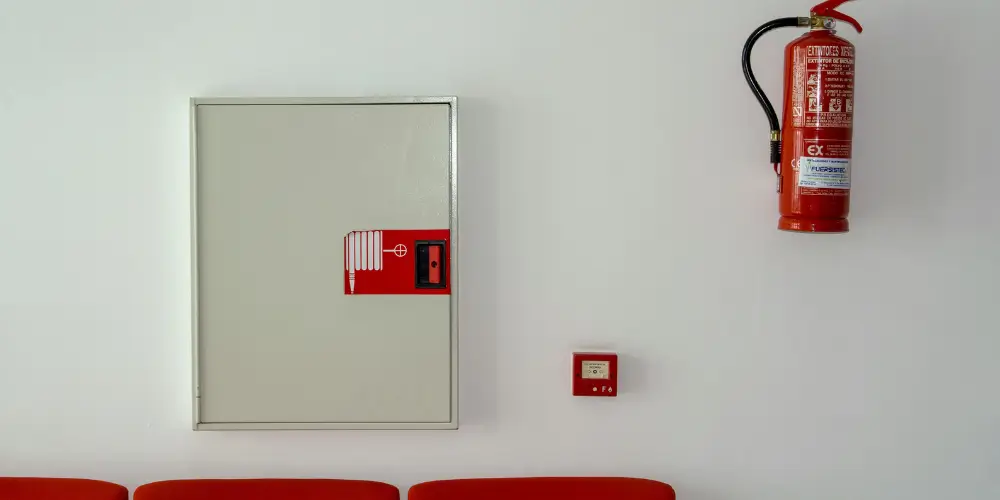
Although colour bands offer a quick visual cue, they do not map one-to-one onto fire classes; each band indicates the extinguisher’s agent, and that agent’s efficacy varies by fire class (A: solids, B: flammable liquids, C: gases, F: cooking oils/fats, and electrical hazards). The colour code tells what’s inside foam, powder, CO2, wet chemical, and water, while the fire class symbols show where that agent can be used safely and effectively.
A powder-coded extinguisher is broad-spectrum against A, B and C fires but may be unsuitable indoors due to residue; CO2 is ideal for electrical and B fires but ineffective on deep-seated A or F fires. Wet chemical agents, marked distinctly, target F fires and can cool and saponify burning oils but aren’t for electrical circuits unless specified. Users seeking autonomy should match agent capabilities to likely hazards rather than rely solely on band colour. Labels and class ratings remain the decisive guide when selecting an extinguisher for a specific risk.
Red Extinguishers: Water and Foam – When to Use Them
Red-painted water and foam extinguishers serve distinct but related roles: water is best for Class A fires involving ordinary combustibles like wood, paper, and textiles, while foam, also commonly housed in red bodies, adds a vapor-suppressing blanket that expands usefulness to flammable liquid (Class B) spills on non-pressurised surfaces. The discussion emphasises practical selection: water units offer simple, powerful cooling and are ideal where rapid saturation stops further combustion; they are not safe for electrical or oil-based fires. Foam units combine extinguishing and containment, reducing the risk of re-ignition from liquid spills, but should not be used on live electrical equipment or pressurised containers.
Placement and maintenance are straightforward: position water extinguishers in storage and work areas with combustible materials, and foam extinguishers where small liquid-fuel risks exist. Training reinforces liberation from fear; users learn when to act, when to retreat, and how to choose the correct red extinguisher variant for effective, responsible intervention. Check out Who Is Responsible for Using a Fire Extinguisher
Blue, Cream and Black: Powder, Foam and CO2 – What Each Colour Contains
When color-coding guides quick action, blue, cream, and black fire extinguishers signal powder, foam, and CO2 agents, respectively, each tailored to specific fire classes and hazards. The blue cylinder contains dry powder versatile, fast-acting, and effective on Class A (solids), Class B (flammable liquids) and Class C (gases) fires; it interrupts chemical reactions and is suited to mixed-risk environments, though it can scatter residue and is not ideal for confined indoor use where cleanup or respiratory sensitivity matters.
The cream label denotes foam, formulated to blanket liquid fuel fires and cool burning solids; it excels on Class B and Class A fires by forming a vapour-sealing layer that prevents re-ignition, recommended for spills and surface fires. The black extinguisher holds carbon dioxide, a clean, non-residuing gas that displaces oxygen and cools; it is preferred for electrical fires and delicate equipment but offers limited range and rapid dispersal. Each colour communicates purpose, enabling decisive, informed response.
Choosing the Right Extinguisher for Home, Workplace and Car
How should one select a fire extinguisher for a home, workplace, or car? Practical choices balance hazard type, size, portability and ease of use. For those valuing freedom, selections enable confident independence: a compact extinguisher for a car, a multi-class unit for a home kitchen, and suitably rated devices for workplaces with specific risks. Training and clear labeling matter; simple operation preserves autonomy under stress. Maintenance schedules and accessible placement keep options available when needed.
| Scenario | Recommended focus |
| Car | Compact, secure mounting |
| Home | Multi-class, kitchen-safe |
| Workplace | Compliance-rated, capacity |
| Portability | Lightweight, quick to deploy |
| Confidence | Clear instructions, routine checks |
Choices should reflect real risks, not aesthetics. A liberated user prefers straightforward, reliable equipment that permits decisive action without dependence on others. Selection empowers protection, enabling continued freedom of movement and activity. Know about the Types of Fire and Fire Extinguisher Guide for Workplace Safety.
Quick Visual Checks and Legal Requirements for Colour-Coded Extinguishers
After choosing an appropriate extinguisher for a car, home, or workplace, a quick visual inspection and awareness of colour-coding rules confirm suitability and legal compliance. The observer notes the body or top band colour to indicate the agent type, ensuring it matches the identified risks: water, foam, powder, CO2, wet chemical, or specialist agents. Labels and pictograms must be legible, showing class ratings and operating instructions; expired inspection tags or missing markings signal the need for replacement or service.
Pressure gauges, tamper seals, and safety pins are checked visually; obvious corrosion, dents, or leakage remove certainty of readiness. Legal requirements vary by jurisdiction, but commonly mandate routine inspections, annual professional servicing, and records retention; fixed installations may require statutory certification. Portable units for workplaces often need conspicuous placement and unobstructed access. These checks empower responsible owners to keep extinguishers compliant and effective while preserving autonomy over safety choices.
How to Use the Right-Colour Extinguisher Safely: Select
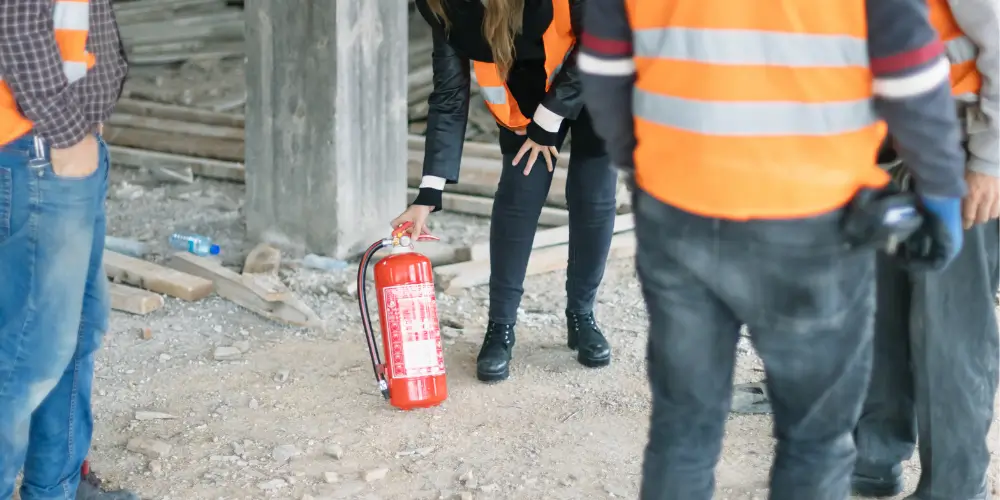
the extinguisher whose colour coding matches the fire risk and approach the scene with caution, keeping a clear escape route behind. The user assesses wind direction, heat, and nearby fuels, positioning so retreat is unobstructed. They verify the extinguisher is intact, within its service date, and appropriate for the specific class of fire. Operating the device involves removing any safety pin or seal, aiming low at the fire’s base, maintaining a steady stance, and using controlled bursts to avoid wasting agent. A sweeping motion covers the burning fuel, with pauses to assess progress and the risk of reignition. If the fire grows, smoke thickens, or escape narrows, the user withdraws immediately and summons professional responders. Afterward, spent or partially used extinguishers are reported and replaced; affected areas are monitored for smoldering hotspots. This approach preserves personal autonomy while prioritising safety and compliance. Check out the guidance How to Use Fire Extinguishers Safely.
Common Mistakes to Avoid When Picking or Using Extinguishers
Many preventable incidents stem from choosing the wrong extinguisher or using one improperly; recognising common mistakes helps reduce risk. Users often select an extinguisher by color alone without confirming its class rating, creating a false sense of security. Others store extinguishers where accessibility is limited or obstructed, delaying response and increasing damage. Attempting to fight large or rapidly spreading fires instead of evacuating and calling professionals is a frequent, dangerous error. Misusing an extinguisher for an incompatible fuel, for example, using water-based units on electrical or grease fires, can worsen the situation. Neglecting regular inspections and maintenance means pressure loss or expired chemicals render devices ineffective when needed. Improper training leads to hesitation, incorrect aim, or failure to discharge fully. To preserve autonomy and safety, individuals should verify class compatibility, maintain clear placement, perform scheduled checks, and train on proper operation. When in doubt, prioritize escape and summon emergency services.
Frequently Asked Questions
How Often Do Extinguisher Colour Codes Change Internationally?
They rarely change; international standards evolve slowly, with updates every few years to decades depending on consensus, safety research, and regulatory alignment, allowing individuals and organizations freedom to adapt practices at their own pace.
Are Recycled Extinguishers Repainted Without Recoding Contents?
Yes; recycled extinguishers are sometimes repainted without recoding contents, though responsible technicians verify and relabel agents to maintain safety and compliance, balancing individual choice with collective responsibility for accurate hazard information.
Do Colour Bands Affect Insurance Premiums?
Generally no; insurers focus on correct extinguisher type, maintenance, and certification rather than cosmetic colour bands. They evaluate compliance with regulations and records; noncompliance or mislabeling can, however, influence risk assessments and premiums.
Can Pets Be Harmed by Different Extinguisher Agents?
Yes; some extinguishing agents can harm pets. He notes water and foam are low-risk, dry chemical and powder can irritate or be toxic if ingested, and halon substitutes or CO2 pose inhalation and respiratory dangers.
Are Rental Properties Required to Label Extinguisher Colours?
Requirements vary by jurisdiction; one must check local landlord-tenant and fire codes. Some regions mandate clear labeling or signage for extinguisher contents and locations, while others leave it to property owners’ discretion and best practices.
Conclusion
In conclusion, the UK colour-band system gives clear visual guidance on extinguisher contents and suitable fire classes, helping people choose between water, foam, powder, CO2 and wet chemical units for home, work or vehicle use. Regular visual checks and compliance with legal requirements guarantee readiness. Understanding colour codes, correct application techniques and common mistakes reduces risk, while using the right extinguisher for each fire type protects lives and limits property damage.