
How to Get Rid of Asbestos Safely: Property owners should first identify suspected asbestos and assess its condition: intact, bonded products often pose a low risk, while damaged or friable materials need action. Small, non-friable work can be done carefully; major removal requires licensed surveyors and contractors, controlled enclosures, air monitoring and certified disposal by licensed waste carriers. Keep records and consignment notes to comply with the Control of Asbestos Regulations. Contingency for costs and disruption is essential, and further practical guidance and legal detail follow.
Key Takeaways
- Identify suspected asbestos via surveys; avoid disturbing materials and get a professional sample analysis if uncertain.
- Decide whether to leave, manage (seal/encapsulate), or remove based on condition, location, and disturbance risk.
- Hire a UK-licensed asbestos contractor for removal when materials are friable, damaged, or during major refurbishment.
- Ensure contractors provide risk assessments, method statements, continuous air monitoring, and a valid asbestos clearance certificate.
- Retain all survey, removal, transport, and disposal documentation for compliance and report any irregularities to regulators.
Table of Contents
Types of Asbestos in UK Homes
In UK homes, asbestos appears in three main mineral forms: chrysotile (white), amosite (brown), and crocidolite (blue), each with distinct fibres and historical uses; chrysotile is common in roofing and insulation, amosite in cement sheets and pipe insulation, and crocidolite in high-temperature applications and some older insulation products. Chrysotile has curly, flexible fibres that were widely used in millboard, textured coatings and some floor coverings. Amosite’s straighter, brittle fibres were favoured for board, cement products and lagging on pipes. Crocidolite, the most hazardous due to fine, needle-like fibres, was used in specialised insulation and some spray coatings.
How to Get Rid of Asbestos Safely: Other less common types and mixed asbestos materials also occur. The form, condition, and location influence how fibres behave when disturbed; bonded materials generally pose a lower short-term risk than friable materials. Understanding the material type aids assessment and decision-making regarding management or removal, helping to prioritise safety without requiring immediate technical intervention.
Spotting Asbestos Safely: When to Stop and Call a Pro
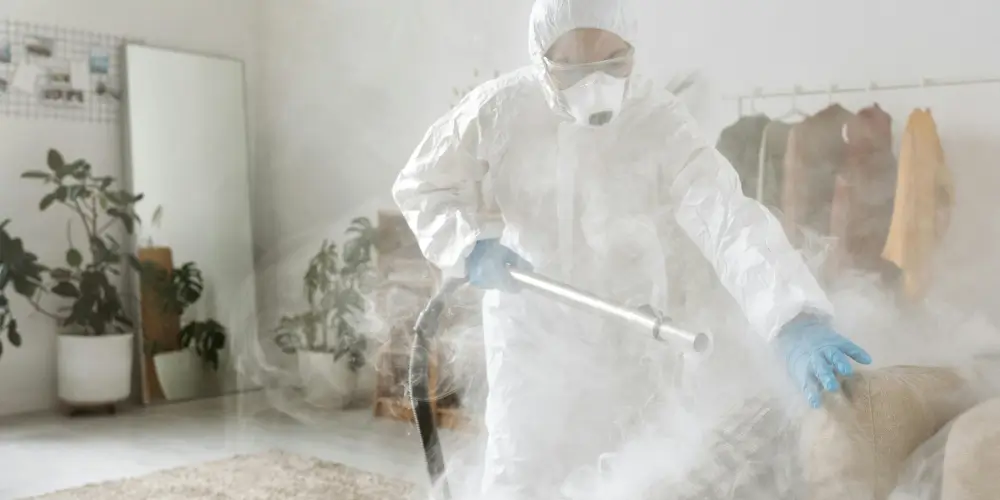
Recognising asbestos in the home relies on more than identifying fibre type; condition, location and disturbance risk determine whether a situation can be monitored or requires expert intervention. Visible, intact materials in low-traffic areas often pose minimal immediate risk, but any sign of damage, crumbling, fraying, powdering or water-staining raises concern. Presence in shared spaces, near ventilation, in bedrooms, or in areas undergoing renovation increases the potential for fibre release. DIY disturbance, drilling, sanding, or breaking of suspect materials can create dangerous dust; if the work is planned, a professional assessment is wise.
Indicators to stop and call a specialist include uncertain material identity, recent damage, unexpected debris after work, and suspected contamination of insulation or ducting. Licensed asbestos surveyors use sampling, risk assessment, and controlled removal methods that are unavailable to homeowners. For tenant-occupied or commercial properties, legal obligations and liability make expert involvement crucial. Prompt, measured action protects occupants and guarantees compliance with UK safety standards.
How to Triage Asbestos: Leave, Manage, or Remove
When evaluating suspect asbestos, decisions fall into three clear paths: leave undisturbed, manage in place, or remove entirely. The choice depends on condition, location and likelihood of disturbance. If materials are intact, not friable and in low-traffic areas, leaving them alone avoids unnecessary risk from disturbance; regular visual checks suffice. Managing in place applies when asbestos-containing materials are stable but exposed to potential damage; encapsulation, sealing, or protective barriers reduce fibre release while maintenance and documented inspections monitor deterioration.
Removal is considered when materials are damaged, deteriorating, or in areas undergoing renovation that will disturb them. Risk assessment should weigh exposure potential, occupant vulnerability and future work plans. Decisions should be informed by inspection results, sampling where necessary, and professional advice when uncertainty exists. Clear records of condition and actions help guarantee ongoing safety and guide future choices without needless alarm or interventions.
When You Must Remove Asbestos: The Law Explained
Decisions about leaving, managing, or removing asbestos are not only guided by condition and risk but also by legal requirements that can mandate removal in specific circumstances. UK law focuses on preventing exposure: where asbestos-containing materials (ACMs) are in poor condition, likely to be disturbed, or present during refurbishment or demolition, removal may be required. Duty-holders must assess and act proportionately, keeping records and following control limits. Failure to comply can lead to enforcement, fines, or prosecution.
- Where ACMs are extensively damaged or friable and pose an immediate health risk, removal is often legally required.
- During demolition or major refurbishment, regulations typically oblige survey, risk assessment, and removal of identified ACMs before works start.
- If ACMs cannot be safely managed in situ or maintenance would repeatedly release fibres, removal becomes the compliant option.
- Employers and building owners have statutory duties under the Control of Asbestos Regulations to prevent asbestos exposure and demonstrate compliance.
Choose a Licensed Asbestos Surveyor or Removal Contractor
Because asbestos work carries significant health and legal risks, selecting an appropriately licensed surveyor or removal contractor is essential. The decision should be based on verified credentials: a UKAS-accredited asbestos surveyor or a contractor licensed by the Health and Safety Executive (HSE) for licensed asbestos work. Property owners should request proof of current licences, insurance, and relevant qualifications, and confirm recent experience with similar premises and asbestos types.
References and independent reviews help gauge reliability; ask for client references and examples of completed risk assessments and method statements. Clear communication about scope, timelines, costs, and responsibilities reduces misunderstandings. A competent professional will explain legal obligations, sampling protocols, and reporting procedures without promising unnecessary removal.
Contracts should specify waste disposal routes, air monitoring arrangements if required, and certificates issued on completion. Choosing a licensed, transparent practitioner minimises legal exposure and health risk while ensuring compliance with UK asbestos regulations and recognised industry standards.
What Happens During Licensed Asbestos Removal
Licensed asbestos removal proceeds as a tightly controlled sequence of planning, containment, removal, and verification to prevent fibre release and guarantee regulatory compliance. A licensed team arrives with documented risk assessments and method statements, establishes exclusion zones, and uses decontamination units, negative-pressure enclosures and personal protective equipment. Air monitoring devices are set up before, during and after work to detect fibres; only trained operatives perform wet removal or encapsulation techniques to minimise airborne dust. Post-removal, surfaces are cleaned with specialist vacuums and validated by visual inspection and clearance air tests. The process concludes when a recognised analyst issues a certificate confirming airborne concentrations meet clearance criteria and the area is safe to reoccupy.
- Pre-work briefing, setup of enclosures, and decontamination facilities.
- Controlled removal using wet methods, HEPA vacuums, and careful handling.
- Continuous and post-work air monitoring and on-site sampling.
- Final cleaning, visual inspection, and certified clearance testing.
Asbestos Disposal, Licensed Waste Carriers and Paperwork
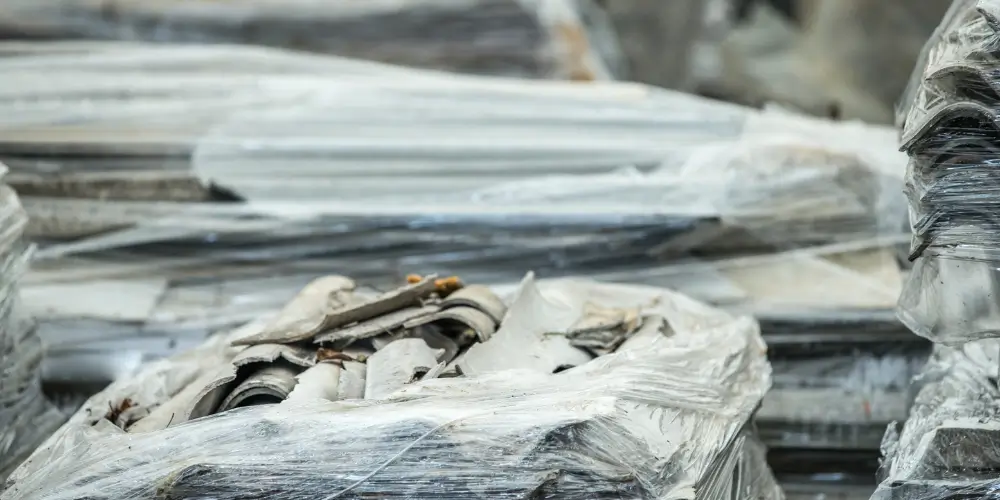
After clearance is achieved, responsibility shifts to safe disposal and to documentation confirming that the asbestos material is handled lawfully and does not pose further risk. Removed asbestos must be transported by an authorised, licensed waste carrier registered with the Environment Agency (or the devolved equivalent).
The carrier provides immediate physical control and confirms delivery to a permitted hazardous-waste facility. Transfer notes and consignment documents record the chain of custody: generator details, waste type and quantity, carrier licence, and destination site.
These documents form part of the dutyholder’s records and should be retained for at least three years to demonstrate compliance with duty of care and control of asbestos regulations. Licensed contractors typically provide and complete the paperwork, but property owners should verify the details and keep copies.
Any irregularities, unlicensed transport, missing consignment notes, or uncertified disposal sites must be queried and reported. Proper disposal and accurate documentation reduce legal exposure and help confirm that asbestos risks have been managed to regulatory standards.
Typical Costs and Timescales to Budget For
Costs and timescales for asbestos removal vary widely depending on the type and extent of contamination, property access, and whether licensed contractors and disposal facilities are required. Typical scenarios are illustrated below to help property owners budget realistically and plan disruption.
- Small-scale non-licensed work (e.g., single-room AIB repair): often £100–£500; 1 day including clearance and waste removal when already scheduled.
- Medium jobs (partial room strip-out, garage roofs): typically £500–£2,000; 1–3 days plus 1–2 days for disposal logistics.
- Licensed removal (significant ACMs like lagging or textured coatings): frequently £2,000–£10,000+ depending on area and complexity; 3–7 days on-site with additional days for decontamination and paperwork.
- Major projects (whole-house or commercial): can exceed £10,000; several weeks including surveys, enclosure construction, removal, and multiple waste trips.
These estimates exclude additional costs such as surveys, scaffolding, licences and specialist disposal, which should be factored into contingency.
Frequently Asked Questions
Can Asbestos Fibres Spread Through Household Ventilation Systems?
Yes, asbestos fibres can spread via household ventilation if disturbed. The respondent explains that disturbed asbestos releases airborne fibres, which ventilation can transport through ducts, potentially contaminating rooms; mitigation requires containment, professional removal, and sealed systems.
Are Pets at Risk From Asbestos in the Home?
Yes. Pets can inhale or ingest asbestos fibres from disturbed materials or contaminated dust, risking respiratory and gastrointestinal harm. Owners should prevent access, avoid disturbing asbestos, clean carefully, and consult professionals for assessment and removal.
Does Home Insurance Cover Asbestos Removal Costs?
Generally, home insurance does not cover routine asbestos removal; policies may only cover sudden, accidental damage requiring urgent remediation. The homeowner should review their specific policy and contact their insurer for clarification and possible extensions or endorsements.
Can I Renovate Around Asbestos Without a Licence if I Seal It?
No; they state that minor non-licensed work, such as sealing encapsulated asbestos, may be allowed if intact and undisturbed, but most renovations that disturb asbestos require licensed contractors and notification to ensure legal, safe removal and disposal.
How Long Does Asbestos Remain Hazardous After Removal?
Asbestos fibres can remain dangerous indefinitely if airborne or not fully contained; after proper licensed removal and decontamination, residual risk is minimal once clearance air tests pass, though fibres persist in the environment without remediation.
Conclusion
In conclusion, How to Get Rid of Asbestos Safely: UK homeowners should handle asbestos with caution: identify the type, stop work if it’s suspected, and seek professional advice. Many intact materials can be managed in place, but removal is legally required for licensed materials, damaged products, or high-risk work. Always use qualified surveyors and licensed removal contractors, follow waste-carrier rules, and keep paperwork. Planning for realistic costs and timelines reduces disruption and guarantees safety and legal compliance when dealing with asbestos.