
Workplace fires are classified by fuel: Class A (wood, paper), B (flammable liquids/gases), C (energized electrical), D (combustible metals), and F/K (cooking oils). Extinguishers match classes: water for A; foam for A/B; CO2 for B and electrical; dry chemical (ABC/B) for multi-hazard; and wet chemical for cooking oils. Place units along exit routes, inspect monthly, service annually, and follow PASS when safe. Continue for detailed guidance on selection, placement, and evacuation.
Key Takeaways
- Match extinguisher type to fire class: water (A), foam (A/B), CO2 (B/electrical), dry chemical (ABC/B), wet chemical (F).
- Use the PASS technique: Pull the pin, Aim at the base, Squeeze the handle, Sweep side to side to extinguish flames.
- Place extinguishers on evacuation routes, visible, accessible, mounted at correct heights and protected from damage.
- Perform monthly visual inspections and annual servicing; document maintenance and replace failed or expired units.
- Evacuate if fire spreads, smoke or heat increases, alarms sound, or responders advise leaving immediately.
Table of Contents
Quick At-a-Glance: Which Extinguisher to Use for Common Workplace Fires
A concise reference helps employees match extinguisher types to common workplace fires: A clear table or poster guides rapid selection under stress. Class-specific labels and color-coding identify appropriate devices for electrical equipment, flammable liquids, combustible solids, and cooking oils without detailing fuel chemistry. Each extinguisher’s agent water, foam, CO2, dry chemical, or wet chemical is noted alongside typical applications and limitations, such as surface cooling, smothering, or interrupting chemical reactions. Simple instructions emphasize pull, aim, squeeze, sweep technique and maintaining a safe distance, with reminders to back away if flames spread. Inspection status and charge level appear prominently, so staff avoid depleted units. Storage locations and visible signage reduce retrieval time. Training cues encourage hands-on familiarization with selected types and decision rules for evacuation versus attempted suppression. This focused reference supports informed, timely actions while minimising confusion in varied workplace settings.
The Five Fire Classes: What Fuels A, B, C, D, and F Fires
How do workplace fires differ, and why does that matter for response? Fires are classified by the type of fuel involved, and this classification guides safe, effective control. Class A fires consume ordinary combustibles such as wood, paper, textiles, and some plastics. Class B involves flammable liquids and gases, such as petrol, solvents, oils, where vapour spread and pooling increase hazard. Class C covers energized electrical equipment; the electrical source poses shock risk and can reignite if not de-energized. Class D includes combustible metals like magnesium, titanium, and sodium; these burn at high temperatures and react violently with water. Class F (also called Class K in some regions) pertains to cooking oils and fats, in which deep, hot grease sustains a rapid, intense flame and can splatter. Understanding these fuel types helps prioritise actions: isolate or remove fuel if safe, avoid interventions that exacerbate the fire (for example, using water on oil or metal fires), and recognise when evacuation and professional firefighting are required.
Fire Extinguisher Types and What Each Fights
Several common extinguisher types are matched to specific fire classes to guarantee safe, effective suppression. Water extinguishers cool Class A fires, such as wood, paper, textiles and must not be used on electrical, flammable liquid, or metal fires. Foam extinguishers form a film to smother Class A and B fires, reducing vapor release from flammable liquids. Carbon dioxide (CO2) extinguishers displace oxygen and cool slightly; they are suitable for Class B and electrical fires because they leave no residue. Dry chemical extinguishers are available in multi-purpose (ABC) and B-specific formulations: monoammonium phosphate for ABC hazards interrupts combustion chemically, while sodium bicarbonate is effective on grease and fuel fires. Wet chemical extinguishers are designed for Class F/K cooking oil and fat fires, producing a cooling, saponifying layer. Clean-agent (Halotron, FM-200) extinguishers protect electrical equipment and Class B hazards with minimal residue. Metal (Class D) fires require specialised powdered agents that absorb heat and isolate metal from air. Appropriate selection depends on the fire class and the equipment’s sensitivity.
Choose the Right Fire Extinguisher for Your Workplace
Choosing the appropriate fire extinguisher for a workplace depends on the specific hazards present, the types of fires most likely to occur, and the sensitivity of equipment and occupants. An assessment should identify fuel sources (paper, wood, flammable liquids, electrical equipment, metals) and evaluate ignition risks. Selection favors extinguishers rated for the following fire classes: water or foam for ordinary combustibles; dry chemical or CO2 for flammable liquids and energized electrical fires; and specialised agents for combustible metals. Consideration of occupant safety and equipment sensitivity guides agent choice. CO2 and clean agents minimise residue and damage; dry chemicals provide broad suppression but leave cleanup. Size and rating matter: larger units and higher numerical ratings deliver greater firefighting capacity. Accessibility and ease of use influence selection among nonprofessional users; pull-pin and squeeze-handle designs with clear labeling are preferred. Finally, compatibility with existing emergency plans and local regulations ensures legal compliance and effective readiness for response.
Placement, Mounting, and Storage Standards for Extinguishers
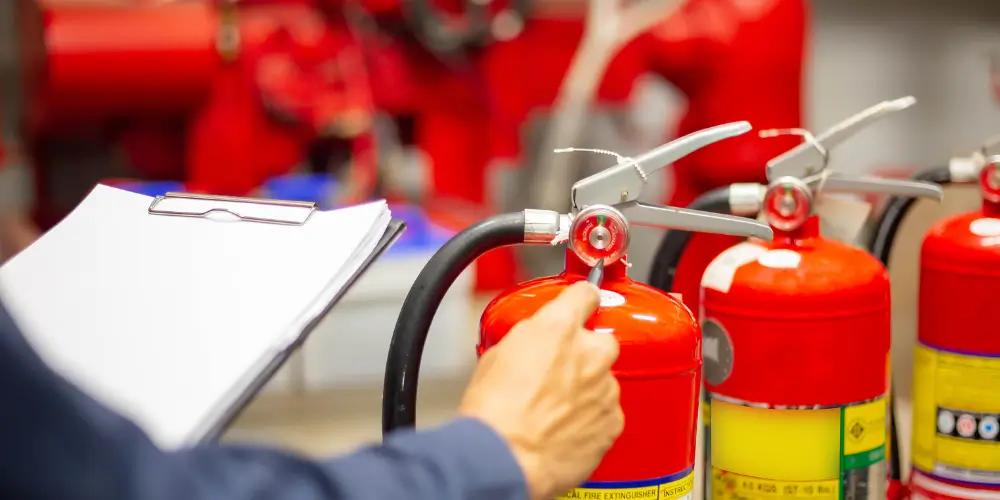
Proper placement, mounting, and storage of fire extinguishers guarantee rapid access, minimise damage, and maintain operational readiness. Extinguishers must be positioned conspicuously along normal evacuation routes, near hazard areas, and within required travel distances specified by local codes. Mounting should secure units at accessible heights, typically with the top no higher than 5 feet for hand-portable units and 3.5 feet for those weighing over 40 pounds using brackets or cabinets that prevent tipping and theft. Storage environments must protect extinguishers from extreme temperatures, corrosive atmospheres, and physical damage. Indoor locations must avoid freezing or overheating, while outdoor units require weatherproof cabinets and regular inspection. Labels and signs should be visible, and clearance should be maintained around units to ensure signage and operations remain unobstructed. Facilities must document placement plans, conduct periodic visual checks, and verify that service tags and pressure gauges remain within acceptable ranges. Compliance with NFPA and local regulations guarantees consistency and legal adherence.
How to Use a Fire Extinguisher Safely (Step-by-Step)
Having extinguishers correctly placed and maintained is only part of workplace fire readiness; personnel must also know how to operate them safely. Instruction emphasizes evaluating the scene, selecting the correct extinguisher type, and keeping a clear exit route. Users should act only when the fire is small, spreading slowly, and the space is not smoky.
- Pull, Aim, Squeeze: Pull the pin to break the tamper seal; aim the nozzle at the fire’s base; squeeze the handle with a steady grip while standing several feet back.
- Sweep and Move: Sweep the nozzle in a controlled side-to-side motion, advancing slowly toward the fire while maintaining aim at the base until flames are extinguished.
- Retreat if Needed: If the fire grows, visibility decreases, or the extinguisher empties, evacuate immediately and close doors to contain the fire.
After use, report the incident and remove the extinguisher from service for professional servicing or replacement.
Inspection, Maintenance, and Replacement Schedule for Extinguishers
Regular visual inspections and scheduled professional maintenance confirm fire extinguishers remain ready and effective; workplace programs should define monthly quick checks, annual service by a certified technician, and replacement or hydrostatic testing intervals based on extinguisher type, manufacturer recommendations, and regulatory requirements. Monthly checks verify visibility, accessibility, intact seals, proper pressure-gauge reading, and the absence of obvious damage or corrosion. Records of each check should be kept on a tag or log. Annual inspections and servicing by qualified personnel confirm internal condition, recharge needs, and component functionality; they also address nozzle or hose replacement and label legibility. Hydrostatic testing intervals vary: typically every 5 years for stored-pressure water, 5–12 years for some dry chemical units, and as specified by the manufacturer and standards bodies. Extinguishers must be replaced if they fail inspection, fail hydrostatic testing, show compromised integrity, or are discharged. A clear, documented schedule aligned with codes and manufacturer guidance confirms regulatory compliance and operational readiness.

Common Mistakes and When to Evacuate Instead of Fighting
Mistakes with fire extinguishers often stem from underestimating the fire, improper extinguisher selection, or attempting to fight when escape is safer; recognising these errors quickly reduces risk. A detached review highlights common missteps: using an extinguisher incorrectly for the fuel, failing to maintain clear exit paths, and persisting past safe limits. Decisions should prioritise life over property, and staff must be briefed to assess size, smoke, heat, and toxic fumes before acting.
- Identify: misjudging fire size or type and choosing an incompatible extinguisher.
- Procedure: failing to maintain a retreat route, not following PASS, or running out of agent.
- Thresholds to evacuate: fire spreads beyond the initial container, visibility drops, alarm sounds, or responders advise evacuation.
When any threshold is met, occupants should evacuate immediately, close doors if possible, and notify emergency services. Training should reinforce these criteria and when to stop efforts and leave. For more details, read our blog post How to use fire extinguishers.
Frequently Asked Questions
Does Law require Fire Extinguishers for Home Offices?
No, fire extinguishers are generally not legally required for private home offices, though local building codes or lease agreements may impose requirements; prudent individuals often still keep a suitable extinguisher and smoke detectors for safety and insurance purposes.
Can Expired Extinguishers Still Extinguish Small Fires?
Expired extinguishers may still discharge and briefly suppress small fires, but their reliability, pressure, and agent effectiveness are unpredictable. One should promptly replace or service expired units to ensure safe, effective fire protection.
How Do I Dispose of or Recycle Old Extinguishers?
They should be taken to a certified hazardous waste or recycling facility; the user taps pressure first (follow manufacturer guidance), empties if directed, and transfers to professionals for depressurization, recycling, or proper disposal to meet local regulations and safety.
Do Extinguishers Interfere With Smoke Detectors or Sprinklers?
They generally do not interfere; extinguishers are passive devices. However, discharge near detectors or sprinklers can trigger alarms or contaminate sensors; proper placement and maintenance prevent accidental activation or obstruction, preserving detector and sprinkler function.
Can Employees With Disabilities Operate Extinguishers Safely?
Yes, with proper assessment, adaptive equipment, tailored training, and clear evacuation-first policies, employees with disabilities can safely use extinguishers when appropriate, but decisions should prioritize personal safety and alternative emergency roles if needed.
Conclusion
To conclude, understanding fire classes, extinguisher types, correct placement, and routine maintenance empowers workplaces to respond effectively to incidents. Proper training and regular inspections guarantee that extinguishers function when needed, while knowing limitations, especially with electrical, metal, and cooking oil fires, helps staff decide when to evacuate and call professionals. Prioritizing prevention, clear signage, and adherence to local codes reduces risk, protects people and property, and supports a safer work environment overall.