
A borrowed neutral is an electrical wiring issue where a neutral conductor from one circuit is used by another circuit. It is most commonly found in older or altered lighting circuits, especially where two-way switching, landing lights, hallway lights or shared lighting circuits have been modified over time.
A borrowed neutral can be dangerous because a circuit may appear isolated while another circuit can still make part of the wiring live. It can also cause RCD tripping, testing problems, unexpected voltage readings and EICR observations.
On an EICR, a borrowed neutral is usually treated as a serious electrical safety issue. The final code depends on the exact condition found by the inspector, but it is commonly recorded as C2 – Potentially Dangerous where it creates a realistic shock risk or unsafe isolation issue. In some cases, the electrician may record FI – Further Investigation if the issue is suspected but needs confirmation.
Do not try to trace or repair a borrowed neutral yourself. This type of fault should be investigated and corrected by a competent electrician.
Last Update: 2026
Reviewed By: London Safety Certificate Compliance Team
Key Takeaways
- A borrowed neutral means one circuit is using a neutral from another circuit.
- It is commonly found in older or altered lighting circuits.
- It can create electric shock risk because one circuit may remain live through another circuit.
- It may cause RCD tripping, failed testing or unsafe isolation.
- On an EICR, a borrowed neutral is commonly coded C2 where it is potentially dangerous.
- FI may be used where the electrician suspects a borrowed neutral but needs further investigation.
- It should not normally be treated as a simple DIY repair.
- A competent electrician should identify the affected circuits and correct the wiring safely.
Table of Contents
Quick Answer: What Is a Borrowed Neutral?
A borrowed neutral is when the neutral from one electrical circuit is shared or used by another circuit. This can happen when lighting circuits have been altered incorrectly.
For example, an upstairs lighting circuit and downstairs lighting circuit may accidentally share a neutral at a landing light or two-way switch arrangement. This can make the wiring unsafe because switching off one circuit may not fully isolate all connected conductors.
In simple terms: a borrowed neutral can make electrical wiring behave as if circuits are joined together when they should be separate.
Borrowed Neutral EICR Code
The EICR code for a borrowed neutral depends on what the electrician finds during inspection and testing.
| EICR Code | What It Means for Borrowed Neutral |
|---|---|
| C1 | Danger present. This would only apply where there is immediate danger at the time of inspection. |
| C2 | Potentially dangerous. This is commonly used where the borrowed neutral creates unsafe isolation or shock risk. |
| C3 | Improvement recommended. This is less likely for a confirmed borrowed neutral with safety risk. |
| FI | Further investigation required. This may be used where a borrowed neutral is suspected but not fully confirmed. |
Do not say every borrowed neutral is always the same code. The inspector must assess the actual installation, test results, circuit arrangement and risk. Explore the EICR codes in detail: EICR Codes Explained: C1, C2, C3 & FI Meanings (UK Guide).
Understanding Borrowed Neutrals in Electrical Installations
A borrowed neutral occurs when the neutral wire from one circuit is used to complete the return path of another, which is not originally intended in the circuit design.
This practice can lead to serious safety risks, including circuit overloads and electrical fires.
Understanding the common causes, such as incorrect wiring or modifications to existing circuits, is critical for diagnosing and rectifying such issues in electrical installations.
What Is a Borrowed Neutral?
Understanding borrowed neutrals requires a precise grasp of electrical circuit configurations. A borrowed neutral occurs when a neutral wire is shared between multiple circuits rather than each circuit having its dedicated neutral path. This practice, while sometimes observed in older or improperly modified electrical installations, can lead to several electrical safety concerns.
It contravenes modern wiring regulations, which mandate that each circuit must have an independent neutral to guarantee peak circuit functionality and safety.
The presence of borrowed neutrals can be particularly problematic during property inspections. Inspectors must identify and report such configurations as they can compromise the integrity of an electrical system. The shared neutral may carry unintended currents, leading to potential overloading and heat generation, which greatly heightens the risk of electrical fires.
Additionally, the use of borrowed neutrals can affect the overall stability of the electrical system, leading to unpredictable electrical behaviour and failures.
Electrical safety codes and wiring regulations have evolved to discourage the use of borrowed neutrals due to these inherent risks. Confirming that each circuit maintains its neutral conductor is critical in upholding the safety standards and functionality of modern electrical infrastructure.
Common Causes of Borrowed Neutrals
While the practice of borrowing neutrals is generally discouraged in modern electrical systems, several factors commonly contribute to its occurrence. Initially, incorrect or outdated wiring practices are the primary causes of borrowed neutrals. In older installations or during renovations, electricians may inadvertently connect circuits to a single neutral wire to save time or materials, unaware of potential long-term impacts, including overheating and fire hazards.
Another contributing factor is the lack of clear, updated wiring diagrams, which can lead to accidental connections during maintenance or upgrades. The complexity of electrical networks in buildings can also exacerbate the issue, making it challenging to identify and isolate circuits, thereby increasing the risk of borrowing neutrals.
Understanding the effects of borrowed neutrals is essential for troubleshooting and mitigating risks. These effects often manifest as voltage instability, tripping circuit breakers, and potential electric shocks. Common misconceptions include the belief that a borrowed neutral does not affect the safety and efficiency of an electrical system, yet the opposite is true.
Prevention and correction of borrowed neutrals involve meticulous inspection, adherence to strict wiring codes, and continuous education on the evolving standards in electrical installations. This diligently addresses both immediate safety concerns and long-term impacts on system integrity.
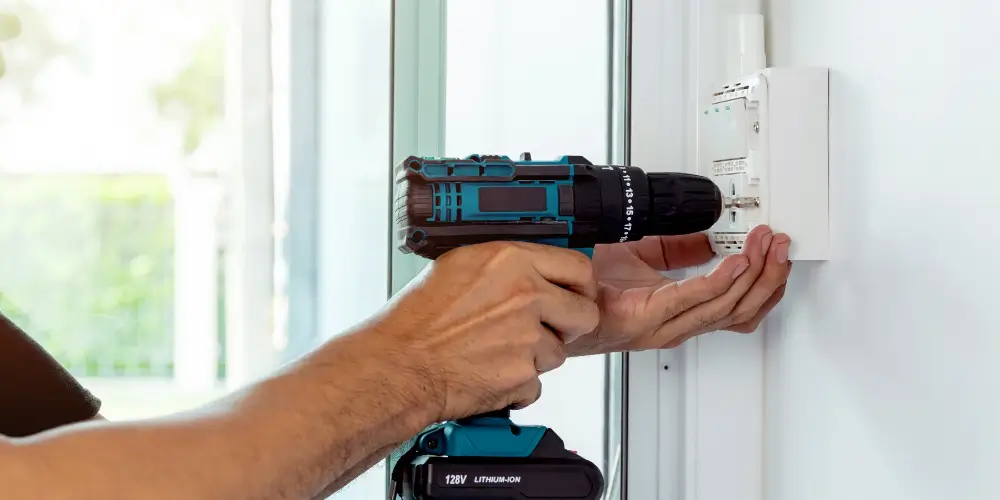
Identifying Borrowed Neutrals During EICRs
During Electrical Installation Condition Reports (EICRs), it is vital to identify any presence of borrowed neutrals, which can compromise the safety and functionality of an electrical system.
Detection typically involves a series of diagnostic tests using specialised tools such as insulation resistance testers and circuit tracers to pinpoint irregularities in circuit continuity and load balance.
Recognising signs of a borrowed neutral, such as unexpected voltage readings between neutral conductors of different circuits, is essential for maintaining compliance with electrical safety standards.
Signs of a Borrowed Neutral in Your System
Identifying borrowed neutrals during Electrical Installation Condition Reports (EICRs) is essential for ensuring the safety and compliance of electrical systems. During circuit analysis, the presence of a borrowed neutral manifests through several distinct signs that can pose significant risks to neutral safety. Property assessments focusing on wiring inspections should prioritise the identification of these indicators to mitigate potential hazards effectively.
One primary sign of a borrowed neutral is unexpected voltage readings between neutral conductors of different circuits. This condition arises when neutrals from separate circuits improperly share a connection, a scenario often uncovered during detailed electrical troubleshooting.
Fluctuations in circuit performance, such as flickering lights or the erratic operation of electrical appliances, can also suggest the presence of a borrowed neutral. These symptoms occur because the neutral path is not dedicated, leading to instability and inconsistent current return paths.
Moreover, during EICRs, professionals might observe neutral wires overheating, a direct consequence of excessive current flowing through an unintended shared path. This situation not only compromises electrical safety but also elevates the risk of fire hazards.
A thorough understanding of these signs is vital for any practitioner engaged in electrical troubleshooting and property safety assessments.
Tools and Techniques for Detection
Electrical professionals employ a variety of specialised tools and analytical techniques to effectively identify borrowed neutrals during electrical installation condition reports (EICRs). The cornerstone of this process is meticulous electrical testing, which meticulously evaluates voltage discrepancies that may indicate irregularities in neutral connections.
Diagnostic tools such as advanced multimeters and earth fault loop impedance testers play an essential role, providing precise readings that help discern the integrity of circuits.
Detection techniques involve a methodical approach to circuit tracing, where the pathway of each neutral wire is followed to verify that it is correctly and independently connected. Voltage analysis is particularly telling, as unexpected voltage levels often reveal cross-connected neutrals, especially when measured under different load conditions. This analysis is typically conducted using differential voltage testers and oscilloscopes to monitor voltage stability across circuits.
Moreover, the integration of thermal imaging cameras can detect unusual heat patterns in electrical panels, which are sometimes symptomatic of borrowed neutrals due to the increased resistance and resultant heat generation in improperly shared conductors.
Consequently, electrical professionals can accurately diagnose and rectify issues related to borrowed neutrals during EICRs by combining sophisticated equipment and expert analytical skills.
EICR Coding for Borrowed Neutrals
In Electrical Installation Condition Reports (EICRs), borrowed neutrals are classified based on the level of risk they pose to the electrical system’s safety and integrity.
The coding system, ranging from C1 to C3, indicates the urgency of corrective action required, with C1 representing an immediate dangerous condition.
Understanding the implications of each code is essential for maintaining compliance with electrical safety standards and ensuring the reliability of the installation.
How Borrowed Neutrals Are Classified in EICRs
While evaluating electrical installations, the classification of borrowed neutrals in Electrical Installation Condition Reports (EICRs) is essential due to the potential safety risks they present. This practice, where a neutral conductor from one circuit provides the return path for another, contravenes modern wiring standards and poses considerable risks to electrical safety and circuit functionality.
In the context of EICRs, borrowed neutrals are generally classified under Code C2 or C3, depending on the severity and the immediate risk posed by the installation practices observed. C2 classification indicates a potentially dangerous condition that warrants urgent attention, reflecting scenarios where the borrowed neutral may compromise the safety or functionality of the electrical system considerably. This typically prompts immediate remedial actions to rectify the configuration to align with standard neutral systems operations.
Conversely, a C3 code suggests that while the condition is undesirable, it does not pose an immediate threat, allowing for scheduled rectification. This classification encourages adherence to ideal installation practices but recognises that immediate danger is not present.
Professionals conducting EICRs must critically assess each instance, considering factors like load characteristics, the integrity of connections, and compliance with contemporary safety standards to classify and address the issues of borrowed neutrals accurately.
Implications of Different EICR Codes
Understanding the implications of different EICR codes, particularly when addressing borrowed neutrals, requires a nuanced appreciation of the electrical risks involved. The Electrical Installation Condition Report (EICR) categorises the condition of electrical installations, identifying potential hazards such as borrowed neutrals that can lead to serious safety risks in residential wiring.
Borrowed neutrals, where a neutral wire is shared between circuits, are often flagged under specific codes that indicate the urgency and nature of the corrective action required. For instance, a C2 code signals immediate danger, suggesting that the presence of a borrowed neutral poses a direct and immediate threat to electrical safety. This necessitates urgent circuit maintenance to rectify the fault and guarantee compliance with safety standards.
Conversely, a C3 code indicates that the borrowed neutral, while not immediately dangerous, requires improvement to elevate the installation to ideal safety levels.
Performing detailed wiring inspections is essential in these scenarios. These inspections assess the extent of the issue and inform the necessary adjustments to enhance energy efficiency and overall system reliability.
Understanding and acting upon these EICR codes is imperative for maintaining the integrity and safety of residential electrical systems.
How Electricians Identify a Borrowed Neutral
A borrowed neutral is usually identified through proper inspection and testing by a competent electrician.
The electrician may investigate:
- unexpected voltage readings
- RCD tripping
- lighting circuits affecting each other
- incorrect circuit separation
- shared neutral conductors
- two-way switching arrangements
- landing or hallway lighting faults
- test results that do not match the circuit layout
- unsafe isolation findings
This work requires safe isolation, inspection and electrical testing. It should not be carried out by an unqualified person because neutral conductors can still become live under fault or shared-circuit conditions.
Safety Risks Associated with Borrowed Neutrals
The utilisation of borrowed neutrals in electrical systems introduces significant safety risks, particularly in the potential for hazardous conditions.
This practice can compromise the integrity of circuit breaker functionality, leading to failures in isolating faults effectively.
Such scenarios increase the likelihood of electrical shocks or fires, underscoring the critical need for stringent adherence to proper wiring standards and regulations.
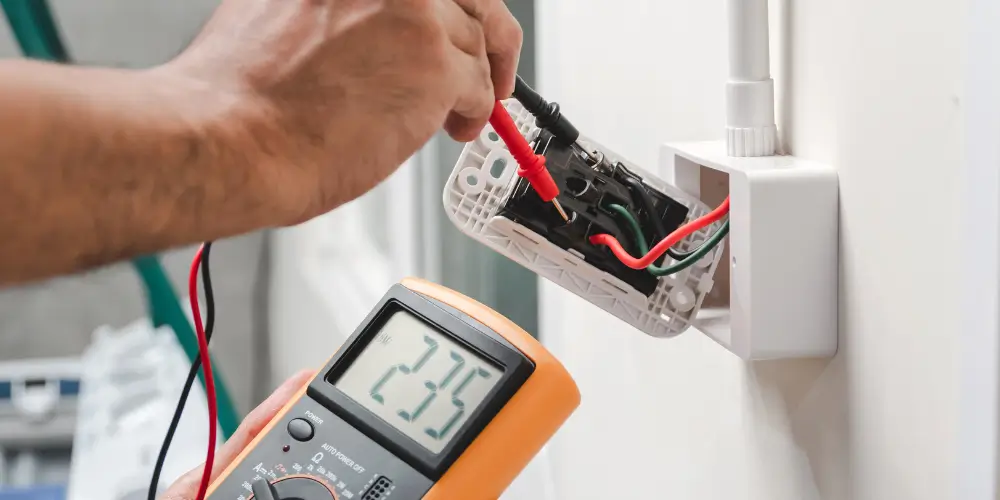
Potential Hazards in Electrical Systems
How do borrowed neutrals present significant safety risks in electrical systems? Borrowed neutrals occur when the neutral wire of one circuit is used by another, creating unintended connections that compromise wiring integrity and system reliability. While this practice economises on wiring costs, it disrupts the fundamental design of safe electrical systems, leading to several critical issues.
Firstly, the use of a borrowed neutral can undermine electrical safety by enabling potential overloading of the neutral wire. Since the neutral wire is not designed to carry excess current from multiple circuits, this overloading can result in excessive heat, a prime catalyst for electrical fires.
Additionally, the integrity of the entire electrical system is compromised because the shared neutral may cause voltage imbalances and unexpected current paths, which are not easily detectable during routine inspections.
Furthermore, borrowed neutrals jeopardise circuit compatibility. Electrical systems are designed for specific load calculations on each circuit, including the neutral. When shared neutrals disrupt these calculations, the risk of equipment malfunction increases, endangering both the system’s reliability and the safety of its environment.
Lastly, improper neutral grounding in scenarios with borrowed neutrals can lead to a failure in fault protection mechanisms, intensifying the risk of electrocution and equipment damage, thereby undermining the foundational objectives of modern electrical safety standards.
Impact on Circuit Breaker Functionality
While borrowed neutrals may initially seem like a negligible compromise, their impact on circuit breaker functionality highlights significant safety concerns.
In a conventional wiring scenario, each circuit is designed with a dedicated neutral path that guarantees stable power distribution and predictable electrical load management. When a neutral is borrowed across multiple circuits, it disrupts this balance, leading to unpredictable current flows and potential overload conditions.
This anomaly in electrical load can precipitate frequent breaker trips and failures in breaker reset mechanisms due to the inconsistent distribution of return current. Circuit performance deteriorates as the breaker struggles to maintain stability amidst fluctuating load dynamics.
Furthermore, the shared neutral path may not be dimensioned to handle the combined currents of multiple circuits, which increases the risk of overheating and potential fire hazards.
Such practices contravene established safety standards, which are rigorously designed to guarantee that each circuit operates independently and without undue stress on electrical components. Guaranteeing adherence to these standards is essential for maintaining system integrity and safeguarding against electrical failures that could lead to severe consequences.
Consequently, the use of borrowed neutrals presents a clear and present danger to overall system safety, warranting immediate corrective measures.
Correcting Borrowed Neutrals in Existing Installations
A methodical approach is essential to correcting borrowed neutrals effectively in existing electrical installations. This approach includes identifying all circuits sharing the neutral wire and then segregating them to guarantee individual return paths.
Professional intervention is indispensable because the process requires an intricate understanding of electrical systems and adherence to safety regulations and standards.
Implementing these steps reduces the risk of electrical faults, thereby enhancing the overall safety and integrity of the building’s electrical infrastructure.
Steps to Safely Resolve Borrowed Neutrals
Addressing the issue of borrowed neutrals in existing electrical installations requires a systematic and meticulous approach to ascertain safety and compliance with electrical standards.
The first critical step involves conducting thorough electrical inspections to identify all circuits that share a neutral wire. This process must be carried out by qualified professionals who can perform detailed circuit analysis to understand the existing load and potential risks associated with improper neutral connections.
Once borrowed neutrals are identified, an extensive risk assessment must be undertaken. This assessment evaluates the potential hazards, such as overloading the neutral wire, which can lead to overheating and fire risks. Based on this risk assessment, appropriate safety measures must be formulated.
The corrective action typically involves rewiring techniques that ascertain that each circuit has a dedicated neutral wire. This might include running new cables or reconfiguring the existing wiring layout in accordance with national electrical codes.
Throughout the correction process, continuous monitoring and testing are imperative to ascertain that the modifications effectively resolve the issues without introducing new hazards.
Importance of Professional Intervention
Due to the complex and hazardous nature of the task, resolving borrowed neutrals in electrical installations mandates the involvement of certified electrical professionals. This specialised procedure not only demands a deep understanding of electrical systems but also necessitates professional expertise to guarantee wiring compliance with current installation standards.
Correcting such configurations involves a meticulous risk assessment process to prevent potential electrical hazards that could lead to severe consequences, including electrical fires or system failures.
Professional intervention is vital as the reconfiguration of circuits to eliminate borrowed neutrals involves alterations to the original wiring setup, which must adhere to stringent electrical safety protocols.
Technicians must accurately identify and isolate the shared neutral paths, rerouting them to guarantee that each circuit is independently and safely grounded. This task requires precise knowledge of load calculations, circuit distribution, and grounding techniques, all of which are governed by national electrical codes.
Preventing Borrowed Neutrals in New Installations
To prevent borrowed neutrals in new electrical installations, adherence to stringent wiring regulations is paramount.
Best practices include thorough planning and verification of circuit independence to guarantee safety and compliance with current standards.
This approach mitigates risks associated with electrical faults and enhances the overall reliability of the electrical system.
Best Practices for Electrical Wiring
Securing electrical safety in new installations involves adopting best practices that prevent the use of borrowed neutrals, which can lead to serious safety hazards. One fundamental strategy is stringent adherence to wiring safety protocols that mandate independent, neutral pathways for each circuit. This approach not only enhances circuit integrity but also mitigates risks associated with electrical faults.
Load balancing is essential in preventing the overburdening of a single neutral wire, which can cause excessive heat build-up and potential fire hazards. Properly designed and balanced circuits guarantee that the electrical load is evenly distributed, minimising the risk of voltage drops across extensive wiring systems. This is particularly important in complex installations where voltage stability is significant to equipment performance and safety.
Grounding techniques play a key role in safeguarding against electrical shocks and fires. Effective grounding systems guarantee that in the event of a fault, the electrical current is safely diverted away from the user and towards the earth, providing a critical safety layer.
Implementing thorough grounding and bonding practices is essential for maintaining the overall integrity and safety of the electrical installation.
Importance of Adhering to Wiring Regulations
Adherence to wiring regulations is vital in preventing the practice of using borrowed neutrals in new electrical installations. This method, where a neutral wire is shared between multiple circuits, poses significant safety risks, including the potential for electrical fires and circuit overloads. Regulatory compliance guarantees that each circuit is independently and safely wired, thereby mitigating such hazards.
Wiring safety is paramount, and strict adherence to installation guidelines serves as the first line of defence against electrical failures. These regulations are designed to uphold high standards of construction and to guarantee that electrical systems are both efficient and safe.
Regular electrical inspections play an important role in this process, helping to identify and rectify deviations from the standard before they manifest as serious problems.
Risk management in electrical wiring involves a proactive approach. By following prescribed standards, installers not only prevent the physical risks associated with improper wiring practices but also protect against legal liabilities and potential penalties.
Compliance with these standards is not merely a formality but a significant component of modern electrical installation that assures safety and functionality in both residential and commercial settings.
Regulatory Standards and Borrowed Neutrals
The UK Wiring Regulations, specifically BS 7671, stipulate clear guidelines that prohibit the use of borrowed neutrals due to their potential safety hazards.
Compliance with these regulations is mandatory for all electrical installations to guarantee a high standard of safety and prevent the risks associated with electrical faults.
Electrical professionals must rigorously adhere to these standards during both the design and execution phases of electrical projects to maintain system integrity and protect against electrical fires or failures.
Relevant UK Wiring Regulations
Several UK wiring regulations specifically address the use of borrowed neutrals and their implications on electrical safety and system integrity. The practice of borrowing a neutral from another circuit, though sometimes observed in older installations, often contravenes contemporary standards as outlined in BS 7671, commonly known as the IET Wiring Regulations.
These regulations emphasise the necessity for each circuit to have an independent, neutral path to guarantee fault-free operation and to facilitate straightforward circuit analysis.
The regulatory framework rigorously mandates that installation protocols strictly adhere to the principles of wiring safety, guaranteeing that all conductive paths are appropriately designed and assessed. This approach minimises the risk of electric shock and fire, enhancing overall system safety.
Compliance audits play an essential role in enforcing these standards, with detailed inspections and testing conducted to verify adherence to the stipulated electrical standards.
Electrical professionals engaged in the design, installation, or inspection of wiring systems are expected to possess an in-depth understanding of these regulations. Mastery of these standards is not only a legal requirement but also a fundamental component of professional accountability and commitment to safety in electrical engineering practices.
Compliance Requirements for Safety
Understanding and implementing the stringent safety compliance requirements, particularly concerning the prohibition of borrowed neutrals, is imperative for adhering to the UK’s regulatory standards.
Safety protocols must be rigorously followed to mitigate any associated risks, ensuring that electrical systems are not only efficient but also secure against potential hazards.
Electrical compliance demands thorough wiring inspections to identify and rectify any instances where borrowed neutrals are used. This practice, while previously common, now contravenes modern safety standards due to the increased risk of circuit overload and subsequent electrical fires.
Compliance officers must conduct detailed risk assessments to evaluate the integrity of existing electrical installations. These assessments should focus on the segregation of neural connections and the verification of independent return paths for each circuit to prevent neutral sharing, which can lead to voltage instability and safety compromises.
Furthermore, adherence to these safety standards requires continuous education and training of electricians and technicians. They must be well-versed in the latest regulatory updates and proficient in identifying infractions such as borrowed neutrals during routine audits.
Maintaining this high level of expertise is essential for upholding the safety and reliability of electrical installations across the UK.

How much does it cost to fix a borrowed neutral?
How much does resolving a borrowed neutral issue typically cost? This question is critical for homeowners and electricians alike, as the financial implications can vary greatly based on several factors. The process involves identifying the shared neutral connection and then reconfiguring or adding circuits to guarantee each has its dedicated neutral path. This can be complex and, depending on the specifics of the electrical system, potentially costly.
As always, obtaining multiple quotes and understanding the specifics of your electrical system can lead to more accurate budgeting.
Borrowed Neutral in Lighting Circuits
Borrowed neutrals are often found in lighting circuits because older homes may have had lighting altered over many years.
Common locations include:
- landing lights
- hallway lights
- stair lighting
- two-way switching
- upstairs and downstairs lighting circuits
- properties with old rewiring
- properties with DIY electrical alterations
- homes where consumer units or RCD protection were later upgraded
A borrowed neutral may not be noticed until an EICR, consumer unit replacement, RCD upgrade or fault-finding visit is carried out.
Is a Borrowed Neutral Dangerous?
Yes, a borrowed neutral can be dangerous.
It may create risks such as:
- electric shock during maintenance
- circuit not being fully isolated
- unexpected live conductors
- RCD tripping
- overheating risk in some arrangements
- incorrect test results
- unsafe DIY repairs
- failed or unsatisfactory EICR outcome
The main danger is that someone may turn off one circuit and assume it is safe, while another circuit still keeps part of the wiring energised.
Can You Rent or Sell a Property With a Borrowed Neutral?
If a borrowed neutral is found during an EICR and coded C2 or FI, the report will usually be unsatisfactory until the issue is corrected or further investigation is completed.
For rental properties, landlords in England must ensure electrical safety standards are met, and GOV.UK states those standards are set out in BS 7671, also known as the 18th Edition Wiring Regulations.
For sales, a borrowed neutral may not legally stop a sale by itself, but it can raise concerns for buyers, surveyors, solicitors or mortgage/insurance checks if an EICR has flagged it.
How can I detect if my property has a borrowed neutral?
Detecting the presence of a borrowed neutral in a property’s electrical system is a fundamental step toward guaranteeing compliance and safety. This process typically involves a series of specialised checks and analyses to identify improper connections that may not only violate regulations but also pose considerable risks.
Here are three critical steps to undertake for borrowed neutral detection:
Visual Inspection of Wiring
Begin by thoroughly visualising the electrical panel and accessible wiring. Look for unusual configurations, such as wires from different circuits connected to a single neutral. This step requires a keen eye and knowledge of standard wiring practices. Property inspection tips often emphasise checking older properties.
Electrical Safety
Checks
Utilise advanced electrical testing equipment to measure voltage differences and continuity. Devices like multimeters or neutral-earth voltage testers can indicate whether the neutral path is shared between circuits. This step not only pinpoints the issue but also assesses the overall health of the electrical system, enhancing.
Consultation with a Qualified Electrician
For definitive wiring system analysis, hiring a professional electrician is advisable. They can perform detailed circuit tracing and load testing to confirm if a neutral is borrowed. This expertise guarantees that any findings are accurately interpreted and that appropriate corrective actions are planned.
Implementing these steps diligently will appreciably contribute to the safety and integrity of a property’s electrical infrastructure, aligning with the best practices in electrical engineering and property management.
Frequently Asked Questions
What is a borrowed neutral?
A borrowed neutral is when one electrical circuit uses the neutral conductor from another circuit. It is commonly found in older or altered lighting circuits.
What EICR code is a borrowed neutral?
A borrowed neutral is commonly coded C2 where it creates a potentially dangerous condition. FI may be used where further investigation is needed. The final code depends on the electrician’s findings.
Is a borrowed neutral dangerous?
Yes. It can be dangerous because part of the wiring may remain live even when one circuit has been switched off or isolated.
Where are borrowed neutrals commonly found?
They are commonly found in lighting circuits, especially landing lights, hallway lights, stair lights and older two-way switching arrangements.
Can a borrowed neutral cause RCD tripping?
Yes. A borrowed neutral can cause RCD tripping because current may return through a different circuit from the one expected.
Can I fix a borrowed neutral myself?
No. A borrowed neutral should be investigated and repaired by a competent electrician. It involves electrical testing and safe isolation.
Does a borrowed neutral make an EICR unsatisfactory?
If it is coded C1, C2 or FI, the EICR will normally be unsatisfactory until the issue is corrected or investigated.
What is the difference between borrowed neutral and shared neutral?
A borrowed neutral is normally an incorrect or unsafe use of another circuit’s neutral. A shared neutral is a broader term and depends on the circuit design, regulations and installation method.