
No, you do not usually need an Electrical Installation Condition Report (EICR) to sell a private house in the UK.
An EICR is not normally a legal requirement for a standard owner-occupied house sale. However, it can still be useful because buyers, solicitors, surveyors or estate agents may ask questions about the condition of the electrical installation.
A recent EICR can help reassure buyers that the fixed electrical installation has been inspected and tested. It can also reduce last-minute negotiation, delays or buyer concerns if the property is older, has visible electrical issues, or has had electrical work carried out.
In simple terms: you can usually sell a house without an EICR, but having one can make the sale smoother.
Last Updated: 2026
Reviewed By: London Safety Certificate Compliance Team
Key Takeaways
- An EICR is not usually a legal requirement to sell a private house.
- Buyers, solicitors, surveyors or estate agents may still ask for electrical safety evidence.
- A recent EICR can improve buyer confidence and reduce last-minute objections.
- If the property has old wiring, a dated fuse box or visible electrical issues, an EICR can be useful before sale.
- If the property is rented or being sold with tenants, landlord electrical safety rules are more important.
- An unsatisfactory EICR can affect negotiation, price and buyer confidence.
- An EICR is different from an EPC, gas safety certificate or electrical installation certificate.
Table of Contents
Quick Answer: Is an EICR Required When Selling a House?
| Question | Answer |
|---|---|
| Is an EICR legally required to sell a private house? | Usually no |
| Can a buyer ask for an EICR? | Yes |
| Can a solicitor ask about electrical checks? | Yes |
| Can an EICR help sell a house? | Yes, especially if the property is older |
| Is an EICR required for rented properties? | Landlord rules are different |
| Does an EICR replace an EPC? | No |
| Does an EICR guarantee no future electrical problems? | No, it reports the condition at the time of inspection |
What is an EICR?
An Electrical Installation Condition Report (EICR) is a formal document from a qualified electrician or approved contractor. It assesses the safety of electrical installations in a building, guaranteeing they meet current regulatory standards. As a homeowner, you must understand the importance of this report, especially if you’re considering selling your house.
To identify deficiencies or safety issues, the EICR in London process thoroughly inspects all fixed electrical systems and components, such as wiring, socket outlets, light fittings, and fuse boxes. The electrician then details these findings in the report and recommends any necessary remedial actions.
Understanding the EICR legal requirements is vital. These regulations are designed to secure the ongoing safety and compliance of electrical installations within your home. Compliance keeps you and potential buyers safe and enhances your property’s marketability.
The frequency of obtaining an EICR typically depends on the property type and usage but generally ranges from every five for residential properties.
The cost of obtaining an EICR can vary depending on your property’s size and the complexity of the electrical systems. However, investing in this report is essential to prevent future legal and safety issues.
While there are few exemptions to bypassing an EICR, understanding these can save unnecessary expenses if your property qualifies.
What are the Contents of an EICR?
Understanding the contents of an EICR is vital for any homeowner looking to sell their property. An Electrical Installation Condition Report (EICR) assesses the safety of your electrical systems, identifying any deficiencies against the national safety standard for electrical installations. It provides a thorough examination and necessary documentation to guarantee you meet compliance requirements before putting your house on the market.
The EICR components include detailed results from the inspection process. This process examines all fixed electrical systems and equipment, such as wiring, socket outlets, light fittings, and fuse boxes. Each component is tested to check for wear and tear, damage, or any modifications that don’t comply with current standards.
The report format consists of several sections that document the findings. These include identifying the premises, the extent of the electrical installation covered, and the inspection date. It lists any observed damage, deterioration, defects, and dangerous conditions. If parts don’t comply with the safety standards, the EICR will detail these issues under ‘Observations’ and recommend remedial actions.
The EICR often highlights older wiring, faulty circuit breakers, and improper grounding. Each issue is classified with a code that indicates the urgency of the required remedial actions.
Furthermore, the certification validity is significant. Typically, an EICR is valid for Five years for a domestic property, but this can vary based on the property’s condition and usage. Regular updates to this certification guarantee continuous compliance and enhance electrical safety, safeguarding everyone involved.
Benefits of Having an EICR
While securing an EICR may seem like just another step in the selling process, its benefits can greatly impact both the seller and the buyer. First and foremost, an EICR provides essential safety assurance. It thoroughly assesses the electrical systems and guarantees they meet standard safety regulations. This isn’t just about following the rules; it’s about ensuring the property is safe from potential electrical hazards, which is paramount for everyone involved.
Moreover, having an EICR adheres to legal compliance. This report is your proof that the property’s electrical systems are up to code, which is fundamental in many areas before a sale can legally proceed. You’re protecting yourself legally and ensuring that future legal complications for the buyer are minimised.
Next, consider the insurance benefits. Many insurance companies require an EICR before they offer coverage. By obtaining this certificate, you could lower insurance premiums, making your property more appealing to buyers looking for cost savings.
The presence of a valid EICR also greatly boosts marketability. In today’s competitive real estate market, properties with clear, certified electrical compliance are often more attractive to prospective buyers. This boosts buyer confidence, as they feel more secure in their investment, knowing there are no hidden electrical issues.
EICR and Property Value
EICR certification can greatly enhance your property’s market value. Understanding the EICR’s impact on the property market is essential when preparing to sell. An up-to-date EICR underscores electrical safety and boosts buyer confidence, a key factor in real estate transactions.
Let’s explore how this certification influences your sale prospects and valuation.
Increased Buyer Confidenc
An EICR assures potential buyers that the electrical systems are safe and up to code. This transparency reduces their perceived risk, making your property a more attractive investment. Buyer confidence is often reflected in their willingness to meet or exceed the asking price, knowing that future costs associated with electrical faults are minimized.
Enhanced Valuation Metrics
Properties with current EICRs typically command higher prices. Valuation experts consider these certifications vital data points, directly influencing their risk assessment processes and final appraisals. It’s not just about the aesthetics or location; it’s also about the integrity of the property’s infrastructure.
Reduced Negotiation Leverage for Buyers
With an EICR, you mitigate common grounds for price negotiations related to electrical safety concerns. Buyers have less room to manoeuvre, which can stabilise or even increase the final sale price.
Lower Property Insurance Rates
Insurance companies often offer more favourable terms to properties certified as electrically safe. This makes your property more appealing to buyers who consider long-term cost savings as part of their investment considerations.
Incorporating an EICR into your selling strategy aligns with regulatory compliance and positions your property favourably in a competitive market.
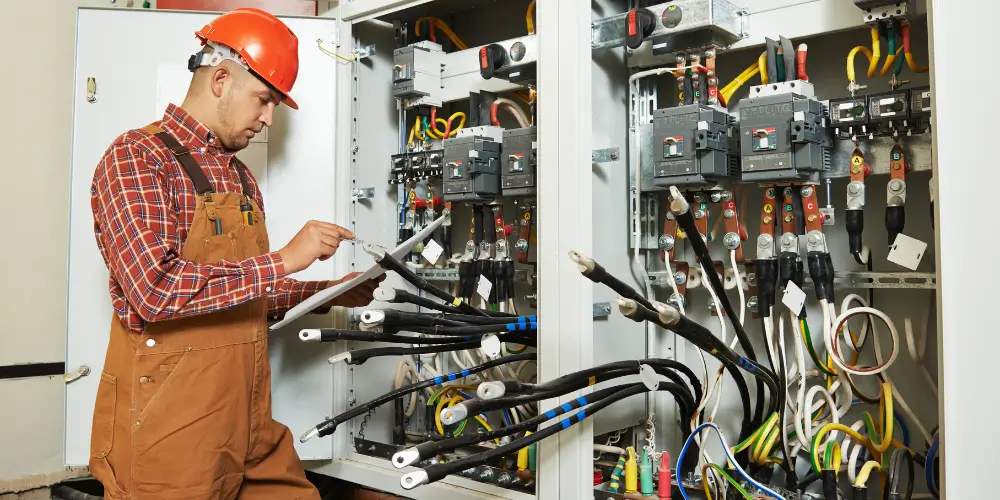
Timing Your EICR
Consider strategically scheduling your Electrical Installation Condition Report (EICR) before listing your home for sale to enhance its marketability and compliance. Ideal inspection timing can greatly affect the speed at which your property sells and potential buyers’ confidence in the transaction.
Firstly, familiarise yourself with local regulations impacting EICR requirements. Different regions may have specific mandates on the frequency of these inspections or particular standards that must be met. Ensuring your property adheres to these norms is vital not just for compliance but also for fostering a sense of security and belonging among prospective buyers.
EICR scheduling tips often suggest planning your inspection during quieter periods in the real estate market. Seasonal considerations, such as avoiding major holidays or extreme weather conditions, can play a considerable role in the smooth execution of the inspection. This foresight allows you to address any necessary repairs promptly without the pressure of imminent buyer visits.
It is essential to consider the duration of the EICR’s validity. Typically, an EICR is valid for up to Five years for homeowners, but this can vary. A recent EICR can be a strong selling point, reassuring potential buyers of the property’s electrical safety and stability.
It aligns with the buyer expectations timeline, showing proactive maintenance and care.
Understanding EICR Terminology
Scheduling your EICR effectively sets the stage for guaranteeing your property meets safety standards and regulations. Understanding EICR terminology is vital to grasping the full scope of what the inspection entails and the significance of its outcomes.
Here’s a breakdown to enhance your comprehension and confirm you’re thoroughly prepared for what the report reveals:
- EICR Terminology Breakdown: Familiarise yourself with terms like ‘C1‘, which indicates immediate danger, and ‘C2’, which suggests potential danger. Knowing these can help you prioritise issues that need urgent attention.
- Common EICR Abbreviations: Terms such as RCD (Residual Current Device) and MCB (Miniature Circuit Breaker) are commonly used. Understanding these abbreviations guarantees you can accurately follow the details of your EICR report.
- EICR Compliance Requirements: It’s important to understand the regulatory requirements that your property must meet. This comprehension aids in evaluating whether your property adheres to legal safety standards, protecting you from potential liabilities.
- EICR Terminology Importance: Recognising the critical nature of these terms empowers you to engage effectively with electricians and confirms that corrective actions are appropriately prioritised.
Dispelling EICR terminology myths and guaranteeing EICR report clarity are integral to understanding electrical safety and the EICR inspection process.
Preparing for an EICR Inspection
Before initiating the EICR process, you must thoroughly prepare your property to guarantee a smooth and efficient inspection. Starting with a detailed EICR checklist can greatly streamline your preparation. This checklist should include verifying that all visible wiring and electrical components are accessible and that no blockages or furniture conceal vital areas.
It’s not just about tidiness; it’s about allowing the inspector complete access to perform a thorough property assessment.
Next, focus on meeting the documentation requirements. Gather all previous electrical inspection reports, any recent electrical work warranties or details, and installed system manuals. Having these documents on hand can answer potential queries from the inspector and highlight your commitment to electrical safety.
It’s also essential to understand the regulations surrounding EICRs. This knowledge guarantees you’re aware of what the inspection entails and helps you appreciate the importance of each step. Regulations can vary, so if you need more clarification, consider hiring professionals specialising in this field. They can offer guidance and guarantee your property meets all necessary standards.
When scheduling inspections, aim for when the property is least disrupted. This facilitates a quicker inspection and demonstrates your respect for the process.
How EICRs Influence Buyers
Providing a completed Electrical Installation Condition Report (EICR) can considerably influence potential buyers’ decisions when selling your home. This document guarantees compliance with safety regulations and plays an essential role in how buyers perceive your property.
Here’s how an EICR can impact buyer decisions:
- Enhancing Buyer Confidence: An EICR conveys to buyers that you have been diligent about maintenance and are committed to ensuring the home’s safety. This creates a strong foundation of trust and can be a deciding factor for buyers wary of future maintenance issues.
- Facilitating Smoother Home Inspections: Home inspections are a standard procedure during the buying process. A recent EICR can expedite these inspections by addressing potential electrical safety concerns beforehand, reducing the chances of unpleasant surprises that could derail negotiations.
- Supporting Property Transparency: Transparency is key in real estate transactions. By presenting an EICR, you’re openly sharing the condition of the electrical systems. This openness aligns with market expectations and positions you as a trustworthy seller, which can protect against buyer negotiation tactics that target perceived risks.
- Securing Investment Assurance: Many buyers consider a home a significant investment. An EICR provides assurance that the electrical infrastructure is up to standard, thereby reducing the buyer’s risk assessment worries and reinforcing the home’s value.
Incorporating an EICR into your selling strategy meets regulatory compliance, aligns with broader market expectations, and enhances the overall buyer experience.
What Happens If You Do Not Have an EICR When Selling?
For a normal private house sale, not having an EICR does not usually stop you selling the property.
However, it may still create practical issues, such as:
- buyer hesitation
- extra solicitor enquiries
- requests for an electrical inspection
- price negotiation
- delay before exchange
- buyer concern about old wiring or fuse boxes
- request for proof of previous electrical work
- request for remedial work before completion
When Is an EICR Useful Before Selling?
An EICR may be useful before selling if:
- the property is old
- the wiring looks dated
- the consumer unit is old or damaged
- there has been previous DIY electrical work
- the property has been rented before
- the buyer has asked for an electrical report
- the surveyor has flagged electrical concerns
- the solicitor has raised enquiries
- you want to reduce negotiation risk
- you want proof of electrical condition before listing
A satisfactory EICR can make the property easier to present to buyers. An unsatisfactory EICR can still be useful because it identifies what needs fixing before the sale becomes delayed.
What If the Property Is Rented or Has Tenants?
If the property is rented or being sold with tenants in place, the position is different.
Landlords in England must have the electrical installation checked at least every 5 years by a properly qualified person and provide reports as required. If remedial or further investigative work is needed, it must usually be completed within 28 days or sooner if the report requires it.
So if you are selling a rental property, do not treat the EICR as optional in the same way as a private owner-occupied sale.
EICR vs EPC When Selling a House
Do not confuse an EICR with an EPC.
| Document | What It Checks |
|---|---|
| EICR | Condition of the fixed electrical installation |
| EPC | Energy efficiency of the property |
| Gas Safety Certificate | Gas appliances and flues where applicable |
| Electrical Installation Certificate | New electrical work or major alteration |
An EPC is normally required when selling or renting a property, but an EICR is not the same document. An EICR is about electrical safety and condition.
What If the EICR Is Unsatisfactory?
You can usually still sell a house with an unsatisfactory EICR, but it may affect the sale.
The buyer may:
- ask for repairs before completion
- ask for a price reduction
- request electrician quotes
- ask for a new report after remedial work
- delay exchange until the issue is explained
- pull out if the defects look serious
If the EICR has C1, C2 or FI observations, it is better to get electrician advice before the sale progresses too far.
Frequently Asked Questions
Can I Conduct an EICR Myself, or Must It Be a Professional?
Do you want to risk a DIY EICR? Only a professional can guarantee compliance with EICR certification processes, which are essential for safety and avoiding common issues. It’s critical to hire qualified electricians.
Are EICRS Required for Newly Constructed Homes?
EICR regulations mandate electrical safety checks even for new homes to guarantee they meet construction standards. This protects buyer requirements and legal obligations during property inspections, enhancing home warranties and community trust.
What Types of Properties Are Exempt From Needing an Eicr?
If you own a brand-new property or one undergoing first-time occupancy, you’re exempt from needing an EICR. These properties meet current electrical safety standards, sidestepping typical rental regulations and legal requirements for home inspection.
How Long Does It Take to Complete an Eicr?
Typically, completing an EICR takes 3-4 hours, but it varies based on property size and condition. Understanding the report and compliance requirements guarantee you meet EICR certification importance for safety and regulatory adherence.
Can Previous Electrical Repairs Affect My EICR Results?
Yes, previous electrical repairs can impact your EICR results, especially if the repair quality didn’t meet compliance standards. Issues like subpar wiring can raise buyer concerns and affect inspection criteria and property value.
Do you need an EICR to sell a house?
No, an EICR is not usually legally required to sell a private house, but buyers, solicitors or surveyors may still request one.
Is an electrical safety certificate required to sell a house?
Not always. For a standard private house sale, an electrical safety certificate is not normally mandatory, but electrical documents may be useful during conveyancing.
Can a buyer ask for an EICR?
Yes. A buyer can ask for an EICR, especially if the property is older, has visible electrical issues or has had electrical work carried out.
Can you sell a house without an EICR?
Yes, you can usually sell a house without an EICR. However, not having one may lead to buyer questions or requests for an electrical inspection.
Should I get an EICR before selling?
It can be a good idea if you want to reassure buyers, reduce negotiation risk or identify electrical issues before the sale.
What happens if the EICR is unsatisfactory?
An unsatisfactory EICR may lead to buyer negotiation, repair requests, delays or price reductions. It does not automatically stop a private house sale. Further know, can you sell a property with an unsatisfactory EICR.
Do landlords need an EICR before selling?
If the property is rented or being sold with tenants, landlord electrical safety duties apply. The landlord should make sure the EICR position is compliant before sale.
Is an EICR the same as an EPC?
No. An EICR checks electrical safety and condition. An EPC checks energy performance. Here is the detailed difference between EIC and EICR.