

What Does EICR Stand for? EICR stands for Electrical Installation Condition Report, a detailed assessment essential for guaranteeing the safety and regulatory compliance of electrical systems within residential, commercial, and industrial properties. Certified electrical professionals meticulously conduct this report. It identifies any deviations or faults against national safety standards, aiming to prevent electrical accidents and maintain the system’s integrity. Scheduled typically between 1 to 3 years, annually for specific facilities such as pools and spas, EICR is a preventative measure that assesses risks, verifies insulation resistance, and checks protective devices. Exploring the intricacies of each component assessed in an EICR can further illuminate its indispensable role in electrical safety.
Key Takeaways
- EICR stands for Electrical Installation Condition Report.
- It assesses the safety and compliance of electrical systems in properties.
- The report identifies electrical faults and safety deviations.
- EICR is essential for ensuring electrical installations meet legal standards.
- Regular EICR checks help prevent electrical accidents and hazards.
Table of Contents
Understanding EICR
Electrical Installation Condition Report, a critical assessment required to guarantee the safety and compliance of electrical systems in residential, commercial, and industrial properties.
This report is pivotal as it identifies any deficiencies in the national safety standard for electrical installations, which can help prevent electrical accidents.
Understanding the importance of an EICR is essential for maintaining electrical integrity and safeguarding occupants from potential hazards associated with faulty electrical installations.
What does EICR stand for?
Understanding the EICR is essential for professionals involved in the maintenance of electrical systems. This document is pivotal in evaluating the safety and efficiency of electrical installations in buildings, whether residential, commercial, or industrial.
The terminology surrounding EICR is often misinterpreted, leading to common misconceptions about its scope and necessity. Contrary to some beliefs, an EICR is not a simple checklist but a detailed evaluation conducted by qualified personnel. It involves testing and inspection of various electrical components and circuits to identify any potential risks, deterioration, or non-compliance with current electrical standards.
The significance of an EICR cannot be overstated. It serves as a critical tool for ensuring the safety of occupants and the operational integrity of the electrical system. The findings from an EICR guide the necessary remedial actions to mitigate any identified risks.
Additionally, this report provides a documented benchmark of the installation’s condition at the time of inspection, which is invaluable for maintenance schedules and future inspections.
To effectively safeguard electrical integrity and compliance, professionals must approach EICR with a thorough understanding of its components and implications.
Why is an EICR important?
Recognising the importance of an Electrical Installation Condition Report (EICR) in safeguarding human lives and property is essential.
The EICR serves as a thorough assessment, meticulously evaluating the safety and integrity of electrical installations within a premises. This evaluation is not only a preventive measure but also a critical compliance requirement that aligns with stringent safety regulations.
The benefits of EICR are manifold, particularly in how it contributes to the overarching framework of electrical safety.
Here are some crucial reasons why an EICR is indispensable:
- Risk Identification: Detects potential electrical safety risks before they escalate into hazardous incidents.
- Compliance Assurance: Guarantees installations meet current legal standards set by safety regulations, consequently avoiding legal repercussions.
- Property Protection: Helps in preventing damage to property by identifying and rectifying faulty electrical systems.
- Insurance Requirements: This is often a prerequisite for obtaining or maintaining insurance coverage, as it proves due diligence in managing electrical risks.
- Long-Term Cost Savings: Early detection and rectification of electrical faults reduce the need for expensive repairs or replacements in the future.
What is the purpose of an EICR?
The primary objective of an Electrical Installation Condition Report (EICR) is to ensure that all electrical systems and installations in a property comply with current electrical safety standards, thereby mitigating potential hazards.
For landlords and business owners, obtaining an EICR is not only a prudent safety measure but also a legal obligation under various national regulations to guarantee the electrical installations are safe before the property is let.
This report identifies any deficiencies against the national safety standard for electrical installations, which can prevent legal repercussions and enhance safety for occupants.
Ensuring electrical safety in properties
An Electrical Installation Condition Report (EICR) is an important instrument for ensuring electrical safety in residential and commercial properties. This detailed assessment is vital for identifying deficiencies that could lead to electrical hazards.
By systematically examining electrical installations against the national safety standard, the EICR helps mitigate risks associated with electrical faults, thereby preserving property integrity and occupant safety.
Key components of an EICR include:
- Inspection of Wiring and Fixed Electrical Equipment: To check for wear and tear, corrosion, or modifications that deviate from the original installation or current standards.
- Identification of Fire Hazards or Electric Shock Risks**: Highlighting areas where faulty wiring or equipment could lead to serious incidents.
- Assessment of Protective Devices**: Verification that circuit breakers and fuses are correctly rated for the circuit they protect.
- Testing for Earthing and Bonding Efficiency: Ensuring that electrical currents can be safely grounded.
- Load Analysis: Evaluating if the system can handle the current electrical demand without overheating.
Legal requirements for landlords and businesses
While Electrical Installation Condition Reports (EICRs) are pivotal for maintaining safety standards, they also fulfill specific legal requirements for landlords and businesses. From a legal perspective, the implications of EICRs extend beyond mere regulatory compliance; they are integral in ensuring that electrical systems within properties meet stringent safety norms, thereby mitigating potential legal liabilities.
Landlord responsibilities under various housing standards and regulations explicitly require that all electrical installations are inspected and tested by a qualified person at intervals not exceeding five years, or more frequently depending on the installation’s age and usage. This requirement isn’t just a procedural formality but a critical component in safeguarding tenants against electrical hazards, which if neglected, can lead to severe legal repercussions including fines, imprisonment, or both.
Moreover, businesses face similar compliance challenges, particularly those operating in environments with high electrical load demands. Failure to procure an EICR can be viewed as negligence, leading to legal actions or voidance of insurance policies during electrical fire incidents.
Consequently, the EICR protects against potential financial and reputational damages, making it an indispensable tool for any property owner or manager committed to operational excellence and legal compliance.
What Does an EICR Cover?
An Electrical Installation Condition Report (EICR) encompasses a series of critical examinations designed to evaluate the safety and integrity of an electrical installation.
During the inspection, key checks are conducted on wiring systems, protective devices, and connectivity to identify any compliance issues or potential hazards.
The report typically documents common electrical faults such as inadequate earthing, circuit overloads, and deterioration of insulation, providing a detailed analysis of the electrical system’s current state.
Key checks performed during an inspection
Typically, an Electrical Installation Condition Report (EICR) involves a thorough assessment of the electrical systems and installations within a property to confirm they meet safety standards. This examination is pivotal in identifying compliance with prevailing wiring regulations and detecting any potential electrical safety issues.
The key checks during an EICR are critical to confirming the ongoing safety and functionality of the electrical installations. These checks are detailed and methodical, reflecting robust electrical testing procedures and adherence to key safety measures. The rigor of these inspections is guided by established inspection frequency guidelines, confirming timely identification and mitigation of risks.
- Continuity of Protective Conductors**: Confirms that all safety and earthing conductors are continuous and effectively provide a path to ground.
- Insulation Resistance: Tests for sufficient insulation in wiring to prevent accidental shocks and electrical fires.
- Polarity: Checks to confirm that connections are correctly made and that the arrangement of the live and neutral conductors is correct.
- Earth Fault Loop Impedance: Measures the earth’s ability to carry fault current safely, confirming that any fault currents can effectively trip the circuit breaker.
- RCD Testing: Verifies the responsiveness and functionality of Residual Current Devices to confirm they trip under fault conditions, providing critical protection against electric shock and fire hazards.
Common electrical faults found in reports
Conducting an Electrical Installation Condition Report (EICR) frequently uncovers a range of common electrical faults that can pose considerable risks if not addressed. Among the most prevalent issues identified are common wiring issues, which encompass a spectrum from incorrect wiring connections to the deterioration of insulation material. These faults can lead to circuit overloads and potential fire hazards, necessitating immediate corrective measures.
Faulty circuit breakers are another critical concern highlighted in EICR findings. These devices are designed to protect an electrical circuit by interrupting current flow upon detecting a fault condition. However, when these breakers are compromised, either through mechanical failure or capacity overload, the entire electrical system’s safety is compromised. This can result in unexpected power outages or severe electrical incidents.
Outdated electrical systems represent a third major category of fault. Such systems often fail to comply with current electrical safety standards. They may not support the energy demands of modern appliances.
The presence of obsolete components like fuse boxes, old wiring, and inadequate protective devices can considerably increase the risk of electrical accidents. Upgrading these systems is essential for enhancing safety and efficiency in the property’s electrical infrastructure.
Who Needs an EICR?
Determining the necessity of an Electrical Installation Condition Report (EICR) hinges considerably on the type of property ownership and its use.
Although an EICR is not universally mandated for homeowners, it is highly advisable to guarantee safety and compliance with electrical standards.
In contrast, landlords and operators of commercial properties are often legally obligated to obtain an EICR to verify the electrical systems’ safety and functionality, aligning with stringent regulatory frameworks.
Is it required for homeowners?
Most homeowners are not legally required to obtain an Electrical Installation Condition Report (EICR); however, it is mandated for landlords and commercial property owners in several jurisdictions.
Despite the lack of statutory obligation, homeowners should consider the broader implications of not maintaining an updated EICR. This assessment primarily serves as a meticulous evaluation of a property’s electrical systems, guaranteeing they conform to the prevailing safety regulations.
The technical and analytical benefits of acquiring an EICR include:
- Risk Mitigation: Early identification of potential electrical safety issues prevents accidents.
- Compliance Assurance: This guarantees that electrical installations adhere to current safety standards.
- Financial Prudence: Identifies problems before they necessitate expensive repairs.
- Insurance Requirements: Some insurers may require a recent EICR before providing coverage.
- Property Value: Enhances the property’s marketability by certifying its electrical safety.
Homeowner responsibilities extend beyond mere compliance; they encapsulate a commitment to safety and diligence.
Understanding and implementing these safety regulations protects the physical structure and safeguards the residents from potential hazards.
Therefore, while not compulsory, the EICR benefits in providing peace of mind and fostering a safer living environment.

EICR for landlords and commercial properties
Landlords and commercial property owners are required to obtain an Electrical Installation Condition Report (EICR) to guarantee compliance with safety regulations and laws specific to electrical systems in buildings.
The EICR serves as a pivotal instrument in evaluating the operational integrity and safety of electrical installations. For landlords, adherence to these standards is not merely a regulatory formality but a critical liability management strategy.
Failure to comply can lead to severe legal consequences including fines and invalidated property insurance.
Commercial entities must undergo periodic EICR evaluations to mitigate risks associated with aging or potentially compromised electrical systems. This preventive measure guarantees the safety of occupants and continuity of business operations, thereby underscoring the property owners’ commercial safety obligations.
Landlord responsibilities extend beyond obtaining the initial EICR. They must also guarantee that any recommended corrective actions highlighted in the report are executed within the stipulated timeframes.
The frequency of subsequent inspections depends on various factors, including the age of the building, the complexity of the electrical system, and usage patterns. Further visit: What is the frequency of an EICR.
How Often Should You Get an EICR?
The frequency of Electrical Installation Condition Reports (EICR) varies depending on the type of property and its usage; for instance, commercial buildings often require more frequent evaluations than residential homes due to their higher electrical load and usage patterns.
Neglecting to schedule regular EICR assessments can lead to non-compliance with safety regulations, potentially resulting in legal ramifications and heightened risk of electrical failures.
It is critical to adhere to recommended guidelines for EICR testing to guarantee electrical system integrity and safety.
Recommended testing frequency for different properties
Understanding the recommended testing frequency for different properties is essential for maintaining electrical safety and compliance. EICR guidelines stipulate specific testing intervals that vary depending on property types, reflecting the unique risks and usage patterns associated with each.
Adhering to these guidelines not only guarantees legal compliance but also enhances the safety of the occupants and the longevity of the electrical systems.
The testing intervals recommended by authoritative bodies are structured to address the potential degradation of electrical installations over time. Here are key recommendations:
- Residential properties: Every 5 years or at a change of tenancy, whichever comes first.
- Commercial properties: Every 5 years or upon significant changes in the usage of the premises.
- Industrial properties: Typically every 3 years, considering the higher risks associated with heavy machinery and constant usage.
- Public buildings, such as schools and hospitals, should undergo more frequent testing, at least every 1 to 3 years.
- Special locations: These include places with swimming pools or spas, which should have annual inspections due to the higher risk of corrosion and electrical faults.
These intervals are not just arbitrary; they are based on a detailed analysis of the environments and the equipment used within these properties.
Keeping up with these intervals guarantees that all potential hazards are identified and mitigated in a timely manner, safeguarding property and life.
What happens if you don’t get an EICR?
Failing to adhere to the recommended EICR testing intervals can have serious consequences for property owners and managers. Neglecting this vital assessment risks the safety of the building’s occupants and the integrity of the property’s electrical installations.
Without regular inspections, potential hazards such as faulty wiring or overloaded electrical systems may go undetected, escalating the chances of electrical fires or severe malfunctions.
The absence of a valid EICR can also lead to significant legal and financial outcomes. Property owners may face penalties or fines if their electrical systems are found to be non-compliant with current safety standards.
In addition, insurance companies often require a current EICR to provide coverage against electrical faults. Failure to produce a valid report can result in the denial of insurance claims, leaving the property owner financially liable for damages and repairs.
The urgency of conducting periodic EICRs cannot be overstated. They guarantee compliance with safety regulations, enhance electrical safety, and mitigate potential EICR consequences.
Property managers and owners are advised to prioritise these inspections to safeguard against the risks associated with outdated or deteriorating electrical systems.

What Will the EICR Report Show?
The Electrical Installation Condition Report (EICR) categorises electrical safety issues using specific codes that indicate the urgency and type of action required.
Code 1 (C1) signifies immediate danger with a risk of injury, necessitating urgent remedial action to mitigate safety risks.
Conversely, Code 2 (C2) and Code 3 (C3) indicate potential dangers and recommendations for improvements, respectively. At the same time, Code 4 (F1) suggests that further investigation is required to assess underlying issues.
Code 1 (C1): Danger present. Risk of injury
Immediate danger forms the crux of a Code 1 (C1) classification in an Electrical Installation Condition Report (EICR), indicating that conditions hazardous enough to cause injury are present and require urgent attention.
This assessment underscores a vital electrical safety concern that demands immediate remedial actions to mitigate direct risks associated with electrical installations.
- Immediate disconnection of power is often warranted to prevent incidents of electrocution or fire.
- A thorough risk assessment must be conducted to understand the specific hazards and the extent of potential injury.
- Failure to address a C1 issue can lead to severe legal and insurance implications for the property owner.
- The urgency of repair work is communicated clearly to avoid any delay, which itself could exacerbate the risk.
- Documentation of the fault and actions taken is essential for compliance with safety standards and future audits.
A C1 finding has significant EICR implications, as it reflects an installation’s failure to meet legal safety standards.
This level of defect requires an understanding of the technical failure and a strategic approach to rectification that prioritises human safety above all.
Code 2 (C2): Potentially dangerous
Code 2 (C2) designations in an Electrical Installation Condition Report (EICR) highlight potential dangers that, while not immediately life-threatening, require intervention to prevent future hazards. Such findings indicate issues within the electrical installations that could become severe if not addressed promptly.
Analysing these conditions involves understanding their potential to breach safety standards and the possible EICR implications if left unresolved. The identification of a C2 issue signifies a deviation from the ideal conditions mandated by current electrical compliance regulations. This categorisation serves as a critical alert to property owners and facility managers, indicating that the safety integrity of the electrical system is compromised to a degree but does not pose an immediate threat to life.
However, the underlying concern is significant enough that corrective measures cannot be deferred for an extended period. Addressing C2 findings typically involves strategic interventions to rectify substandard electrical components or configurations that could deteriorate into more critical conditions.
Compliance with prescribed safety standards is non-negotiable, and remedial action is imperative to uphold the safety and functionality of the electrical infrastructure. Timely response to these findings underscores the commitment to maintaining a safe environment. It guarantees continuous adherence to stringent electrical safety norms.
Code 3 (C3): Improvement recommendations
Moving on to a Code 3 (C3) designation within an Electrical Installation Condition Report (EICR), this indicates that improvement is recommended. Although not immediately hazardous, addressing these issues can enhance overall electrical safety and compliance with up-to-date standards. A C3 rating does not demand urgent action. Still, it highlights areas where enhancements could greatly benefit the electrical system’s safety and functionality.
Understanding a C3 rating involves recognising its implications in the broader context of electrical maintenance:
- Enhanced Safety: Upgrading components to meet higher safety standards, reducing the risk of future hazards.
- Future Proofing: Adapting installations to be compatible with new technologies or to anticipate regulatory updates.
- Energy Efficiency: Recommendations might include updates that improve the electrical system’s energy efficiency, reducing energy costs.
- System Reliability: Improvements can increase the reliability of the electrical system, avoiding potential disruptions or failures.
- Compliance with Standards: Confirming the electrical installations align with current electrical safety standards, which can evolve.
Incorporating these improvement recommendations into maintenance schedules confirms that the electrical installations not only meet current standards but are also positioned for future requirements and enhancements.
Code 4 (F1): further investigation required
A Code 4 (F1) designation on an Electrical Installation Condition Report (EICR) signals that further investigation is necessary. This classification indicates that during the preliminary assessment, the inspector identified potential safety concerns or anomalies that could not be conclusively evaluated with the data available at the time.
This status is critical as it implies that there might be underlying issues affecting the electrical safety of the installation that are not immediately quantifiable or visible.
Further investigation under a Code 4 (F1) notice involves a more detailed examination beyond the standard inspection procedures. This may include advanced diagnostic testing or dismantling certain components to access concealed areas.
The aim is to gather sufficient information to accurately diagnose the issues and determine if they pose a significant risk or contravene current inspection standards.
The requirement for further investigation underscores the importance of adhering to rigorous electrical safety protocols and maintaining an installation within operational and safety norms.
Ignoring such a directive can lead to safety hazards, including electrical fires or shock. Adhering to this condition not only guarantees compliance with safety regulations but also enhances the reliability and longevity of the electrical installation.
Who is responsible for EICR on a commercial property?
In the context of commercial properties, the responsibility for conducting an Electrical Installation Condition Report (EICR) typically falls on the property owner or manager.
Once faults or deviations from the standard regulations in the EICR are identified, it becomes imperative to address these issues promptly to guarantee compliance and safety.
The remediation process must be undertaken by qualified electrical professionals who can ensure that all corrective actions adhere strictly to the current electrical standards and codes.
How to fix issues found in an EICR
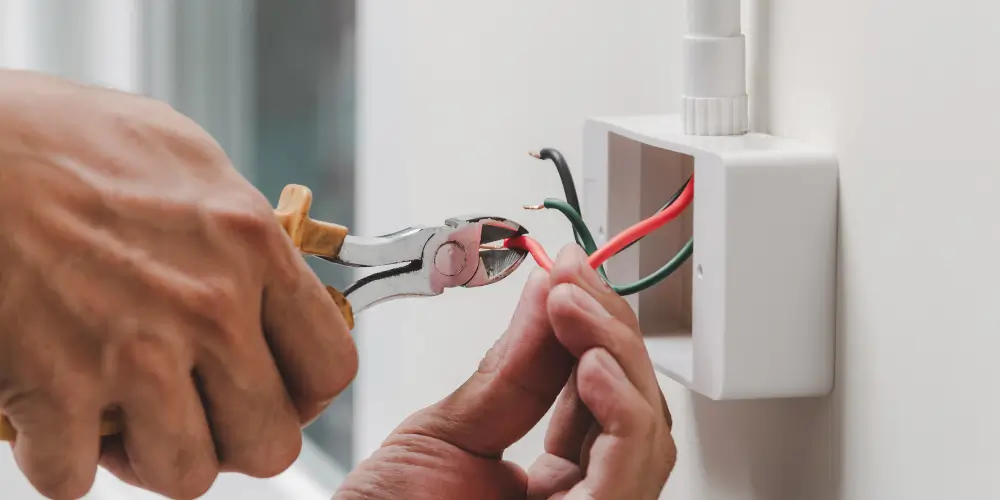
Responsibility for addressing issues identified in an Electrical Installation Condition Report (EICR) on a commercial property typically rests with the property owner or landlord.
Upon receiving an EICR, it is crucial that the owner promptly initiates corrective measures to mitigate any identified risks, guaranteeing the safety and compliance of the electrical installations.
The process involves several technical and rigorous steps, including:
- Identification and Diagnosis: Thorough analysis of the EICR to pinpoint specific faults and assess their severity.
- Planning and Prioritisation: Strategically scheduling repairs, starting with the most critical issues to minimise potential hazards.
- Selection of Qualified Personnel**: Engaging certified electricians who are experienced in fixing electrical faults in commercial settings.
- Implementation of Repairs: Utilising common repair techniques that comply with the latest industry standards and safety regulations.
- Verification and Reassessment: Conducting safety compliance checks post-repair to guarantee all issues are adequately resolved and the installation meets legal standards.
This procedural approach guarantees technical efficiency and reinforces safety, legal compliance, and operational continuity, thereby safeguarding the property’s value and functionality.
Cost of an EICR Inspection
The cost of an Electrical Installation Condition Report (EICR) can vary widely and is influenced by several factors, including the size and complexity of the electrical installation, the age of the property, and the geographic location of the premises.
A detailed analysis of these factors is essential for property owners to anticipate the financial implications accurately.
Additionally, evaluating the return on investment for an EICR is vital, considering it not only assures compliance with safety regulations but potentially mitigates expensive electrical failures in the future.
Factors affecting the price
Several factors influence the cost of an Electrical Installation Condition Report (EICR) inspection, primarily including the size and age of the property being assessed. The intricacies of the electrical systems within older buildings often require more thorough investigations due to potential degradation and outdated wiring practices, which can elevate the inspection costs. Further visit our cost of EICR services.
Here are some critical determinants:
- Market Demand Influences: The level of demand for EICR services in a particular area can greatly impact pricing. High demand can lead to higher prices due to the limited availability of qualified electricians.
- Regional Pricing Variations: Costs can vary greatly depending on geographic location. Urban areas, where operational and labor costs are higher, typically see elevated EICR prices compared to rural regions.
- Inspection Complexity Factors: The complexity of the electrical installation and the presence of specialised systems such as solar panels or home automation can increase the scope and cost of the inspection.
- Property Size: Larger properties have more extensive wiring networks, which take longer to inspect and consequently cost more.
- Accessibility Issues: Difficulty accessing certain parts of a building can also complicate the inspection process, leading to increased labor and, therefore, higher costs.
These elements combine to form a multifaceted pricing structure, underscoring the need for prospective clients to evaluate multiple quotes and understand the specific requirements of their property’s electrical system.
Is an EICR worth the investment?
Understanding the various factors that influence the cost of an Electrical Installation Condition Report (EICR) sets the stage for evaluating whether such an investment is justified. Delving into the investment analysis reveals that the cost of an EICR is not merely an expense but a preventive measure, safeguarding against potential electrical failures which could result in costly repairs or hazardous situations. This aligns with the primary EICR benefits of ensuring electrical safety and compliance with legal standards.
| Factor | Impact on Cost |
| Property Size | Larger areas require more time and resources, increasing costs. |
| Age of Installation | Older systems may need more extensive testing, raising expenses. |
| Access and Complexity | Difficult-to-access areas or complex systems can escalate the required effort and cost. |
Cost considerations must also include the frequency of inspections needed, influenced by the property’s usage and environmental conditions. A detailed cost-benefit analysis based on these parameters often illustrates that the initial investment in an EICR can substantially mitigate risks and potential future liabilities. Consequently, investing in an EICR not only complies with safety regulations but also represents a strategic decision in long-term property management and safety assurance.
How Long Does an EICR Take?
The duration of an Electrical Installation Condition Report (EICR) can vary notably, primarily influenced by the size and complexity of the property’s electrical system.
Preparation for an EICR assessment is essential. It involves ensuring clear access to all electrical components and documenting any known issues with the electrical system.
During the inspection, the electrician will systematically evaluate the safety of the electrical installations, which may include testing circuitry and inspecting the condition of switches, sockets, and other fixtures.
What to expect during an inspection
When scheduling an Electrical Installation Condition Report (EICR), it’s important to know that the duration of the inspection can vary considerably, depending on several factors.
Understanding the EICR process overview, the specific inspection checklist items, and clarifying common misconceptions are crucial to setting realistic expectations.
The duration of an EICR can be influenced by:
- Complexity of the electrical system: More complex systems require more time to assess thoroughly.
- Size and type of the property: Larger properties or those used for commercial purposes generally take longer to inspect.
- Condition and age of the installation: Older or poorly maintained systems might need more in-depth examination.
- Accessibility of electrical components: Difficulty in accessing certain areas can extend the inspection time.
- Documentation verification: Checking the accuracy and completeness of existing electrical documentation can be time-consuming.
Each of these factors directly impacts the time it takes to conduct a thorough EICR.
Professionals conducting these inspections must meticulously review each component to guarantee compliance with current electrical safety standards, leading to significant variations in the time required for different properties.
How to prepare for an EICR assessment
To adequately prepare for an Electrical Installation Condition Report (EICR) assessment, property owners should first guarantee that all areas with electrical systems are accessible. This preliminary step is pivotal, as it ensures that the EICR inspector can conduct a thorough inspection without obstructions.
Next, it is wise to review the EICR checklist items, which typically include checking the condition of wiring systems, protecting devices for safety against electrical shocks, and determining the suitability of switchgear. Confirming these elements are visibly unobstructed and properly labeled can greatly expedite the assessment process.
Property owners should also verify the qualifications of the EICR inspector. A qualified inspector should be registered with a recognised governing body and possess the necessary certifications to conduct such assessments. This guarantees a high standard of inspection and reliability in the findings.
EICR preparation tips further suggest that documentation of previous inspections and any remedial work carried out should be readily available. These records can provide valuable insights into the historical condition of the electrical installations and facilitate a more efficient and focused assessment.
What Happens After an EICR?
Upon completion of an Electrical Installation Condition Report (EICR), the findings may indicate areas of non-compliance or potential hazards, which are classified as unsatisfactory.
Property owners are then required to address these deficiencies by arranging for necessary repairs or modifications, as detailed in the report, to guarantee compliance with current electrical safety standards.
Once remediations are completed, a subsequent EICR is often necessary to verify that all issues have been rectified and the installation now meets the required safety criteria.
What to do if your report is unsatisfactory
Receiving an unsatisfactory Electrical Installation Condition Report (EICR) necessitates immediate attention as it indicates potential safety risks within the electrical installations.
The ramifications of such a report are significant, not only for the safety of the occupants but also in meeting legal compliance standards.
Here are essential steps to understand and address the EICR implications:
- Review Specifics: Scrutinise the report to understand the exact nature of the problems identified. This involves a detailed analysis of the codes and descriptions provided.
- Consult a Qualified Electrician**: Engage with a certified electrician who can interpret the complex technicalities and provide a clear pathway for the necessary electrical rectifications.
- Consider a Second Opinion**: If the findings or the severity of the issues seem disputable, it is advisable to seek a second opinion from another accredited professional.
- Documentation: Maintain thorough records of all communications and remedial actions taken. This is vital for any future inspections or in case of legal accountability.
- Plan Strategically: Prioritise the rectifications based on the risk they pose. Address the most pressing issues first to mitigate any potential hazards swiftly.
Understanding and addressing these aspects diligently guarantees the safety and compliance of your electrical installations, minimising future risks and disruptions.
Getting repairs and a re-test
After addressing the issues highlighted in an unsatisfactory Electrical Installation Condition Report (EICR), the next critical step is arranging for the necessary repairs and subsequently scheduling a re-test. This phase guarantees that all electrical systems not only meet safety standards but also comply with current regulations, thereby securing EICR compliance updates.
The remediation process involves selecting appropriate electrical repair options, which should be executed by a certified electrician experienced with the complexities of such systems. Once repairs are completed, re-test scheduling procedures must be adhered to to validate the effectiveness of the corrections and update the EICR status.
The following table outlines critical aspects of this process:
| Stage | Considerations |
| Repair Planning | Determine scope based on EICR, estimate costs. |
| Choosing a Technician | Select qualified professionals with proven EICR experience. |
| Execution of Repairs | Monitor compliance with safety standards and installation regulations. |
| Scheduling Re-tests | Align with technician availability and legal requirements. |
| Documentation | Update EICR to guarantee all changes are recorded accurately. |
This structured approach not only guarantees compliance but also enhances the safety and reliability of the electrical installation.

Choosing a Qualified EICR Inspector
Selecting a competent EICR inspector is paramount, as only certified professionals are legally authorised to conduct these assessments.
It is crucial to verify an electrician’s credentials by examining their certification against national standards and confirming they are registered with a recognised governing body.
This verification process safeguards the integrity of the electrical inspection and guarantees compliance with safety regulations.
Who can legally perform an EICR?
Determining who is legally authorised to perform an Electrical Installation Condition Report (EICR) is critical when guaranteeing the safety and compliance of electrical installations.
The EICR must be conducted by individuals with specific EICR qualifications, who understand the thorough electrical inspection regulations that govern these safety assessments.
Certified inspectors are entrusted with this responsibility due to their specialised training and certification, which guarantees they are competent to assess the safety of electrical systems thoroughly.
Here are key criteria for professionals authorised to perform an EICR:
- Accreditation by Recognised Bodies: Inspectors must be accredited by professional bodies that uphold the standards of electrical safety and inspection practices.
- Professional Certification: Possession of up-to-date certification specific to electrical inspections, such as from the National Inspection Council for Electrical Installation Contracting (NICEIC).
- Experience in Electrical Systems: Extensive experience in handling diverse electrical systems and installations is essential.
- Knowledge of Current Regulations**: Thorough knowledge of the latest electrical safety standards** and regulations is mandatory.
- Continuous Professional Development: Ongoing education and training to stay current with technological and regulatory changes in the field.
These qualifications guarantee that the inspector not only complies with legal requirements but also upholds the highest standards of safety and proficiency in electrical inspection.
How to verify an electrician’s qualifications
Verifying an electrician’s qualifications before contracting them to perform an Electrical Installation Condition Report (EICR) is vital for maintaining electrical safety and compliance. Confirming an electrician’s credentials involves a meticulous process that guarantees the individual is both competent and legally authorised to conduct the inspection. When choosing a qualified EICR inspector, it is important to verify their electrician certification, which demonstrates their foundational understanding and expertise in handling electrical systems.
Verification can be streamlined by examining specific documents and affiliations that evidence their professionalism and adherence to industry standards. Below is a table outlining key elements to take into account when checking an electrician’s credentials:
| Criteria | Details | Verification Method |
| Certification | Relevant electrical certifications | Request and verify official certification |
| Registration | Membership in professional bodies | Check official registers or member lists |
| Experience | Years and type of experience in EICR | Review references or previous EICR reports |
These steps are integral in verifying skills and confirming that the electrician can perform the EICR with the requisite thoroughness and adherence to regulatory requirements.
Frequently Asked Questions
Can EICR Findings Affect Property Insurance Rates?
Yes, EICR implications can influence property insurance rates. For instance, identifying high-risk electrical issues might lead to insurance premium adjustments, reflecting increased risk assessment factors considered by insurers in their analytical evaluations.
What Are Common Reasons for EICR Failure?
Common reasons for EICR failure include inadequate earthing or bonding, outdated wiring, and non-compliance with current EICR compliance standards during the EICR inspection process, highlighting prevalent EICR issues impacting electrical safety and system integrity.
Is an EICR Legally Required for Selling a Property?
While not universally mandated, EICR requirements for selling a property vary by location, introducing significant legal implications. Sellers must verify local regulations to ascertain compliance, thereby avoiding potential legal entanglements in property transactions.
How do you contest discrepancies in an EICR report?
To contest discrepancies in an EICR report, initiate a dispute resolution process with the inspecting body, seeking report clarification to guarantee electrical compliance. If necessary, engage a second opinion to analyse and verify findings analytically.
Are Temporary Electrical Installations Subject to EICR?
Yes, temporary electrical installations must adhere to EICR protocols to guarantee they meet established electrical safety and compliance standards, safeguard against potential hazards, and maintain a high level of operational integrity and security.
