

An EICR test checklist helps explain what an electrician checks during an Electrical Installation Condition Report. If you are a landlord, homeowner, letting agent or business owner, this page gives you a clear view of what is normally inspected, what can cause a failed result, and what happens after the visit.
A proper EICR checklist is not just a quick visual look. It covers the fixed electrical installation, includes inspection and testing, and ends with a report that shows whether the installation is satisfactory or unsatisfactory.
Last Updated: 2026
Reviewed By: London Safety Certificate Compliance Team
Key Takeaways
- An EICR test checklist explains what an electrician checks during an Electrical Installation Condition Report.
- An EICR covers the fixed electrical installation, not portable appliances.
- The inspection usually includes the consumer unit, earthing, bonding, wiring, sockets, switches, lighting circuits and protective devices.
- A proper EICR includes both visual inspection and electrical testing.
- Common fail points include damaged accessories, overheating, poor bonding, unsafe alterations and wiring deterioration.
- If parts of the installation cannot be accessed or tested, this should be recorded as a limitation in the report.
- After the inspection, the electrician issues a report showing whether the installation is satisfactory or unsatisfactory.
- For landlords, homeowners and businesses, an EICR checklist helps you understand what to expect before booking an inspection.
Table of Contents
What Is an EICR Checklist?
An EICR checklist is a simple way to understand the main parts of an electrical installation that are assessed during an EICR. It covers visible condition, safety devices, earthing, bonding, circuits, accessories and the general safety of the fixed wiring.
For most property owners, the point of an EICR test checklist is simple: to know what the electrician is looking at and what issues may need attention.
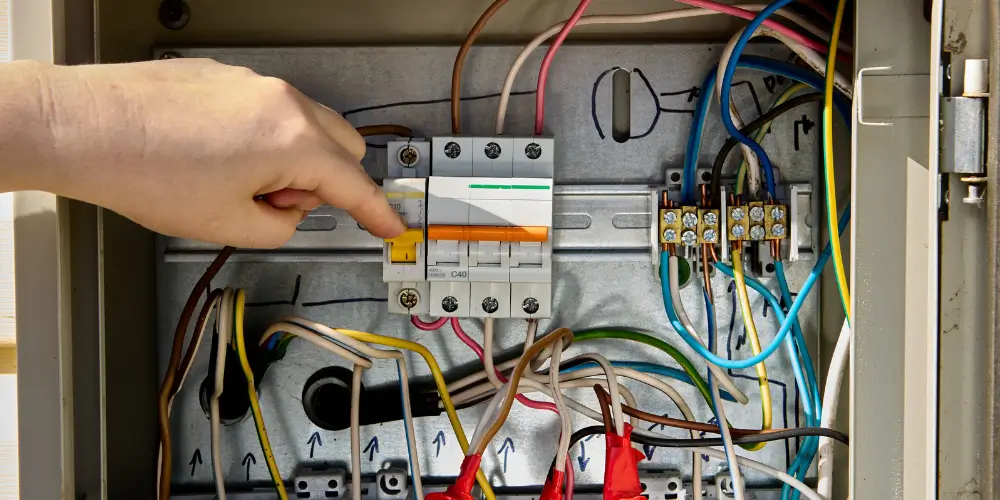
What Does an Electrician Check During an EICR?
During an EICR, the electrician focuses on the fixed electrical installation rather than portable appliances. That means the inspection is aimed at the wiring system, protective devices and electrical accessories built into the property.
Consumer unit or fuse board
The consumer unit is one of the first things checked on an EICR checklist. The electrician looks at its overall condition, whether it appears safe, whether the labelling is clear, and whether there are visible signs of damage, heat or poor workmanship.
Earthing and bonding
Earthing and bonding are a major part of any EICR test checklist. The electrician checks whether the installation has suitable earthing arrangements and whether bonding is present where required. Problems here can increase electrical shock risk and often lead to observations on the report.
Wiring condition
Visible wiring is checked for age, damage, wear, deterioration, unsafe joints and signs of previous poor-quality electrical work. In older properties, wiring condition is often a key part of the inspection.
Sockets, switches and accessories
Sockets, switches and other accessories are checked for cracks, looseness, signs of overheating, damage and general condition. Damaged accessories are common issues found during an EICR.
Lighting points and fittings
Lighting circuits and fittings are checked for visible defects, poor terminations, loose fittings and other signs that the installation may not be in safe condition.
Protective devices
Protective devices such as RCDs and RCBOs are an important part of the EICR checklist. Where fitted, they are assessed as part of the inspection and testing process.
General signs of danger
An electrician will also look for warning signs such as burning marks, corrosion, exposed parts, unsafe alterations, moisture damage or anything else that suggests the electrical installation may not be safe for continued use.
As important as the checklist itself is making sure the inspection is carried out by someone qualified, which is why many property owners ask whether any electrician can do an EICR.
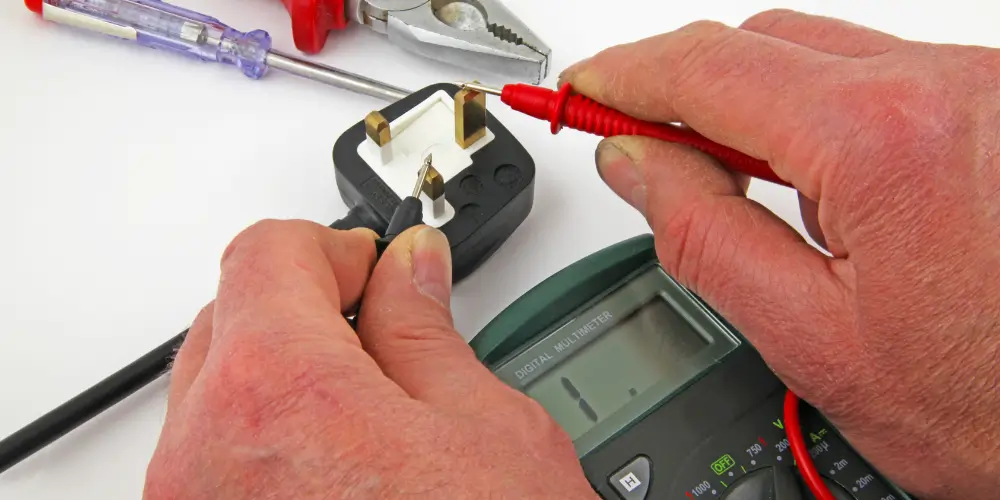
High-Level Tests Included in an EICR
A full EICR test checklist includes more than visual checks. The electrician will usually carry out a series of electrical tests to assess the condition and safety of the installation.
These may include:
- continuity testing
- insulation resistance testing
- polarity checks
- earth fault loop impedance testing
- RCD testing where applicable
The exact scope depends on the property, the installation, access on the day and any agreed limitations. If a part of the installation cannot be properly inspected or tested, that should be recorded in the report.

Common Reasons a Property Fails an EICR
Many people search for an EICR checklist because they want to know what can lead to an unsatisfactory result. Although every property is different, some issues come up regularly.
Common reasons include:
- damaged sockets, switches or fittings
- signs of overheating or burning
- poor or missing bonding
- unsafe consumer unit condition
- exposed live parts
- deterioration in wiring
- dangerous DIY alterations
- failed test results
- lack of suitable protection in higher-risk situations
If dangerous or potentially dangerous issues are found, the report may come back as unsatisfactory.
EICR Checklist for Landlords
For landlords, an EICR test checklist is especially useful because it shows what will normally be reviewed before the report is issued.
Before the appointment, landlords should make sure:
- the consumer unit is accessible
- all rooms can be entered
- tenant access has been arranged
- occupants know there may be short power interruptions
- any known electrical issues are mentioned before the inspection starts
Good preparation helps reduce delays and avoid unnecessary limitations on the report. Landlords must comply with regulations related to electrical safety. Visit the Landlord and Tenant Rights and Responsibilities for further guidance on electrical safety obligations.
What Happens After the EICR Check?
Once the inspection and testing are complete, the electrician records the findings in the EICR report.
A proper report should include:
- the outcome of the inspection
- observations found during the visit
- any limitations that affected the inspection
- test schedules and results
- a recommended next inspection date
If the EICR report is unsatisfactory, remedial work may be needed before the installation can be considered safe.
Why an EICR Checklist Matters
A clear EICR checklist helps property owners understand what the inspection covers and what the report is based on. It also makes it easier to prepare the property properly and deal with any issues quickly if the report comes back unsatisfactory.
For landlords and businesses, this is about more than peace of mind. It is also about knowing whether an EICR is a legal requirement and keeping clear evidence of the condition of the fixed wiring. Regular EICR checks are essential for health and safety, as outlined by the Health and Safety Executive (HSE), to prevent electrical hazards that could put lives at risk and ensure compliance with workplace and residential safety standards.
Frequently Asked Questions
Is an EICR checklist the same as an EICR report?
No. An EICR checklist explains what is usually checked during the inspection, while the EICR report is the final document issued after the inspection and testing are completed.
Does an EICR include portable appliances?
No. An EICR covers the fixed electrical installation. Portable appliances are separate and would normally fall under PAT testing.
Can a property fail because of damaged sockets or wiring issues?
Yes. Damage, overheating, deterioration or unsafe alterations can all lead to observations that make the report unsatisfactory.
How long does an EICR check take?
It depends on the size, condition and layout of the property, the number of circuits and how easy access is on the day.
What if my EICR is unsatisfactory?
If the EICR is unsatisfactory, the findings should be reviewed and any required remedial work should be arranged with a competent electrician.