
EICR stands for Electrical Installation Condition Report. It is the formal report produced after inspection and testing of a property’s fixed electrical installation.
In practical terms, an EICR is used to assess the condition of the electrics and identify whether there are any signs of damage, deterioration, poor workmanship, wear, or anything that could present a safety risk. It helps landlords, homeowners, buyers, agents, and businesses understand whether the installation is in a satisfactory condition and whether any remedial work is needed.
If you are searching for what does EICR stand for, EICR meaning, or what is an EICR report, the short answer is simple: it means Electrical Installation Condition Report, and it is the document used to record the condition of a property’s fixed electrical installation after inspection and testing.
Last Updated: 2026
Reviewed By: London Safety Certificate Compliance Team
Key Takeaways
- EICR stands for Electrical Installation Condition Report.
- It evaluates the safety of electrical installations in properties.
- An EICR identifies potential electrical hazards and ensures regulatory compliance.
- The report assesses wiring, circuits, and safety devices.
- Regular EICR inspections are essential for maintaining electrical safety.
Table of Contents
What Is an EICR Report?
An EICR report is a formal document used to record the condition of the fixed electrical installation in a property. That means the permanent electrical system rather than portable appliances.
The report is produced after inspection and testing and is used to show whether the installation appears satisfactory for continued use at the time it was checked. It also records any observations, recommendations, and the overall outcome of the inspection.
Many people refer to this as an EICR certificate, but in practice it is a report that sets out the findings of the inspection in a structured way. If you want a fuller explanation of the document itself, read what is an EICR certificate.

What Does an EICR Involve?
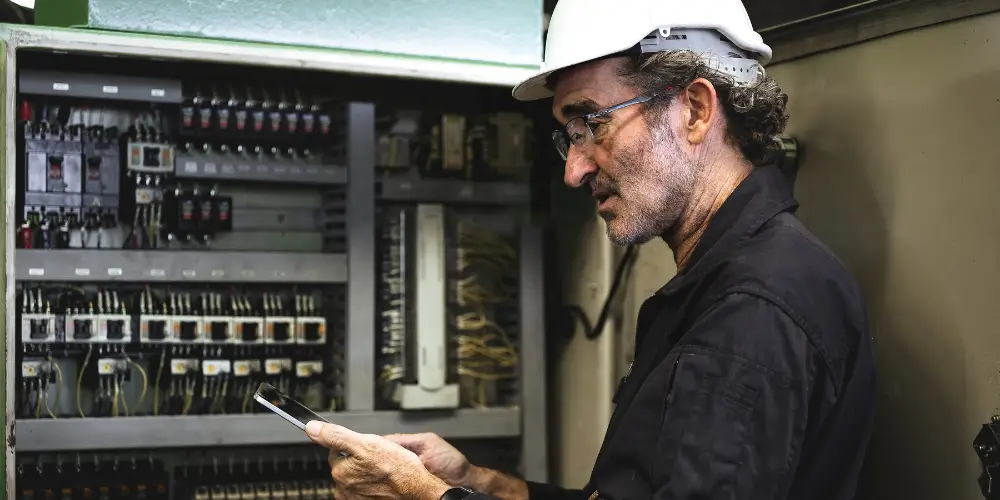
An EICR involves both visual inspection and electrical testing of the fixed installation.
This usually includes the consumer unit or distribution board, accessible wiring, circuits, protective devices, earthing and bonding, sockets, switches, and lighting circuits. The purpose is to assess whether the installation is in a satisfactory condition and whether there are any defects, dangerous conditions, or issues requiring further attention.
A proper EICR is not just a quick look at the fuse board. It is a structured electrical inspection that checks the condition of the installation and records the findings properly. If you want a more detailed breakdown of the inspection stages, read our guide to the EICR test procedure.
What Does an EICR Check?
An EICR checks the condition of the fixed electrical installation in the property. While the exact scope depends on the installation and access available, it commonly covers:
- the consumer unit or distribution board
- circuit protection and protective devices
- earthing and bonding arrangements
- accessible wiring and electrical accessories
- socket outlets and switches
- lighting circuits
- signs of overheating, wear, damage, or poor workmanship
The aim is to assess safety, condition, and suitability for continued use.

What Does an EICR Report Show?
An EICR report shows the condition of the installation at the time of inspection and testing. It records what was inspected, what was tested, what issues were found, and whether the installation has been assessed as satisfactory or unsatisfactory.
The report will usually include observations and classification codes where issues are identified. These codes help show whether immediate action is required, whether urgent remedial work is needed, whether further investigation is required, or whether an improvement is recommended.
That is why the report matters. It gives the property owner or responsible person a written record of the electrical installation’s condition rather than a vague verbal opinion. If you want to see how the finished document is usually structured, view our EICR report example.

Why an EICR Matters
An EICR matters because it helps identify electrical hazards before they lead to bigger safety problems.
Faults in a fixed electrical installation are not always obvious during normal day-to-day use. An installation may still appear to be working while having underlying defects, deterioration, or inadequate protection. An EICR helps bring those issues to light through proper inspection and testing.
For landlords and property professionals, it also provides a record of the condition of the electrics. For homeowners and buyers, it gives a clearer understanding of the installation rather than relying on assumptions.
Who May Need an EICR?
An EICR may be relevant for:
- landlords
- homeowners
- buyers and sellers
- letting agents
- commercial property owners
- businesses responsible for fixed electrical installations
The same term is used whether the report relates to a domestic property, commercial premises, care home, or medical centre. What changes is the type of property, the risk profile, and the inspection scope, not the meaning of EICR itself.
Is EICR the Same as Electrical Installation Condition Report?
Yes. EICR is simply the shortened form of Electrical Installation Condition Report.
So when people search for:
- EICR
- Electrical Installation Condition Report EICR
- EICR Electrical Installation Condition Report
- electrical inspection condition report
they are generally referring to the same document and the same type of fixed electrical inspection.
What Happens After an EICR?
Once the inspection has been completed, the findings are recorded in the report.
If the outcome is satisfactory, the report should be kept safely as part of the property records and the recommended next inspection date should be noted.
If the outcome is unsatisfactory, the recorded issues should be reviewed properly and the necessary remedial work or further investigation should be arranged. The report is only useful if the findings are understood and acted on. If you also need to know when the next inspection is due, read how long an EICR is valid for.
Final Answer
EICR stands for Electrical Installation Condition Report. It is the report produced after inspection and testing of a property’s fixed electrical installation and is used to record the condition of the system, identify any defects or safety concerns, and show whether the installation has been assessed as satisfactory or unsatisfactory.
If you are asking what does EICR stand for, what is an EICR report, or what does an EICR involve, the answer comes back to the same core point: it is a formal electrical inspection and testing report used to assess the condition and safety of the fixed electrics in a property.
If you need an EICR in London, London Safety Certificate can help arrange professional inspection and reporting for landlords, homeowners, agents, and businesses.
Frequently Asked Questions
What does EICR stand for?
EICR stands for Electrical Installation Condition Report.
What is an EICR report?
An EICR report is the document produced after inspection and testing of a property’s fixed electrical installation.
What does an EICR involve?
An EICR involves visual inspection and electrical testing of the fixed installation, including circuits, protective devices, wiring, earthing, bonding, and other relevant components.
What does an EICR check?
An EICR checks the condition of the fixed electrical installation and looks for signs of damage, deterioration, poor workmanship, or safety concerns.
What does an EICR report show?
It shows the condition of the installation at the time of inspection, together with any recorded observations, recommendations, and the overall result.
Can an EICR help identify electrical hazards?
Yes. A proper EICR can help identify electrical hazards, defects, and deterioration that may not be obvious during normal use.
Is EICR the same as Electrical Installation Condition Report?
Yes. EICR is the shortened term for Electrical Installation Condition Report.
Who may need an EICR?
Landlords, homeowners, buyers, agents, businesses, and commercial property owners may all need an EICR depending on the property and circumstances.