
What Fire Extinguisher for Electrical Fire should you use? For electrical fires, non-conductive extinguishing agents are recommended. CO2 and clean agent extinguishers suppress flames without leaving residue and are safe around electronics. Dry chemical ABC extinguishers with a Class C rating can also work, but they may leave powder residue that can damage equipment. Water and foam should be avoided because they conduct electricity and increase shock risk. Always check the extinguisher rating, assess the energised source, and move away if the situation feels unsafe. Continued guidance covers selection, operation, inspection, and post-fire safety measures.
Key Takeaways
- Use CO2 extinguishers for energised equipment; they are non-conductive, residue-free, and safe for sensitive electronics.
- Choose clean‑agent (halocarbon) extinguishers to suppress fires without corrosive residue or damage to equipment.
- Dry chemical (Class C/ABC) extinguishers work on electrical fires but can leave corrosive powder and damage electronics.
- Never use water or standard foam on live electrical fires due to the risk of electric shock.
- Verify extinguisher rating, service status, and operator familiarity; evacuate and call professionals if fire persists.
Table of Contents
Quick Answer: Which Extinguisher for Electrical Fires?
Which type of extinguisher should be used on electrical fires? A CO2 extinguisher is recommended for live electrical equipment because it displaces oxygen without leaving conductive residue. It suits sensitive electronics, reducing the risk of short circuits and collateral damage. Clean agent extinguishers (e.g., halocarbon blends) also work well; they suppress flames while preserving equipment integrity and permit rapid recovery. Dry chemical extinguishers labeled for Class C (or multi-class ABC) are effective but can coat components with corrosive or insulating powder, complicating repairs and posing freedom-limiting cleanup. Foam- and water-based units are not appropriate for energised sources due to the risk of electrical conductivity. When selecting an extinguisher, one must verify labeling, service status, and capacity relative to potential hazards. Accessibility and user training matter: devices should be readily reachable, and occupants should be instructed on the pull-aim-squeeze technique and safe distancing. A proper choice prioritises minimising damage and maximising autonomy in restoring operations after an incident.
Why Electrical Fires Behave Differently
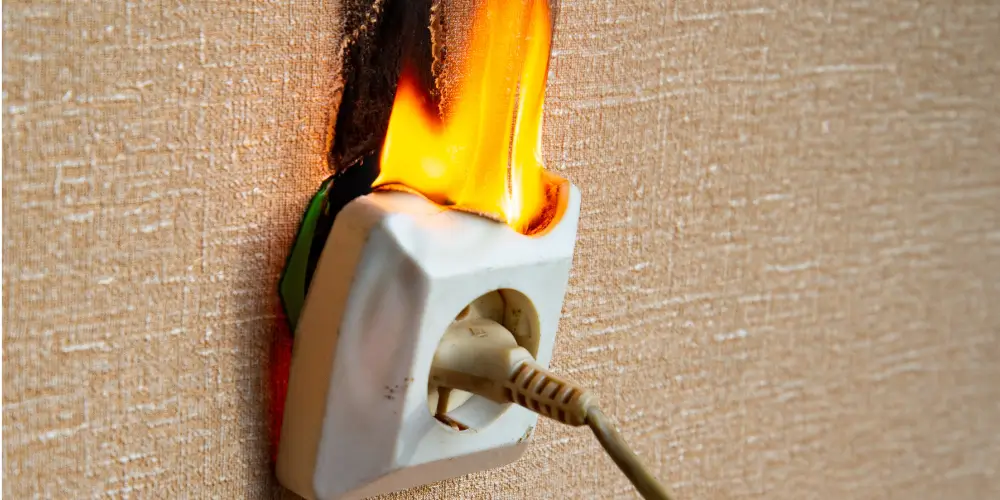
What Fire Extinguisher for Electrical Fire is important to know because electrical fires differ from other fuel-based fires. Their heat source is an energised circuit rather than a consumable material, and current flow can reignite components even after flames appear suppressed. These fires often start around wiring, connections, or devices, producing high temperatures in small spaces and creating hidden hot spots inside walls or equipment. Insulation, plastic housings, and accumulated dust can affect how the fire burns and what kind of smoke it produces, making detection and control more difficult.
- Energised source: live current sustains thermal energy and can arc, producing intermittent ignition until power is removed.
- Compact intensity: concentrated heat in confined components leads to rapid failure of nearby materials and concealed smoldering.
- Variable by material: coatings, wiring types, and device design change flame spread, toxic byproducts, and extinguisher effectiveness.
Understanding these differences empowers responsible action and the freedom to make informed choices about isolation, evacuation, and calling professionals rather than relying on assumptions.
Safe Extinguisher Types for Electrical Fires (ABC, CO2, Clean Agents)
Because an energised circuit can reignite materials, choosing an extinguisher that both interrupts combustion and minimises conductivity is a practical priority. For versatile use, dry chemical ABC extinguishers are widely recommended; their monoammonium phosphate powder smothers flames, breaks chemical reactions, and is nonconductive when applied correctly. Carbon dioxide (CO2) units offer a clean, nonconductive discharge that displaces oxygen and cools surfaces without leaving corrosive residue, making them suitable for sensitive electronics and confined equipment spaces.
Clean agent extinguishers, halotron, FM-200, and similar fluorinated or fluoroketone blends suppress fire chemically, evaporate without residue, and pose minimal conductivity risk, preserving delicate components while restoring safety. Selection should match risk type, equipment sensitivity, and occupant autonomy: portable, rated extinguishers enable immediate response while minimising collateral damage. Maintenance, correct rating, and operator familiarity complete the freedom-focused approach, ensuring responders can act confidently without creating further electrical hazards. Here are the details on Types of Fire and Fire Extinguisher Guide for Workplace Safety.
Why Water and Foam Can Make Electrical Fires Worse
When applied to energised equipment, water and many foams can worsen a fire by conducting electricity, spreading current to previously unenergised areas and creating shock risk for responders. The conductive nature of water bridges gaps, energises metal enclosures and can cause arcing; certain foams contain dissolved ions that behave similarly. Additionally, water can spread flammable liquids and loosen components, enlarging the fire footprint and complicating isolation efforts. Foam blankets formulated for hydrocarbons may also fail on live electrical sources, allowing heat and current paths to persist.
- Conductivity: liquid paths enable current flow, increasing electrocution risk.
- Spread: liquids can carry burning fuel, or bridge energised parts, expanding damage.
- Equipment damage: water ingress can cause short circuits, ruin insulation, and hinder safe shutdown.
Respect for freedom includes choosing tactics that minimise exposure; using inappropriate suppression compromises control and personal safety.
Choosing an Extinguisher for Electrical Fires at Home or Work
How should one select an extinguisher for fires involving energised equipment? Guidance emphasises non-conductive agents rated for electrical hazards, accessibility, and size appropriate to likely risks. Choices hinge on class ratings, agent effectiveness, maintenance needs, and legal or workplace requirements. Preference often goes to CO2 or clean agent extinguishers for sensitive electronics; ABC dry chemical can be used where cutting power quickly is likely. Placement and training matter: units should be within reach, and personnel know when to retreat.
| Feature | Consideration |
| Agent type | CO2, clean agents, or dry chemical |
| Rating & size | Electrical/Class C compatibility and sufficient capacity |
| Maintenance & access | Regular inspection, clear placement, and signage |
Decision-making aligns with a desire for autonomy: select equipment that minimises collateral damage, complies with codes, and fits operational reality. Final choices balance the protection of people, property, and freedom to act safely.
How to Use an Extinguisher on Live Electrical Equipment
Approach the use of an extinguisher on energised equipment with caution: only trained personnel should attempt to extinguish a fire while power remains on, using an agent approved for electrical hazards and keeping a safe distance to avoid shock. The operator evaluates risks, confirms the extinguisher type (CO2 or clean agent), and positions to allow a clear retreat path. Respect for autonomy means empowering qualified individuals to act decisively within safety limits.
- Assess: quickly confirm the area is clear, identify the energised source, and verify an escape route exists.
- Aim and discharge: hold the extinguisher steady, aim at the base of the fire or the point of ignition, and use short bursts to avoid equipment damage.
- Retreat and monitor: if the fire persists or conditions change, withdraw to safety, notify others, and let emergency responders assume control.
This approach balances decisive action with personal liberty and responsibility, prioritising safety while allowing trained responders to intervene effectively.
Inspection, Maintenance, and Replacement Schedule for Electrical-Fire Extinguishers
Because electrical fires pose unique risks and require specific agents, a strict inspection, maintenance, and replacement schedule is essential to ensure that extinguishers remain reliable and safe for use on energised equipment. Monthly visual inspections confirm location, pressure gauge in range, intact seals, no corrosion, and unobstructed access. Annual professional maintenance verifies internal condition, agent weight, hose integrity, and expels any built-up pressure or contamination; service records should be kept accessible to demonstrate compliance and autonomy over equipment readiness.
Hydrostatic testing intervals depend on extinguisher type, typically every 5 to 12 years and must be performed by certified technicians. Recharge or replace after any discharge, even partial, or if inspections reveal compromised components. Replace extinguishers at the manufacturer’s end-of-life recommendation or when corrosion, dents, or failed tests occur. Clear labeling with the last inspection date empowers owners to manage schedules confidently. Regular training and review of inspection logs affirm freedom to act decisively when electrical hazards arise.
When to Evacuate and Call Professionals After an Electrical Fire
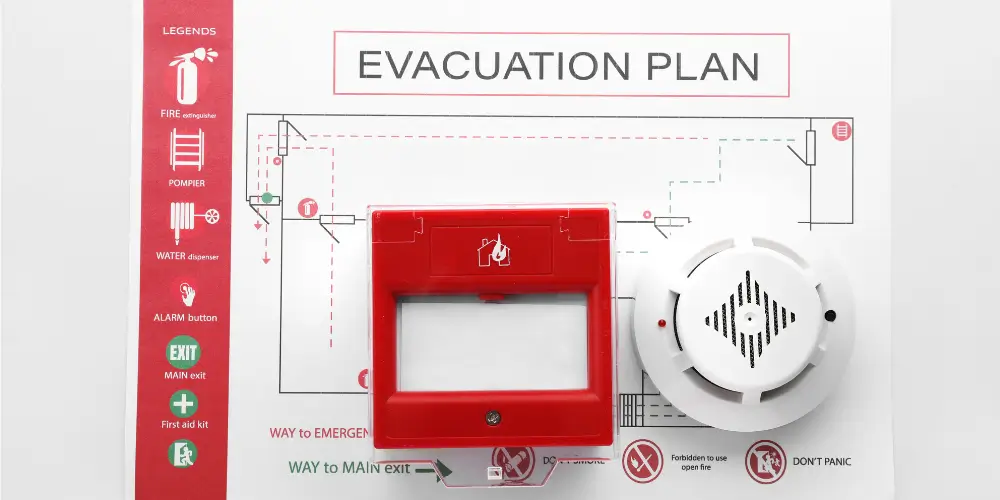
When should occupants leave and summon professionals after an electrical fire? Occupants should prioritise personal safety and exit promptly if a fire is spreading, smoke is heavy, or electrical panels and wiring are involved. Once safe, they should call emergency services and licensed electricians to assess hazards and restore safe power.
- Visible fire, increasing smoke, or inability to control with a rated extinguisher: evacuate immediately and call firefighters.
- Any fire that originated from wiring, outlets, appliances, or electrical panels should leave the scene once extinguished and contact a qualified electrician and the fire department for inspection.
- Unusual odors, repeated trips of breakers, arcing sounds, or unseen damage after extinguishing, evacuate to freedom from risk and summon professionals for diagnostics and repair.
Prompt evacuation and professional intervention protect freedom of movement and prevent hidden risks, ensuring occupants can return only when authorities and technicians declare the environment safe.
Frequently Asked Questions
Can Smoke Detectors Detect Electrical Fires Before Flames Appear?
Yes. They can. The person recognises that smoke detectors often sense smoldering electrical faults before flames develop, enabling proactive escape and suppression, though detector placement, maintenance, and detector type determine reliability and freedom to act.
Can Surge Protectors Prevent Electrical Fires?
Surge protectors can reduce risk by blocking voltage spikes and diverting surges, but they cannot prevent all electrical fires; they don’t stop wiring faults, overheating, or component failures, so prudent maintenance and proper wiring remain essential.
Are Rechargeable Fire Extinguishers Safe for Electrical Fires?
Yes. He considers some rechargeable extinguishers safe for electrical fires when rated for Class C (or multi-class, including C), properly maintained, pressure-tested, and used per instructions; an improper choice or negligence poses a risk of danger and legal liability.
Can Baking Soda Effectively Extinguish Small Electrical Fires?
No, baking soda rarely reliably extinguishes electrical fires. It may briefly smother tiny surface flames, but a Class C-rated extinguisher or cutting power is safer. The individual should prioritise effective tools and decisive action.
Do Solar Panels Require Special Electrical Fire Extinguishers?
Yes. They require Class C-rated or non-conductive extinguishing agents, such as CO2 or dry chemical; specialised guidance notes; isolation and PV-array shutdown; and avoidance of water unless systems are fully de-energised to preserve safety and autonomy.
Conclusion
In conclusion, properly addressing electrical fires requires using non-conductive extinguishing agents, such as ABC (dry chemical), CO2, or clean-agent agents, while avoiding water and foam on energised equipment. Selection depends on setting, equipment sensitivity, and extinguisher size, with correct technique and distance critical for safety. Regular inspection, timely maintenance, and clear evacuation plans complement extinguisher use. When fires grow, produce heavy smoke, or involve complex wiring, occupants should evacuate and summon professional responders.