
Smoke Alarm and Carbon Monoxide Detector: A concise safety guide explains which devices are needed: smoke alarms for particulates, CO detectors for invisible gas, or combination units for both. It advises photoelectric smoke alarms for smoldering fires and electrochemical CO sensors. Install smoke alarms in every bedroom, outside sleeping areas, and on each level; put CO detectors near sleeping areas and fuel-burning appliances. Test monthly, clean semiannually, replace smoke alarms every 10 years and CO units every 5–7 years. Continue for placement, installation, and emergency steps.
Key Takeaways
- Install smoke alarms in every bedroom, outside sleeping areas, and on every home level; CO detectors outside sleeping areas and near fuel-burning appliances.
- Choose photoelectric smoke alarms for smoldering fires and ionisation for fast-flaming fires; consider combination smoke/CO units.
- Use hardwired units with battery backup or sealed long-life batteries; ensure alarms are certified and interconnected for whole-home alerts.
- Test alarms monthly, clean semiannually, and replace smoke alarms every 10 years and CO detectors every 5–7 years.
- Create and practice evacuation plans, ensure accessibility for vulnerable occupants, and document communications and maintenance.
Table of Contents
Which Alarm Do You Need: Smoke Alarm, CO Detector, or Combo?
Which device is appropriate depends on the specific hazard present: smoke alarms detect particulate from fire, carbon monoxide (CO) detectors sense the odorless, colorless gas produced by incomplete combustion, and combination units monitor both. A homeowner seeking autonomy chooses based on occupancy, fuel sources, and lifestyle. Single-family dwellings with fuel-burning appliances or attached garages require CO detection near sleeping areas; smoke alarms belong in every sleeping area, outside sleeping clusters, and on each level.
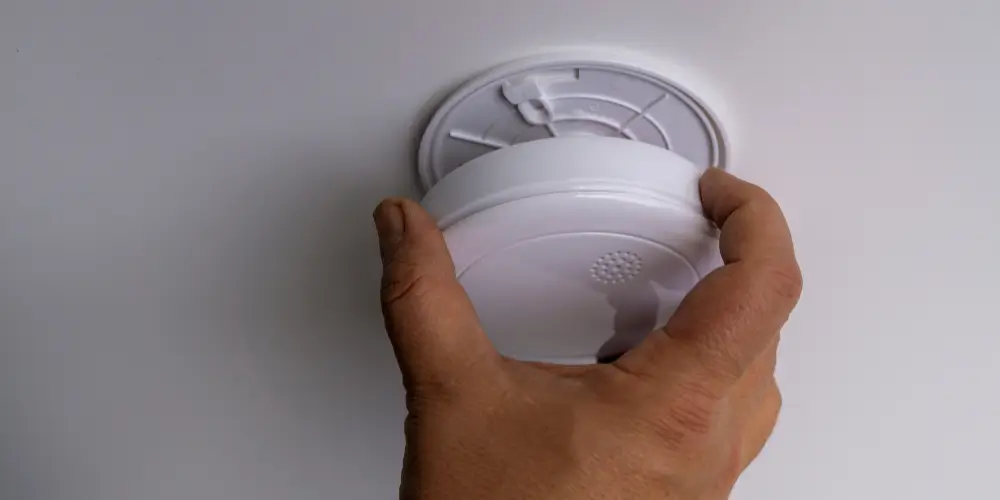
Smoke Alarm and Carbon Monoxide Detector Battery-powered or hardwired models with sealed long-life batteries offer options that reduce maintenance and increase independence from frequent battery replacements. Photoelectric or dual-sensor smoke alarms respond differently to smoldering versus flaming fires; select the type that aligns with personal risk tolerance and building characteristics. Combination units simplify installation and conserve space, but necessitate replacing the entire device if one function fails. Clear local codes and guidelines should guide final choices while preserving the occupant’s preference for straightforward, reliable protection.
Best Places for Smoke Alarms and Carbon Monoxide Detectors
Placement of smoke alarms and carbon monoxide (CO) detectors should be dictated by the hazards they monitor and by sleeping locations: smoke alarms belong inside every bedroom, outside each sleeping area, and on every level of the home, including basements, while CO detectors should be installed outside sleeping areas and near fuel-burning appliances or attached garages, with at least one on each floor.
The recommended layout balances safety and independence: place smoke alarms on ceilings or high on walls away from corners; situate CO detectors at the height recommended by the manufacturer, often at breathing level; avoid kitchens and bathrooms where false alarms are likely. In multi-level homes, guarantee overlapping coverage so occupants can evacuate freely. Regular testing and clear access are essential. Check out the EICR Codes for No Smoke Alarms and other important details.
| Location | Device Type | Reason |
| Bedroom | Smoke | Early alert during sleep |
| Hallway | CO | Protect sleeping areas |
| Basement | Smoke/CO | Source of fires/CO buildup |
| Near furnace | CO | Monitor the fuel-burning system |
| Living area | Smoke | Shared-space detection |
Choosing Smoke and CO Alarms (Types, Power, Certifications)
Having covered where alarms should be located, the next consideration is selecting the right types, power sources, and certifications to confirm that those devices perform as intended. The guide recommends choosing photoelectric smoke alarms for smoldering fires and ionisation models for fast-flaming fires; dual-sensor units combine both for broader detection. For carbon monoxide, look for electrochemical sensors, which offer reliable, low-false-alarm readings. Power options include hardwired with battery backup for continuous operation, sealed long-life lithium batteries for maintenance-free freedom, or replaceable batteries when regular checks are acceptable. Interconnectivity wireless or wired enables whole-home alerts and autonomy in response. Certification matters: select units listed by trusted laboratories (e.g., UL, Intertek) and compliant with local codes and manufacturer performance standards. Consider hush features, end-of-life alerts, and clear labeling to maintain independence in upkeep. Prioritise models matching household needs to confirm protection without undue constraints.
Installation Steps and Common Placement Mistakes
Several clear steps guide proper installation of smoke and carbon monoxide alarms to guarantee reliable detection and minimise false alarms. First, select locations according to manufacturer guidance: smoke alarms on ceilings or high on walls, CO alarms at knee or chest height per model, and units outside sleeping areas and on every level. Use manufacturer-provided mounting hardware; hardwired units require a qualified electrician for safe connection and interconnection.
Maintain required distances from cooking appliances and bathrooms to reduce nuisance triggers, and avoid drafty spots near vents or windows that can delay sensing. Keep alarms at least 3 feet from ceiling fans and away from corners where airflow is stagnant. Common placement mistakes include installing behind doors or curtains, in garages or attics without appropriate models, and clustering alarms too closely, which wastes coverage. Proper spacing and adherence to instructions preserve autonomy and safety, allowing occupants to control their environment without unnecessary interruptions or blind spots.
Testing, Cleaning, and Replacement Schedule
Regular testing, routine cleaning, and timely replacement keep smoke and carbon monoxide alarms reliable and reduce false alarms. Alarms should be tested at least monthly using the built-in test button; record dates to maintain autonomy over home safety. Replace batteries annually or when low-battery chirps begin, unless devices use sealed, long-life batteries; then follow the manufacturer’s timelines. Clean units every six months by gently vacuuming the vents and wiping the housings with a dry cloth to prevent dust buildup that can impair sensors.
Avoid aerosol cleaners and paint near detectors. Replace smoke alarms every 10 years and carbon monoxide detectors every 5–7 years, per the manufacturer’s guidance; mark the installation and expiration dates on each device. In multi-unit or rented residences, document tests and maintenance for liability and personal control. When a device fails testing or shows persistent false alarms after cleaning, replace it immediately. Clear, consistent scheduling preserves freedom to live without unexpected device failures while maintaining safety.
What to Do Immediately When an Alarm Sounds
Maintained and tested alarms are only useful if occupants respond correctly when they sound. When an alarm activates, occupants should leave immediately, guiding others and pets to a preplanned meeting spot outside. Avoid pausing to collect belongings. If carbon monoxide is suspected, ventilate only if it is safe to do so while evacuating; do not reenter until professionals declare the space safe. Call emergency services from a safe location. Those with mobility needs should have predetermined assistance plans. After first responders clear the scene, document actions and follow recommendations for repairs or replacements. Maintain a calm, decisive mindset to preserve freedom of movement and choice during an emergency.
| Situation | Immediate Action |
| Single alarm | Evacuate now |
| Multiple alarms | Evacuate faster, assist others |
| False alarm? | Still evacuate; verify outside |
| CO alarm | Evacuate, avoid indoor ventilation |
| Mobility-limited | Use an assistance plan, call for help |
Renters & Landlords: Legal & Safety Essentials
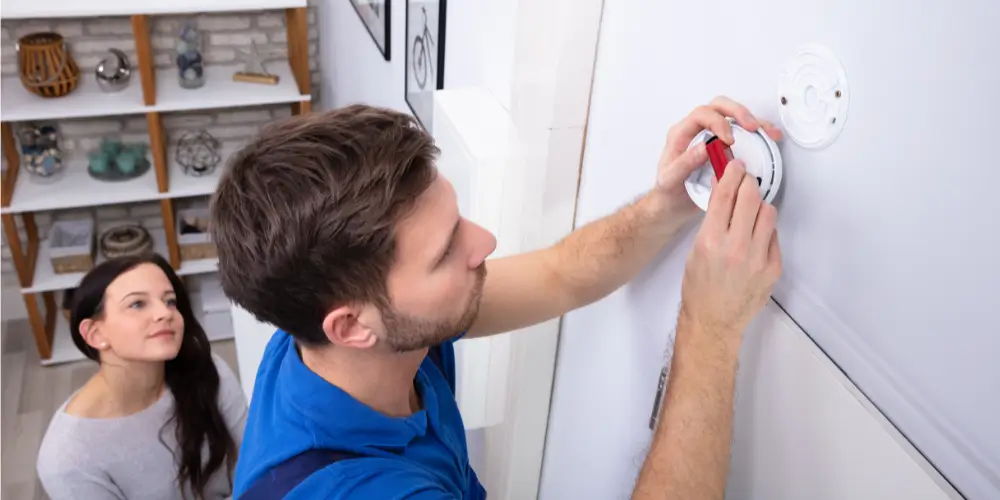
How should responsibility for smoke alarms and carbon monoxide detectors be divided between renters and landlords? Law typically places installation and maintenance obligations on landlords, while renters must keep devices unobstructed and promptly report malfunctions. Landlords should install code-compliant alarms and replace batteries or units as required by regulations; they must provide documentation of compliance when requested. Renters should test alarms regularly, avoid disabling or removing batteries except for authorised maintenance, and notify landlords immediately of any fault.
Both parties benefit from clear written agreements detailing who handles battery changes, routine tests, and replacement timelines. When repairs are delayed, renters should follow local escalation procedures, documenting communications and safety risks. Freedom-minded occupants can assert their right to a safe dwelling while respecting property responsibilities. Mutual respect, timely communication, and adherence to local laws reduce liability and prevent dangerous lapses in protection without unnecessary interference in daily living.
Homes With Children or Seniors: Extra Precautions and Tips
When renters and landlords share responsibility for alarms, households with children or seniors require additional attention to placement, audibility, and rapid-response plans. Devices should be installed in bedrooms and along escape routes at heights and locations that facilitate detection for low-mobility occupants and toddlers. Choose combination smoke/CO units with clear, distinguishable alerts and consider models with voice prompts to guide those who may panic or have hearing loss. Test alarms weekly and replace batteries promptly; schedule professional inspections annually to preserve independence and safety.
Create simple, practiced evacuation plans tailored to mobility needs, designate rescue assistants, and post easy-to-read instructions near exits. For freedom in daily life, opt for discreet, tamper-resistant devices that respect privacy while protecting vulnerable residents. Keep emergency numbers and medical information accessible. Document maintenance and responsibilities between renters and landlords to prevent lapses and preserve autonomous living for children and seniors alike.
Frequently Asked Questions
Can Pets Trigger False Smoke or CO Alarms?
Yes. Pets can trigger false smoke or CO alarms; a person observes that fur, dander, dust, aerosols or steam may set off sensors, so vigilant placement and maintenance preserve autonomy and reduce needless interruptions.
How Do I Dispose of Old Smoke/Co Alarms Safely?
They should remove batteries, check for radioactive labels, follow local hazardous-waste guidelines, return units to retailer or recycling center, or contact municipal disposal services; freedom-minded individuals responsibly choose compliant, safe disposal options for old detectors.
Do Smart Alarms Require a Subscription for Full Features?
They usually do not require subscriptions for basic safety alerts, but many vendors lock advanced features cloud history, integrations, professional monitoring behind paid plans. The buyer should choose models that align with autonomy and privacy preferences.
Can Cooking Aerosol Sprays Set off Smoke Alarms?
Yes cooking aerosol sprays can trigger smoke alarms. The aerosolised particulate and rapid dense plumes mimic combustion particles, prompting optical or ionisation sensors to alarm. Individuals valuing autonomy should ventilate and avoid spraying near active detectors.
Are Wireless Alarm Signals Vulnerable to Hacking?
Yes. He notes that wireless alarm signals can be vulnerable to hacking when unencrypted, when using default credentials, or when relying on weak protocols. Freedom-minded users prefer open, auditable systems, strong encryption, and local control to reduce risk.
Conclusion
In summary, a layered approach to smoke and carbon monoxide safety, using a smoke alarm and carbon monoxide detector, protects lives and property. Properly selected, installed, and maintained alarms, placed according to guidelines and certified to recognised standards, reduce risk considerably. Regular testing, timely battery or unit replacement, and swift, practiced responses to alarms are essential. Renters, landlords, and households with children or seniors should comply with legal requirements and take extra precautions. Ongoing education and routine checks guarantee lasting, reliable early warning.