
A potential ignition source in the workplace is best described as a hazard.
In fire safety terms, a hazard is something with the potential to cause harm. A potential ignition source fits that definition because it can start a fire if combustible material is present and the conditions allow ignition. The risk is different. Risk is the likelihood that the hazard will actually cause harm, together with the seriousness of the outcome if it does.
This distinction is important in fire risk assessment because identifying an ignition source is only the first step. The next step is assessing how likely it is to start a fire in that particular environment and deciding what control measures are needed.
Last Updated: 2026
Reviewed By: London Safety Certificate Compliance Team
Key Takeaways
- A potential ignition source is any material or process that can initiate combustion, such as heat, sparks, or flames.
- Common types include open flames, electrical sparks, hot surfaces, static electricity, and mechanical sparks from friction.
- These sources can be found in faulty wiring, overheated equipment, chemical reactions, and during mechanical operations.
- It’s crucial for safety to identify and manage these sources to prevent fire outbreaks in environments with combustible materials.
- Regular inspections, safety training, and adherence to protocols help mitigate the risks associated with ignition sources.
Table of Contents
Is a Potential Ignition Source a Risk or a Hazard?
A potential ignition source is a hazard, not a risk. The difference is straightforward:
| Term | Meaning in fire safety |
|---|---|
| Hazard | Something with the potential to cause harm |
| Risk | The likelihood of that harm occurring, and the severity of the outcome |
For example, a damaged electrical cable is a hazard because it could overheat or spark. The risk depends on where it is located, what combustible materials are nearby, and whether suitable controls are in place.
A portable heater is also a hazard. The risk becomes higher if it is placed near cardboard, paper, textiles, or waste, and lower if it is positioned correctly and maintained properly.

What Is a Potential Ignition Source?
A potential ignition source is anything capable of producing enough heat, flame, spark, or energy to ignite combustible material. In practical workplace terms, this may include:
- faulty electrical equipment
- overloaded sockets
- hot surfaces
- smoking materials
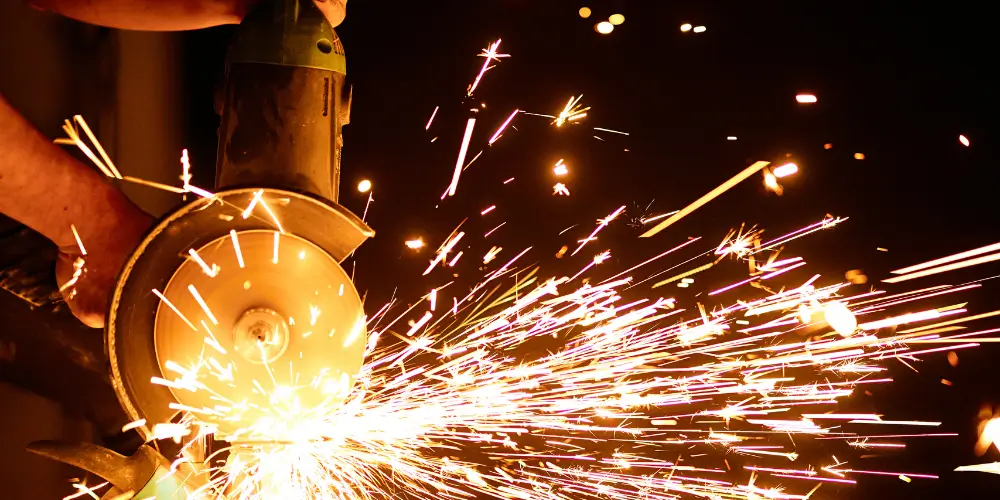
- welding and grinding activities
- portable heaters
- overheated machinery
- static electricity
Not every ignition source causes a fire, but each has the ability to do so if fuel is present and conditions allow combustion.
How Would a Potential Ignition Source in the Workplace Be Described?
A potential ignition source in the workplace would be described as a hazard that could ignite combustible material and start a fire if not properly controlled. In workplace fire risk assessment, ignition sources are commonly described as:
- sources of heat
- sources of flame
- sources of sparks
- sources of energy capable of causing ignition
This is more accurate than calling them risks without explanation. The source itself is the hazard. The risk comes from the circumstances around it.
Common Sources of Ignition in the Workplace
Most workplaces contain several potential ignition sources, even where the premises appears low risk.
Electrical sources
Electrical faults are among the most common workplace ignition sources. These include overloaded sockets, damaged cables, faulty extension leads, defective plugs, overheated appliances, loose electrical connections, and poorly maintained equipment.
Hot surfaces and heating equipment
Portable heaters, boilers, hot pipes, catering equipment, light fittings, chargers, and machinery parts that become excessively hot can all act as ignition sources if combustible materials are nearby.
Open flames and smoking materials
Matches, lighters, cigarettes, candles, blowtorches, and other naked flames are direct and obvious fire hazards.
Sparks and hot works
Welding, cutting, grinding, soldering, and similar work processes can generate sparks capable of igniting waste, dust, vapours, packaging, or stored materials.
Mechanical and friction heat
Moving parts, worn bearings, poorly maintained machinery, and friction within equipment can generate enough heat to become an ignition source.
Static electricity
In some workplaces, especially where flammable liquids, gases, or dust are present, static discharge can provide enough energy to ignite a fire.
For a broader look at workplace fire risks, read fire hazards in the workplace.
Examples of a Potential Ignition Source
Common examples of potential ignition sources in the workplace include:
| Example | Why it is an ignition source |
|---|---|
| Overloaded power socket | Can overheat or arc |
| Damaged electrical cable | Can spark or fail under load |
| Portable heater | Produces heat capable of igniting nearby combustibles |
| Welding activity | Produces sparks and hot metal |
| Lit cigarette | Can ignite waste or stored combustible materials |
| Hot lamp or light fitting | Can heat nearby combustible surfaces |
| Overheated machinery | Can generate enough heat to start ignition |
| Static discharge | Can ignite flammable vapours or dust |
These are all hazards because each one has the potential to initiate ignition under the right conditions.
Is an Overloaded Power Socket a Potential Ignition Source?
Yes. An overloaded power socket can be a potential ignition source.
This is a common workplace example because overloading can lead to overheating, arcing, or electrical failure. If combustible materials are nearby, the fire risk increases significantly. The socket is the hazard. The risk depends on the surrounding conditions and the control measures in place.
Sources of Ignition and the Fire Triangle
A fire needs three basic elements:
- heat
- fuel
- oxygen
A potential ignition source usually belongs to the heat side of the fire triangle. It provides the energy needed to start combustion. That is why ignition control is a basic part of fire prevention. If ignition sources are reduced or controlled properly, one of the key conditions needed for fire is removed. If you want the fuel side explained more clearly, read what is potential fuel for a fire.

How Potential Ignition Sources Are Assessed in Fire Risk Assessment
A fire risk assessment should identify potential ignition sources and then assess the level of risk they create. This usually involves considering:
- the type of ignition source
- its condition and location
- the presence of nearby combustible materials
- the nature of the work activity
- who may be affected
- how likely it is to cause ignition
- how serious the consequences could be
- whether current control measures are adequate
The ignition source remains a hazard throughout. What changes is the level of risk created by that hazard in the actual workplace.
Identifying Ignition Sources in the Workplace
Identifying potential ignition sources in the workplace is a critical step in mitigating fire risks. This process begins with conducting thorough risk assessments to evaluate all possible hazards and their origins.
Continuous monitoring and diligent maintenance of equipment and work areas are essential to guarantee that identified risks are effectively managed and controlled. Visit HSE and explore health and safety basics for your business.
Conducting Risk Assessments
Conducting a thorough risk assessment to identify potential ignition sources in the workplace is an essential component of effective safety management. It involves applying specialised risk assessment methodologies and hazard identification techniques to systematically evaluate environments for risks that could lead to fires.
The process not only prevents potential disasters but also guarantees compliance with workplace safety protocols, thereby safeguarding both human lives and property.
The critical steps in conducting such assessments include:
- Systematic Review: Utilise extensive fire safety audits to examine all areas of the workplace, ensuring no potential hazard is overlooked.
- Detailed Documentation: Implement robust incident reporting systems that detail every identified risk, categorising them according to their severity and potential impact.
- Continuous Education: Train staff regularly on hazard identification techniques, equipping them with the necessary skills to recognise and report risks immediately.
- Regulatory Compliance: Guarantee all safety measures align with the latest workplace safety protocols and legal requirements, thereby minimising legal liabilities and enhancing overall safety standards.
Monitoring and Maintenance
While risk assessments are fundamental for initially identifying potential hazards, ongoing monitoring and maintenance are essential to guarantee that these hazards, particularly ignition sources, are effectively managed and mitigated over time. This proactive management involves a series of structured, systematic actions assuring continuous safety in the workplace.
Firstly, preventive measures constitute the cornerstone of this approach. These measures include the installation of state-of-the-art detection systems and the use of non-flammable materials in risk-prone areas. Regular inspections play a significant role, scheduled at strategic intervals to ensure all equipment and safety barriers are in prime condition. These inspections must be meticulous and documented meticulously to track the effectiveness of the existing safety protocols.
Furthermore, extensive employee training programs are critical. Employees must be educated on the latest safety protocols and the proper procedures for identifying and reporting potential ignition sources. This training should also cover the correct use of fire suppression tools and emergency response tactics.
Incident reporting systems are equally important. They provide a feedback loop for safety procedures, enabling continual refinement and enhancement of risk management practices. Each report helps in fine-tuning the approach to hazard prevention, ensuring a safer workplace environment. For practical fire prevention measures in workplace settings, read describe practices that prevent fires from starting.
Why the Difference Between Hazard and Risk Matters
The distinction between hazard and risk affects how fire safety is described, documented, and managed. If people describe every ignition source as a risk without first identifying it as a hazard, they often blur the real issue. A proper fire risk assessment works in the correct order:
- identify the hazard
- assess the risk created by that hazard
That leads to clearer fire safety decisions, better documentation, and more proportionate control measures. For the prevention-first approach to fire safety controls, read what comes first in the hierarchy of fire protection.
Final Answer
A potential ignition source is a hazard because it has the ability to start a fire and cause harm. The risk is the likelihood that this hazard will actually lead to a fire, taking into account the fuel present, the surrounding conditions, and the controls in place. So, if a potential ignition source needs to be described accurately, the correct professional answer is: It is a hazard that could ignite combustible material and create fire risk if not properly controlled.
Frequently Asked Questions
Is a potential ignition source a risk or a hazard?
It is a hazard. The risk is the likelihood of that hazard causing a fire and the seriousness of the outcome.
What is a potential ignition source?
It is anything capable of producing enough heat, spark, flame, or energy to ignite combustible material.
How would a potential ignition source in your workplace be described?
It would be described as a hazard that could start a fire if combustible material is present and the conditions allow ignition.
What are common examples of ignition sources?
Common examples include overloaded sockets, damaged electrical cables, heaters, hot surfaces, smoking materials, sparks from tools, and welding activities.
Is an overloaded power socket a potential ignition source?
Yes. It can overheat or arc and may ignite nearby combustible materials.
What is the difference between hazard and risk?
A hazard is something with the potential to cause harm. Risk is the likelihood of that harm occurring and the severity of the outcome.