
The first step in the hierarchy of fire protection is elimination.
That means removing the fire hazard completely wherever reasonably possible. If a hazard is removed at source, the risk of fire is reduced before anyone has to rely on procedures, warning signs, firefighting equipment, or personal protective equipment.
This is the core principle behind the hierarchy of fire protection. It is a structured way of deciding which fire safety measures are strongest and which ones should only be used after higher-level controls have already been considered.
In simple terms, the hierarchy of fire protection puts prevention before protection and protection before response.
Last Updated: 2026
Reviewed By: London Safety Certificate Compliance Team
Key Takeaways
- Eliminating fire hazards is prioritised as the first step in the hierarchy of fire protection.
- Identifying and removing potential fire risks through systematic assessment is essential.
- Substitution with less hazardous materials or methods follows hazard elimination.
- Implementing engineering controls, such as fire-resistant materials, comes after addressing hazards directly.
- Once physical and material controls are in place, administrative controls and training are used.
Table of Contents
What Does the Hierarchy of Fire Protection Refer To?
The hierarchy of fire protection refers to the order in which fire safety measures should be considered and prioritised, starting with the most effective controls and moving down to the least effective.
The idea is straightforward. The best way to deal with a fire hazard is to remove it. If that cannot be done, the next best approach is to replace it with something safer, isolate it, reduce its impact through physical controls, manage it through systems of work, and only then rely on PPE or emergency response measures.
This is why the hierarchy of fire protection matters in real buildings, workplaces, communal areas, plant rooms, storage areas, and maintenance operations. It helps duty holders focus on controls that genuinely reduce fire risk rather than weak measures that only react after the danger remains in place.
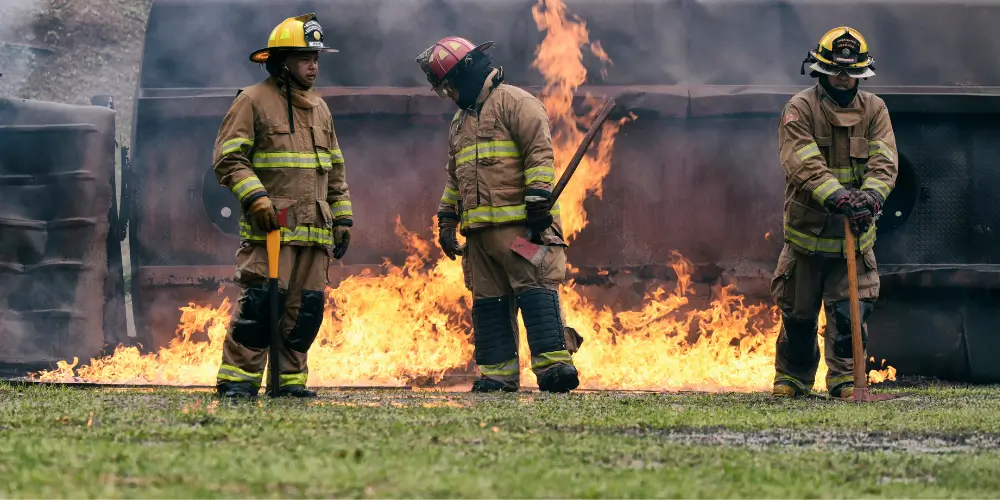
What Is the Hierarchy of Fire Protection?
The hierarchy of fire protection is usually understood in this order:
- Elimination – remove the fire hazard completely
- Substitution – replace the hazard with a safer alternative
- Engineering controls – reduce risk through physical or technical measures
- Administrative controls – reduce risk through procedures, supervision, maintenance, and training
- Personal protective equipment (PPE) – provide last-line protection where risk remains
This order matters because controls at the top of the hierarchy are more effective than controls at the bottom. A control that removes the hazard is always stronger than one that depends on people responding correctly every time.
What Is the First Measure in the Hierarchy of Fire Safety?
The first measure in the hierarchy of fire safety is elimination.
Elimination means identifying the fire hazard and removing it entirely if reasonably possible. Examples include:
- removing unnecessary ignition
sources - getting rid of combustible waste
build-up - stopping unsafe temporary electrical arrangements
- removing flammable materials from unsuitable areas
- redesigning a task so hot works are no longer needed
- taking defective equipment out of use immediately
This is the strongest form of fire hazard prevention because the risk is dealt with before ignition, spread, evacuation, or firefighting becomes an issue.
Why Elimination Comes First?
Elimination comes first because it tackles the danger at source.
If a hazard no longer exists, it cannot start a fire. That is more effective than keeping the hazard in place and trying to manage the risk later with training, procedures, signs, extinguishers, or protective equipment.
For example, removing unnecessary combustible storage from a boiler room is far stronger than leaving the materials there and relying on staff to spot a problem in time. In the same way, replacing unsafe temporary wiring is better than simply warning people to be careful around it.
This is why prevention of fire hazards should always be the first objective. Strong fire safety starts with removing or reducing the chance of ignition, not just preparing for the consequences after something goes wrong.
What Comes After Elimination?
If a fire hazard cannot be removed entirely, the next level is substitution.
Substitution means replacing the hazard with something less dangerous. In fire safety, that might include:
- using less flammable materials
- changing a work process to reduce heat generation
- replacing higher-risk equipment with safer alternatives
- reducing the fire load associated with a task or storage arrangement
If substitution is not enough, the next step is engineering controls. These are physical or technical measures designed to reduce fire risk, such as:
- fire-resistant construction
- compartmentation
- fire doors
- suppression systems
- extraction systems
- fixed detection and alarm systems
After that come administrative controls, which include fire procedures, training, supervision, maintenance schedules, and permit systems.
The last line of defence is personal protective equipment, which is the weakest level because it does not remove the hazard and should never be treated as the main answer to fire risk.
Where Is Firefighting in the Hierarchy?
Firefighting sits below prevention measures in the hierarchy of fire protection.
Fire extinguishers, hose reels, and other firefighting measures are important, but they are not the first line of control. They are used after the hazard remains present and after ignition has already happened or become imminent.
That means firefighting is lower in the hierarchy than elimination, substitution, and engineering controls. It is part of response and consequence management, not the strongest form of prevention.
So if you are asked where firefighting sits in this hierarchy, the correct answer is that it comes after higher-level preventive controls, not before them.
Which Control Is More Effective to Proactively Handle the Threat of Fire?
The most effective control is the one highest in the hierarchy: elimination.
If elimination cannot be achieved, the next most effective options are substitution and engineering controls, because they still reduce the fire hazard before an incident develops.
Administrative controls are useful, but they are weaker because they rely on behaviour, supervision, consistency, and human compliance. PPE is weaker still because it does not stop the fire hazard from existing.
So if the question is which control is more effective to proactively handle the threat of fire, the answer is the control that removes or reduces the hazard at source, not the control that only responds after the hazard remains.
Hierarchy of Fire Protection vs Hierarchy of Control
The fire-specific version applies that same logic to fire hazards. Instead of jumping straight to extinguishers, signage, or PPE, the correct approach is to ask:
- can the hazard be removed?
- can it be replaced with something safer?
- can people be separated from it through design or engineering?
- what procedures, checks, and training are still needed?
- what residual risk remains after that?
This is what makes the hierarchy a practical decision-making tool rather than just a theory.
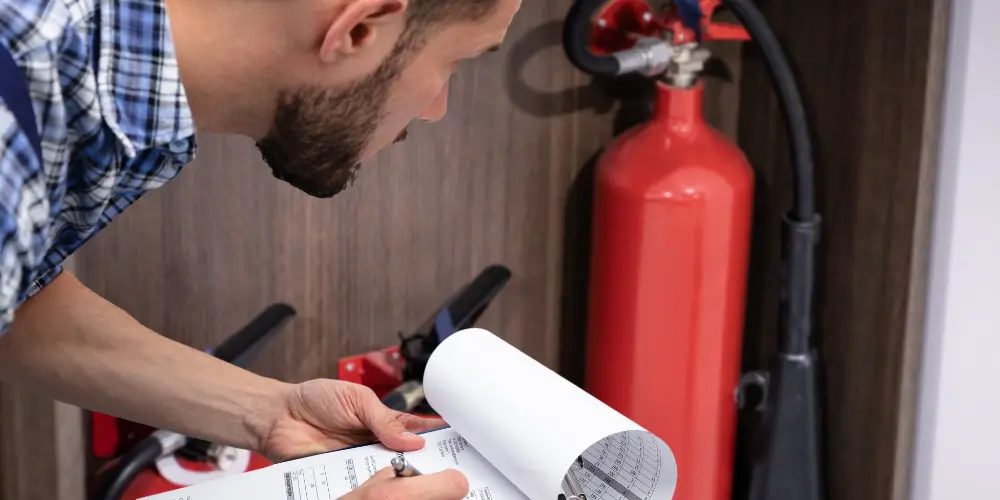
How the Hierarchy of Fire Protection Supports Fire Risk Assessment
A fire risk assessment should not stop at identifying hazards. It should also consider whether the chosen controls are suitable, proportionate, and strong enough.
That is where the hierarchy of fire protection becomes useful. It helps assessors, landlords, employers, and responsible persons judge whether they are controlling fire risk properly or relying too heavily on weak measures.
For example, a poor response would be leaving a storage risk in place and adding more warning signs. A stronger response would be reducing the fire load, improving separation from ignition sources, and then supporting that with clear procedures.
This is why the hierarchy of fire protection should be used during fire risk assessment reviews, workplace inspections, maintenance planning, and routine fire prevention decisions. For the wider assessment process, read what is a fire risk assessment. For the structured fire risk assessment process, read fire risk assessment must cover the following steps.
Fire Prevention in Practice
Fire prevention is not just a theory. It affects everyday decisions in real buildings.
If you want to prevent fire hazards properly, the focus should always be on reducing the chance of ignition and limiting the conditions that allow fire to develop. In practice, that often means:
- keeping combustible storage under control
- avoiding overloaded sockets and unsafe extension leads
- maintaining electrical and mechanical equipment properly
- managing hot works correctly
- keeping ignition sources away from flammable materials
- removing faulty appliances from service
- keeping escape routes and plant areas clear
- reviewing maintenance work that introduces temporary risks
This is the practical side of the hierarchy of fire protection. The goal is not just to recognise a fire hazard. The goal is to stop that hazard from developing into a real incident.
Common Mistake: Starting Too Low in the Hierarchy
A common mistake is relying on low-level controls too early.
Examples include leaving a hazard in place and depending only on staff training, accepting a poor storage arrangement and relying on signage, or assuming extinguishers solve a prevention problem. They do not.
Training matters. Procedures matter. Firefighting equipment matters. But none of them should be treated as a substitute for removing or reducing the fire hazard itself. Strong fire safety decisions start at the top of the hierarchy, not the bottom.
Final Answer
The first step in the hierarchy of fire protection is elimination.
The hierarchy of fire protection refers to the order in which fire safety measures should be prioritised, starting with the most effective controls. Elimination comes first because removing the hazard entirely is more effective than managing the danger later through procedures, firefighting equipment, or personal protective equipment PPE.
In simple terms, the hierarchy puts prevention before protection and protection before response. For practical prevention measures in day-to-day settings, read describe practices that prevent fires from starting.
Frequently Asked Questions
What comes first in the hierarchy of fire protection?
Elimination comes first. This means removing the fire hazard completely wherever possible.
What does the hierarchy of fire protection refer to?
It refers to the order in which fire safety measures should be prioritised, starting with the most effective controls.
What is the first measure in the hierarchy of fire safety?
The first measure is elimination.
Where is firefighting in the hierarchy of fire protection?
Firefighting sits below higher-level preventive controls because it is used after the hazard remains present and a fire has already started or become likely.
Why is elimination first?
Because removing the hazard completely is more effective than trying to manage or respond to it later.
Which control is more effective to proactively handle the threat of fire?
Elimination is the most effective control because it removes the hazard at source.
What comes after elimination in the hierarchy of fire protection?
Substitution comes next, followed by engineering controls, administrative controls, and PPE.
Is PPE the first line of fire protection?
No. PPE is the last line of defence and should never be treated as the main answer to a fire hazard.
Why is prevention of fire more effective than firefighting?
Because preventing the hazard from causing a fire is stronger than trying to control the incident after ignition has already occurred.