
Home fire alarms in the UK should be checked regularly to guarantee safety and compliance. Weekly visual inspections look for dust, damage and clear escape routes. Monthly button tests confirm sound and indicators; batteries are typically replaced annually. Heat detectors and linked systems benefit from quarterly checks. A qualified engineer should service mains and interconnected systems annually and after major works. Landlords must keep records and arrange professional maintenance. Continue for detailed schedules, troubleshooting and legal duties.
Key Takeaways
- Test smoke and CO alarms monthly using the button, and log results.
- Visually inspect detectors weekly for dust, damage, or obstructions.
- Replace disposable batteries annually and replace units per the manufacturer’s recommendations (smoke ~10 years, CO 5–7 years).
- Arrange annual professional servicing for mains and linked systems; quarterly checks for heat detectors and linked-system tests.
- Landlords must keep written records of checks, inspections, and remedial actions to meet UK regulations and insurance requirements.
Table of Contents
Quick Answer: How Often to Test Each Fire Alarm
When should each type of fire alarm be tested? The guidance separates common devices by function and setting. Battery-powered smoke alarms require a monthly button test and at least annual battery replacement; replace the unit every 10 years. Hard-wired mains alarms should undergo a monthly functional check and annual inspection by a competent person; batteries in mains units still need yearly replacement. Heat detectors in kitchens and commercial spaces benefit from quarterly checks and annual servicing, given their different sensing thresholds.
Carbon monoxide alarms require monthly testing and battery replacement per manufacturer guidance, with units typically replaced every 5 to 7 years. Linked systems in larger properties require quarterly system tests and annual professional maintenance to verify interconnectivity. Portable standalone alarms follow manufacturer intervals, but conservative monthly testing suits those who prioritise autonomy. Records of tests should be kept to verify maintenance and support informed, independent decision-making.
Smoke, Heat, CO and Interlinked Alarm Testing Schedules
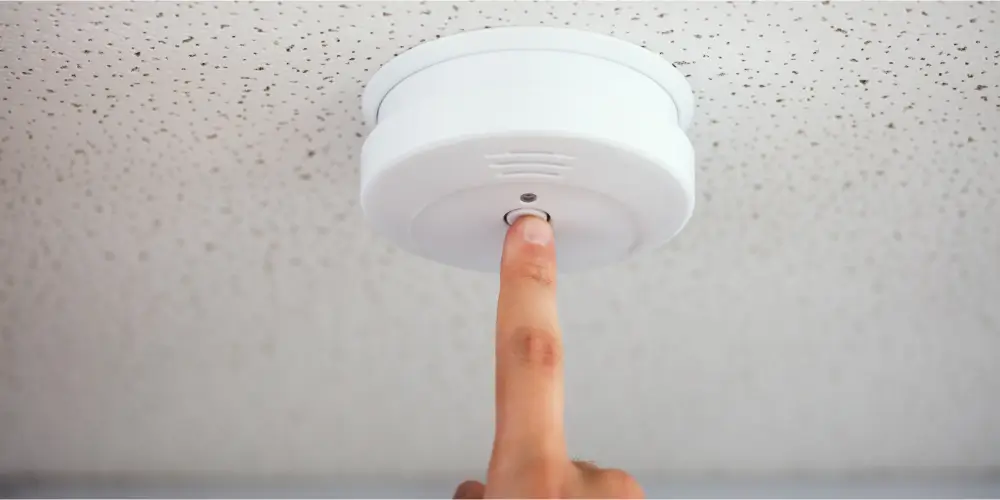
Following the general testing guidance, schedules for smoke, heat, carbon monoxide (CO), and interlinked alarms are tailored to device type, location, and system complexity. Smoke alarms in living areas and escape routes should be tested monthly and replaced per manufacturer timelines; high-sensitivity units in vulnerable buildings may require more frequent professional inspection. Heat detectors in kitchens and garages need less frequent testing but must be checked at least quarterly, with attention to contamination and correct response thresholds. CO alarms, critical for fuel-burning appliances, demand weekly visual checks and functional tests monthly, with sensor life monitored and entire units replaced per the expiry date. Interlinked systems, whether wired or wireless, require thorough system tests by qualified engineers annually to verify communication, power backups, and zone operation. Check out the Fire Detection and Fire Alarm System Guide for Safer Buildings.
- Prioritise occupancy and risk when setting test intervals.
- Combine routine user tests with scheduled professional checks.
- Document all tests and replacements for accountability and freedom of choice.
Weekly & Monthly Fire Alarm Checks You Can Do Yourself
Inspect weekly and perform a quick monthly functional check to maintain basic fire-alarm reliability without specialist tools. The homeowner or occupant can visually inspect devices for dust, damage, and secure mounting; press the test button monthly to confirm audible alarm and indicator lights; replace batteries immediately when weak; and guarantee evacuation routes remain unobstructed. Records of checks date, device, observations support accountable freedom in managing safety.
| Task | Action |
| Weekly visual | Check for dust, insects, physical damage |
| Monthly functional | Press test button; confirm sound and LEDs |
| Battery check | Replace disposable or rechargeables as needed |
| Access & record | Clear routes; log findings and any fixes |
Checks should be performed calmly and regularly. If a detector fails a functional test or shows persistent faults, limit further DIY attempts and arrange professional attention. These measures preserve autonomy while maintaining fundamental protection.
Annual Servicing and Professional Inspections (UK Guidance)
Because residential checks cover only basic functionality, annual servicing by a qualified fire‑alarm engineer is recommended to verify system integrity, address concealed faults, and guarantee compliance with UK regulations and insurance requirements. Annual inspections confirm wiring, backup power, control panels, and detector sensitivity that weekly or monthly user checks cannot assess. A professional will produce a formal report, record remedial actions, and advise on component replacement or system upgrades to maintain reliable protection and legal conformity.
Professional service empowers occupants to maintain autonomy over safety decisions while delegating technical tasks. Engineers follow British Standards and local guidance, ensuring documented evidence for insurers and regulators. Costs vary with system complexity; budgeting for yearly visits prevents larger failures.
- Confirm wiring, batteries, and panel diagnostics.
- Test detector sensitivity and interconnectivity.
- Issue a written inspection report with recommendations.
Landlord and Rental Fire Alarm Rules (UK)
When letting property in the UK, landlords must guarantee adequate fire detection and alarm provision that meets statutory requirements and local housing standards; this typically means fitting and maintaining smoke alarms on every floor, providing heat alarms in kitchens where appropriate, and keeping written records of checks and remedial work. Landlords carry legal duties under the Housing Act 2004, the Smoke and Carbon Monoxide Alarm (Amendment) Regulations 2022, and local licensing schemes: regular checks, typically at change of tenancy and monthly visual inspections by tenants, plus documented remedial action, preserve safety and tenant freedom. Compliance reduces liability and supports independent living.
| Responsibility | Frequency | Evidence |
| Landlord fitting | Once per tenancy start | Invoice/photo |
| Routine checks | Monthly/at tenancy change | Checklist/sign-off |
| Professional service | Annually where required | Service report |
Clear, simple record-keeping and tenant briefing let occupants live freely while meeting obligations and avoiding enforcement or civil penalties.
What to Do When an Alarm Sounds or Shows a Fault
Respond promptly: a sounding alarm demands immediate attention and a displayed fault indicator requires swift investigation. The occupant should treat any alarm as real until proven otherwise, evacuate calmly, alert others, and call the emergency services if there is smoke, heat, or signs of fire. If safe to do so, one person may quickly verify the source without re-entering danger. Fault indicators, chirps, amber lights, or persistent beeps signal a need for inspection rather than panic.
The household or responsible party should follow a simple checklist to maintain autonomy and safety:
- Evacuate and account for everyone; call the fire brigade if fire is suspected.
- Isolate the area if safe, ventilate if appropriate, and do not ignore persistent alarms.
- Investigate fault indications promptly: consult the alarm manual, log the fault, and arrange a professional inspection if needed.
Clear, decisive actions preserve safety and freedom, minimising disruption while ensuring confidence in the system. Here is the answer to Why Is My Fire Alarm Beeping? Common Causes and Quick Fixes.
Replacing Batteries and Alarms: Timing, Signs, Best Picks
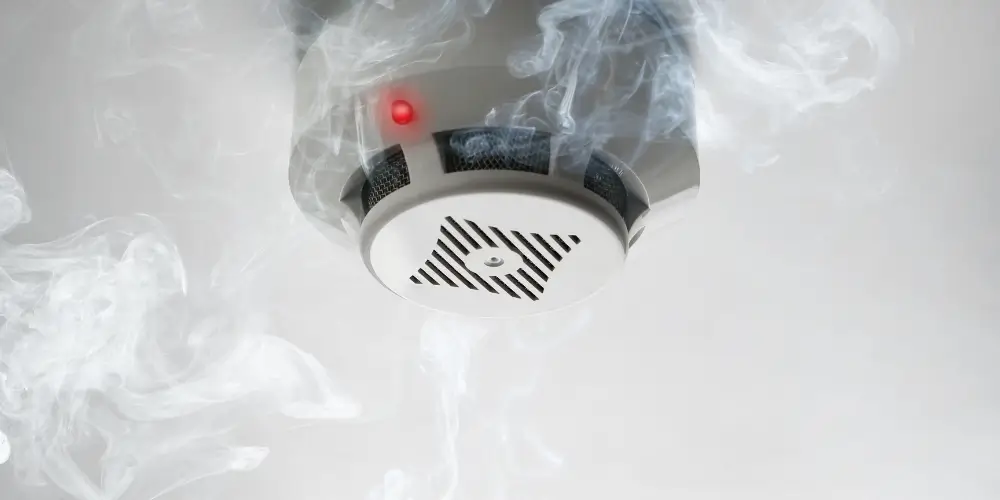
Replace batteries and entire alarms on a predictable schedule to guarantee continuous protection: batteries typically need replacement every 6–12 months (or immediately after low-battery chirps), while smoke alarms themselves should be replaced every 10 years or sooner if they fail self-tests or show persistent faults. Owners preferring independence should keep a simple routine: mark battery-change dates on a calendar and choose long-life lithium batteries or sealed 10-year units to minimise interventions.
Select alarms approved to UK standards (BS EN 14604 for smoke alarms, BS 5839 guidance) and consider interconnected or smart models to increase awareness without extra maintenance. Replace alarms that show non-rectifiable intermittent beeps, physical damage, or age-related degradation. When installing new devices, follow the manufacturer’s placement guidance and register the warranties. For rental properties, landlords should document replacements and inform tenants. Clear, scheduled swaps and quality selections let households maintain safety with minimal friction, preserving freedom from constant checks while ensuring reliable detection.
Troubleshoot Common Faults + When to Call a UK Engineer
Start by isolating the symptom: note the alarm’s sound pattern, indicator lights, and any recent changes (battery swaps, renovations, or power interruptions). A practical checklist helps a liberated homeowner or renter assess faults without dependence. First, confirm battery condition and correct fitting; many false chirps stem from loose or depleted cells. Next, clear dust and cobwebs with a soft brush or vacuum nozzle; contamination often causes intermittent alarms. Finally, verify interlinking and mains power if present, as wiring faults produce persistent beeps or no power.
When to call a UK engineer: if alarms fail to reset after battery replacement, display persistent fault LEDs, repeatedly sound without smoke, or show wiring errors, professional attention is warranted. Certified engineers offer inspection, repair, and replacement advice aligned with UK Building Regulations and BS 5839 standards.
- Persistent fault lights or sounds
- Mains/interlink wiring issues
- Post-renovation reliability concerns
Frequently Asked Questions
Can I Use Smart-Home Alarms With UK Building Regulations?
Yes. They can, provided they meet British Standards (BS 5839‑6/BS 5446 where applicable), are correctly installed and maintained, and any building-control or landlord requirements accept them; independent certification and compliant documentation reassure regulators.
Are Heat Alarms Safe in Kitchens or Garages?
Heat alarms are generally suitable for kitchens and garages where smoke alarms false-trigger; they detect temperature rises, reducing nuisance alarms. The individual prefers autonomy but must guarantee correct placement, compatibility with regulations, and periodic testing.
Do Battery-Free (Sealed) Alarms Need Testing Differently?
Yes. They require the same weekly or monthly testing routine; the user is advised to test sealed alarms regularly, check indicators, and replace the entire unit at end-of-life, preserving autonomy over maintenance and safety choices.
How Do Fire Alarms Interact With Home Insurance Policies?
Insurers expect functioning alarms; compliance can lower premiums and is often a policy condition. The homeowner must maintain, test, and document devices; failure may reduce or void claims, while upgraded systems can attract discounts.
Can Pets or Children Trigger False Alarms Frequently?
Yes, pets or children can trigger false alarms frequently; one observes curious paws, steam from showers, cooking smoke or playful button-pressing causing nuisance activations. Owners seeking independence should mitigate risks with placement, education and suitable detector types.
Conclusion
Regular testing, timely battery changes and professional servicing guarantee alarms remain reliable and compliant. Homeowners and landlords should follow weekly or monthly self-checks, replace batteries annually (or sooner for low-battery warnings), and arrange yearly professional inspections or as required for interlinked systems. Fault indicators or persistent false alarms warrant immediate troubleshooting and, if unresolved, the involvement of a qualified UK fire alarm engineer. Consistent maintenance reduces risk, supports safety obligations and protects lives and property.