
Why Is My Fire Alarm Beeping? A beeping fire alarm usually signals a low battery, a wiring fault, a sensor failure, or an environmental trigger such as dust, insects, humidity, steam, or aerosols. Short, periodic chirps often mean the backup battery is low; continuous alarms may indicate smoke or a hardwired issue. Cleaning contacts, replacing batteries, and testing the unit often stop false beeps. If chirps persist or the unit is old, replace it or contact a professional for safe diagnosis and further guidance.
Key Takeaways
- Single or periodic chirps usually mean low or dead batteries. Replace or reseat batteries and test the alarm.
- Dust, insects, or sensor contamination can cause false beeps. Clean the sensing chamber and contacts with compressed air.
- Hardwired alarms may chirp from loose wiring or tripped breakers. Check the circuit panel and junction box, and replace backup batteries.
- Alarm units older than 8–10 years or with intermittent faults should be replaced to prevent unreliable operation.
- Continuous beeping after battery replacement or visible electrical damage requires a qualified electrician or professional inspection.
Table of Contents
Quick Fix: What to Do When Your Smoke Alarm Beeps?
A single chirp from a smoke alarm typically signals a simple issue that can be resolved quickly: check the battery, reset the unit, and inspect for dust or loose connections. The observer should first verify safety by confirming there is no smoke or fire. If none, power down the alarm per manufacturer instructions, replace or reseat batteries if accessible, and perform a manual reset. Next, remove the unit and clean the contacts and sensing chamber with compressed air or a soft brush to remove dust, insects, or debris that can trigger false alerts.
Why Is My Fire Alarm Beeping? Confirm mounting is secure to prevent vibration-induced chirps and check nearby devices or wiring that could cause interference. After reinstallation, test the alarm using the test button to validate operation. If intermittent beeping persists despite these steps, consult the alarm’s model guide for diagnostic codes or consider contacting a technician. These actions restore control swiftly and preserve independence in maintaining home safety.
Smoke Alarm Batteries: Low-Battery Chirps and Replacement
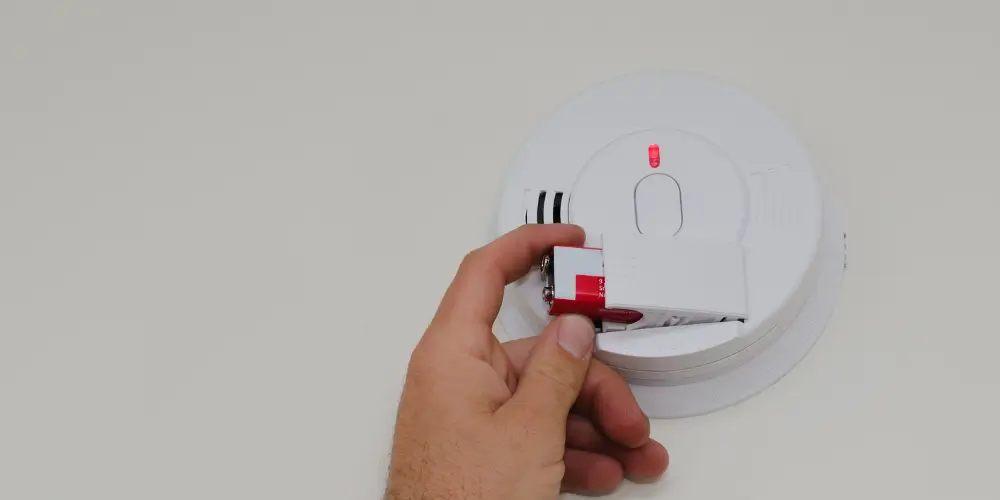
Why does a smoke alarm emit a periodic chirp when no smoke is present? The sound commonly signals a low battery. Modern smoke alarms monitor battery voltage and, when it falls below a threshold, trigger intermittent chirps to prompt replacement. For battery-operated units, the remedy is straightforward: silence the chirp briefly with the test/silence button, then replace the battery with the type specified by the manufacturer, often a 9V or AA alkaline, or a sealed lithium in long-life models. After replacement, press the test button to confirm steady power and proper function.
For alarms with removable batteries, follow a regular replacement schedule: annually for alkaline batteries and up to 10 years for sealed lithium batteries, depending on the model. Dispose of used batteries responsibly at a recycling point. Maintaining fresh batteries preserves safety and autonomy: it ensures alarms operate reliably without unexpected interruptions, leaving occupants free from nuisance chirps and secure in their readiness for audible warnings.
Is It More Than a Battery? Power, Wiring, and Hardwired Alarms
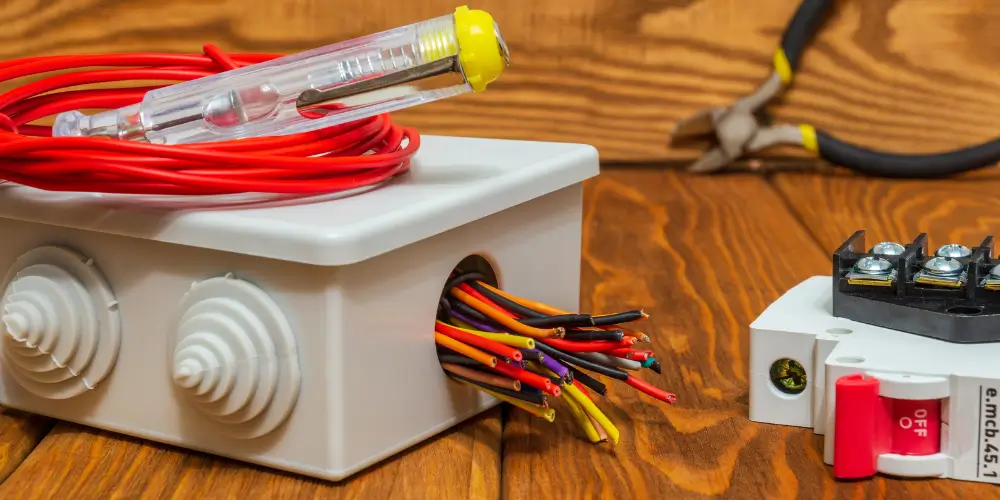
How else can a smoke alarm signal trouble beyond a dying battery? A beeping alarm may reflect power issues: loose wiring, tripped breakers, or interrupted AC feed in hardwired systems. In multi-unit or interconnected setups, a fault in one unit can cascade, causing all alarms to chirp. Aging electrical connections oxidise or loosen, producing intermittent power that mimics low-battery patterns.
Inspection should begin at the panel and the alarm’s junction box: confirm the circuit is live, breakers are on, and connections are secure. For hardwired alarms with backup batteries, replace the battery and test; persistent chirps after battery and panel checks indicate wiring or an internal module failure. Replacing a malfunctioning hardwired unit restores autonomy and reliability. When in doubt, a qualified electrician or licensed installer guarantees safe diagnosis and repair, preserving the occupant’s independence and peace of mind without risking improper DIY electrical work.
Dust, Insects, Humidity, and Temperature: Environmental Triggers
Beyond wiring and power faults, simple environmental factors often trigger intermittent beeps from smoke alarms. Dust accumulation can obstruct sensing chambers, causing false warnings until cleaned. Insects may nest inside units, their movement or droppings disrupting sensors; a quick vacuum or gentle brush often restores normal function. High humidity encourages condensation that mimics smoke particles, while rapid temperature swings near vents, attics, or poorly insulated areas can cause sensors to drift and chirp.
| Trigger | Typical Fix |
| Dust buildup | Vacuum and wipe exterior; remove unit if recommended |
| Insects | Inspect, remove nests, seal entry points |
| Humidity/Temp | Relocate the unit or improve ventilation |
Routine inspection empowers occupants to act without waiting for technicians. Maintaining clear sensor access, using insect deterrents, and stabilising room conditions reduces false beeps. If environmental fixes fail, further technical diagnosis may be warranted, but many nuisances yield to simple, liberated maintenance. Here is the detailed guidance for Fire Detection and Fire Alarm System Guide for Safer Buildings.
Cooking, Steam, and Aerosols: Stop False Alarms Fast
When did everyday kitchen activities become a nuisance for smoke alarms? Cooking produces tiny particulates and steam that optical sensors can mistake for smoke, and aerosol sprays add volatile particles that trigger sensitivity. The detached observer notes that frying, broiling, and burning oil are common culprits, while boiling water or simmering soups can create enough humidity to set off alarms designed to detect changes in density.
Practical steps to restore freedom without compromising safety: vent the area with an exhaust fan or by opening a window, move portable alarms farther from the stove, and use a hood vent directed outside. Replace overly sensitive photoelectric or ionization detectors with the type better suited to the kitchen, or install a heat or combination alarm in close-cooking areas. For temporary false activations, silence the alarm per the manufacturer’s instructions after confirming there is no danger. These measures balance annoyance reduction and occupant autonomy while preserving reliable fire detection. Learn How to Turn Off a Fire Alarm Without Damaging the System.
When the Alarm Is Failing: Faults, End-of-Life, and Replacement
Cooking-related false alarms highlight that not all beeps signal a real fire; some indicate the alarm itself is failing. The device may emit intermittent chirps due to wiring faults, sensor degradation, or reaching its end of life. A failing alarm undermines safety and freedom to live without constant worry; prompt replacement restores control. Look for error indicators: unusual patterns, visual fault lights, or age beyond the manufacturer’s lifespan (often 8–10 years). Replace rather than repeatedly silence a unit that shows persistent faults. When choosing a new alarm, favor models with clear status indicators, simple maintenance, and independent power options to preserve autonomy during outages.
| Fault Type | Sign | Action |
| Wiring fault | Irregular beeps | Inspect by a qualified person |
| Sensor failure | Frequent false alarms | Replace unit |
| End-of-life | Date stamped expired | Dispose of and install a new |
| Power issue | Single chirp | Replace battery or unit |
| Tamper/damage | Continuous alarm | Replace immediately |
How to Reset and Test Smoke and Combo (CO) Alarms
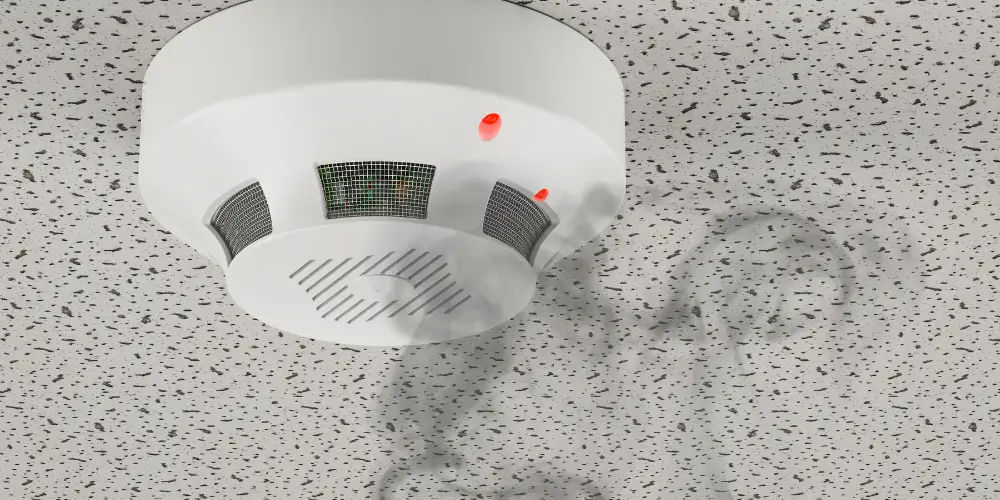
Resetting and testing smoke and combination smoke/CO alarms begins with following the manufacturer’s specific instructions: most units have a recessed reset/test button that clears alarms after a true event and runs a self-test, while some wired systems require a circuit breaker or control panel reset. The procedure typically involves silencing any active alarm, holding the test/reset button for the specified duration, and confirming the unit emits its full alert tone and LED pattern. For battery-powered models, remove and reinstall batteries or perform a battery pull if advised, then retest. Right placement of alarms matter the most, understand more about CO alarms and their placement.
Interconnected alarms may require checking each device in sequence to verify that the network communicates correctly. Use canned smoke or a test-detector spray only if recommended and allowed by the manufacturer; avoid open flames. Document the date of each test and note irregular behavior. If a unit fails to sound during a test, or if reset steps do not clear trouble signals, follow warranty guidance or replace the device per manufacturer recommendations.
When to Call an Electrician or Your Alarm Provider
After attempting the prescribed reset and test procedures, there are circumstances that warrant contacting a licensed electrician or the alarm manufacturer for further diagnosis and repair. A professional’s involvement preserves safety and autonomy when simple fixes fail. Persistent or irregular beeping after battery replacement, visible electrical damage, or alarms that fail to silence indicate issues beyond routine maintenance. Warranty-covered units, networked systems showing communication errors, or alarms installed in rental or multi unit properties also merit expert attention. The service provider can verify code compliance, replace defective modules, or address shared-circuit faults that threaten independent living.
- Persistent beeping after resets or fresh batteries.
- Visible wiring damage, frequent power surges, or tripped breakers.
- Networked/alarm panel errors or interlinked unit failures.
- Warranty questions, rental property obligations, or uncertain compliance.
Engaging a licensed electrician or the manufacturer protects occupants’ freedom by ensuring reliable, code-compliant alarm function without risky DIY interventions.
Frequently Asked Questions
Can Pets Trigger Smoke Alarms by Movement or Fur Accumulation?
Yes. Pets can trigger smoke alarms: movement rarely sets ionization detectors, but loose fur or dander can accumulate, causing false alarms. Owners seeking autonomy should regularly clean detectors, position them away from pet activity, and replace filters.
Do Smart Smoke Alarms Send Push Alerts to My Phone?
Yes, they do. The device forwards alerts, battery warnings, and tests via companion apps and push notifications to a phone. The user can usually customize permissions, notification types, and linked accounts for autonomy and control.
Can Paint Fumes or New Furniture Off-Gas Cause Beeping?
Yes. They can. Paint fumes and fresh furniture off‑gassing may trigger sensitive smoke or VOC sensors, prompting beeps. The person should ventilate, remove sources, and reset or temporarily silence alarms while ensuring safety and detection integrity.
How Often Should I Replace Interconnected Alarm Batteries?
They should replace interconnected alarm batteries every one to two years, or immediately when low-battery chirps begin; proactive replacement yearly preserves independence and safety, ensuring networks remain reliable without waiting for warning signals.
Will Loud Music or Bass Set off My Smoke Alarm?
Loud music or heavy bass can rarely trigger a smoke alarm if vibrations disturb its sensor or dust is loosened, but modern smoke detectors mainly respond to smoke particles; freedom-minded users should avoid tampering and keep detectors clean and mounted.
Conclusion
Why Is My Fire Alarm Beeping? When a smoke alarm beeps, the homeowner should first consider simple fixes: replace the batteries, check the power or wiring, and clear any dust or insects. Environmental factors such as humidity, cooking steam, or aerosols often trigger false alarms, while persistent chirps can indicate faults or end-of-life conditions. Resetting and testing in accordance with the manufacturer’s guidance can resolve many issues; otherwise, professional help from an electrician or alarm provider is recommended to ensure safety and restore reliable operation.