

Wondering how many steps make up a fire safety risk assessment? In most cases, a thorough fire safety risk assessment follows five key stages: identifying fire hazards, assessing who may be at risk, evaluating and controlling those risks, planning emergency procedures, and regularly reviewing and updating the assessment. Regularly reviewing your fire risk assessment guarantees that changes in the building layout, occupancy, or fire safety regulations are always taken into account, helping you stay compliant, prepared, and safer in the event of an emergency.
But just how many steps are there in total? “How Many Steps Make Up a Fire Safety Risk Assessment?” Join me as we unravel the layers of this critical assessment, referring to the Health and Safety Executive for more comprehensive guidelines on fire safety.
Table of Contents
Step 1: Identifying Fire Hazards in a Fire Safety Risk Assessment
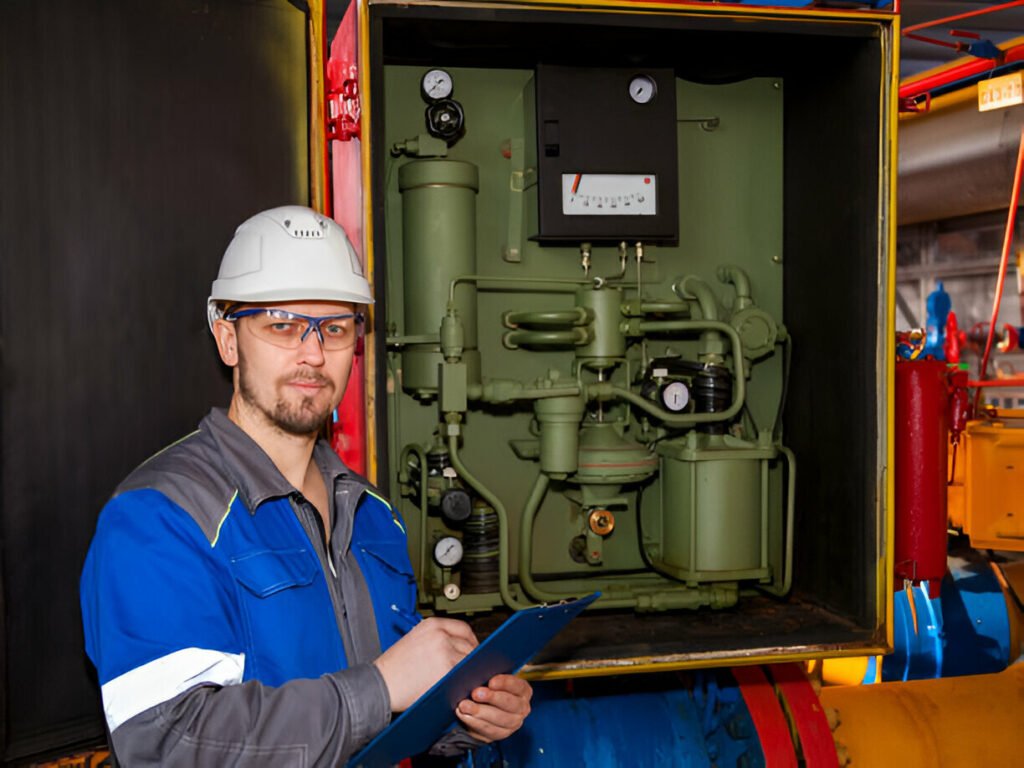
When conducting a fire safety risk assessment, the first and most critical step is to identify potential fire hazards throughout the premises. This involves a systematic inspection of the building to spot risks such as flammable materials, damaged or overloaded electrical wiring, blocked escape routes, and poorly maintained heating systems. Hazard identification is crucial for developing effective mitigation strategies. Mitigation involves implementing preventive measures, such as installing fire suppression systems, as detailed by the National Fire Protection Association.
During this stage, every area is reviewed for possible ignition sources, fuel sources and oxygen supply, including heating systems, chemicals, electrical installations and storage practices. Once hazards are identified, you can introduce targeted fire safety control measures, such as improving housekeeping, maintaining electrical systems, installing or upgrading fire detection and suppression systems, and keeping escape routes clear. For best practices in fire risk assessment, refer to the UK Government Fire Safety Guidelines. This comprehensive resource provides detailed steps that help organisations effectively evaluate and manage fire hazards.
Step 2: Recognising People at Risk in a Fire Safety Risk Assessment
In a fire safety risk assessment, the second key step is to identify who may be at risk and why. This includes employees, visitors, contractors, residents, and vulnerable occupants such as older people, children, wheelchair users, or anyone with mobility, sensory, or cognitive impairments. You should consider where people work or live, whether they sleep on the premises, how familiar they are with the building, and how quickly they could evacuate in an emergency.
Based on these findings, you can develop emergency fire action plans, including Personal Emergency Evacuation Plans (PEEPs), assign fire marshals, improve signage, and ensure clear escape routes. By recognising people at risk in your fire safety risk assessment, you move towards a person-centered fire risk assessment (PCFRA), creating a safer environment and helping ensure everyone can escape quickly and safely if a fire occurs.
Step 3: Evaluating and Reducing Fire Risks
To effectively evaluate and reduce fire risks as part of a fire safety risk assessment, you must combine thorough risk evaluation with proactive control measures. Assessment strategies play a vital role in identifying potential hazards, such as faulty electrical equipment or combustible materials, through meticulous risk evaluation.
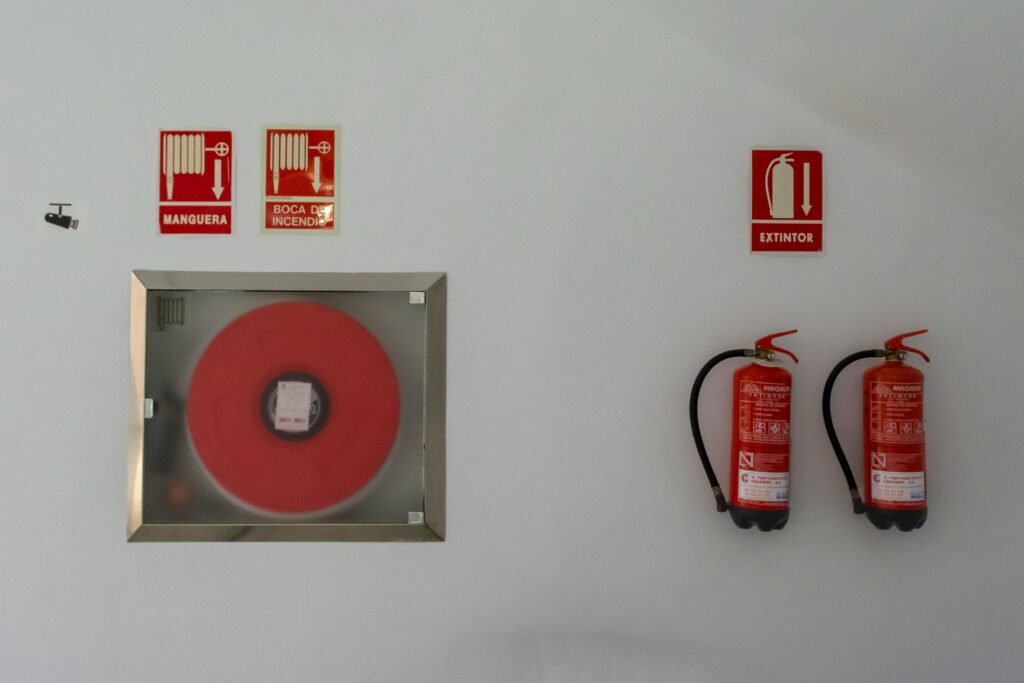
Once hazards are identified, targeted mitigation measures can be introduced, including clear fire safety protocols, improved evacuation procedures, installing or upgrading fire detection and fire suppression systems, and scheduling regular staff training to build fire safety awareness.
By continually evaluating and reducing fire risks, you help maintain a safer, legally compliant environment for all occupants. Learn more: fire prevention checklist.
Step 4: Recording Fire Risk Assessment Findings
After evaluating and reducing risks, the next essential step in a fire safety risk assessment is to record findings and prepare an action plan. This includes documenting identified fire hazards, people at risk, existing control measures, and any actions required to improve safety. Good record-keeping creates a clear audit trail, helps demonstrate compliance with UK fire safety legislation, and shows that responsible steps have been taken to manage fire risk.
Well-structured fire risk assessment records also support better decision-making, make it easier to update the assessment over time, and provide transparency for landlords, managing agents, business owners, and enforcing authorities. By keeping your documentation up to date and easily accessible, you strengthen your overall fire safety strategy and build a culture of ongoing risk management and improvement.
Step 5: Regular Review of Fire Risks
Conducting regular reviews of risks is integral to maintaining a proactive approach to fire safety management and ensuring the continued effectiveness of mitigation measures.
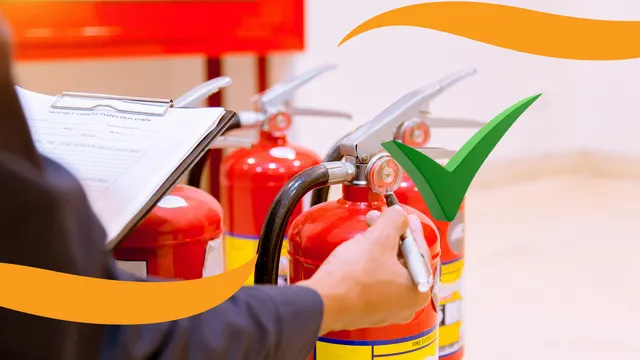
Regular review is the final, vital step in a fire safety risk assessment, ensuring your fire safety measures stay effective and compliant over time.
This involves routinely reassessing hazards, evacuation procedures, staff fire safety training, and existing control measures to reflect any changes in the building, occupancy, layout, or legislation. By scheduling regular fire risk assessment reviews, you can spot new risks early, update emergency plans, refresh staff training, and fine-tune your fire safety strategy. Explore more about: how often should fire risk assessments be reviewed minimum.
Consulting with competent fire risk assessors and gathering feedback from occupants also helps improve your overall fire safety management. Consistent review not only strengthens day-to-day fire prevention and preparedness but also demonstrates a proactive approach to legal compliance and the ongoing protection of people and property.
Legal Compliance in Fire Safety Risk Assessments
Ensuring compliance with legal requirements is a foundational aspect of conducting thorough fire safety risk assessments. Legal compliance is a core part of any fire safety risk assessment, ensuring your premises meet current fire safety regulations and UK fire safety legislation.
Duty holders must comply with all assessment requirements, keeping their fire risk assessment up to date and aligned with recognised standards and guidance. This includes identifying hazards, assessing people at risk, recording significant findings, and acting on any shortcomings in fire safety measures. Understanding who holds the duty to conduct fire risk assessments, visit who is responsible for fire risk assessment, landlord or tenant.
Staying compliant is not optional failure to meet legal duties can lead to enforcement action, fines, or prosecution.
By approaching every fire safety risk assessment with a clear focus on legal obligations, you help protect lives, safeguard property, and demonstrate that you are taking your fire safety responsibilities seriously.
Importance of Emergency Equipment in Fire Safety
Emergency equipment plays a critical role in workplace fire safety legislation and safe evacuation during an incident. This includes maintaining not only fire extinguishers but also proper emergency lighting requirements. Properly functioning emergency lighting systems provide crucial visibility in case of a power outage or during a fire, guiding occupants safely towards exits.
To keep these systems effective, businesses should carry out regular inspections and testing of all emergency equipment, ensuring emergency lights are correctly positioned, unobstructed, and fully operational.
Staff should also receive periodic training on fire exit regulations and use of fire extinguishers, emergency lighting, and the building’s evacuation procedures. By prioritising the maintenance, testing and understanding of emergency equipment, organisations can improve fire safety, support legal compliance, and create a safer environment for everyone on site.
Updating Fire Safety Measures in a Fire Risk Assessment
Regular risk reviews provide a foundation for updating fire safety measures to ensure ongoing effectiveness and compliance with evolving standards. Each review should inform improved fire safety protocols, drawing on new information from recent inspections, incidents, near-misses, or changes to the building, layout, or occupancy.
Training enhancements play a significant role in keeping individuals informed and prepared for potential fire incidents. Ongoing fire safety training is just as important, ensuring staff understand updated procedures and know how to respond in an emergency. To make it happen, it is important to understand the legal requirements of employees in the workplace fire safety.
By continuously reviewing and updating your fire safety measures as part of your fire risk assessment, you reduce risk, support legal compliance, and create a safer environment for everyone on the premises.
Frequently Asked Questions
How Can the Impact of Potential Fire Hazards on Mental Health and Wellbeing Be Addressed in a Fire Risk Assessment?
Addressing potential fire hazards’ impact on mental health and wellbeing in a fire risk assessment involves prioritising mental health awareness, implementing wellbeing initiatives, considering accessibility, planning inclusively, and providing emotional support to create a holistic approach to safety.
What Specific Considerations Should Be Made for Individuals With Disabilities or Mobility Impairments in Fire Safety Planning?
Inclusive planning for accessible evacuation is crucial in fire safety. Mobility accommodations, disability awareness, and emergency preparedness are key considerations. Tailored strategies ensure all individuals, including those with disabilities or mobility impairments, can safely evacuate during emergencies.
Are There Any Innovative Technologies or Tools That Can Enhance the Effectiveness of Fire Risk Assessments?
Incorporating technology solutions into fire risk assessments can greatly enhance their effectiveness. Innovative tools streamline hazard identification, prioritise mitigation efforts, and improve safety measures. Utilising these advancements maximises risk assessment benefits and ensures proactive preventive actions.
How Can Cultural Differences and Diverse Backgrounds Be Taken Into Account When Conducting a Fire Risk Assessment in a Multicultural Workplace?
Addressing cross-cultural sensitivity in a multicultural workplace during fire risk assessments involves inclusive practices, overcoming language barriers, accommodating sensory impairments, and tailoring training strategies. Understanding diverse backgrounds fosters effective safety measures and enhances overall preparedness.
What Role Does Communication and Training Play in Ensuring Effective Implementation of Fire Safety Measures Identified in a Risk Assessment?
Communication and training are integral to the effective implementation of fire safety measures identified in a risk assessment. Clear communication ensures understanding, while thorough training equips individuals to execute protocols efficiently, enhancing overall fire safety effectiveness.
How Many Steps Make up a Fire Safety Risk Assessment?
A fire safety risk assessment is typically divided into five key steps, starting from hazard identification to reviewing the plan regularly.
Conclusion
In conclusion, a fire safety risk assessment is a multi-faceted process that involves identifying, evaluating, and mitigating potential fire hazards to ensure the safety of individuals and properties. By meticulously following each step in the assessment, from recognising fire risks to updating safety measures, we can create a secure environment that prioritises prevention and protection. Continuous improvement and regular reviews are key in maintaining a high standard of fire safety, ultimately safeguarding against the devastating impact of fires.
