
A fire risk assessment is a structured review of a building, its use, and the people within it to identify fire hazards, evaluate the level of risk, and decide what fire safety measures are needed to reduce that risk.
In simple terms, it is the process of checking what could cause a fire, who could be harmed, how serious the consequences could be, and what should be done to prevent fire and protect people if one occurs. A proper fire risk assessment is not just a checklist. It is a practical assessment of the premises, the fire hazards present, the existing precautions, and any improvements required.
A good fire risk assessment helps protect life, supports legal compliance, improves fire safety management, and gives the responsible person a clear basis for action.
Last Updated: 2026
Reviewed By: London Safety Certificate Compliance Team
Table of Content
Understanding Fire Risk Assessments
Understanding fire risk assessment starts with one basic point: it is about more than spotting hazards. It is about judging how likely those hazards are to lead to fire, how serious the outcome could be, and whether the current fire precautions are good enough.
That is why a fire risk assessment usually looks at:
- the building layout
- how the premises is used
- the people who use it
- possible ignition sources
- combustible materials and fire load
- escape routes
- alarms, lighting, and other fire precautions
- emergency arrangements
- the need for further action
This is what is considered for a fire risk assessment in practice. The assessment is not only about what is present in the building, but also about how the building is managed and how people would respond if a fire occurred.
What Is Considered for a Fire Risk Assessment?
A fire risk assessment should consider the factors that affect the chance of fire starting, the chance of it spreading, and the likely impact on the people in the building.
Typical matters considered include:
1. Sources of ignition
These may include faulty electrical equipment, heaters, hot works, cooking equipment, smoking materials, hot surfaces, and machinery.
2. Sources of fuel
These include paper, cardboard, packaging, stock, waste, textiles, furniture, flammable liquids, and other combustible materials.
3. People at risk
A proper assessment considers employees, residents, visitors, customers, contractors, and anyone who may be especially vulnerable in an emergency.
4. Means of escape
The assessment should review escape routes, exits, travel distances, door arrangements, signage, and whether people can leave quickly and safely.
5. Fire detection and warning
It should consider whether alarm systems and detection measures are suitable for the building and its use.
6. Fire protection measures
This includes extinguishers, emergency lighting, fire doors, compartmentation, and other fire safety systems already in place.
7. Emergency procedures
The assessment should consider what happens if a fire starts, how the alarm is raised, how evacuation takes place, and whether staff or occupants understand the procedure.
8. Management and maintenance
A fire risk assessment also considers whether fire safety arrangements are maintained properly, reviewed regularly, and supported by training and record keeping.
What Is Your Understanding of Fire Risk Assessment?
A professional understanding of fire risk assessment is that it is a practical, risk-based process used to identify fire hazards, evaluate the level of danger, and decide what precautions are necessary to keep people safe.
It is not just about meeting a legal requirement. It is about understanding the actual fire risks in the premises and taking sensible steps to control them.
A weak fire risk assessment usually relies on generic wording and does not reflect the real conditions in the building. A strong fire risk assessment is specific to the premises, clear about the risks present, realistic about the people who may be affected, and practical about the actions required.
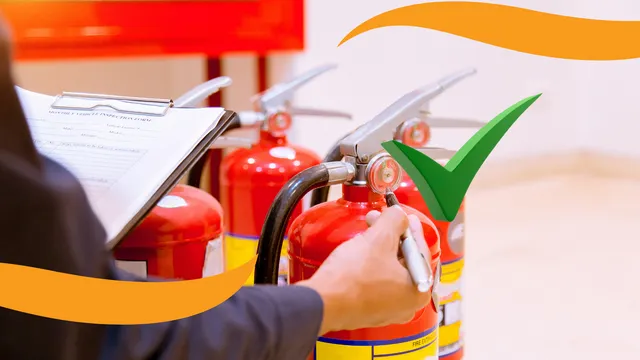
Why a Fire Risk Assessment Matters
A fire risk assessment matters because fire safety cannot be managed properly without understanding the real risks in the building.
Without an assessment, hazards may go unnoticed, escape routes may be inadequate, alarms may be unsuitable, staff may not know what to do, and important defects may remain unresolved. The assessment gives structure to fire safety management by showing:
- what the main fire risks are
- who may be affected
- whether current precautions are enough
- what needs to be improved
- what actions should be prioritised
This is why a fire risk assessment is a core part of responsible fire safety management in workplaces, communal residential buildings, and other relevant premises.
What Does a Fire Risk Assessment Involve?
A fire risk assessment usually involves a systematic inspection of the premises and a review of how fire safety is being managed. In most cases, the process involves:
| Stage | What it involves |
|---|---|
| Identify fire hazards | Review ignition sources, fuel sources, and conditions that may allow fire spread |
| Identify people at risk | Consider everyone who may be affected, including vulnerable persons |
| Evaluate and reduce risk | Decide whether current precautions are adequate and what more is needed |
| Record findings | Document significant findings and any action required |
| Plan and communicate | Make sure emergency procedures and responsibilities are clear |
| Review and update | Revisit the assessment when changes occur or the assessment may no longer be valid |
This is the practical structure behind most competent fire risk assessments. For the step-by-step process behind an assessment, see fire risk assessment must cover the following steps.
Common Fire Hazards Found in Assessments
A fire risk assessment often identifies recurring issues rather than unusual ones. Common examples include:
- overloaded sockets and poor electrical maintenance
- combustible storage in escape routes
- defective fire doors
- missing or weak alarm coverage
- poor housekeeping
- blocked exits
- unsuitable storage of flammable liquids
- inadequate staff training
- weak emergency procedures
- poor maintenance of fire safety equipment
These are exactly the types of findings that can turn a preventable issue into a serious incident if they are ignored.
Who Needs a Fire Risk Assessment?
A fire risk assessment is usually needed where there is a legal duty to assess and manage fire risk in the premises. In practical terms, this commonly applies to workplaces, commercial premises, shared parts of multi-occupied residential buildings, and other premises where fire safety law places duties on a responsible person.
The exact legal scope depends on the type of property and how it is used, but the main point remains the same: where the duty applies, the assessment must be suitable, specific, and kept under review. For the legal side of fire risk assessment, see what is the legal requirement for fire risk assessments.
What Makes a Good Fire Risk Assessment?
A good fire risk assessment is not long for the sake of being long. It is useful because it is clear, relevant, and specific.
A strong assessment should be:
- specific to the actual premises
- based on real fire hazards
- clear about who is at risk
- realistic about current conditions
- practical about actions required
- regularly reviewed and updated
A poor assessment usually does the opposite. It uses generic wording, misses obvious issues, fails to reflect the way the building is actually used, and gives little practical direction.
Fire Risk Assessment and Ongoing Review
A fire risk assessment is not something that should be completed once and then forgotten. It needs to stay current.
That is why it should be reviewed when:
- the building layout changes
- the occupancy changes
- the use of the premises changes
- fire safety measures are altered
- a fire or near miss occurs
- there is reason to think the existing assessment is no longer valid
A fire risk assessment only remains useful while it still reflects the real conditions in the building. For review timing and when reassessment is needed, see how often should fire risk assessments be reviewed minimum.
Final Answer
A fire risk assessment is a structured process used to identify fire hazards, assess the level of risk, decide what precautions are needed, and help keep people safe.
It considers what could cause a fire, who may be harmed, how serious the risk is, what fire safety measures are already in place, and what more needs to be done. A proper fire risk assessment is practical, building-specific, and regularly reviewed so that fire safety arrangements stay effective. For different assessment scopes and formats, see fire risk assessment types.
Frequently Asked Questions
What is a fire risk assessment?
A fire risk assessment is a structured review of a building and its fire hazards to identify risks and decide what safety measures are needed.
What is considered for a fire risk assessment?
It considers ignition sources, fuel sources, people at risk, escape routes, alarms, fire protection measures, emergency procedures, and ongoing fire safety management.
What is your understanding of fire risk assessment?
It is a practical process used to identify fire hazards, assess the level of danger, and decide what precautions are needed to reduce risk and protect people.
What does a fire risk assessment involve?
It involves identifying hazards, identifying people at risk, evaluating and reducing risk, recording findings, planning emergency procedures, and reviewing the assessment.
Why is a fire risk assessment important?
It helps prevent fire, protect life, improve emergency preparedness, and support proper fire safety management.
When should a fire risk assessment be reviewed?
It should be reviewed when there are significant changes to the premises, the way it is used, or when there is reason to think the current assessment is no longer valid.
Conclusion
In conclusion, fire risk assessment is a crucial process that plays a vital role in ensuring safety in various environments. By identifying potential hazards, evaluating risks, and implementing necessary safety measures, we can effectively mitigate the dangers associated with fires.
It’s important to stay informed about legal obligations, conduct thorough assessments, and regularly review and update safety protocols to create a secure environment for all individuals.
Fire risk assessment is a proactive approach that can save lives and protect property.