
Carbon monoxide alarms should be placed outside each sleeping area, on every level of the home, and near fuel-burning appliances and attached garages to guarantee timely detection. Mount units on ceilings or walls at about 5 feet high, or per the manufacturer’s guidance, keeping them a few feet from stoves, furnaces, windows, and vents to avoid false readings. Avoid hidden spots behind curtains or in dead-air zones. Proper placement, testing, and device selection further reduce risk; more details follow.
Key Takeaways
- Install CO alarms outside every sleeping area and on each level of your home, especially near bedrooms and stairways.
- Mount alarms on ceilings or high walls (about 5 feet up) so that CO, mixed with air, reaches the sensor.
- Keep detectors several feet from bedroom doors, windows, vents, and not directly above fuel-burning appliances.
- Place additional alarms near fuel-burning appliances and attached garages, but at least 3 feet away from those sources.
- Test monthly, replace batteries annually or as needed, and replace units at the manufacturer-specified end of life.
Table of Contents
Quick Answer: Where to Put CO Alarms to Protect Bedrooms
Where should carbon monoxide alarms be placed to safeguard bedrooms? A clear approach advises mounting alarms outside each sleeping area, ideally in hallways adjacent to bedrooms, so occupants hear alerts while asleep. Learn what to do immediately when an alarm sounds.
Placing detectors at least a few feet from bedroom doors prevents dead-air zones; ceiling placement or high on walls aligns with CO’s slight tendency to mix with air. For multi-level homes, an alarm near the top of stairways helps cover vertical airflow that could carry CO into sleeping spaces. Portable or plug-in units in individual bedrooms offer added personal control for those who value autonomy, particularly when renters cannot alter common areas.
Avoid placing alarms directly next to windows, vents, or kitchens where drafts or normal combustion can trigger false readings. Regular testing and battery checks ensure continued protection; occupants remain responsible for maintenance. This placement strategy balances effective detection with respect for personal freedom and practical household dynamics.
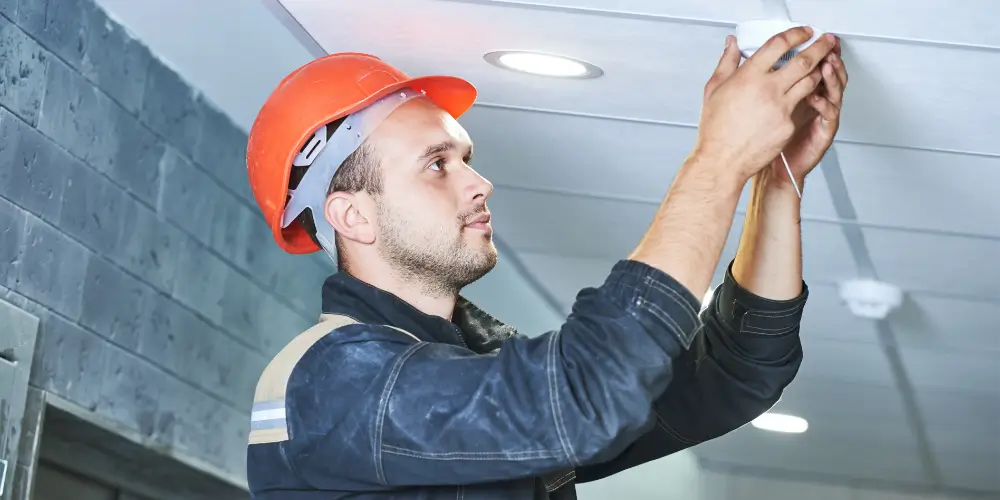
How Many CO Detectors Do You Need?
One per sleeping area is the baseline, but a thorough plan typically includes at least one detector on every level of a home and one outside each cluster of bedrooms. Guidance emphasises coverage over minimalism: install devices to guarantee an alarm is heard wherever people sleep and to provide redundancy near fuel-burning appliances, garages, and living spaces. Occupants who value freedom prefer straightforward rules that maximise safety without unnecessary complexity.
| Area type | Recommended minimum | Notes |
| Sleeping area | 1 per bedroom or cluster | Guarantees an audible alarm during sleep |
| Each level | 1 detector | Covers common rooms and stairwells |
| High-risk zones | 1 near appliances/garage | Adds redundancy, not replacement |
For larger homes, add detectors to reduce blind spots and to create overlapping protection. Battery-backed, interconnected units are suggested to preserve autonomy and reliable alerting across the residence.
How High and How Far to Mount CO Alarms
Having established how many detectors are needed and where they should be concentrated, the next consideration is the correct mounting height and spacing to guarantee reliable sensing and audible coverage. Guidance favours flexibility: detectors should be positioned where they won’t be blocked, yet where occupants can hear alarms clearly. Height and distance choices balance sensor response with daily use and aesthetics.
- Mount CO alarms on a wall about 5 feet above the floor or on the ceiling per manufacturer instructions; this captures the mixed air layer where CO typically distributes.
- Place alarms outside each sleeping area and on every level; maintain line-of-sight where possible to avoid dead zones.
- Keep units at least 3 feet from fuel-burning appliances to prevent nuisance activations, unless manufacturer guidance specifies otherwise.
- Avoid installing near windows, vents, fans, or very high ceilings that can dilute readings; follow device-specific rules while preserving household freedom of layout.
CO Alarm Placement Near Boilers, Fireplaces, and Gas Stoves
Because boilers, fireplaces, and gas stoves are common indoor sources of carbon monoxide, CO alarms should be sited to detect leaks without reacting to normal appliance operation; placement demands balance. Install alarms in rooms containing these appliances, but not directly adjacent to combustion vents, flues, or cooking surfaces where transient combustion gases or steam can cause nuisance alarms. Mount units at breathing height in living areas or on walls 5–20 cm below the ceiling, following manufacturer guidance, and keep them at least 1–3 meters from the appliance depending on instructions.
For fireplaces, avoid the immediate hearth area and draft paths; for boilers, avoid the boiler casing and any service access panels. Certain alarms are in connected sleeping areas so occupants can wake and act. Do not rely on a single detector if the home has multiple fuel-burning appliances; install multiple units to preserve freedom of movement and minimise risk. Regular testing and adherence to appliance maintenance schedules help ensure reliable detection without undue disruption.
CO Alarm Placement for Garages and Attached Spaces
When a garage or attached space opens into living areas, careful CO alarm placement is essential to detect vehicle or equipment exhaust without causing frequent false alarms; units should be positioned to monitor airflows from the garage toward the home while respecting manufacturer mounting distances from doors, windows, vents, and major appliance flues. Detectors should be mounted on the home side of the separating wall or ceiling, close enough to sense migrating gases but far enough to avoid routine exhaust spikes from occasional door openings. If a direct mechanical transfer exists (duct, pass-through), consider a detector near the transfer point. Battery-backed or interconnected alarms preserve freedom from wiring constraints while ensuring prompt notification.
- Place on the living-space side of the barrier, 1–3 meters from the separating door.
- Avoid installation within the garage interior to reduce false alarms.
- Keep clear of windows, vents, and strong drafts.
- Choose powered or wireless-interconnected units for reliable alerts.
How to Distribute Detectors Through Your Home (Room-by-Room)
Although layouts vary, a systematic room-by-room approach guarantees carbon monoxide alarms protect all occupied areas without unnecessary overlap. Begin with sleeping areas: install an alarm inside each bedroom and at least one in the hallway immediately outside clustered bedrooms so occupants are alerted during sleep. Place detectors on every level of the home, including basements and finished attics, to cover vertical gas migration. In living rooms, dens, and open-plan spaces, position alarms where people spend extended time and away from direct drafts that could dilute readings.
Kitchens with gas appliances benefit from a nearby detector in the adjoining area, not directly above cooking surfaces. Garages and utility rooms adjacent to the home should have detectors in the connecting indoor space to detect seepage. For small apartments or studios, a single centrally located alarm may suffice if it can be heard in all areas. Certain detectors remain accessible for testing and battery changes while optimising coverage without duplicating units.
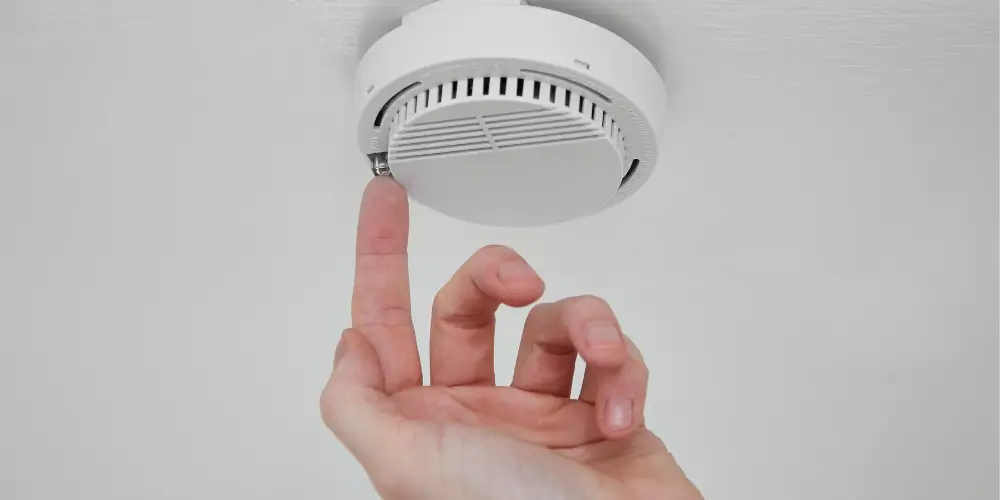
Common CO Alarm Placement Mistakes to Avoid
A few common placement errors undermine the effectiveness of carbon monoxide alarms and create a false sense of security. The guidance emphasises practical freedom: position alarms for reliable detection, not convenience. Avoid shortcuts that limit protection or produce misleading alarms.
- Installing alarms too close to fuel-burning appliances can trigger nuisance alerts and prompt removal rather than correction.
- Placing units near windows, doors, or vents where drafts dilute CO concentration and delay detection, compromising timely warning.
- Mounting alarms at ceiling peaks in rooms with high ceilings; CO mixes with air, so mid-level wall placement near breathing zones is more practical.
- Concealing alarms behind furniture, curtains, or in closets reduces exposure to ambient air but also increases the risk of late or missed alarms.
Each mistake reduces autonomy by eroding trust in alarms. Clear, strategic placement preserves freedom to move and live without constant doubt about safety.
Choosing, Testing, and Replacing CO Alarms
After correcting placement mistakes, attention shifts to selecting, routinely testing, and timely replacing carbon monoxide alarms to maintain dependable protection. Homeowners should choose UL-listed or equivalent alarms with digital peak level displays and end-of-life indicators; battery-operated, hardwired with battery backup, or smart-connected models each offer autonomy and control. Install an alarm outside sleeping areas and on every level; rely on manufacturer specifications for sensor type and lifespan electrochemical sensors typically last 5–7 years.
Test alarms monthly using the test button and replace batteries at least annually or when low-battery chirps begin; for tamper-resistant freedom, choose alarms with user-replaceable batteries or sealed long-life batteries depending on maintenance preference. Replace the entire unit at the manufacturer-stated end-of-life date, or sooner if false alarms, failure to test, or exposure to contaminants occur. Keep a simple maintenance log and register devices with the manufacturer to receive safety updates and recall notices, preserving reliable, independent protection.
Frequently Asked Questions
Can Smart Home Systems Integrate CO Alarm Notifications Remotely?
Yes. They often integrate with smart home hubs and apps, enabling remote CO alarm notifications, alerts, and automation. Users retain control over settings, permissions, and notification routing for convenient, independent monitoring and timely responses.
Are Battery-Only CO Alarms Reliable During Power Outages?
Yes, a battery-only CO alarm can reliably operate during power outages if equipped with fresh, quality batteries and regular testing. It grants independent protection, though wired or dual-power units with battery backup offer added dependability and monitoring.
Do Window or Door Drafts Affect CO Alarm Performance?
Yes. Drafts can dilute CO near an alarm, potentially delaying detection; strong, persistent airflow may create false negatives. The person installs alarms away from direct drafts and checks placement to preserve independent safety and autonomy.
How Do Carbon Monoxide Alarms Differ From Smoke Alarms?
Carbon monoxide alarms detect invisible, odorless gas via electrochemical sensors and sound before poisoning; smoke alarms sense combustion particles or heat with ionisation or photoelectric sensors to warn of fire. They serve distinct, complementary safety roles.
Can Pets Trigger False Carbon Monoxide Alarms?
Pets rarely trigger false carbon monoxide alarms; their presence alone doesn’t cause CO detection. However, pet hair, fur, dander, or dust buildup can obstruct sensors or cause malfunction, so owners should keep alarms clean and properly maintained.
Conclusion
Protecting sleeping areas with carbon monoxide alarms is essential: place a unit outside each bedroom and on every level, including basements and near attached garages. Install detectors at typical head height or per manufacturer guidance, avoid dead air spaces, and keep them at least a few feet from fuel-burning appliances. Distribute units to cover living rooms, kitchens, and halls; test monthly; replace batteries as recommended; and adhere to replacement timelines to ensure continuous, reliable CO detection.