
Why is my boiler dripping water? A boiler dripping water usually signals a problem with pressure, valves, seals, or internal components. Common causes include a weeping pressure relief valve, high or low system pressure, worn gaskets, a faulty heat exchanger, or corrosion inside the system. Minor leaks can still damage electrics, ceilings, and flooring, and may mask bigger faults. Shutting the boiler off and investigating promptly helps protect safety, and the next sections explain how to spot causes and what to do.
Key Takeaways
- A dripping boiler often indicates pressure problems, such as a faulty pressure relief valve, high system pressure, or frequent pressure loss from hidden leaks.
- Internal component failures, including damaged seals, gaskets, pumps, or heat exchangers, can cause water to escape from the boiler casing or pipework.
- Corrosion and limescale buildup around joints, fittings, and internal parts weaken connections, leading to persistent leaks and reduced boiler efficiency.
- Simple fixes include checking the pressure gauge, closing the filling loop, bleeding radiators, and gently tightening accessible compression fittings or replacing worn washers.
- Call a Gas Safe engineer if leaks persist, water escapes from inside the casing, or you notice gas smells, scorching, or unexplained boiler shutdowns.
Table of Contents
Is a Dripping Boiler Dangerous?
When a boiler begins to drip water, it can indicate anything from a minor issue to a serious safety concern, depending on the cause and severity. A small, slow drip from a joint or fitting might simply signal wear, poor installation, or corrosion in pipework. Though not immediately life‑threatening, it can still damage property, waste energy, and limit the owner’s control over heating costs.
However, a persistent or worsening leak suggests the system isn’t operating as designed. Water around electrical components, controls, or the burner area raises the risk of short circuits or complete failure. Internal leaks inside the boiler casing can accelerate corrosion, shortening the unit’s life and forcing premature replacement.
From a freedom‑focused standpoint, ignoring a drip hands control over escalating repair bills and possible shutdowns. Addressing the issue early preserves choice, safety, and flexibility in how and when the system is used.
Pressure Relief Valve Leaks
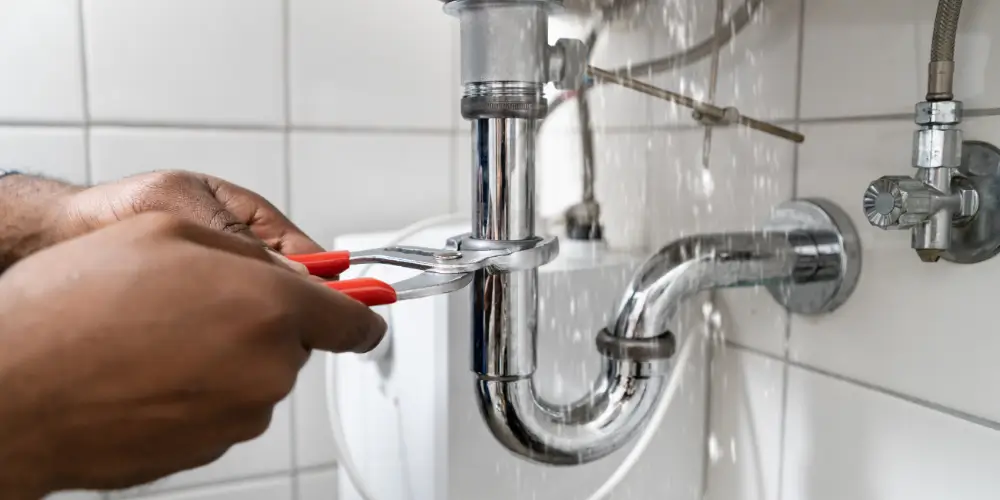
Among the most common sources of a dripping boiler is the pressure relief valve, a safety device designed to release water if system pressure climbs too high. When it works correctly, a brief discharge is normal, but constant dripping signals a problem that limits control and comfort in the home.
Leaks often stem from debris on the valve seat, corrosion that prevents a tight seal, or a spring weakened by age. In some cases, a valve has simply reached the end of its service life. Visual signs include steady dripping from the discharge pipe, staining around the outlet, or crusty limescale deposits.
Homeowners seeking independence from recurring callouts can visually inspect the discharge pipe and surrounding area, but a qualified technician should handle any adjustment or replacement. A faulty valve is inexpensive to replace compared with the long‑term cost and constraints of ignoring a persistent leak.
High or Low Boiler Pressure Issues
Although a boiler is a sealed system, its internal pressure constantly rises and falls with heating demand, and any deviation outside the recommended range can lead to drips. When pressure climbs too high, water may escape from joints, automatic air vents, or the pressure relief line. When it drops too low, air can be drawn in, creating corrosion-prone points that eventually seep.
| Pressure Sign | What It Often Indicates |
| Gauge above 2.5 bar | System overfilled or expansion issue |
| Gauge below 1.0 bar | Water loss or trapped air |
| Frequent top‑ups | Hidden leak somewhere in the circuit |
| Noisy radiators | Air pockets disturbing circulation |
| Drips after heating | Expansion stressing weak seals and unions |
Homeowners who value independence tend to monitor the pressure gauge regularly, bleed radiators when necessary, and refill only to the manufacturer’s stated range. This simple habit often prevents both nuisance drips and more restrictive, costly callouts. Here is the guidance for the boiler pressure measurements: What Should Boiler Pressure Be? Normal Boiler Pressure Guide.
Faulty Heat Exchanger
In many leaking boilers, a compromised heat exchanger is the underlying culprit, allowing system water to escape internally rather than from visible pipework. When the metal body of the exchanger cracks or corrodes, water can seep into the combustion chamber or flue path, often appearing as unexplained drips, stains, or steam. This failure not only wastes energy but can also limit a homeowner’s freedom to heat their space reliably and safely.
A key warning sign is water appearing beneath the boiler even when external joints and valves seem sound. Unusual noises during operation, fluctuating temperature, or repeated pressure loss may also point toward exchanger damage. Because the heat exchanger is central to the boiler’s function and exposed to intense temperature swings, repair is rarely simple. In many cases, a qualified professional will recommend replacing the heat exchanger, or the boiler itself to restore dependable, low‑stress operation.
Damaged Internal Components
Hidden within the boiler casing, a range of smaller components can also suffer damage that leads to persistent dripping. When these parts fail, the homeowner’s sense of control quickly erodes, replaced by rising costs and safety doubts. Internal seals and gaskets can harden, crack, or shift, allowing water to bypass its intended path and escape onto the casing or floor.
Pressure‑related components are another frequent culprit. A malfunctioning pressure relief valve that does not reset properly after venting can weep constantly, creating a thin but continuous trickle. Similarly, a faulty filling loop or worn valve cartridges may fail to close fully, leaving the system slightly over‑pressurised and more prone to leaks at weak points.
Electrical components that regulate temperature and pressure can also misbehave, causing overheating or cycling that stresses joints and seals, gradually turning minor weaknesses into visible drips.
Leaking Boiler Pipes and Fittings
While internal components can quietly start a drip, many boiler leaks trace back to the more visible network of pipes and fittings around the unit. Over time, joints can loosen, seals can perish, and metal can corrode, allowing water to escape and pool beneath or around the boiler. Even hairline cracks or slightly misaligned connections may release enough moisture to trigger safety cut‑outs and restrict a household’s autonomy over heating and hot water.
Copper and steel pipework is especially vulnerable where it meets valves, pumps, and isolation points. Repeated heating and cooling cycles cause expansion and contraction, gradually stressing threaded connections and compression fittings. On older systems or poorly installed boilers, inadequate support can make pipes sag or strain against joints, worsening leaks.
Visually inspecting exposed pipework, checking for green staining, rust, or white limescale deposits, helps identify trouble early and preserves more independent, reliable operation.
Blocked or Damaged Condensate Pipe
A boiler’s condensate pipe often becomes an overlooked source of dripping water when it becomes blocked or physically damaged. This small plastic pipe carries acidic condensate away from the boiler to a drain; when it fails, water may drip from joints, the boiler casing, or the pipe outlet itself. Blockages often occur in winter, when exposed sections freeze, or when internal sludge and debris restrict flow.
Once obstructed, condensate backs up into the boiler, triggering safety lockouts or steady dripping that undermines confidence in the system. Physical damage, cracks, sagging sections, or poorly supported runs can also create constant weeping.
| Situation | Visible Sign of Trouble |
| Frozen outdoor section | Intermittent dripping, no heat |
| Internal sludge buildup | Slow, regular drip |
| Cracked plastic pipe | Localized wet patch on wall |
| Poor pipe routing | Occasional drip during firing |
Timely inspection restores reliability and peace of mind.
Leaking Pump or Seals
Leaking from the boiler’s pump or its seals often appears as a steady drip from beneath the casing or around the pump housing, especially when the system is running. This usually points to worn pump seals, a failing pump shaft, or joints that have loosened over time. Heat, vibration, and pressure cycles gradually break down rubber components and gaskets, allowing water to escape.
A homeowner who wants control over their system will first locate the pump, usually near the boiler with visible isolation valves. With the power safely off, they can inspect for moisture around the pump body, connections, and seal area. Slightly loose unions may be tightened, but persistent dripping generally means the pump seals or the entire pump need replacement. Continuing to run the boiler can spread water onto electronics and flooring, so a prompt repair by a qualified engineer helps restore reliability and keeps the owner in charge of their heating.
Boiler Corrosion Issues
Boiler corrosion issues often sit at the heart of mysterious drips, as rusted components and pin‑holed metal allow water to escape slowly over time. Corrosion typically attacks the heat exchanger, pipework, joints, and the internal surfaces where metal, oxygen, and water meet. Over years, this quiet decay weakens the system’s shell, turning once‑solid steel into flaky, fragile patches that surrender under pressure.
Freedom‑minded homeowners often see corrosion as evidence of hidden constraints: neglected maintenance, poor water quality, or badly balanced systems imposed by past decisions. Understanding these forces helps them reclaim control instead of reacting to every new drip.
- Corrosion reduces efficiency, forcing the system to burn more fuel for the same heat.
- Internal rust and sludge restrict water flow, undermining comfort and consistency.
- Persistent corrosion shortens boiler life, tying occupants to premature replacements and unexpected costs.
How to Fix a Leaking Boiler
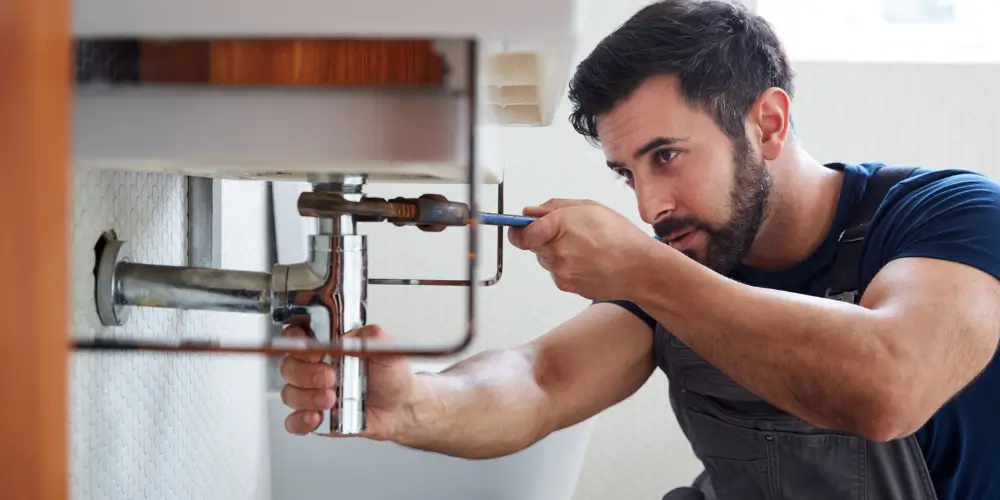
Tackling a leaking boiler starts with staying calm, shutting the system down, and identifying the source of the drip before using any tools. Once power and fuel are off, the pressure gauge is checked; if it’s too high, the filling loop is closed, and the system is bled at a radiator to reduce pressure.
If the leak appears around visible pipe joints, a person may gently tighten accessible compression fittings with appropriate tools, avoiding excessive force that could crush olives or distort pipes. For flexible hoses or washers showing clear wear, replacing like‑for‑like components, using manufacturer‑approved parts, .restores integrity without altering the system’s design.
Where seals on serviceable external parts, such as pump housings or inspection covers, are damp, renewing gaskets and reassembling to specified torque can stop minor weeps. After any intervention, the system is repressurised gradually, then observed closely to confirm the drip has ceased.
When to Call a Gas Safe Engineer
Sometimes the safest option is to stop troubleshooting and involve a professional, and with gas appliances in the UK that means a Gas Safe registered engineer. When a boiler is dripping, there’s a fine line between simple maintenance and work that legally and practically belongs to a qualified specialist.
A Gas Safe engineer should be called immediately if there is any sign of gas smell, scorching around the boiler casing, or unexplained system shutdowns alongside the leak. They are also essential when internal components such as the gas valve, burner, or flue need inspection or replacement. Read our blog post, How to Book a British Gas Boiler Service: A Complete Guide
Key moments to hand over control include:
- Persistent leaks after basic checks like pressure adjustment and visible pipe tightening
- Water escaping from inside the boiler casing, not just external joints
- Any suspicion that the issue links to combustion, ventilation, or flue performance
Calling early protects safety, preserves warranty, and keeps long‑term options open.
Frequently Asked Questions
Can a Dripping Boiler Increase My Energy Bills Significantly Over Time?
Yes, a dripping boiler can considerably raise energy bills over time by wasting heated water, forcing longer burner cycles, reducing efficiency, accelerating wear on components, and undermining the user’s ability to control ongoing utility costs.
Will a Leaking Boiler Affect My Home Insurance Coverage or Claims?
Yes, a leaking boiler can affect coverage; insurers may deny claims if leaks stem from poor maintenance or ignored warnings. Policies differ, so homeowners maximize flexibility by reviewing terms and documenting inspections, repairs, and leak-discovery timelines.
Is It Safe to Turn My Boiler Back on After I Notice a Small Leak?
It’s generally not safe. A cautious homeowner would switch the boiler off, isolate the water, check pressure, and call a qualified engineer, avoiding reset or DIY fixes until a professional assesses the leak’s source and risk.
How Often Should a Boiler Be Serviced to Prevent Leaks From Developing?
A boiler should be serviced annually. This routine check helps owners catch leaks early, protect efficiency, and avoid costly breakdowns, while also meeting many warranty and insurance requirements that depend on proof of yearly maintenance.
Can Using Central Heating Additives Help Reduce the Risk of Boiler Leaks?
Yes, central heating additives can help reduce leak risk by limiting corrosion, limescale, and sludge. However, they don’t replace regular servicing, pressure checks, and prompt repairs, which remain essential for long‑term boiler reliability and safety.
Conclusion
To sum up, “why is my boiler dripping water?” A dripping boiler should never be ignored. Whether caused by pressure issues, faulty valves, damaged components, corrosion, or a compromised heat exchanger, leaks can worsen quickly and may become unsafe. While homeowners can safely check pressure gauges and visible pipework, most repairs require professional expertise. Recognising early warning signs and contacting a Gas Safe engineer when in doubt helps protect the property, maintain efficiency, and guarantee the heating system operates safely and reliably.