

A consumer unit, often called a fuse box, serves as the control centre for an electrical system, safely managing electricity distribution across different circuits in homes or buildings. It consists of main switches, circuit breakers such as MCBS and RCBOS, and RCDS, which protect against faults by disconnecting power to prevent electrocution and fires. This unit must comply with specific safety standards like the UK’s BS 7671:2018 to guarantee operational safety through effective fault detection and system isolation mechanisms. Regular maintenance and adherence to these regulations are essential for peak performance and safety. Understanding these mechanisms provides further insights into maximising the safety and efficiency of electrical systems.
Key Takeaways
- A consumer unit is the main distribution point for electrical circuits in a building.
- It centralises control and distribution of electricity from the main supply.
- The unit includes safety and circuit management components, such as main switches, RCDS, MCBS, RCBOS, and SPDS.
- It protects against electrical faults such as overloads and short circuits, enhancing safety and reliability.
- Consumer units must comply with safety standards like UK Wiring Regulations for safe operation.
Table of Contents
What is a Consumer Unit? Uk
In the UK, a consumer unit is a critical component in residential and commercial electrical systems, designed to distribute electricity safely across a property.
The central hub is where incoming mains power is divided into subsidiary circuits. It provides a convenient location for housing protective devices such as circuit breakers and residual current devices (RCDS).
This configuration facilitates the management and control of the electrical system. It enhances safety by protecting against electrical fires and reducing the risk of electric shock.
Definition and Purpose
A consumer unit, often called a fuse box in the UK, is the principal distribution point for electrical circuits within a residential or commercial building. Its primary function is distributing electricity from the main power supply to various circuits, providing a centralised control point for managing electrical loads, and guaranteeing protection against electrical faults.
Key aspects of consumer units include:
Consumer Unit Types
There are several types, including split-load, dual RCD, and high-integrity units, each designed to meet specific electrical needs and building configurations.
Installation Tips
Proper installation is essential. It requires understanding the layout and capacity of the building’s electrical system and complying with the UK Wiring Regulations.
Safety Regulations
Adhering to safety standards, such as the IET Wiring Regulations and local codes, is mandatory to guarantee that the consumer unit operates safely and effectively.
Operational Efficiency
The setup of a consumer unit impacts the efficiency of electrical distribution, making it important to choose the correct type and configuration for optimised performance.
Understanding these elements is significant for those involved in electrical design, installation, or maintenance who aim to master their field.
Importance of Electrical Safety
Understanding the various types and configurations of consumer units sets the stage for recognising their role in enhancing electrical safety. These units are essential in managing and distributing electricity throughout a property, mitigating the risk associated with electrical hazards. Their design and functionality adhere strictly to safety regulations, guaranteeing that all components, such as circuit breakers and RCDS (Residual Current Devices), actively prevent the occurrence of electrical shocks and fires.
A well-configured consumer unit is integral to the risk assessment process within electrical systems. It is the first defence against circuit overloads, short circuits, and faulty grounding, primarily contributing to electrical incidents. These units safeguard human life and property by systematically disconnecting the power when detecting irregularities.
Additionally, the installation and maintenance of consumer units must comply with the latest standards and codes outlined by electrical safety authorities. This compliance is vital for maintaining the integrity of an electrical system and upholding high safety standards.
Therefore, the consumer unit is not merely a component of an electrical system but a significant enabler of safety and reliability, warranting meticulous attention and regular inspection to guarantee peak performance and safety.
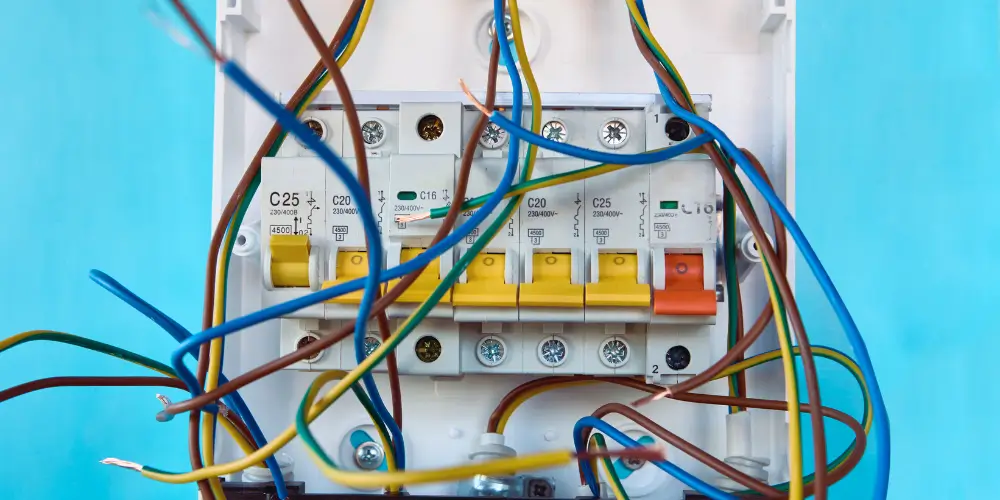
Key Components of a Consumer Unit
A consumer unit comprises several critical components that guarantee the safety and efficiency of building electrical systems.
These include the Main Switch, which controls the power supply; RCDS (Residual Current Devices), which prevent electric shock by interrupting the circuit if a leakage current is detected; and MCBS (Miniature Circuit Breakers), which protect against overcurrent.
Additionally, RCBOS (Residual Current Breaker with Overcurrent Protection) offer combined protection against overcurrent and earth faults, while SPDS (Surge Protection Devices) safeguards against voltage spikes.
Main Switch:
One essential component of any consumer unit is the main switch. This central control allows power to be completely isolated from the electrical system. This is critical for safety and maintenance in residential and commercial buildings.
The main switch disconnects the electrical supply, allowing for safe repairs and modifications without the risk of electric shock.
Understanding the various main switch types is fundamental for effective electrical system design. Common types include single-pole switches used in simpler setups and double-pole switches that offer added safety by disconnecting the live and neutral connections.
Proper main switch installation is necessary. It should be easily accessible and clearly labelled to ensure quick operation in an emergency.
The installation must comply with national safety standards to prevent electrical accidents.
- Safety: Guarantees that all power can be safely isolated to prevent electrical accidents.
- Accessibility: Must be positioned where it can be quickly and easily accessed.
- Compliance: Needs to meet regulatory standards for safe electrical systems.
- Versatility: Available in various types, catering to different electrical system requirements.
Each aspect of a main switch, from its type to its installation, plays a significant role in the safety and functionality of a consumer unit.
RCD (Residual Current Device):
While the main switch serves as the overarching safety controller within a consumer unit, the Residual Current Device (RCD) is equally essential for protecting against electrical faults. RCDS are designed to disconnect the circuit whenever they detect an imbalance between incoming and outgoing currents. This functionality is crucial in preventing severe electric shocks and reducing the risk of fire caused by faults in the wiring or connected appliances.
RCD installation requires careful integration with the consumer unit, guaranteeing compatibility and adherence to electrical standards. Proper placement and connection are imperative to facilitate effective monitoring of circuit integrity. The RCD should be installed upstream of circuit breakers for peak performance to guarantee thorough protection across all connected circuits.
RCD testing is another important aspect for maintaining safety. Regular testing guarantees that the RCD responds appropriately to fault conditions. This involves simulating a fault by creating a small leakage current, which should prompt the RCD to trip, thereby cutting off the power.
Suppose the RCD fails to trip during these tests. In that case, it might indicate a malfunction or degradation, necessitating immediate professional assessment and possible replacement to uphold safety standards.
MCB (Miniature Circuit Breaker):
Several key components define a consumer unit’s functionality, and the Miniature Circuit Breaker (MCB) stands out due to its vital role in protecting electrical circuits.
MCBS are designed to automatically cut off electrical power when there is an overload or a short circuit, preventing wire damage and fires. Understanding the intricacies of MCBS can enhance safety and efficiency in electrical systems.
- MCB Installation Techniques: Proper installation is essential for effective operation. It involves selecting the correct cable size and type, securely connecting the MCB to the consumer unit, and ensuring it is properly grounded.
- MCB Rating Types: MCBS have different ratings, determining the maximum current they can handle before tripping. These include B, C, and D types suited for different loads and operational environments.
- MCB Troubleshooting Tips: Regular inspection for signs of wear and testing using a multimeter can preempt failures. It’s important to recognise symptoms like frequent tripping or physical damage.
- Advanced Applications: MCBS can be combined with other protective devices for layered safety strategies in complex installations, enhancing overall system integrity.
RCBO (Residual Current Breaker with Overcurrent Protection):
As another essential component of the consumer unit, the RCBO (Residual Current Breaker with Overcurrent Protection) combines the functions of an MCB and an RCD (Residual Current Device), providing both overcurrent and leakage protection. This dual functionality guarantees enhanced safety by detecting and interrupting excess current due to overloads or faults and residual currents that could lead to electric shocks or fires.
The RCBO installation process requires precise integration into the consumer unit to guarantee efficacy and compliance with electrical standards. Positioning the RCBO to monitor the circuit directly it protects is critical, facilitating an immediate response to irregularities. The device is designed for easy installation with clear labelling and standardised fittings compatible with modern consumer units.
One key RCBO benefit is its space-saving design, which eliminates the need for separate MCB and RCD units, thereby reducing clutter and complexity in the consumer unit.
Additionally, the RCBO’s ability to isolate specific circuits adds a layer of convenience during maintenance or fault diagnosis, minimising disruption to other circuits. This specificity also enhances the protection of sensitive electronic equipment by guarding against unexpected power surges and residual currents, guaranteeing safety and functionality within residential and commercial settings.
SPD (Surge Protection Device):
Building on the RCBO’s protective capabilities, Surge Protection Devices (SPDS) are another essential component within a consumer unit. They focus specifically on safeguarding electrical systems from voltage spikes.
As transient voltage surges can originate from various sources, such as lightning strikes or grid switching operations, SPDS are critical for preventing damage to electrical infrastructure and sensitive electronic equipment.
Integrating SPDS into consumer units delivers enhanced reliability and safety for residential and commercial electrical systems.
To further understand their significance:
- There are several types of SPDS, including Type 1, Type 2, and Type 3 SPDS, each designed for different levels of exposure and protection needs.
- Surge Protection Benefits: SPDS helps extend the lifespan of electrical devices, reduce maintenance costs, and prevent catastrophic failures.
- Installing SPD: Proper installation is essential and typically requires a certified electrician to guarantee ideal functionality and compliance with electrical standards.
- Performance Indicators: To guarantee superior protection, look for SPDS with a lower clamping voltage and higher surge current rating.
Choosing the Right Consumer Unit
Selecting an appropriate consumer unit requires thoroughly assessing the dwelling’s electrical load requirements to guarantee compatibility and safety.
Understanding and adhering to the specifications outlined in BS 7671:2018 govern installation requirements for consumer units in residential settings.
This standard guarantees that the chosen unit can handle the anticipated electrical demand while complying with current safety regulations.
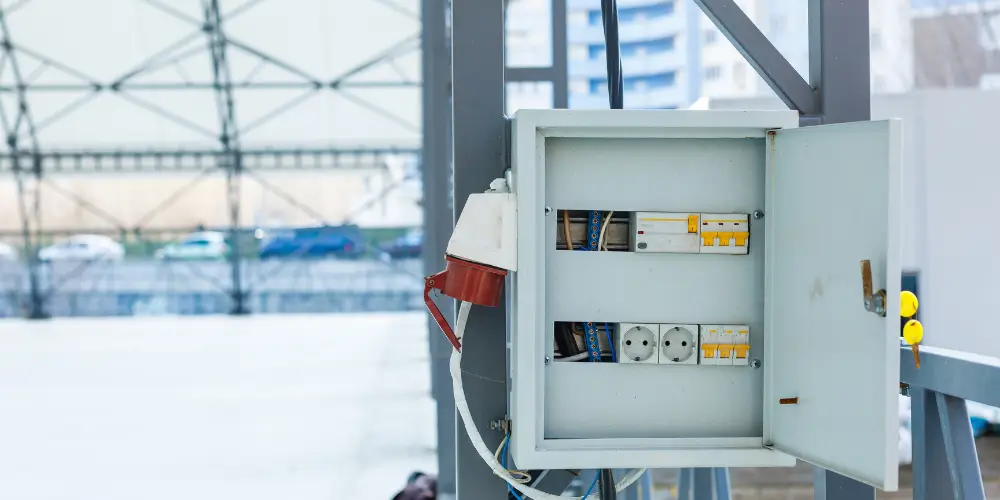
Assessing Electrical Load Requirements
To choose the appropriate consumer unit for a residential or commercial building, it is vital first to assess the electrical load requirements. This involves a detailed understanding of load calculation methods, critical for accurate sizing and safe operation of electrical systems.
Effective load calculation considers all potential energy usage, helping to guarantee that the consumer unit can handle expected demands without risk of overload.
Here are key considerations to effectively assess electrical load:
Load Calculation Methods
Utilise standard techniques such as the per-unit method or the summation of individual circuit loads to estimate total
demand.
Peak Demand Analysis
Analyse usage patterns to determine the maximum simultaneous load, which directly influences the capacity requirement of the consumer unit.
Electrical Demand Forecasting
Project future increases in electrical usage due to technological advancements or additional occupants to guarantee the consumer unit remains adequate over time.
Circuit Segregation
Plan separate circuits for heavy appliances and general lighting, which can help manage load distribution and enhance safety.
What are the requirements of BS 7671:2018 today, for consumer units in dwellings?
Understanding the requirements of BS 7671:2018 is essential when selecting a consumer unit for residential dwellings. This standard, integral to the UK’s electrical safety regulations, outlines the specifications for installing and maintaining electrical installations, including consumer units. The document emphasises the need for consumer units to be constructed and installed to mitigate fire risk, primarily through non-combustible materials.
BS 7671:2018 requires that all consumer units in domestic environments comply with the fire safety provisions stated under Chapters 42 and 52. These sections mandate the installation of consumer units in locations that minimise the potential for fire risk and guarantee easy access for emergency interventions.
Additionally, the standard calls for the protection of circuits by Residual Current Devices (RCDS) with a sensitivity of not more than 30 ma, enhancing protection against electric shock and fire hazards.
Adherence to these installation compliance guidelines guarantees the safety of the dwelling’s occupants and the longevity and efficiency of the electrical installation. Mastery of these consumer unit standards is critical for professionals aiming to guarantee safety and compliance in electrical installations within residential settings.
Installation Guidelines
Installing a consumer unit is a critical process that demands professional expertise to guarantee compliance with electrical safety standards and regulations.
Following stringent safety precautions during installation is imperative to prevent any potential hazards associated with electrical systems.
Adhering to established standards not only guarantees the safety of the installation but also secures the longevity and reliability of the consumer unit.
Professional Installation Importance
Guaranteeing the safety and efficiency of a consumer unit installation necessitates professional expertise. The margin for error is minimal when dealing with such critical components of a building’s electrical system.
Professional installation adheres to stringent regulatory standards and guarantees that the system operates at peak efficiency. The benefits of having a skilled technician perform the installation include minimising electrical risks and maximising the durability of the consumer unit.
Professional installation benefits encompass several key factors:
- Compliance with Regulations: Skilled technicians are well-versed in local and national electrical standards, guaranteeing installations are up to code.
- Optimised System Performance: Professionals design and install consumer units to handle load requirements effectively, reducing the risk of electrical failures.
- Risk Minimisation: Expert installers implement robust safety measures to prevent short circuits, overloads, and potential electrical fires.
- Future-proofing: A professional can anticipate future needs and configure the unit to accommodate potential upgrades or expansions.
Incorporating the expertise of a skilled technician not only secures a reliable electrical system but also extends the lifespan of the consumer unit, underlining the importance of professional installation in any residential or commercial property.
Safety Precautions and Standards
Safety precautions and standards are paramount when installing a consumer unit to mitigate risks associated with electrical systems. A meticulous approach to electrical safety practices guarantees the installation’s functionality, longevity, and safety. Adhering strictly to the latest safety regulations laid out by local and international electrical codes is essential.
Firstly, consumer unit compliance with regulations such as the IEC (International Electrotechnical Commission) standards or the NEC (National Electrical Code) in the United States is non-negotiable. These standards specify the minimum requirements for the safe installation, operation, and maintenance of electrical systems, including consumer units.
Installers must verify that all components meet or exceed these stringent requirements to prevent electrical failures and hazards.
Secondly, proper isolation of electrical circuits and secure connections are foundational electrical safety practices that must be observed during installation. This involves correctly-rated circuit breakers and RCDS (Residual Current Devices) to protect against overload and potential electric shocks.
Each connection must be meticulously inspected to verify that there are no loose wires or potential points of failure.

Maintenance and Inspection
Regular maintenance checks guarantee a consumer unit’s continued safety and functionality.
These inspections should identify signs of wear or emerging faults, which can compromise the system’s integrity.
A thorough review of all components, including circuit breakers and connections, helps prevent electrical hazards and prolongs the unit’s lifespan.
Regular Checks for Safety
Regular maintenance and inspection of consumer units are essential for maintaining electrical safety and functionality in any building. Confirming that these systems comply with current electrical standards can prevent potential hazards and guarantee efficient operation.
Regular inspections are critical to a thorough safety protocol. They detect anomalies before they escalate into serious issues.
To effectively implement regular checks for safety, consider the following practical steps:
- Scheduled Inspections: Adhere to a fixed schedule for professional inspections to maintain ongoing compliance with electrical safety regulations.
- Testing of Safety Devices: Regularly test circuit breakers and RCDS (Residual Current Devices) to verify they are functional and can respond appropriately to electrical faults.
- Visual Assessments: Perform detailed visual examinations of the consumer unit for any signs of damage or overheating, which are critical in early fault detection.
- Documentation and Records: Maintain meticulous records of all inspections and tests performed, noting any changes or upgrades made to the system.
Adhering to these guidelines will guarantee that the consumer unit remains in peak condition, supporting the installation’s overall safety protocols and electrical compliance.
Signs of Wear or Faults
Identifying signs of wear or faults in consumer units is a critical aspect of maintenance that demands meticulous attention.
Professionals must employ a combination of visual examinations and technical diagnostics to detect early signs of degradation or malfunction. Key wear indicators include discolouration, deformation, or corrosion of components, which often signify underlying issues such as overheating or exposure to moisture.
Similarly, signs of arcing, such as burn marks or a persistent burning smell, warrant immediate investigation to prevent potential safety hazards.
Fault detection techniques incorporate both manual inspections and the use of advanced diagnostic tools. Circuit breakers that frequently trip or fuses that blow regularly are clear indicators of circuit overload or faults within the system.
Additionally, unusual noises from the consumer unit, such as buzzing or humming, can indicate loose connections or other electrical faults that require rectification.
Maintenance tips for ensuring consumer unit longevity and ideal performance involve routine connection tightening, regular cleaning to avoid dust accumulation, and ensuring all installations comply with the latest electrical standards and regulations.
Implementing a systematic approach to periodic reviews and employing thermal imaging tools can also enhance fault detection and allow for timely interventions.
Upgrading Your Consumer Unit
Upgrading your consumer unit can be necessitated by several factors, including outdated technology or increased electrical load demands.
Modern consumer units provide enhanced safety features, such as dual RCDS and better fault detection capabilities, greatly reducing the risk of electrical fires and shocks.
Understanding the reasons behind upgrading and the benefits these newer units offer is essential for maintaining an efficient and safe electrical system in your home.
Reasons for an Upgrade
A consumer unit’s capacity to meet current electrical safety standards often necessitates its upgrade. Outdated or deteriorating units fail to comply with modern regulations and pose considerable risks to consumer safety.
Electrical upgrades are essential for accommodating increased power loads from new appliances and technology in homes and commercial spaces. Integrating modern technology guarantees enhanced functionality and safety.
When considering an upgrade, it is vital to evaluate:
- Increased electrical demand: Modern lifestyles involve more high-power devices than older electrical systems were designed to handle.
- Regulatory compliance: Updated consumer units are built to comply with the latest safety standards, which older models might not meet.
- Ageing infrastructure: Components within older units can degrade over time, leading to inefficiency and potential hazards.
- Enhanced protection features: Modern units include more sophisticated circuit protection options, such as RCDS (Residual Current Devices), which greatly improve safety by quickly cutting off power in case of a fault.
Upgrading a consumer unit is not merely a regulatory compliance issue but a significant investment in the safety and efficiency of your electrical system.
This strategic update supports current and future electrical needs while considerably diminishing the risks associated with outdated systems.
Benefits of Modern Units
Modern consumer units offer a host of advantages that extend beyond mere compliance with updated electrical standards. They embody the pinnacle of modern technology benefits, including enhanced safety features and energy efficiency improvements. These units are designed to manage the demands of contemporary electrical loads better, reducing risks associated with electrical faults and surges.
Upgrading to a modern consumer unit is not just a regulatory fulfilment; it’s a strategic decision that enhances your electrical system’s operational efficacy and safety. With the integration of RCDS (Residual Current Devices) and MCBS (Miniature Circuit Breakers), these units provide superior protection against electrical fires and shocks, safeguarding both lives and property.
The following table illustrates the key benefits of modern consumer units:
| Feature | Benefit | Impact |
| RCDs and MCBs | Prevents electrical fires and shocks | Enhances safety |
| Compact Design | Saves space and integrates easily | Improves aesthetics and utility |
| Energy Monitoring | Tracks energy usage | Promotes energy efficiency |
| Easy Reset Mechanisms | Simplifies restoration after a trip | Reduces downtime |
| Compliance Standards | Meets latest regulations | Guarantees legal and safety compliance |
Common Issues and Troubleshooting
Consumer units often encounter issues such as tripping circuits and overloads, which can indicate more complex underlying problems.
It is essential to systematically identify faulty components, such as damaged circuit breakers or incorrect wiring, that can compromise system integrity.
Effective troubleshooting requires a methodical approach to testing and diagnosing these components to guarantee safety and functionality.
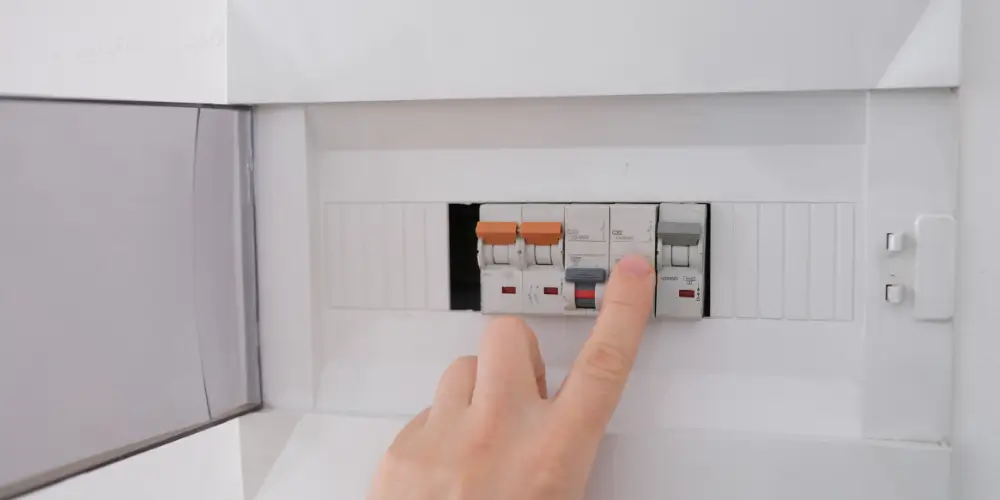
Tripping Circuits and Overloads
Frequent tripping circuits and overloads can greatly disrupt a consumer unit’s functionality, indicating underlying electrical issues requiring immediate attention. Such disruptions are inconvenient and can compromise electrical safety, highlighting the importance of robust circuit protection and overload prevention strategies.
Understanding the common causes and implementing effective troubleshooting procedures is crucial for maintaining system integrity and functionality.
To deepen your understanding, consider these factors:
Circuit Overload
Excessive demand on a circuit, typically caused by connecting too many high-wattage devices simultaneously.
Short Circuit
A serious issue where a live wire comes into direct contact with a neutral wire, leading to a significant increase in current flow that can trigger the circuit breaker.
Ground Fault
This occurs when a live wire touches a ground wire or the metal wall box, vastly increasing the risk of shock.
Aged or Damaged Wiring
Over time, wires can deteriorate or become damaged, which may make them unable to handle the current load effectively, leading to frequent tripping.
Addressing these issues promptly guarantees continued efficiency and safety within the electrical system, minimising potential hazards and disruptions.
Identifying Faulty Components
Identifying faulty components within a consumer unit is a critical step in mitigating electrical malfunctions and guaranteeing the safety and efficiency of your electrical system. The process begins with a systematic faulty wiring diagnosis, aiming to isolate and rectify any discrepancies in the electrical connections. This involves visually inspecting the wiring for signs of damage, discolouration, or unusual wear, and employing multimeters or insulation resistance testers to measure voltage and resistance levels.
Circuit breaker failure is another common issue that necessitates thorough scrutiny. Breakers that protect electrical circuits may fail due to mechanical wear, overload, or short circuits. Effective troubleshooting includes testing each breaker‘s ability to conduct electricity and its tripping response. This can be achieved using specialised testing equipment that simulates overcurrent conditions.
Furthermore, extensive electrical component testing is essential in confirming the integrity of other elements like RCDS (Residual Current Devices) and MCBS (Miniature Circuit Breakers). Each component must be tested for operational reliability to guarantee it functions as expected under various electrical loads.
Advanced diagnostic tools and rigorous testing protocols enhance troubleshooting, leading to a safer and more reliable electrical system.
Consumer Units in Different Settings
Consumer units vary considerably between residential and commercial applications, primarily due to differences in load requirements and energy consumption patterns.
Special considerations must be made for safety and capacity in garages and sheds that may house heavy machinery or have sporadic usage patterns.
Selecting the appropriate consumer unit that can handle specific environmental conditions and operational demands in these varied settings is essential.
Residential vs. Commercial Units
Typically, consumer units designed for residential environments differ markedly from those used in commercial settings, primarily regarding capacity and complexity. Residential units are generally streamlined for domestic use, focusing on basic power distribution and safety features suitable for homes. These units typically support lower capacity circuits tailored to typical household appliances and lighting.
In contrast, commercial consumer units are designed to handle higher capacities and more complex circuit arrangements. They must accommodate a broader range of electrical demands, such as large HVAC systems, commercial-grade machinery, and extensive lighting arrays, often requiring customised solutions to meet specific commercial standards and safety codes.
Key differences include:
- Capacity and Scalability: Commercial units are built to support greater electrical loads and future scalability than residential units.
- Installation Differences: Commercial installations often require integration with more complex building management systems and multiple power sources.
- Regulatory Compliance: Commercial units must adhere to stricter regulations and standards.
- Complexity of Circuit Design**: More intricate circuit designs in commercial units facilitate the distribution and management of higher loads across larger facilities.
Understanding these distinctions guarantees appropriate selection and installation, aligning with both residential features and commercial standards.
Special Considerations for Garages and Sheds
While residential and commercial environments necessitate particular types of consumer units, settings such as garages and sheds also present unique challenges and requirements. These areas often require robust solutions to accommodate higher-power tools and equipment, making choosing garage wiring options vital.
It is essential to select a consumer unit that can handle the specific demands of heavy-duty machinery, which often involves dedicated circuits and enhanced protection mechanisms.
When considering shed electrical safety, the primary concern is the environmental conditions. Sheds are typically more exposed to moisture and temperature fluctuations than the main residential or commercial buildings. Consequently, it is important to install consumer units designed for damp conditions and feature proper sealing and corrosion-resistant components.
Additionally, the configuration should include residual-current devices (RCDS) for added protection against electrical shocks and potential fire hazards.
Outdoor circuit considerations also play a significant role in ensuring safety and functionality. The layout and design of electrical circuits must prevent overloading and maintain stability even in adverse weather conditions.
Utilising weatherproof enclosures and ensuring that all wiring complies with local electrical standards are fundamental to maintaining operational integrity and safety in these auxiliary spaces.
Safety Features of Modern Units
Modern consumer units have integrated advanced safety features to enhance electrical safety and system reliability.
Surge Protection Devices (SPDS) safeguard electrical installations from voltage spikes, typically caused by lightning or switching operations.
Arc Fault Detection (AFD) technology also plays a pivotal role in preventing electrical fires by detecting and interrupting unintended arcing in circuits.
Surge Protection Devices
Surge Protection Devices (SPDS) are vital components in modern consumer units that safeguard electrical systems from voltage spikes. These devices are integral in managing unexpected increases in voltage that can cause significant damage to electrical appliances and even lead to fire hazards.
SPDS works by diverting the excess voltage from sensitive components before it can cause harm.
To enhance understanding, consider the following key points about SPDS:
- Device Types: SPDS come in various forms, including Type 1, Type 2, and Type 3, each designed for different parts of the electrical system and varying levels of exposure to surge risks.
- Installation Tips: Proper installation is important for effective protection. It is generally recommended that a qualified electrician install SSPD to guarantee peak functionality and compliance with electrical standards.
- Performance Standards: To ensure reliable surge protection, SPDS should meet specific standards, such as IEC 61643-11 for international markets or UL 1449 for the United States.
- Maintenance and Testing: Regular testing and maintenance of SPDS are essential to verify that they continue functioning correctly and provide the necessary protection over time.
Arc Fault Detection
Arc Fault Detection Devices (AFDDS) are sophisticated safety components incorporated into contemporary consumer units to identify and mitigate the risks associated with electrical arc faults. These devices are vital for enhancing fire safety by detecting arcs resulting from damaged or deteriorated wires and connections, which are the primary causes of arc faults.
The technology within AFDDS distinguishes between harmless operational sparking and potentially dangerous arc faults, enabling them to intervene by disconnecting the power before the arc causes significant damage or fire.
Stringent arc fault regulations to reduce electrical fire incidents increasingly govern AFDD implementation. These regulations require the installation of AFDDS in both residential and commercial buildings, particularly in environments where the risk of fire from electrical faults is elevated.
In practice, arc fault prevention involves not only the deployment of AFDDS but also adherence to electrical installation standards that minimise the likelihood of arc faults through proper wiring practices and regular maintenance.
Understanding the operational characteristics of AFDDS and the regulatory framework is essential for electrical professionals and safety inspectors. Mastery of these elements guarantees the effective application of arc fault detection technologies, thereby advancing overall electrical safety standards in building infrastructure.
Energy Efficiency and Consumer Units
Consumer units are pivotal in managing energy consumption within residential and commercial buildings.
Integrating consumer units with smart home systems facilitates enhanced monitoring and control of energy usage, optimising efficiency and reducing wastage.
This synergy supports sustainable energy practices and significantly saves costs over time.
Impact on Energy Consumption
Regarding the impact on energy consumption, consumer units play a vital role in enhancing energy efficiency within electrical systems. These units, often the central hub for managing household or commercial electricity, can greatly influence how energy is utilised and conserved. By effectively distributing and regulating electrical power, consumer units guarantee that energy is safely managed and optimised for efficiency.
Key ways in which consumer units contribute to energy efficiency include:
- Enhanced Circuit Control: Allows precise control over different electrical circuits, minimising wastage through standby power and unnecessary consumption.
- Integration with Smart Meters**: Facilitates real-time consumption tracking**, enabling better energy management and providing detailed insights into usage patterns.
- Facilitation of Energy Saving Tips: Consumer units can be set up to implement energy-saving settings based on data received from smart meters and consumption tracking tools.
- Optimised Power Allocation Guarantees that energy is distributed according to need, reducing overloads and improving the electrical system’s overall efficiency.
Consumer units are not just safety devices but strategic components in achieving energy efficiency. Their role in consumption tracking and energy management is vital for optimising energy use and reducing unnecessary expenditure.
Integrating with Smart Home Systems
Building on their pivotal role in managing energy efficiency, consumer units are increasingly integrating smart home systems to enhance their capability further. This integration facilitates enhanced smart energy management by enabling more precise control over electrical circuits and consumption patterns within residential environments.
By linking consumer units with home automation technologies, users can achieve real-time monitoring and automated control of their energy usage, significantly reducing wasteful consumption and optimising energy expenditures.
This technological synergy involves ensuring device compatibility across various components of the smart home ecosystem. It requires the consumer unit to be adaptable to different protocols and standards set by smart devices. This capability allows for seamless communication and interoperability between the consumer unit and devices such as smart thermostats, lighting systems, and appliances.
Integrating consumer units with smart home systems has practical benefits, including scheduling heavy appliance operations during off-peak energy hours, receiving alerts for electrical faults, and performing remote troubleshooting.
These functionalities contribute to energy conservation and enhance the overall safety and efficiency of electrical systems in smart homes.
Frequently Asked Questions
Can Consumer Units Be Painted to Match Home Decor?
While some may question the safety of altering electrical installations, consumer units can be painted to match home decor using appropriate painting techniques and considering homeowner preferences for colour options.
Are Consumer Units Waterproof or Weather-Resistant?
Consumer units are not inherently waterproof but may incorporate weather-resistant features for outdoor installation. Waterproof materials and specific enclosures protect electrical components from environmental exposure and moisture ingress.
How Do Consumer Units Affect Home Insurance Rates?
Consumer units influence home insurance rates through insurance evaluation criteria focused on electrical safety standards. Enhanced units may lower premiums by meeting robust safety benchmarks, expanding policy coverage options and reducing risk.
Can Old Consumer Units Be Recycled or Repurposed?
Old consumer units can be recycled or repurposed, promoting eco-friendly options. Reuse possibilities depend on ensuring electrical safety standards are met, requiring technical evaluation to assess components’ viability for practical, sustainable applications in new settings.
What Are the Legal Disposal Methods for Consumer Units?
Legal disposal methods for consumer units must comply with specific regulations, prioritising environmental impact. Authorised facilities should be used to handle hazardous components properly and reflect best practices in waste management and sustainability.
