
A new home boiler typically costs between £2,000 and £7,500 installed, depending on type, size, fuel, and installation complexity. Combi boilers are usually the cheapest up front, system boilers are midrange, and regular boilers are the costliest due to extra components. Larger homes or multiple bathrooms need higher-capacity, pricier units. Fuel choice and efficiency ratings affect purchase and running costs. Installation challenges, parts and labor add variability. Continue for practical tips on quotes, savings and avoiding poor estimates.
Key Takeaways
- Typical new boiler costs range widely: expect roughly low-end for combi, higher for system, and highest for regular boilers.
- The price of a boiler depends on its size and capacity. Larger homes and multiple bathrooms require more powerful, costlier units.
- Fuel type affects cost: mains gas is usually the cheapest upfront; oil and electric/heat pumps cost more to buy and install.
- Installation adds significant expense; simple swaps are cheaper than relocations, conversions, flue changes, or the removal of old units.
- Get at least three itemised quotes, check warranties and installer credentials, and compare lifetime running and maintenance costs.
Table of Contents
Quick Cost Summary: Typical Boiler Prices (Combi, System, Regular)
When replacing a home heating boiler, three common types, combi, system, and regular, typically fall into distinct price bands: combi boilers generally cost least up front, system boilers sit in the middle, and regular (conventional) boilers are often the most expensive to install due to additional components and labor. A combi unit combines water heating and central heating in one compact appliance, reducing installation complexity and often lowering initial purchase and fitting costs. System boilers use a separate hot water cylinder and usually require moderate installation effort and expense. Regular boilers need a tank and cylinder, plus more pipework, driving up labor and materials costs. Beyond base prices, buyers valuing autonomy consider installer choice, product warranties, and fuel type when comparing options. Transparent quotes and the selection of a reputable installer enable confident decisions. Short-term savings on purchase can trade off against long-term performance and maintenance, so cost should be weighed against personal freedom in home energy control.
How Boiler Size & Home Demand Affect Cost
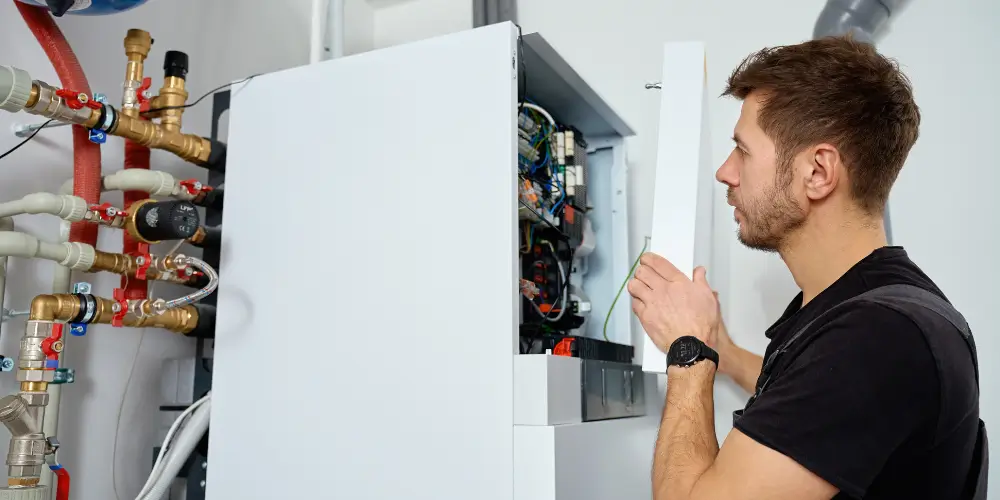
How much heating power a home requires directly influences boiler cost: larger boilers with higher output ratings (measured in kW) and greater flow rates are pricier to purchase and fit, while undersied units can raise running costs and shorten equipment life.
Sizing depends on floor area, insulation quality, ceiling height, window area, and local climate; each factor affects the required heat output and thus the capital and installation costs. Properties with multiple bathrooms, zoned heating, or high hot-water demand typically require higher-capacity units or separate cylinders, which increases complexity and labour time.
Accurate heat-loss calculations prevent overbuying and avoid compromises to autonomy. Residents can choose equipment that matches their lifestyle rather than pay for excess. Installation challenges such as tight plantrooms, long pipe runs, or retrofit conversions also raise costs due to extra materials and skilled labor. Professional assessment balances upfront cost versus reliable performance, enabling confident choices that preserve comfort and independence without unnecessary expenditure.
How Fuel Type & Efficiency Affect Price
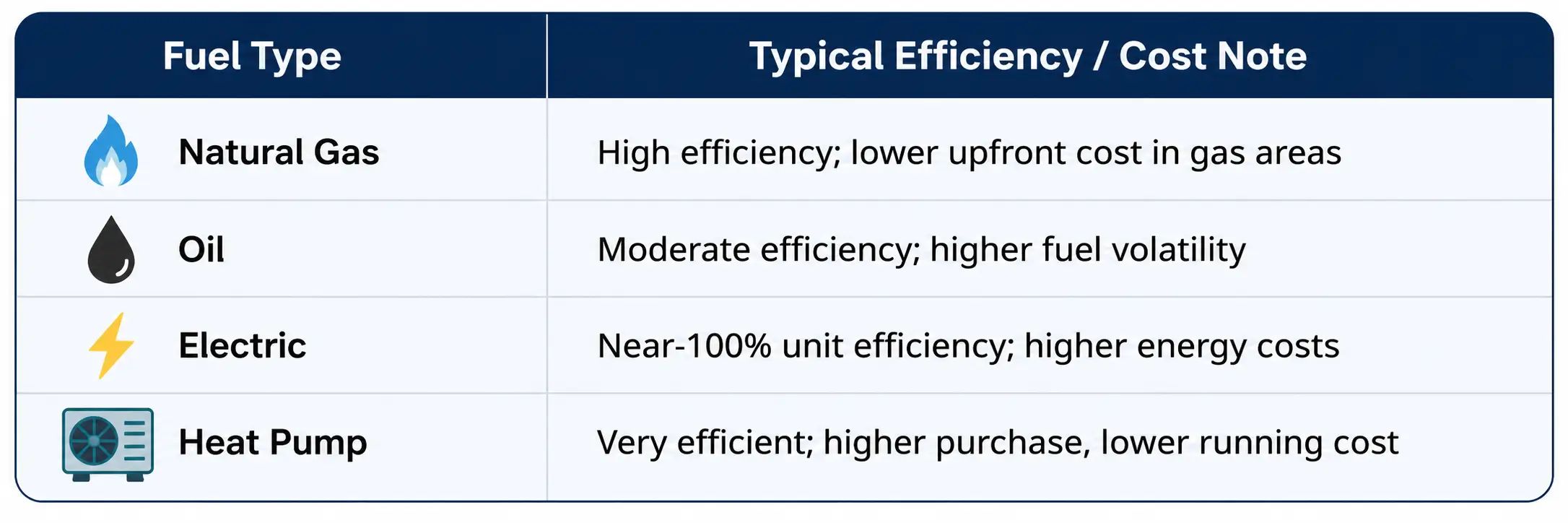
Different fuel types and a boiler’s efficiency rating strongly influence both upfront price and long-term running costs. The buyer seeking independence will weigh fuel availability, unit efficiency (AFUE or SEDBUK), and expected fuel prices. Gas boilers are often cheaper to buy and run where mains gas exists; oil units cost more but suit off-grid homes.
Electric and heat-pump systems carry higher purchase prices or electricity costs but offer simpler installation and lower maintenance. Higher-efficiency models command premium prices but reduce fuel consumption, shortening payback time for those valuing autonomy from rising fuel bills. Choosing between fuel types balances freedom of energy choice and predictable operating expenses.
Installation Costs: Complexity, Parts, and Labor
Fuel choice and efficiency set the baseline for cost, but installation adds a separate and often substantial expense that reflects system complexity, required parts, and labor. Installation pricing varies with how invasive the work is: simple like-for-like swaps cost less than relocations, conversions between fuel types, or upgrades to larger capacity units.
Necessary parts, piping, flues, valves, controls, condensate drains, and mounting hardware add up quickly; premium components improve reliability but increase upfront outlay. Labor depends on regional rates, technician expertise, and time: certified installers charge more but reduce risk and warranty issues. Unexpected tasks, such as pipe replacement, asbestos remediation, electrical upgrades, or permits, add discrete charges, shifting estimates upward.
Time-sensitive scheduling or emergency installs may incur a premium. Homeowners seeking independence benefit from transparent, itemised quotes, clear timelines, and warranty terms that enable them to compare value rather than price alone, enabling informed choices that balance freedom, safety, and long-term cost.
Reputable vs Budget Brands: What You’ll Pay
Whether to choose a reputable brand over a budget option depends on priorities for longevity, performance, and service. Consumers valuing independence often weigh higher upfront cost against reliability, warranty strength, and parts availability.
Reputable brands typically command premium prices due to engineered efficiency, longer expected life, and robust dealer networks; they suit owners who want fewer surprises and easier maintenance. Budget brands offer lower entry costs, appealing to those prioritising short-term savings or flexibility to replace sooner.
- Initial price difference: reputable models cost more upfront.
- Operating efficiency: higher-rated units reduce fuel spend over time.
- Warranty and support: premium brands offer longer, clearer coverage.
- Repairability and parts: Established brands provide faster access to components.
Deciding rests on whether freedom means minimising monthly bills and service interruptions or conserving capital now and accepting potential replacement sooner. Clear priorities guide the choice between lasting investment and short-term economy.
How to Get Accurate Quotes: Questions to Ask Installers
How should a homeowner approach installer quotes to guarantee apples-to-apples comparisons? A homeowner should request itemised written estimates that list model, efficiency rating, warranty length, labor, removal of the old unit, permits, and any required modifications. Ask installers to confirm fuel-type compatibility, expected output (kW or BTU), and whether the system sizing follows heat-loss calculations rather than a rule of thumb. Specify brand and model options or allow identical-equivalent phrasing to compare like-for-like.
Enquire about certification, liability insurance, and references for similar installations. Clarify timelines: start date, duration, and contingencies for unforeseen work. Request a clear payment schedule and a definition of what constitutes final acceptance. Ask how commissioning, testing, and post-installation support or emergency callouts are handled.
Confirm disposal methods and any potential additional charges. With these targeted questions, homeowners retain freedom to choose confidently, minimising surprises and ensuring quotes are directly comparable.
How to Save on Boiler Costs: Grants, Financing & Timing
Several practical strategies can reduce the upfront and long-term cost of a new boiler, including tapping into grants and rebates, choosing appropriate financing, and timing the purchase to market and seasonal trends. Homeowners can pursue government or utility incentives for energy-efficient models, often lowering the net purchase price.
Low-interest loans or targeted financing programs spread cost without surrendering control over choices. Waiting for the off-season installers’ quieter months can yield better scheduling and modest price negotiation room. Combining incentives with a planned replacement rather than emergency repair preserves budget flexibility.
- Research available federal, state, or local grants and manufacturer rebates to offset capital cost.
- Compare financing options: low-interest loans, green energy programs, or short-term credit to maintain purchasing freedom.
- Schedule installations in late spring or summer when demand and quotes may be lower.
- Bundle efficiency upgrades to maximise incentive eligibility and long-term savings.
These approaches empower decision-making while minimising financial strain.
Spotting Bad Estimates: Red Flags and How to Compare Value
When does an estimate signal trouble? A clear red flag is a price far below market rates: unusually low bids often hide shortcuts, inferior parts, or surprise add-ons. Vague line items and absent details, no model numbers, warranty terms, or labor breakdown restrict comparison and trap homeowners into costly choices. Pressure to decide immediately or requests for large upfront payments also undermine independence and suggest risk.
To compare values, align bids by component and service: list the boiler model, efficiency rating, included controls, removal of the old unit, labor hours, permits, and warranty length. Seek at least three written estimates and verify installer credentials, reviews, and manufacturer authorisation.
Consider lifetime cost, not just purchase price energy savings, maintenance frequency, and warranty coverage shift true value. Empowerment comes from informed selection: prioritise transparent, itemiesd offers and contractors who respect time to review terms, ensuring freedom from surprise expenses.
Frequently Asked Questions
Can a New Boiler Increase My Home’s Resale Value?
Yes, a new boiler can raise resale value by offering energy efficiency, reliability, and appeal to buyers. The homeowner gains market advantage, reduced inspection concerns, and freedom from imminent replacement costs, enhancing sale prospects measurably.
How Long Does a Boiler Warranty Typically Last?
A boiler warranty typically lasts between one and ten years, most commonly five to seven years; the owner should confirm coverage specifics, parts-versus-labor limitations, and optional extended plans to preserve autonomy and avoid unexpected obligations.
Are Smart Thermostats Compatible With All Boilers?
Not always; compatibility depends on boiler type and controls. The observer notes many modern boilers support smart thermostats via standard wiring or wireless adapters, while some older or proprietary systems require specific models or professional integration.
Can I Install a Boiler Myself to Save Money?
They can, but it’s risky: a person without Gas Safe certification shouldn’t install a boiler. Regulatory, safety, warranty, and efficiency requirements favor professional installation; DIY attempts may invalidate coverage and endanger occupants.
What Maintenance Schedule Keeps a Boiler Efficient?
They recommend annual professional servicing, monthly visual checks for leaks or pressure issues, quarterly filter or vent inspections, annual flue and combustion tests, prompt repair of faults, and keeping the area clear to ensure efficiency and independent control. Check the Benefits of a boiler service.
Conclusion
When considering a new home boiler, homeowners should weigh upfront unit prices, installation complexity, fuel type and efficiency, and the reliability of reputable brands against budget options. Accurate quotes require clear questions about warranties, parts, and labor. Savings may come from grants, financing, or off-peak timing, while spotting red flags such as unnaturally low bids, vague scope, or missing certifications helps protect value. Balancing long-term efficiency with initial cost guarantees an informed, durable investment.