
A proper fire alarm test follows a concise checklist: confirm mains and backup power, inspect the control panel for faults, and verify detector mounting, wiring, and physical condition. Test smoke detectors with approved aerosol or simulators and heat detectors with calibrated heat sources. Operate manual call points and confirm zone reporting, then measure the audibility and visibility of the notification appliance. Document all findings, discrepancies, and corrective actions with timestamps and photos. Continue for a full procedural overview and compliance guidance.
Key Takeaways
- Notify occupants and emergency services, isolate the system per authorisation, and confirm the availability of PPE and competent personnel before testing.
- Verify mains and backup power, inspect control panel indicators, and review system logs for faults or prior events.
- Test detectors using approved methods (aerosol for smoke detectors, heat source for heat detectors) and record the ID, response time, and results.
- Activate manual call points and notification appliances, measure sound/visual levels, and ensure correct zone reporting on the panel.
- Document all findings, discrepancies, corrective actions, timestamps, and photos in standardised records for compliance and trend analysis.
Table of Contents
Quick Answer: Fire Alarm Test Checklist
A concise fire alarm test checklist outlines the essential steps for verifying system operation: Begin by confirming power sources, including the primary mains and backup batteries, to ensure a continuous supply. Inspect control panel indicators and communication links for fault signals. Verify detector functionality by activating approved test methods for smoke and heat detectors, observing alarm initiation and transmission to the panel. Test manual call points and ascertain correct zone reporting. Exercise audible and visual notification devices to confirm coverage and intelligibility. Validate automatic suppression interlocks and sprinkler system monitoring where integrated. Confirm that remote monitoring or central station signals are received and logged.
Check that silence, reset, and fault acknowledgment functions operate as intended. Document each test result, noting discrepancies, corrective actions, and responsible parties. Schedule repairs promptly and set follow-up verification. Maintain test records to meet regulatory and maintenance requirements and to support ongoing system reliability. Here is the Fire Detection and Fire Alarm System Guide for Safer Buildings.
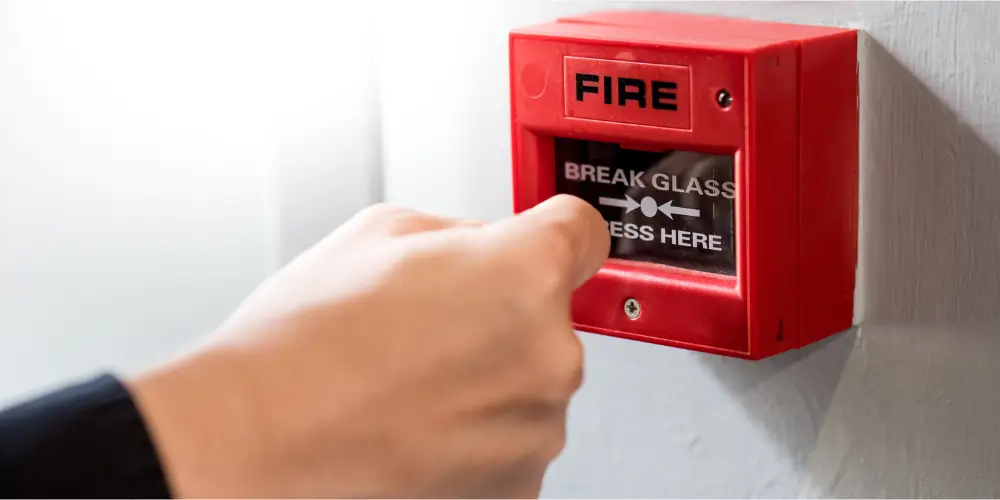
Safety Checks Before You Start Testing
Having completed the checklist items that confirm system readiness, personnel should perform safety checks before initiating any live testing to prevent false alarms, equipment damage, or risk to occupants. The team verifies that, where possible, notification zones are temporarily isolated, that building occupants and emergency services have been notified of planned testing, and that procedures for immediate cancellation are in place. Confirming the presence of qualified staff and required personal protective equipment reduces human risk. Communication lines and control panel indicators are checked to ensure test signals are recognized and logged without triggering unintended responses. A clear plan for restoring normal operation and documenting the test is reviewed.
- Notify building management, occupants, and monitoring/response agencies in writing and verbally.
- Confirm isolation procedures, bypasses, or test modes are authorized and reversible.
- Verify personnel competence, PPE availability, and an emergency abort procedure.
Perform a Visual Inspection of Detectors & Wiring
Begin by conducting a systematic visual sweep of all detectors, notification devices, and associated wiring to identify obvious damage, contamination, or improper installation before energising test procedures. The inspector notes physical condition: cracked or discolored housings, loose or missing covers, insect debris, dust buildup, or signs of corrosion. Wiring and conduit are checked for secure connections, correct labeling, proper strain relief, and absence of fraying, chafing, or exposed conductors.
Mounting locations are verified against plans and codes to confirm detectors are unobstructed and not placed near incompatible equipment or vents. Notification appliances are examined for alignment, lens damage, and secure mounting. Control panels and junction boxes receive a quick external review for tamper seals, moisture ingress, and appropriate clearances. Any discrepancies are documented with the location, a photo, and the recommended corrective action. This disciplined visual inspection establishes baseline condition and informs safe, focused functional testing.
How to Test Smoke and Heat Detectors Safely
Proceeding to functional testing, the inspector follows a defined, safety-first sequence to verify smoke and heat detectors without triggering false alarms or endangering occupants. The process begins with notification of occupants and the control room, isolation of zones if required, and confirmation that fire brigade contacts remain informed; visual condition and mounting are rechecked before any stimulus is applied. For smoke detectors, a calibrated aerosol or approved tester introduces test smoke briefly at the detector face, observing response time and control panel annunciation; heat detectors are tested using a heat gun or approved heat source directed carefully to the sensing element, watching for correct activation thresholds. Records note detector IDs, response times, and any discrepancies for corrective action. If live testing risks interruption, simulated signals from the panel or manufacturer test modes are used.
- Notify occupants and document isolations prior to testing
- Use calibrated, approved testers to avoid contamination
- Record response times and any required repairs
Check Fire Alarm Batteries & Backup Power
Inspectors verify that primary and secondary power sources are intact and capable of sustaining the fire alarm system during an outage by checking battery condition, charger output, and any onsite backup generators. They assess battery age, terminals, and physical condition, looking for corrosion, swelling, or leaks. Voltage is measured under load to confirm capacity rather than relying solely on open-circuit readings.
Charger output is verified to guarantee proper float and recharge currents, and indicator lamps or meters are checked for faults. For systems with standby generators or UPS units, inspectors confirm automatic transfer functionality and fuel or charge status, and, when permitted, observe a brief transfer test to validate uninterrupted operation.
Any battery replacements follow manufacturer specifications for type and capacity, and replacements are logged with date and technician identification. Recommendations address immediate corrective actions for failing batteries or backup equipment, emphasising documented verification to maintain continued system reliability during power interruptions.
Inspect the Control Panel and Diagnostics
One clear step in evaluating a fire alarm system is examining the control panel and its diagnostic functions to confirm proper operation and fault reporting. The inspector reviews the panel display for active alarms, trouble signals, and supervisory messages, noting timestamps and any recent events. System logs are scanned to verify that detectors, modules, and zones report correctly and that no tamper or wiring faults are present. Firmware version and configuration consistency are checked against documentation. Self-test routines and built-in diagnostics are initiated where available to confirm sensor polling, communication with remote annunciators, and network health. Any anomalies are documented, and corrective actions are prioritised.
- Verify display messages, LEDs, and audible indicators correspond to logged events.
- Run diagnostics to confirm device response, polling intervals, and loop integrity.
- Compare panel configuration and firmware against system documentation and update needs.
The approach emphasises objective verification and clear documentation for maintenance and compliance.

Test Sirens, Strobes, and Whole-Building Notifications
After confirming control panel status and diagnostics, attention shifts to audible and visual notification appliances to verify whole-building alerting performance. Technicians selectively activate notification circuits and observe sirens for the correct tone, volume, and temporal pattern; measurements with a sound level meter at designated points ensure the required dBA levels are met. Strobes are inspected for intensity, flash rate, mounting alignment, and coverage to confirm visible alerts reach sleeping and impaired-vision areas.
Walk-through checks include verifying synchronised timing, where applicable, and confirming secondary power operation by placing the system on battery or backup power, then repeating the tests. Zones and speaker circuits are exercised to validate message clarity and paging functionality in voice-evacuation systems. Any appliances that fail to meet specifications are identified, labeled, and isolated for repair or replacement. Testors document anomalies and communicate immediate hazards to building management, guaranteeing occupants are not exposed to unnecessary risk during testing.
Record Results, Schedule Routine Tests, and Meet Compliance
Document results immediately in the system log and on the maintenance record, capturing test date, time, personnel, equipment ID, measured values, deviations, and corrective actions taken. The technician then files standardised reports and attaches photos, or waveform captures where relevant, creating an audit trail that supports accountability and future troubleshooting. Routine test intervals are established according to manufacturer guidance, local codes, and risk assessment, with automated reminders placed in the maintenance management system. Scheduling balances daily operations and system integrity, prioritising life-safety devices and high-risk zones.
Compliance requires referencing applicable standards, retaining records for the mandated period, and preparing for inspections by authorities having jurisdiction. Deviations trigger documented corrective plans with timelines and verification tests. Well-maintained logs streamline certification, enable trend analysis to predict failures, and demonstrate due diligence to insurers and regulators, reducing liability and improving overall system reliability.
- Log entries include identified faults, corrective steps, and sign-off.
- Calendarised tests with automated alerts and backups.
- Compliance checklist mapped to codes and retention rules.
Frequently Asked Questions
Can I Test Fire Alarms During a Power Outage Safely?
Yes. He can test battery-backed alarms during an outage, using approved test buttons or canned spray; mains-only units should not be forced. He must notify occupants and follow manufacturer and local safety procedures.
How Often Should Homeowners Replace Entire Alarm Units?
Homeowners should replace entire alarm units every 10 years, as manufacturers and safety agencies recommend. Units can degrade, reducing reliability; sooner replacement is advised if alarms show malfunction, physical damage, or persistent false alarms.
Do Pets Trigger False Alarms Often, and How to Prevent It?
Pets can trigger false alarms, especially motion- or heat-sensitive devices. Owners should position detectors away from pet areas, use pet-immune motion sensors, keep pets groomed, and regularly test and maintain sensors to minimise accidental activations.
Can DIY Testing Void My Alarm System Warranty?
Yes, DIY testing can void a warranty if the manufacturer or installer specifies professional servicing only. The person should review warranty terms, document any self-tests, and consult the provider before performing nontrivial or tampering procedures.
Are Wireless Alarm Systems Vulnerable to Hacking?
Yes, wireless alarm systems can be vulnerable to hacking. One should evaluate encryption strength, firmware update practices, network segmentation, and vendor security reputation; implementing strong passwords, regular updates, and monitored networks reduces risk considerably.
Conclusion
Regular testing guarantees a fire alarm system functions reliably when needed. By completing safety checks, visually inspecting detectors and wiring, safely testing smoke and heat sensors, verifying batteries and backup power, and reviewing the control panel and notification devices, technicians confirm system readiness. Thorough documentation of results, scheduled routine tests, and adherence to applicable codes and manufacturer guidelines maintain legal compliance and occupant safety. Consistent, methodical testing minimises false alarms and enhances emergency response effectiveness.