
Maintained and non‑maintained emergency lighting serve different needs depending on the building’s function and occupant risk. Maintained units stay on constantly for continuous visibility in busy or critical areas; non‑maintained units remain off until mains fail, conserving energy and reducing visual clutter while providing targeted egress illumination. Choice depends on escape routes, high‑risk zones, regulatory requirements, and lifecycle costs including batteries and testing. Continue for practical guidance on selection, installation, and compliance.
Key Takeaways
- Use maintained units where continuous illumination, immediate visibility, or critical tasks occur (corridors, control rooms, surgical suites).
- Choose non‑maintained units for aesthetic discretion and cost‑effective standby lighting in exits, stairwells, and corridors.
- Base selection on occupancy risk, egress behavior, required luminance, and regulatory requirements for the space.
- Factor total lifecycle costs: fixture type, battery chemistry, testing/maintenance labor, and replacement frequency.
- Prefer self‑test or central monitoring systems for reliability, easier compliance records, and reduced manual inspection.
Table of Contents
Which Fits Your Building: Maintained or Non‑Maintained Emergency Lighting?
Which option best suits a given building depends on its occupancy patterns, egress complexity, and code requirements. Maintained emergency lighting remains illuminated whenever mains power is on, providing constant visibility in high-traffic or dim environments, while non‑maintained units activate only during mains failure to conserve energy and reduce wear.
The decision favors maintained fixtures in spaces where continuous ambient light supports safety, wayfinding, or aesthetic needs, such as public lobbies, theatres, and circulation zones with persistent use.
Non‑maintained units are well-suited to intermittent-occupancy areas where conserving power and minimising maintenance align with operational freedom, such as storage rooms or rarely used corridors. Consideration of evacuation time, occupant familiarity, and signage integration directs choice: complex layouts or mixed-use sites often combine both types for targeted coverage.
Compliance with local codes and predictable testing schedules must guide selection. Ultimately, the ideal configuration balances occupant autonomy, operational cost, and legal safety obligations to preserve both freedom of movement and regulatory responsibility.
How Maintained Emergency Lighting Works and When to Use It
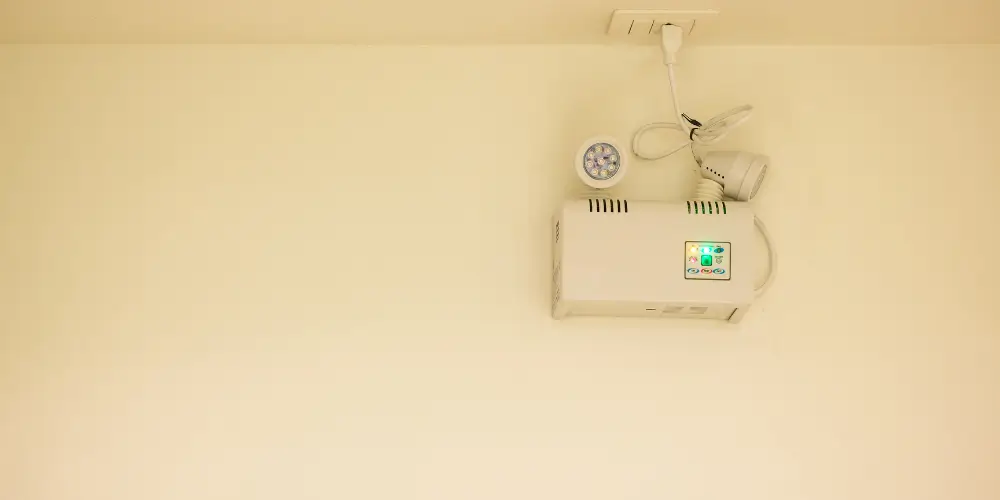
Maintained emergency lighting remains illuminated whenever mains power is present, combining a normal supply with a continuous battery backup and charging system so fixtures switch seamlessly to stored power during outages. It provides constant visibility for occupants, supports clear egress routes, and aids ongoing activities where uninterrupted lighting is essential. Maintenance routines include periodic battery testing and replacing failed units to preserve autonomy and compliance.
This arrangement suits spaces prioritising safety and freedom of movement: corridors, stairwells, large retail areas, assembly halls, and facilities where occupants cannot be easily directed to separate emergency-only paths. It benefits environments requiring immediate, familiar illumination without reliance on manual intervention. Installation choices consider lamp type, battery capacity, and central versus local monitoring to balance runtime and cost. Designers weigh regulatory demands, occupant expectations, and operational needs; where continuous illumination improves evacuation, monitoring, or productivity, maintained systems offer a reliable, freedom-supporting solution.
How Non‑Maintained Emergency Lighting Works and When to Use It
Non‑maintained emergency lighting remains off during normal mains supply and switches on automatically only when power fails, drawing from dedicated batteries or centralised backup to illuminate escape routes and hazard areas. It conserves energy and reduces visual clutter, activating solely to provide essential illumination for safe egress. Installation focuses on strategic placement in stairwells, corridors, and exits where intermittent lighting suffices. Maintenance emphasises battery health and automatic testing to guarantee reliability without constant operation. This system suits occupants who value unobstructed aesthetics and low running costs while preserving safety during outages. Selection depends on risk tolerance, expected occupancy behavior, and the need for continuous illumination.
- Low energy use: batteries charge silently until needed, minimising consumption.
- Minimal intrusion: lights remain unobtrusive during normal activity, supporting freedom of space.
- Reliability controls: routine tests and clear failure alerts maintain preparedness without constant operation.
Choosing by Occupancy: Egress, High‑Risk Zones and Critical Areas
When occupancy type dictates risk exposure and egress behavior, emergency lighting selection must match the specific functions of spaces, prioritising continuous, high‑output systems for critical areas and clear, strategically placed units for standard escape routes. Decision-makers assess occupancy to allocate maintained units where uninterrupted lighting supports ongoing tasks control rooms, surgical suites, and data centers while non‑maintained or lower‑output maintained fittings serve corridors and stairwells used primarily for evacuation. High‑risk zones such as chemical storage, manufacturing lines, and areas with vulnerable occupants require redundancy, longer autonomy, and higher luminance to enable both safe egress and immediate intervention.
Circulation paths demand consistent spacing, conspicuous signage illumination, and minimal shadowing to preserve free movement. Temporary or mixed‑use spaces can employ modular solutions allowing occupants to reconfigure lighting as use changes. Selection balances safety, operational continuity, and occupant independence, letting building operators choose systems that reflect real occupancy patterns and desired degrees of freedom without compromising escape capability.
Safety Rules by Building Type: Compliance Basics for Emergency Lighting
Choosing systems by occupancy naturally leads to aligning installations with regulatory expectations for specific building types. Regulations differ for residential, commercial, industrial, healthcare, and assembly spaces; each demands tailored illumination levels, exit signage, and backup durations to preserve safe evacuation while respecting occupants’ autonomy. The detached overview emphasises requirements without prescribing a single solution, allowing operators flexibility within codes.
- Residential and lodging: focus on common areas, stairwells, and corridors with unobtrusive fixtures that maintain aesthetics and personal freedom.
- Healthcare and care homes: prioritize redundancy, longer autonomy, and clear wayfinding to protect vulnerable users while enabling staff discretion.
- Industrial and assembly: require higher illuminance in high-risk zones and illuminated exit routes, permitting operators to choose maintained or non‑maintained systems per operational needs.
Compliance basics include documenting risk assessments, verifying luminaire placement per standards, and ensuring routine inspections. This approach balances legal obligations with the freedom to select solutions fitting each building’s character.
Emergency Lighting Costs: Purchase, Installation, Testing and Maintenance
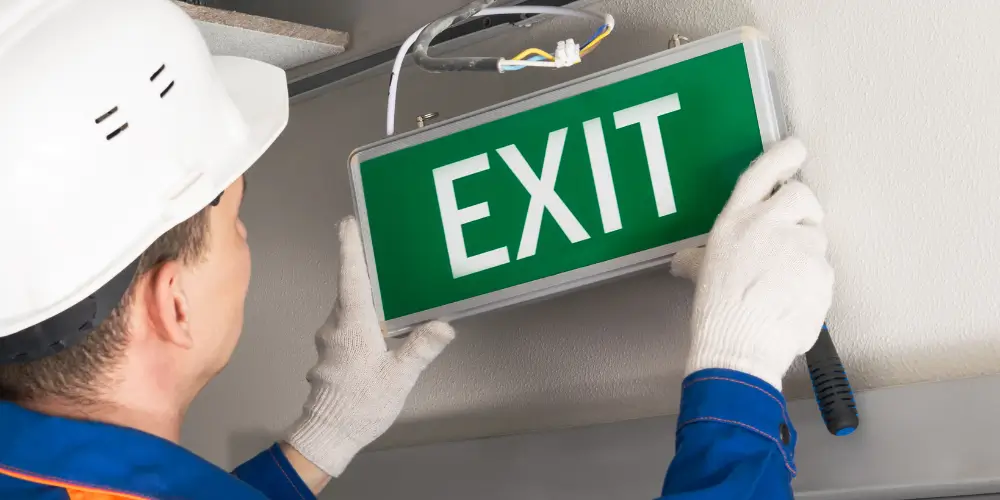
Cost transparency is essential for planning and budgeting emergency lighting across purchase, installation, testing, and maintenance phases. Upfront costs vary by fixture type, lumen output, and whether units are maintained or non‑maintained; buyers seeking freedom choose options aligned with long‑term goals rather than lowest price. Installation expenses depend on building complexity, required circuits, and labor rates; clear quotes should separate material and labor to allow comparison.
Regular testing incurs predictable labor time and recordkeeping costs; automated self‑test features can reduce recurring expenses but may affect initial spend. Maintenance involves battery replacement cycles, lamp changes, and occasional repairs; warranty terms and supplier reliability influence lifecycle cost. Budgeting models that annualise purchase and upkeep provide transparency and support informed choices. Stakeholders benefit from modular systems that permit incremental upgrades, enabling financial flexibility while maintaining compliance and reliable egress illumination.
Installation & Testing: Batteries, Self‑Test vs Central Systems
Following budgeting and lifecycle considerations, installation and testing focus on the power source and monitoring strategy that will determine reliability and ongoing workload. Installation requires correct battery sizing, secure mounting, and accessible test points; poorly executed work shortens runtime and complicates replacements. Testing regimes differ: self‑test units automate weekly/monthly checks and report faults locally, reducing manual intervention; central battery systems consolidate monitoring for larger sites, enabling remote diagnostics but introducing single‑point dependence.
Battery choice (sealed lead‑acid vs. lithium) affects weight, warranty, temperature tolerance, and replacement cadence. Commissioning establishes baseline performance and documents capacity; periodic full‑discharge tests verify declared runtimes. Maintenance plans should reflect chosen architecture to preserve occupant freedom to rely on illumination during evacuation without frequent technician presence.
- Consider long‑life batteries where access is constrained.
- Prefer self‑test for small, decentralized setups.
- Choose central monitoring for scalable, managed campuses.
Decision Checklist: Pick the Right Emergency Lighting System for Your Site
What factors most influence the right emergency lighting system for a site? The decision checklist prioritises purpose, occupancy, and layout: assess building function, number of occupants, escape routes, and exposure to hazards. Next, consider regulatory obligations and desired autonomy: code compliance, testing regimes, and whether freedom from frequent manual intervention is preferred. Evaluate power infrastructure and budget: existing wiring, central battery compatibility, and lifecycle costs versus upfront investment.
Factor maintenance capacity and access: local staff capability, remote monitoring needs, and spare-part availability. Consider aesthetic and operational flexibility: luminaire styles, dimming, and integration with fire and security systems. Finally, weigh redundancy and resilience: required duration, fault tolerance, and backup options such as central systems, maintained fixtures, or self-contained units. This checklist yields a focused match between site requirements and system attributes, enabling informed selection without unnecessary constraints.
Frequently Asked Questions
How Long Do Emergency Light Fixtures Typically Last Before Replacement?
They typically last about 5–10 years before replacement, depending on battery type, usage, and maintenance; the individual prefers choices that maximise autonomy, selecting durable fixtures, quality batteries, and regular testing to prolong reliable emergency operation.
Can Emergency Lighting Integrate With Fire Alarm Systems for Synchronised Activation?
Yes. It explains that emergency lighting can integrate with fire alarm systems for synchronised activation, allowing autonomous control, coordinated egress illumination, monitored status reporting, and selective overrides while preserving occupant safety and operational independence.
Are LED Emergency Fixtures More Cost‑Effective Long Term Than Fluorescent Ones?
Yes; they generally yield lower lifecycle costs. LEDs use less energy, last far longer, need fewer replacements and less maintenance, and often qualify for incentives, freeing owners to allocate savings toward other priorities.
Do Emergency Lighting Requirements Differ for Historic or Listed Buildings?
Yes; historic or listed buildings often face different emergency lighting requirements, balancing safety regulations with preservation constraints. They must comply with codes while minimising visual impact, using sympathetic fixtures and, where possible, reversible installations.
What Documentation Is Needed to Prove Compliance During Inspections?
They must present test logs, installation certificates, wiring diagrams, maintenance records, and a site-specific emergency lighting risk assessment; inspection reports and proof of periodic battery and luminance testing complete the portfolio required to demonstrate compliance.
Conclusion
Choosing between maintained and non‑maintained emergency lighting hinges on building use, occupant risk, and regulatory requirements. Maintained fixtures suit areas needing constant illumination, while non‑maintained units serve primarily during power loss. Consider egress routes, high‑risk and critical zones, installation and testing obligations, battery strategies, and lifecycle costs. Align selection with occupancy type and compliance rules, factor in maintenance regimes, and follow the decision checklist to guarantee safe, effective, and code‑compliant emergency illumination.