
How Long Does a Boiler Last? A typical home boiler lasts about 10 to 30 years, depending on type, fuel and care. Standard gas or oil boilers average 10–15 years, condensing gas units about 15–20 years, and cast‑iron or electric systems can reach 20–30 years with good maintenance. Lifespan hinges on installation quality, correct sizing and routine servicing. Warning signs include leaks, corrosion, strange noises and rising service needs. More details follow on causes, upkeep and when replacement is sensible.
Key Takeaways
- Typical boilers last 10–30 years, depending on type: condensing gas ~15–20 years and standard boilers ~10–15 years.
- Regular annual servicing and prompt repairs can extend boiler life significantly and prevent premature failure.
- Signs it’s time to replace: frequent breakdowns, visible corrosion, leaks, kettling noises, or declining efficiency.
- Proper sizing and professional installation reduce wear; undersized units run constantly, oversized units short-cycle.
- Warranty length (2–10+ years) and parts availability affect replacement decisions and long-term cost.
Table of Contents
Boiler Lifespan: Quick Answer and Average by Type
Typical residential boilers last between 10 and 30 years, depending on type and maintenance. The quick answer: most condensing gas boilers last about 15–20 years, standard gas or oil boilers last 10–15 years, and well-maintained cast-iron or electric units can last 20–30 years. These ranges assume routine servicing, timely repairs, and water quality control. Owners seeking independence value a predictable service life so they can plan replacements on their terms rather than under emergency pressure. Lifespan variance reflects initial build quality, installation accuracy, usage intensity, and environmental factors like corrosion risk. Practical steps to maximise longevity include scheduled inspections, proactive replacement of worn components, and maintaining balanced systems to reduce strain. When a boiler nears the end of its expected life, consider whether cumulative repair costs and efficiency losses justify replacement. Clear knowledge of average lifespans empowers homeowners to choose upgrades and timing that preserve comfort and financial freedom.
How Fuel & Technology Affect Home Boiler Lifespan
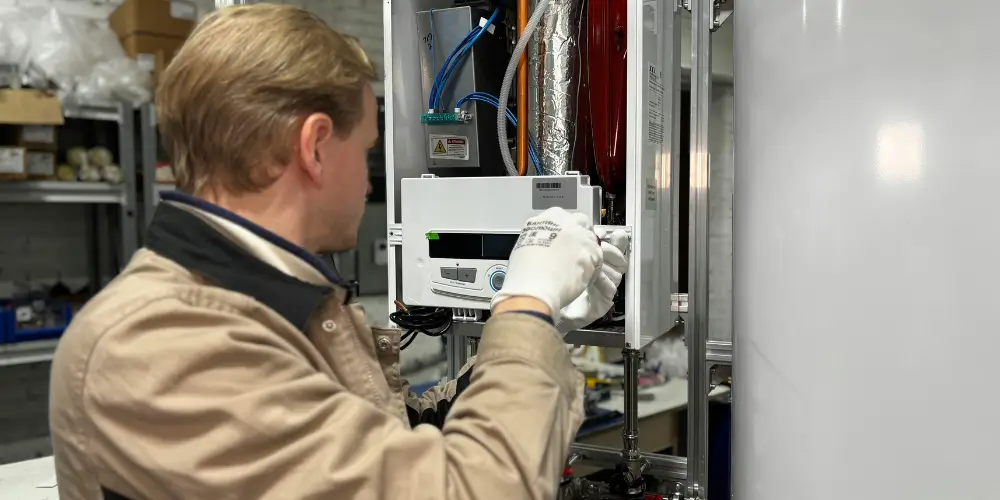
How Long Does a Boiler Last? Fuel type and boiler technology are major determinants of service life because they shape operating stresses, corrosion risk, and maintenance needs. Different fuels burn cleaner or dirtier, affecting soot buildup, heat exchanger wear, and component corrosion. Condensing boilers capture latent heat and run cooler flue temperatures, which reduces fuel use but can increase acidic condensate corrosion unless materials and neutralisation are appropriate. Non-condensing units operate at higher temperatures, stressing metal but avoiding condensate issues. Electric boilers have fewer combustion-related failures but rely on the durability of their elements and controls. Renewable integrations (solar, heat pumps) can cycle boilers less, extending life, yet intermittent firing may increase thermal fatigue if not managed.
| Fuel Type | Typical Impact | Maintenance Focus |
| Natural Gas | Moderate soot, steady heat | Burner tune, flue check |
| Oil | Higher soot, corrosion risk | Frequent cleaning |
| Electric | Low combustion wear | Element inspection |
| Condensing tech | Cooler operation, condensate | Material & drain care |
Installation, Sizing and Boiler Longevity
Proper installation and correct sizing are critical determinants of a boiler’s service life because they govern operating stresses, cycling frequency, and heat transfer efficiency. A system installed to manufacturer specifications with appropriate clearances and quality connections experiences fewer failures; conversely, undersized units run constantly, increasing wear, while oversized units short-cycle, stressing components and reducing efficiency. Sizing must reflect heat loss calculations, distribution piping, and future changes to the building to preserve flexibility and autonomy.
- Confirm heat loss calculations drive capacity selection to avoid chronic overwork or short cycling.
- Positioning and venting must follow code and best practices to reduce the risk of corrosion and maintain combustion efficiency.
- Integrate compatible controls and balancing to ensure the boiler operates within its design parameters, minimising stress.
Correct installation and sizing support longevity by enabling the boiler to operate within intended conditions, giving owners reliable, independent control over their heating system’s lifespan.
Maintenance Habits That Extend a Boiler’s Life
Once installation and sizing are correct, regular maintenance habits determine whether a boiler reaches or exceeds its expected lifespan. Owners who value independence benefit most from straightforward routines: annual professional inspections, timely filter and vent checks, and system flushing to remove sediment that accelerates wear. Routine pressure monitoring and bleeding radiators prevent strain and inefficiency, while keeping controls and thermostats calibrated guarantees the unit operates only as needed.
Simple, consistent actions such as maintaining clear surrounding space, addressing minor leaks immediately, and following manufacturer-recommended service intervals reduce reliance on emergency services and extend usable years. Using quality replacement parts and documenting service history supports informed decisions without surprise. For those seeking autonomy, learning basic operational checks (pressure, pilot, visible corrosion) empowers proactive care while leaving complex repairs to certified technicians. These habits minimise breakdown risk, preserve efficiency, and let owners retain control over the timing of eventual replacement. Check out the Benefits of a Boiler Service: Why Regular Maintenance Matters.
Signs Your Boiler Is Near the End (Common Failures & Checks)
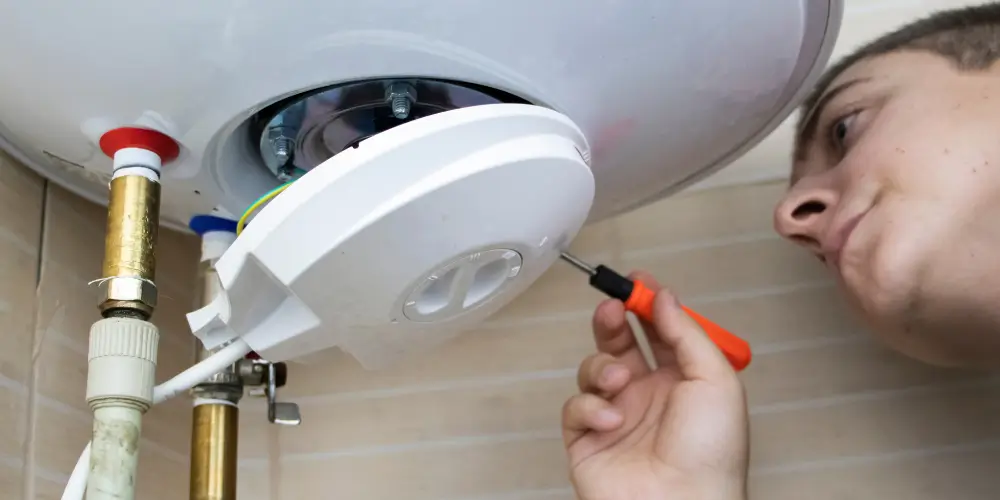
When a boiler approaches the end of its service life, certain recurring failures and observable changes offer clear warning signs. Observers notice reduced performance, unpredictable cycles, and rising service needs. Corrosion, scale buildup, and leaking seals become visible; strange noises such as kettling or banging indicate internal stress. Efficiency drops, fuel use rises, and heat delivery becomes uneven across zones. Safety features may begin to fail intermittently, prompting more frequent resets or trips. Aging controls and pilot systems lose reliability, affecting comfort and autonomy.
- Persistent leaks and corrosion are visible on pipes, joints, or the heat exchanger.
- Recurrent noises, frequent cycling, and uneven heating despite proper settings.
- Increasing service calls, diagnostic codes, and loss of consistent efficiency.
These signs suggest diminished dependability and growing constraints on freedom of use, signaling that continued reliance will demand closer attention and decisive planning.
Repair vs. Replacement: When to Act
Having identified telltale signs of an aging boiler leaks, noise, efficiency loss owners must decide between repairing components or replacing the unit entirely. The choice hinges on safety, cost-effectiveness, and long-term autonomy. If issues are isolated to a faulty pump, thermostatic valve, or minor leaks, a targeted repair can restore reliable operation quickly and preserve existing investment. Learn What Does a Boiler Service Include?
However, repeated failures, frequent service calls, or safety-related defects (corrosion, pressure vessel cracks) signal diminishing returns from repairs.
A prudent decision balances remaining expected lifespan, repair cost relative to replacement threshold (commonly around half the boiler’s market value), and desired freedom from ongoing maintenance. Professional diagnostics and clear estimates enable informed action. For those prioritising independence and predictable operation, replacement becomes compelling when repairs provide only temporary relief or risks persist. Conversely, for owners valuing immediate savings and low disruption, timely repairs that pass safety checks offer a viable interim path.
Replacement Savings: Costs, Efficiency and Payback Examples
Replacement decisions often hinge on clear arithmetic: upfront purchase and installation costs must be weighed against projected fuel savings, maintenance reductions, and any available incentives to determine realistic payback periods. A conservative calculation compares annual fuel and repair expenses before and after replacement; estimated savings divided into total replacement cost yields years-to-payback. Incentive programs and higher efficiency reduce that horizon, while installation complexity raises it. Practical examples help: replacing a 70%-efficient boiler with a 95%-efficient unit cuts fuel use substantially in colder climates; modest maintenance savings add up. Decisions should reflect user priorities for autonomy over energy spending and predictable costs.
- Calculate (Current annual fuel + average repairs) − (Projected annual fuel + lower repairs + incentives).
- Divide the total replacement cost (purchase + installation) by the annual net savings to get the payback period.
- Sensitivity check using fuel price variations and realistic usage patterns to preserve freedom over future bills.
Choosing a New Boiler: Expected Lifespan and Warranty Tips
After estimating payback, attention turns to selecting a new boiler with realistic expectations for lifespan and warranty coverage. The decision balances independence from costly repairs with practical choices: robust components, proven efficiency, and a warranty that matches intended ownership duration. Preferred units typically last 10–15 years for standard boilers and up to 20+ years for high-end models maintained diligently. Extended warranties and service plans protect against unexpected bills but require scrutiny of exclusions and claim processes. Buyers should compare manufacturers’ reputations, parts availability, and installer certifications to preserve long-term options.
| Aspect | Typical Lifespan | Warranty Consideration |
| Standard condensing | 10–15 years | 2–7 years parts, labor varies |
| Premium/high-efficiency | 15–20+ years | Look for 10+ year parts coverage |
A clear plan for maintenance and an unrestrictive warranty allow owners to retain control over costs and timing of replacement. Understand the general prices of a new boiler by reading our blog post: How Much Is a New Boiler for Your Home or visit our boiler installation and replacement service page.
Frequently Asked Questions
Can a Boiler Be Recycled or Disposed of Responsibly?
Yes. One can recycle most boilers: metals, copper, and components are reclaimed; hazardous parts require proper disposal. A person may contact certified scrap yards, HVAC recyclers, or local waste services to guarantee lawful, responsible handling and recovery.
Do Boilers Need Special Insurance or Extended Warranties?
No, boilers don’t strictly require special insurance, but owners often choose extended warranties or add equipment breakdown coverage to protect freedom of choice, avoid surprise costs, and guarantee prompt repairs or replacement without restrictive vendor lock-in.
How Do Outdoor Temperatures Affect Boiler Wear?
Outdoor temperatures accelerate or decelerate boiler wear: extreme cold forces longer, harder cycles and freeze risk, while intense heat stresses components; moderate, stable climates prolong lifespan by reducing thermal cycling and corrosion, preserving freedom from frequent repairs.
Can Smart Home Systems Improve Boiler Lifespan?
Yes. It notes that smart home systems can extend boiler lifespan by optimising schedules, reducing cycling, monitoring performance, and alerting for maintenance, empowering owners to control usage, prevent stress, and freely schedule repairs before failures occur.
Are There Government Rebates for Replacing Old Boilers?
Yes. They note that many governments and utilities offer rebates, tax credits, or incentives for replacing old boilers with high-efficiency models or heat pumps; eligibility and amounts vary by region, requiring local program verification and documentation.
Conclusion
In conclusion, How Long Does a Boiler Last? Boiler longevity varies by type, fuel, installation quality and maintenance, with typical lifespans ranging from about 10 to 30 years. Regular servicing, proper sizing, and timely repairs can extend service life, while persistent inefficiency, frequent breakdowns, or safety concerns signal the need for replacement. Homeowners should weigh repair costs against efficiency gains and warranty coverage when deciding. Choosing a properly installed, well-matched new boiler maximises performance, savings and expected lifespan.