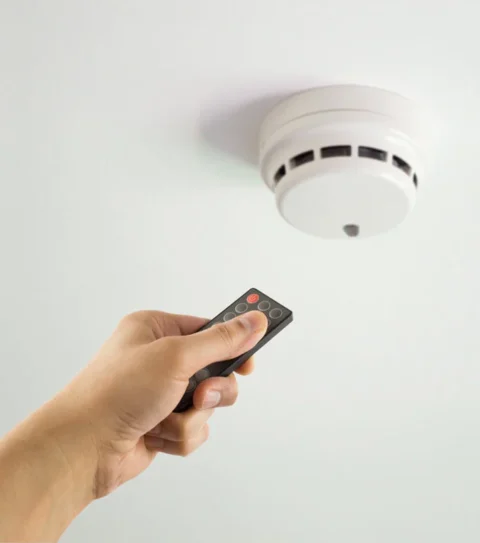

Fire Safety Check London
Fire Safety Certificate London
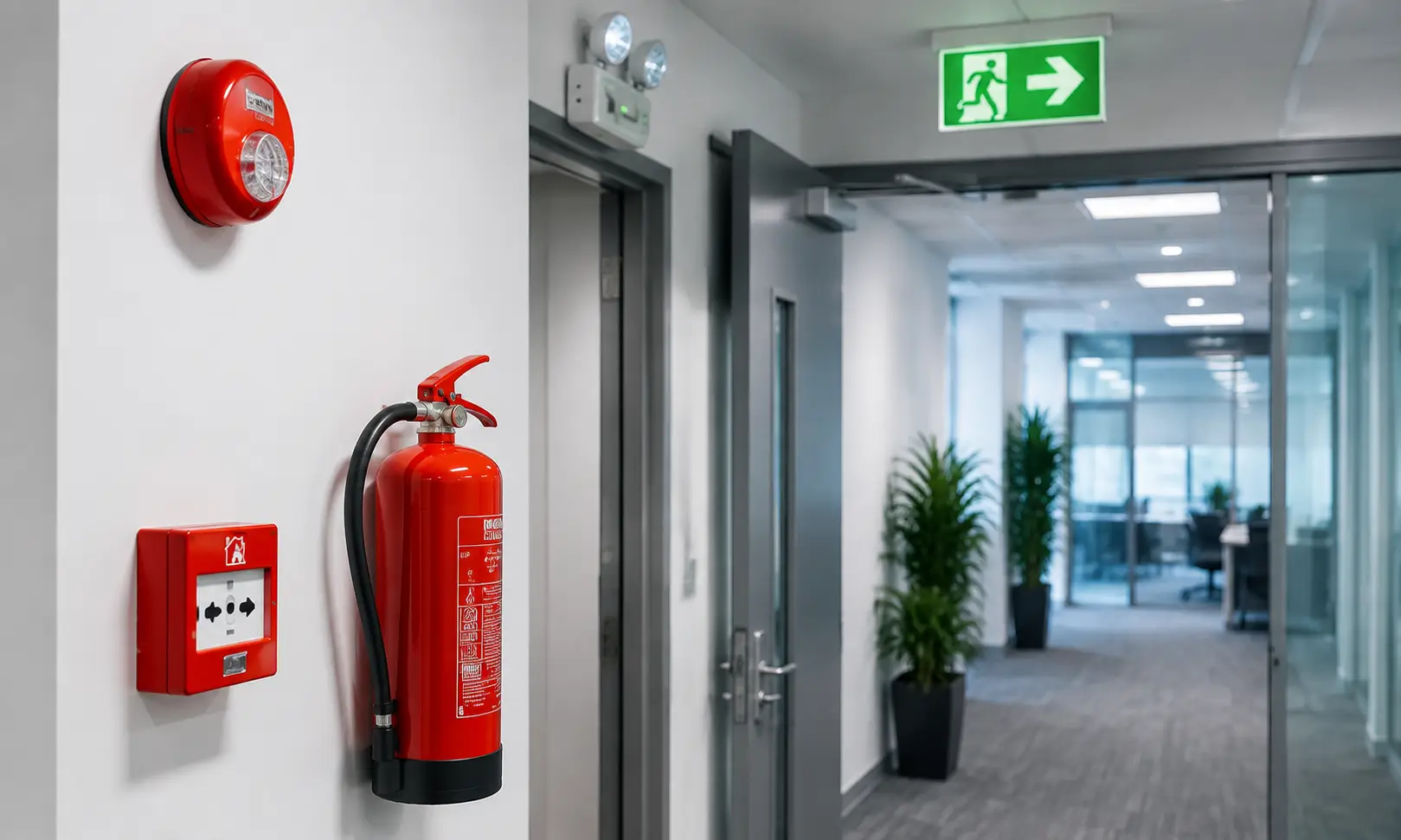
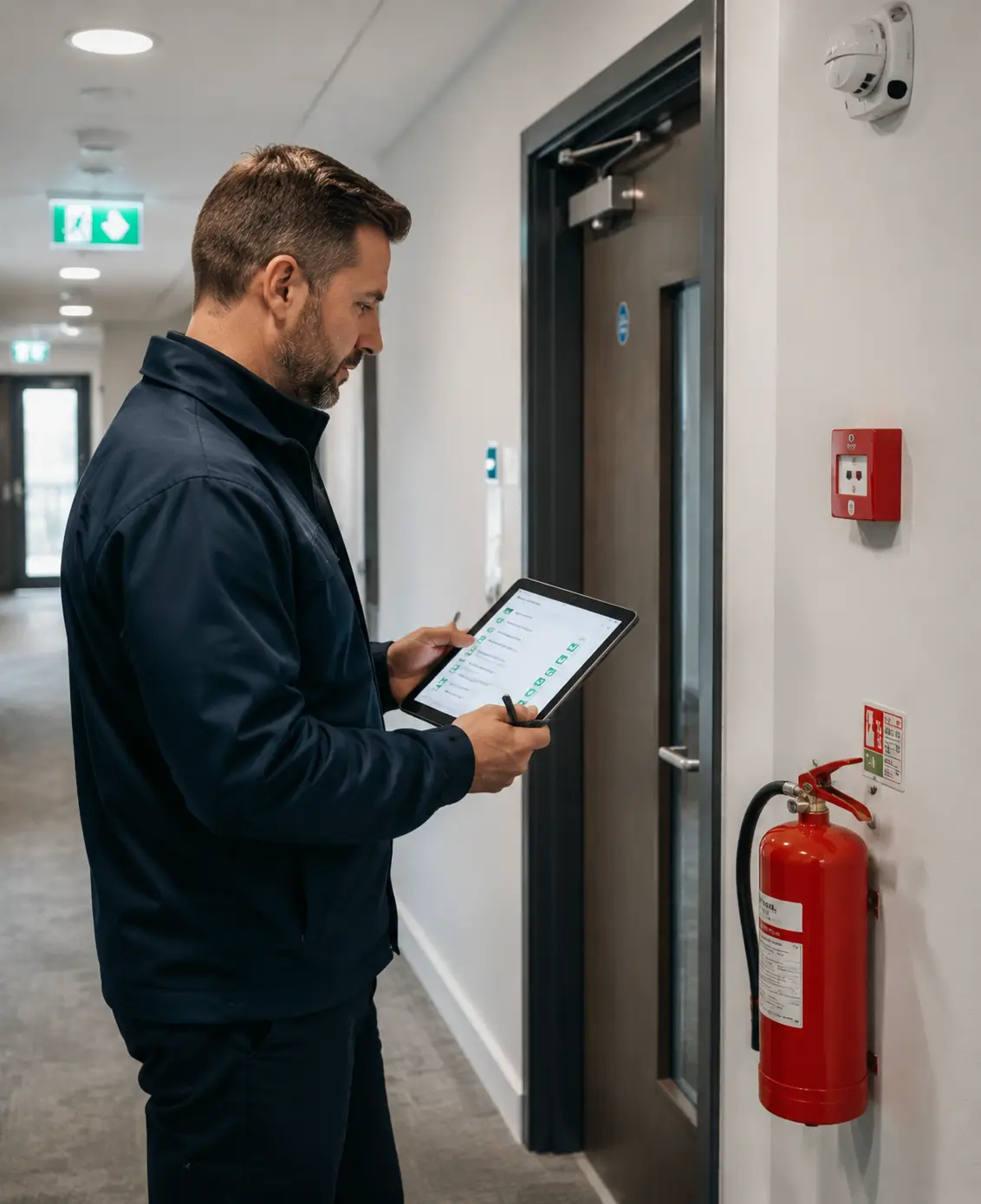
Conducting a thorough fire safety check in London is critical for ensuring your property meets all necessary safety regulations and is prepared for emergencies. A comprehensive fire safety check in London helps protect both your property and its occupants by confirming that all safety protocols are followed. This process involves a detailed review of your property to ensure compliance with safety standards, avoid potential legal issues, and safeguard your investment.

Qualified Fire Safety Assessors

Complete Fire Safety Inspection

Detailed Digital Report

Fire Safety Certificate Issued

For landlords and property managers, performing a fire safety check in London is not just a compliance necessity but a critical safety measure. Whether you’re seeking to book a home fire safety check or need a fire safety check business for a commercial property, ensuring your fire safety measures are up to par is essential for legal and safety reasons.
Basic
1-3 Alarms Certificate
Standard
Special Offer
Fire Safety Certification Process
When undergoing a fire safety check in London, following a structured certification process to ensure compliance and safety is essential. The certification process involves:

Fire Safety Checks
Regular fire safety checks in London are conducted to identify potential hazards and ensure all safety protocols are in place.

Emergency Procedures
Ensuring that emergency procedures are clearly outlined and accessible to all occupants.

Safety Equipment
Regular testing of safety equipment such as smoke and heat alarms is necessary to maintain readiness and effectiveness.

This process ensures that your property meets the required safety standards and is prepared for emergencies.
Importance of Compliance Standards
Adhering to compliance standards is crucial for maintaining safety and legality in London. A fire safety check in London ensures that you meet all required regulations, which not only fulfils legal obligations but also demonstrates a commitment to tenant safety. This is particularly important for landlords, who ensure that their properties are safe for tenants.
Insurance companies also mandate meeting these standards, highlighting the importance of conducting a thorough fire safety check in London. It’s a proactive measure to avoid legal and financial repercussions while ensuring the safety and well-being of all occupants.

Need a Fire Safety Certificate?
Get a professional fire safety assessment carried out by qualified assessors to identify risks, check compliance, and help ensure your property meets current fire safety requirements.

System Design Considerations

Occupant safety
Your system should prioritise the safety of individuals within the premises by providing early detection and evacuation.

Emergency response
Consider how the system will trigger timely responses from emergency services to mitigate potential hazards effectively.

Fire brigade communication
Please set up clear communication protocols to relay essential information to the fire brigade quickly and efficiently for intervention.

Impact on occupants
Evaluate how the alarm system’s activation may affect occupants, making minimal disruption while maximizing safety measures.
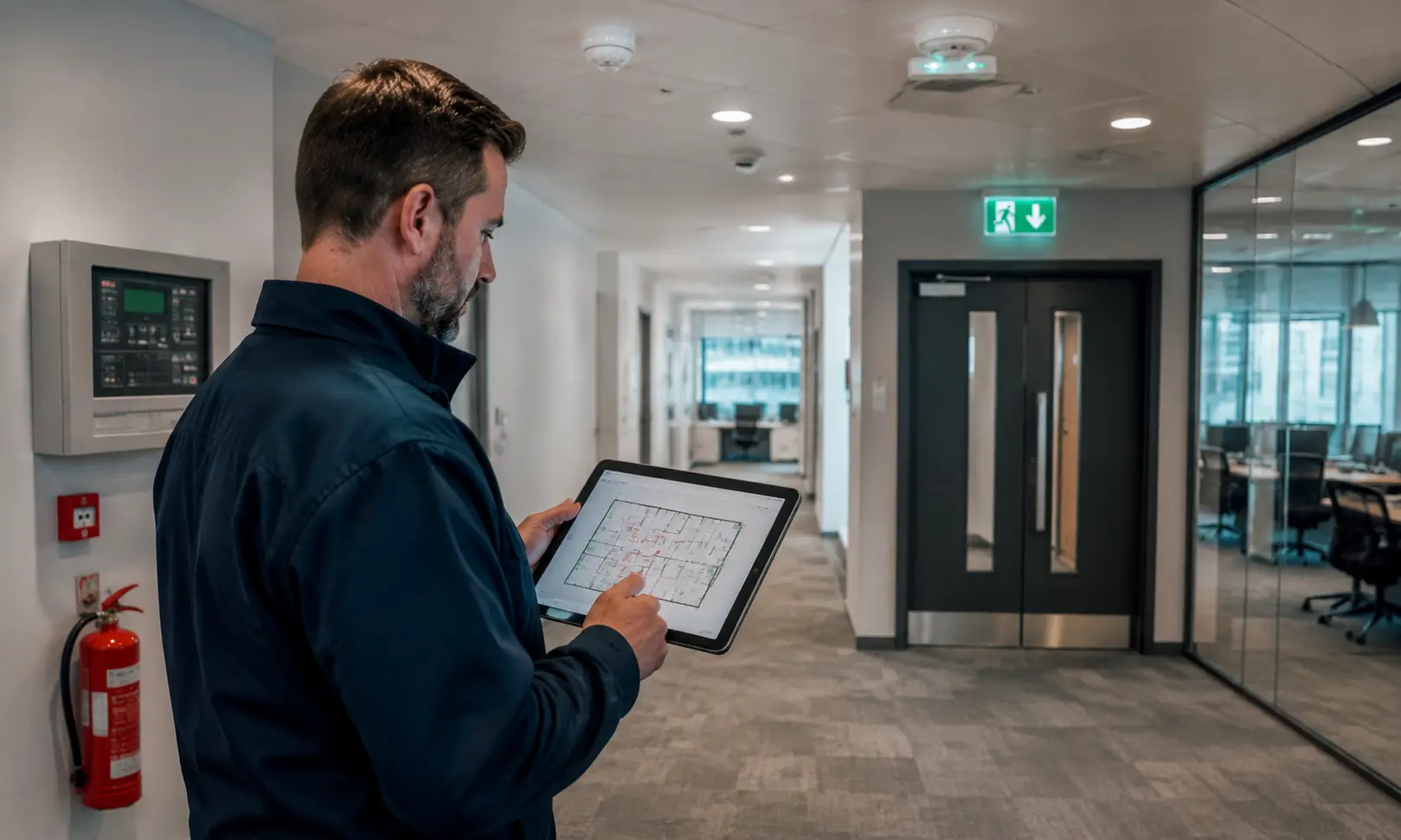
Remember to strategically place manual call points for immediate activation and efficient communication of fire incidents. By considering these factors, you can design a fire alarm system that safeguards lives and property effectively.
Fire Safety Certificate FAQs
(01) Can a Property Owner Apply for a Fire Safety Certificate Themselves, or Is It Required to Go Through a Qualified Fire Safety Professional?
(02) Are There Any Specific Regulations Regarding the Maintenance and Testing of Fire Alarms in Commercial Properties?
(03) What Are the Consequences for Landlords or Property Owners if They Fail to Renew Their Fire Safety Certificate Annually?
(04) Are There Any Specific Requirements for Fire Safety Certificates in Buildings With Multiple Tenants or Shared Living Spaces?
(05) How Often Should Fire Alarm Systems Be Inspected and Tested to Ensure They Are Functioning Properly and Compliant With Regulations?
Types of Fire Alarms
Conventional Fire Alarm Systems provide:
A reliable and straightforward approach to alerting occupants in case of a fire emergency. These systems involve wiring call points and detectors to a Control Panel in designated zones, helping to indicate the rough location of a fire.
Addressable Systems:
These systems offer advanced capabilities by allowing the Control Panel to identify the specific triggering device within a loop of up to 99 devices. Benefits include precise fire location identification and reduced false alarms.
Analogue Addressable Fire Alarm Systems:
Known for their advanced features, they integrate easily with other security or building management systems and offer customised protection based on performance standards.
Wireless Fire Alarm System:
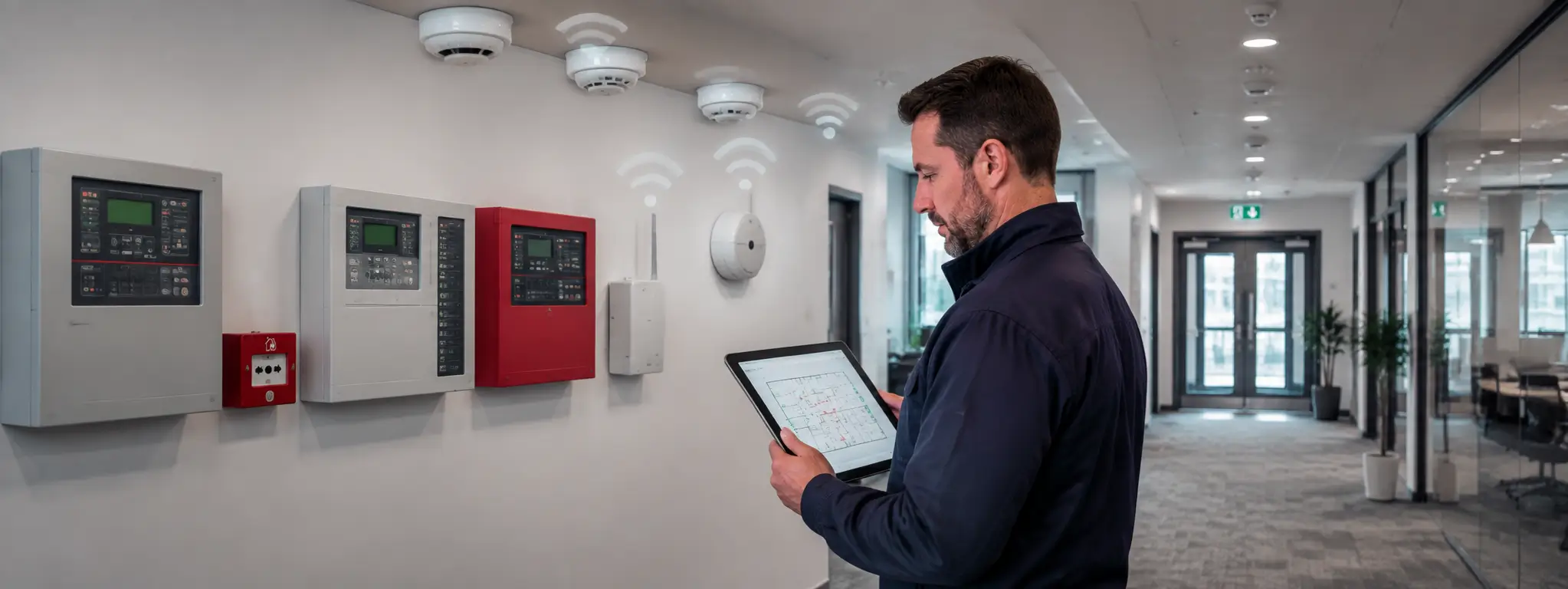
This system offers modern and efficient fire detection with easy installation and minimal maintenance. It is scalable and integrates well with existing security systems.
Analogue Addressable Fire Alarm Systems
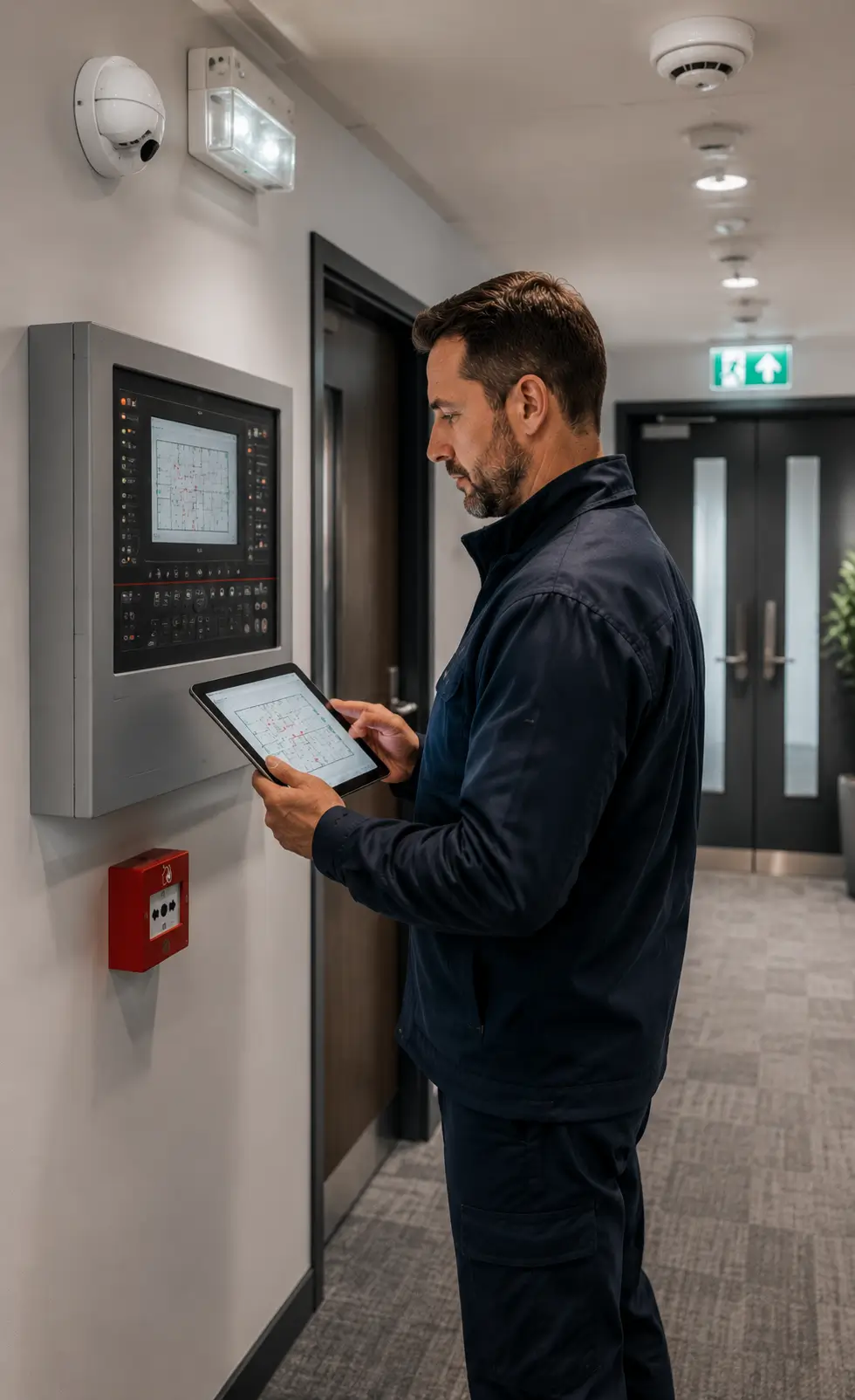
For a sophisticated approach to fire detection and response, consider the benefits of Analogue Addressable Fire Alarm Systems. These systems offer advanced features and capabilities that enhance safety and efficiency in fire emergencies.
When opting for Analogue Addressable Fire Alarm Systems, keep in mind the following key points:

Installation protocols
Follow specific guidelines for proper setup to guarantee functionality.

System integration
Easily integrate the system with other security or building management systems for complete protection.


Maintenance requirements
Regular maintenance is crucial to guarantee the system operates effectively when needed.


Device compatibility
Ensure compatibility with a wide range of detectors and devices to customize the system according to your needs.


Performance standards
Meet industry performance standards to guarantee reliable and accurate fire detection capabilities.

Professional Installation
Safe. Efficient. Built to last.
- Gas Safe Registered Engineers
- Quality Boilers from Trusted Brands
- Neat, Safe and Compliant Installation
- Full Testing and Commissioning
- Handover with Advice and Guidance
Need help or have questions?
Call us today for expert advice.
Wireless Fire Alarm System
Consider the benefits of a Wireless Fire Alarm System for a modern and efficient fire detection and safety approach. The advantages of a wireless system lie in its easy installation process, eliminating the need for complex wiring. Maintenance is simplified as there are no physical connections to inspect regularly. This technology allows for quick and flexible installation in various building structures, making it a convenient choice for many.
Compared to traditional wired systems, wireless alarms offer cost-effectiveness, scalability, and seamless integration with security systems. The wireless technology guarantees reliable communication between components, enhancing the overall efficiency of the fire alarm system. Additionally, the system’s compatibility with security integration provides a thorough approach to safeguarding your property. When considering a fire alarm system, the wireless option stands out for its advantages in terms of installation, maintenance, technology, and security integration.
Alarm Grades and Categories
Alarm grades and categories cater to varying fire protection needs in different types of buildings. When it comes to alarm systems, understanding the different grades and categories is important for ensuring proper fire safety measures are in place.
Here are a few key points to take into account:

Alarm Maintenance
Regular maintenance of fire alarms is vital to make sure they function properly in case of emergencies.

Alarm Types
Various alarm types are available, each meeting specific needs based on the property and its occupants.

Alarm Testing
Periodic testing of alarms is necessary to verify that they’re operational and can effectively alert individuals in case of a fire.
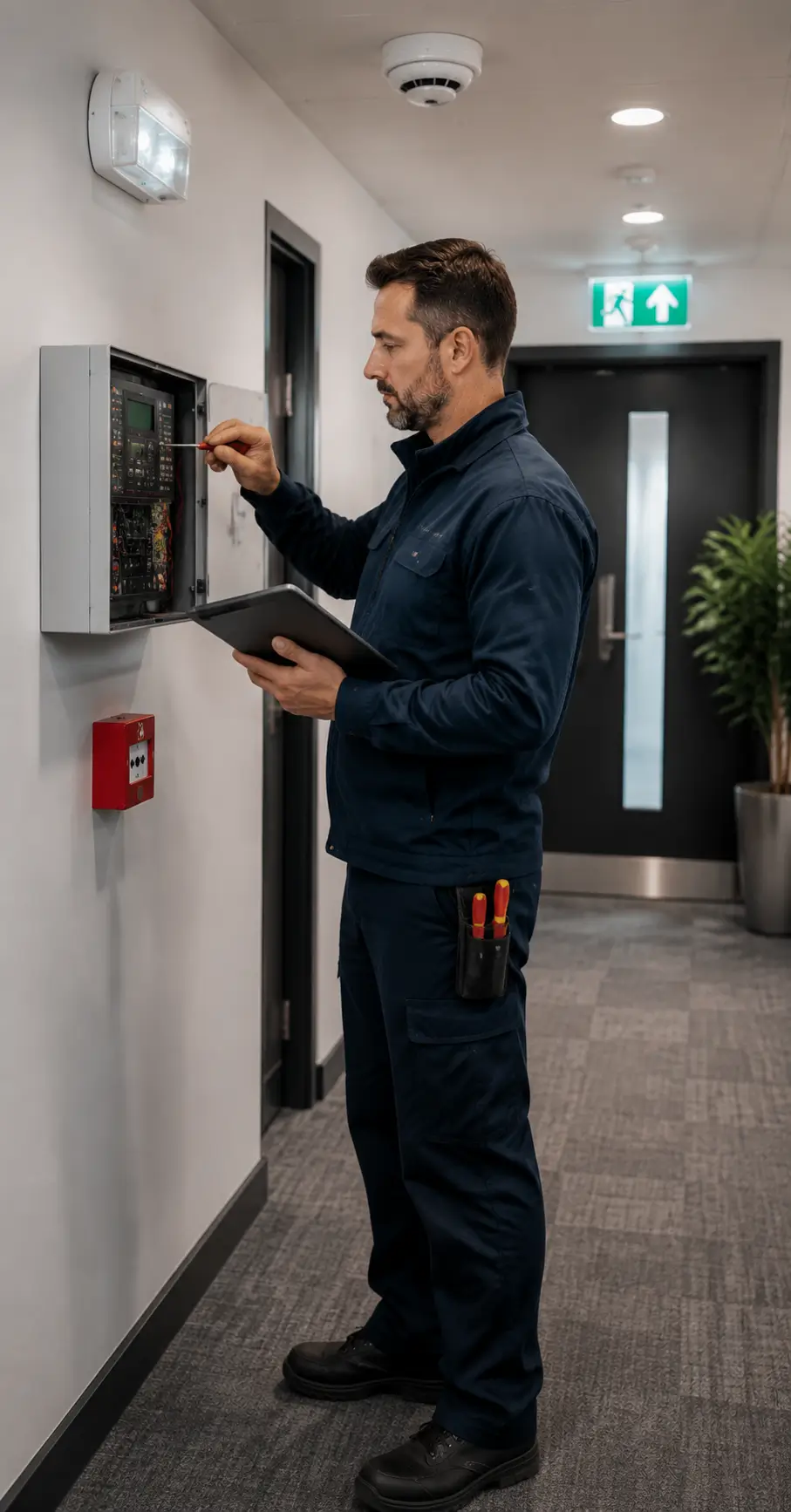
Understanding alarm regulations, the latest alarm technology, and the specific requirements for different alarm grades and categories will help you implement an effective fire safety plan for your building. Stay informed and proactive about your fire alarm system to guarantee the safety of everyone in the property.
Fire Alarm System Installation
Regular maintenance and proper installation of fire alarm systems play a critical role in guaranteeing occupant safety and compliance with fire safety regulations. Regarding fire alarm system installation, key factors include alarm placement, maintenance, testing, technology, and regulations.
Proper alarm placement is vital, as it ensures ideal coverage and early detection in case of a fire. Regular alarm maintenance is essential to keep the system functioning correctly and address any issues promptly. Alarm testing should be conducted regularly to confirm that all components are working correctly.
Advancements in alarm technology have led to more efficient and reliable systems. Adhering to alarm regulations ensures compliance with industry standards and legal requirements. Following these guidelines guarantees that your fire alarm system is installed correctly and operates effectively to protect lives and property.

Need a Fire Safety Certificate?
Get a professional fire safety assessment carried out by qualified assessors to identify risks, check compliance, and help ensure your property meets current fire safety requirements.