
Who is Responsible for Fire Doors in Flats? As a tenant or leaseholder in a flat, you’re responsible for promptly reporting any issues with fire doors, ensuring they’re not obstructed, and participating in the building’s emergency procedures. Suppose you’re the landlord or managing agent. In that case, you must regularly inspect these doors, carry out necessary repairs, maintain them in communal areas, and keep detailed records of compliance activities by the Regulatory Reform (Fire Safety) Order 2005. It’s essential to adhere to minimum performance standards and guarantee biannual checks of the self-closing mechanisms and fire door ratings. Knowing your specific obligations can greatly enhance safety in your building.
Key Takeaways
- Landlords and freeholders are primarily responsible for maintaining fire doors in the common areas of flats.
- Tenants must report any issues with fire doors to their landlords promptly.
- Leaseholders are obligated to adhere to maintenance schedules and financial duties as specified in their lease agreements.
- Both landlords and tenants share the responsibility of ensuring that fire doors are unobstructed and in good working order.
- Managing agents play a crucial role in overseeing regular inspections and ensuring compliance with fire door safety standards.
Table of Contents
Who is legally responsible for fire doors in flats in London?
In London, both landlords and freeholders have distinct obligations regarding the upkeep and compliance with fire door regulations in flats.
As a leaseholder or tenant, it is essential to understand your rights and responsibilities to ensure your safety and comply with the law.
Familiarise yourself with the building’s fire safety policies and engage proactively with your landlord or managing agent to address any concerns about fire door maintenance or functionality.
Landlords’ and freeholders’ responsibilities
Who bears the legal responsibility for maintaining fire doors in flats across London? As a landlord or freeholder, you’re responsible for ensuring legal compliance with fire safety regulations. Your obligations are not just contractual but statutory, rooted in laws designed to safeguard occupants in multi-occupancy buildings.
You must understand your role in maintaining the integrity of fire doors, which are critical in preventing the spread of fire and smoke. Here’s a breakdown of key responsibilities:
| Aspect | Landlord/Freelholder Responsibility | Details |
| Regular Inspections | Mandatory | Guarantee doors are compliant and functional |
| Repairs | Immediate | Address wear and tear or damage promptly |
| Replacement | As Required | Upgrade doors to meet current standards |
| Documentation | Keep Updated | Maintain records of inspections and works |
| Communication | Ongoing | Inform tenants about fire door safety |
Your commitment to building safety isn’t just about meeting legal standards—it’s about preventing tragedies. Maintenance responsibilities and service charges should be transparently managed, guaranteeing that fire doors are always operational. Remember, tenant rights and their safety depend heavily on your diligence and adherence to flat regulations.
What leaseholders and tenants should know?
Understanding your rights and responsibilities as a leaseholder or tenant regarding fire doors is vital. You play a significant role in ensuring a compliant and safe living environment. Here’s what you need to know:
- Fire Door Types: Familiarise yourself with the types of fire doors installed in your building. Knowledge of door specifications, such as fire-resistance ratings and closing mechanisms, is essential for identifying any non-compliance or defects during routine checks.
- Tenant Rights: You have the right to a safe living environment. This includes properly maintained fire doors. If you notice any issues, it’s your right to report these to your landlord or management company immediately.
- Leaseholder Obligations: As a leaseholder, you may be directly responsible for maintaining fire doors within your unit. Ensure you adhere to the maintenance schedules outlined in your lease and fire regulations.
- Emergency Procedures: Understand and comply with the building’s emergency procedures. Regularly participate in safety inspections and drills to guarantee that fire doors function correctly during an emergency.
Adhering to these guidelines helps maintain building compliance and guarantees your safety and that of your neighbours. Stay informed and proactive about your responsibilities.
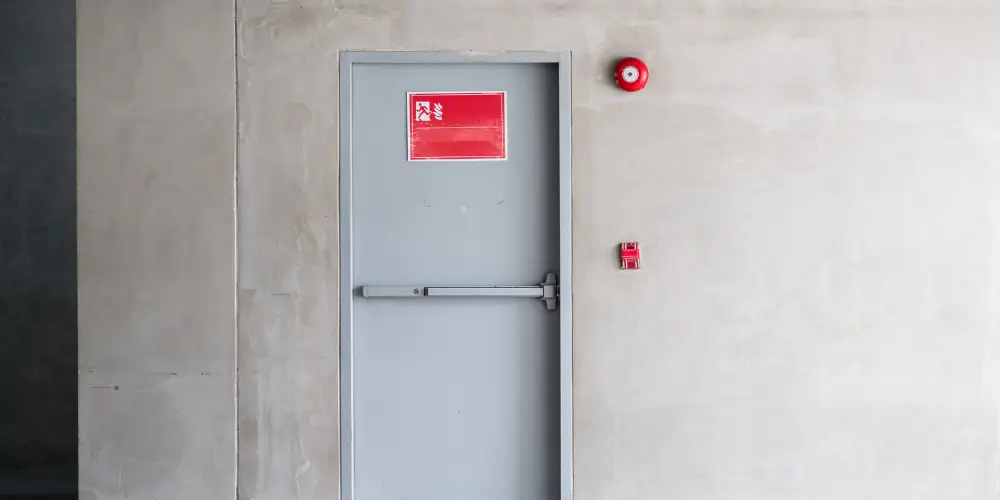
Are fire doors in communal areas the landlord’s duty?
You must understand that the maintenance of fire doors in communal areas typically falls under the landlord’s responsibilities, as stipulated by the Fire Safety Order.
This differs from the maintenance of fire doors within individual flats, which mightn’t be the landlord’s duty depending on the lease agreements.
It’s essential to distinguish between common parts and individual flat doors to guarantee compliance with safety regulations.
Responsibilities under the Fire Safety Order
Under the Regulatory Reform (Fire Safety) Order 2005, landlords are specifically mandated to secure the safety of all fire doors in communal areas of residential buildings. This responsibility forms a vital element in guaranteeing not only compliance with fire safety regulations but also in safeguarding the lives of tenants.
As a landlord, you must understand the breadth of your duties, which include:
- Conducting Regular Fire Risk Assessments: You must regularly assess and identify potential fire hazards in communal areas to update and refine emergency evacuation plans continually.
- Maintaining Fire Safety Equipment: This includes regular checks and maintenance of fire extinguishers, alarms, and especially fire doors, to guarantee they function correctly in the event of a fire.
- Educating Tenants: Providing tenant safety education is essential. You must inform and instruct all residents on fire safety practices and the proper use of fire safety equipment.
- Scheduling Fire Door Inspections: Engage certified professionals to perform detailed inspections of fire doors to confirm their integrity and compliance with fire safety standards.
Common parts vs individual flat doors
When distinguishing between the responsibilities for fire doors in communal areas versus those inside individual flats, it’s crucial to recognise that landlords bear the responsibility for all communal fire safety measures.
Compliance with fire safety regulations in shared building duties isn’t just a legal requirement; it’s a significant component in ensuring occupant safety.
Your landlord’s liability concerns cover not only the installation but also the regular maintenance and inspection of fire doors in all common areas. This encompasses ensuring that these doors are fit for purpose, correctly installed, and free from damage or obstruction.
It’s essential to understand that while individual door obligations may rest with the tenants, such as keeping the door free from obstructions, the landlord’s overarching maintenance responsibilities are clarified.
As a tenant, you should be proactive in reporting any defects or concerns regarding fire doors directly to your landlord.
Engage with compliance education initiatives provided by your landlord to enhance your understanding of tenant awareness issues.
Do tenants have fire door responsibilities?
As a tenant, you play an essential role in maintaining the safety and functionality of fire doors within your building.
It’s your responsibility to guarantee these doors remain unobstructed at all times, allowing for safe passage in the event of an emergency.
You must also report any damage or faults in these doors promptly to management to verify they’re repaired or replaced swiftly to maintain safety standards.
Keeping fire doors unobstructed
Maintaining the accessibility of fire doors is a critical responsibility for tenants in any building. As you navigate the complexities of fire safety, it’s crucial to understand that unobstructed fire doors are pivotal in minimising fire risk and guaranteeing emergency access.
Here’s a detailed approach to upholding your duties:
Regular Inspections
Conduct weekly checks to verify that fire doors are free from any blockages and report discrepancies immediately. This routine guarantees compliance awareness and reinforces safety protocols.
Obstruction Removal
Confirm that no furniture, rugs, or other items impede the fire door’s path. Immediate removal of such obstructions isn’t just about compliance; it’s a proactive measure against potential emergencies.
Tenant Education
Participate in educational programs provided by the building management to understand the operation and significance of fire doors. Knowledge empowers you to act correctly and promptly.
Fire Door Maintenance
Although maintenance may primarily fall under management’s purview, it is essential to be aware of the condition of fire doors within your unit. Report any signs of wear or damage that could affect functionality.
Reporting damage or faults promptly
While tenants may not be directly responsible for the technical maintenance of fire doors, they play a crucial role in promptly reporting any damage or faults that may occur.
Timely reporting is critical to safety compliance and effective risk management in residential buildings. As a tenant, it is crucial to understand the specifics of fault assessment and how to document damage accurately. This involves recognising signs of wear or malfunction, such as compromised seals, faulty closures, or obstructed pathways, which could impede the door’s functionality.
You must utilise established communication channels to inform property management of any issues. This allows for fire door inspections to be scheduled and repair procedures initiated without delay.
Your proactive approach not only adheres to safety regulations but also contributes to the overall security and well-being of all residents.
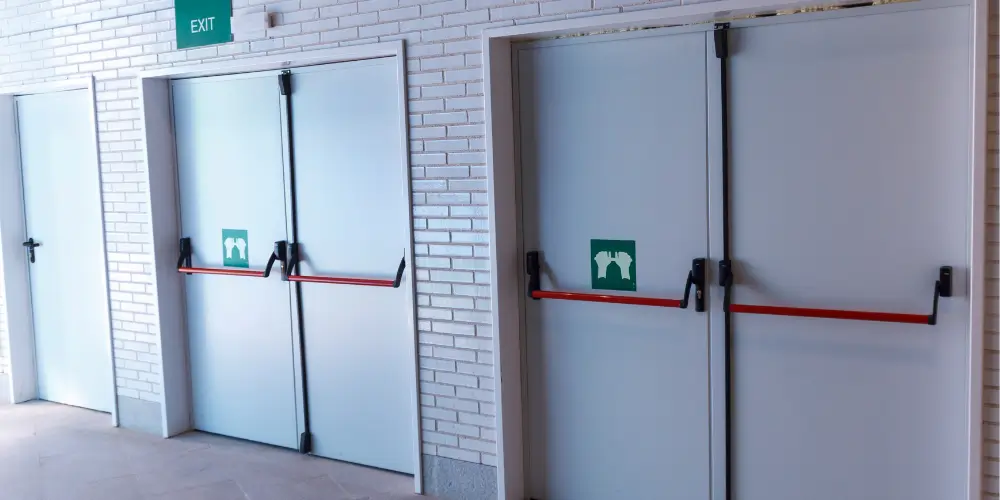
Do Leaseholders Have to Pay for Fire Doors?
You may wonder if the costs of fire doors are included in your service charge or if, as a leaseholder, you will be financially responsible for replacing your front door with a compliant fire door.
It’s essential to review your lease agreement, as it typically outlines who bears the costs for such safety upgrades.
Additionally, regulations may vary by jurisdiction, affecting whether these expenses are passed on to leaseholders or covered by building management.
Does the service charge cover the costs of fire doors?
Determining whether the costs for fire doors are included in your service charge requires a close examination of the terms of your lease agreement. The intricacies of fire door funding hinge on several pivotal factors that define who bears the financial responsibility whether it’s you, as the leaseholder, or the freeholder managing the property.
Here are key considerations to guide you:
- Service Charge Implications: Review your lease to determine if it specifies maintenance expenses, including fire door installation and upkeep, as part of the service charge. This is often embedded in the building’s operational budget.
- Cost Distribution: Understand how costs are apportioned among tenants. The lease may stipulate an equal or usage-based sharing formula, which can impact your financial liability.
- Compliance Costs: Compliance with safety regulations can necessitate upgrades to fire doors. Verify if these compliance costs are included in the maintenance component of your service charge or if they incur additional levies.
- Insurance Coverage: The freeholder may hold insurance policies that cover certain capital expenditures. Verify whether fire door replacements fall under this category, which could reduce your direct costs.
Navigating these aspects guarantees you’re informed about your tenant liabilities and how they interact with broader property management practices.
Can leaseholders be charged for replacing the front door?
Leaseholders often face the question of whether they’re financially responsible for replacing fire doors, including those at the entrance of their units. Understanding your leaseholder responsibilities is vital, especially concerning front door costs and the broader scope of replacement procedures. Typically, whether you’ll bear these costs directly or through service charges depends on your lease terms.
Your lease should specify details about maintenance duties and financial contributions towards communal and structural elements, which usually include fire doors. However, nuances in legal obligations may vary. Here’s a simplified breakdown:
| Aspect | Considerations |
| Legal Obligations | Check the lease for specific clauses on door replacement |
| Financial Contributions | Typically, through a service charge or direct payment |
| Replacement Procedures | Must comply with safety and building regulations |
| Service Charge Implications | May cover part or all costs, depending on the lease |
| Compliance Requirements | Confirm replacements meet legal fire safety standards |
You must also consider compliance requirements; any new door must meet current fire safety standards to avoid legal pitfalls. Engage with your managing agent or solicitor to clarify any ambiguities in your lease, making sure you’re not only compliant but also financially prepared for these essential updates.
Are internal fire doors required in flats?
You may wonder if internal fire doors are required by building regulations in your flat.
It’s essential to understand that internal fire doors become a legal requirement when they’re necessary to protect escape routes in the event of a fire.
Specifically, this applies to multi-occupancy buildings, where the risk to multiple residents considerably increases without proper fire containment measures.
Do building regulations mandate internal fire doors?
Building regulations typically require the installation of internal fire doors in flats to guarantee a high level of fire safety and containment. As you navigate the maze of legal obligations and building compliance, it’s essential to understand not only the necessity but also the specifics governing fire doors in your flat.
Here are the key components you must consider:
- Fire Door Standards: Regulations specify minimum performance standards that fire doors must meet. These standards confirm that the doors can successfully resist fire for a specified duration, typically ranging from 30 to 60 minutes, which is fundamental in preventing the spread of fire and smoke.
- Safety Regulations: Compliance with the latest safety regulations is mandatory. These regulations are continuously updated to incorporate advancements in safety technology and risk assessment outcomes.
- Tenant Awareness: You’re responsible for understanding how these doors function and their maintenance requirements. Regular checks and door maintenance are essential to guarantee they perform effectively in an emergency.
- Risk Assessment: Regular risk assessments by qualified professionals can help identify potential vulnerabilities in fire safety mechanisms, including the efficacy of existing fire doors.
Understanding these aspects helps confirm that your flat isn’t only compliant with current laws but also maximally protected against fire risks.
When are internal fire doors a legal requirement?
To guarantee your flat meets safety standards, it’s important to understand when internal fire doors are legally required. Fire door regulations form an essential part of building codes, particularly under the Regulatory Reform (Fire Safety) Order 2005, which outlines your legal obligations as part of property management.
These doors are mandated in areas where the risk assessment indicates a high potential for fire spread, especially in multi-occupant buildings. Internal fire doors are typically required in flats that open onto common areas such as hallways and stairwells.
This setup guarantees that, in the event of a fire, flames and smoke are contained, allowing critical extra minutes for evacuation and emergency response. Compliance issues can arise if these safety standards aren’t rigorously adhered to, potentially leading to severe legal repercussions.
Moreover, understanding and implementing these requirements isn’t just about compliance but also about safeguarding tenant rights to safety. Each flat owner or property manager must verify that all fire safety measures are in place and maintained regularly, as stipulated by the relevant building codes.
Failure to comply can compromise the entire building’s safety, underscoring the significant nature of these legal mandates.
How To Ensure Fire Doors In Flats Are Compliant
To guarantee your flat’s fire doors meet compliance standards, you must verify that each door bears a certification label indicating its fire resistance rating, such as FD30 or FD60.
Regularly inspect all critical components, including hinges, frames, and seals, to maintain their integrity and functionality.
Additionally, test the self-closing mechanisms frequently to confirm they’re operational, and check that intumescent strips and smoke seals are undamaged and properly affixed.
Check for fire door certification labels. When ensuring compliance for fire doors in flats, always check for certification labels as the primary step. These labels are essential indicators that the fire doors meet specific safety standards and are capable of performing their intended function in the event of a fire. Without them, you risk not only non-compliance but also the safety of residents.
Here’s how you can guarantee that your fire doors are up to standard:
- Locate the Label: Typically found on the door’s hinge side or top, the label should be intact and legible.
- Verify the Details: The label should include the manufacturer’s name, the date of manufacture, and the specific fire rating.
- Verify Compliance Documentation: Ensure that the door’s specifications align with those in the compliance documentation, which should reflect the most recent regulatory guidelines.
- Review Maintenance Records: Regular maintenance is key. Verify that past fire door inspections and maintenance are documented, reflecting adherence to inspection frequency and labelling standards.
Understanding the importance of certification and maintaining rigorous fire safety education is a non-negotiable in managing fire door safety.
Always adhere to recommended practices and stay up-to-date with the latest developments in fire door technology and regulatory changes.
Inspect essential fire door components regularly.
Regularly inspecting the essential components of fire doors is crucial to ensure they remain compliant and functional in residential buildings, such as flats. You must adhere to compliance guidelines and safety standards to maintain the integrity of these critical safety features. Fire door inspections should be conducted according to predefined inspection schedules outlined in certification processes. These regular checks are not just a formality; they are a significant part of your building’s safety protocol.
The maintenance frequency for each component must be strictly adhered to to avoid any compromises in door performance. Here’s a detailed breakdown of what needs your attention:
| Component | Emotion Evoked |
| Hinges | Security |
| Seals | Trust |
| Frames | Stability |
| Door Leaf | Protection |
| Thresholds | Safety |
Each component, from hinges to threshold, plays a pivotal role. For instance, compromised seals can lead to fatal smoke infiltration, undermining the door’s protective purpose. Therefore, maintaining these elements in top condition reflects your commitment to the safety and well-being of your residents.
Test the self-closing mechanism regularly.
After confirming that each component of your fire doors has been thoroughly inspected, focus next on testing the self-closing mechanisms. This vital step ensures the operational efficiency of the doors, which is essential in emergencies.
Here’s a concise guide to help you master self-closing mechanism testing:
- Set a Regular Schedule: Adhere to maintenance frequency guidelines by incorporating these tests into your monthly safety checks. Regular testing prevents potential failures due to wear and tear.
- Follow Detailed Inspection Procedures: Use a standardised approach for each test to verify nothing is overlooked. Begin by opening the door halfway, then release it and observe if it closes fully by itself, latching securely without sticking or pausing.
- Assess Wear and Tear: Look for signs of degradation or damage in the mechanism components. Any abnormal resistance or delayed closing action can indicate a need for repair or replacement to maintain compliance with safety regulations.
- Document Compliance Checks: Keep a log of all tests and maintenance actions performed on the self-closing mechanisms. This documentation will be essential for safety audits and verifying compliance with local fire safety standards.
Ensure intumescent strips and smoke seals are intact
Guaranteeing your fire doors in flats meet compliance standards involves checking that intumescent strips and smoke seals are intact and functioning properly.
Intumescent strip maintenance is essential as these components expand when exposed to heat, sealing the gap between the door and frame to prevent the spread of fire and smoke. Regularly inspect these strips for any signs of damage or deterioration.
To maintain ideal fire door functionality, it is also necessary to conduct thorough smoke seal inspections. These seals block smoke from passing through the door gaps before the intumescent strips have activated.
Examine the seals along the door frame for any tears, gaps, or adhesive failures. Implementing a regular maintenance schedule guarantees the timely identification and rectification of issues that could compromise door integrity.
Create a compliance checklist that includes detailed damage assessment protocols for both intumescent strips and smoke seals. This systematic approach facilitates the documentation of the condition of each component during inspections.
Consider safety upgrade options if current installations don’t meet the latest safety standards.
Confirm correct fire door rating (FD30/FD60, etc.)
Confirming the correct fire door rating, such as FD30 or FD60, is a crucial step in ensuring your flat’s compliance with safety regulations.
You must understand the specific requirements that govern the performance criteria and installation guidelines for fire doors in your building.
Here’s how you can guarantee compliance:
- Identify Required Rating: Consult the building’s safety regulations or speak with a fire safety engineer to determine the necessary fire door rating classifications for your situation. Typically, FD30 doors resist fire for 30 minutes, while FD60 doors offer 60 minutes of protection.
- Review Installation Guidelines: Ensure that the installation of your fire doors complies with the precise specifications outlined in the installation guidelines. This includes correct frame, seals, and hardware that meet the required performance criteria.
- Conduct Compliance Checks: Regular compliance checks are vital. These should include detailed inspection frequencies to guarantee that both the door and its components function correctly over time.
- Follow Maintenance Protocols: Adhere to a strict schedule of maintenance protocols. This involves routine checks and immediate repairs to any components that fail to meet the set standards.
What Is the Law on Fire Doors?
You need to be aware of key UK legislation that governs fire doors, including the Regulatory Reform (Fire Safety) Order 2005, which applies to all non-domestic buildings and common areas of residential blocks.
Under this framework, the ‘responsible person’ typically the building owner or manager is legally obliged to guarantee that fire doors are properly installed, maintained, and routinely inspected.
You must understand your responsibilities to comply with these legal requirements, as failure to do so can result in severe penalties.
Key UK legislation covering fire doors
The UK’s regulatory framework mandates strict compliance with fire door specifications and installation standards, primarily under the Regulatory Reform (Fire Safety) Order 2005. You must understand the depth of these regulations to guarantee the safety and legality of your property’s fire safety measures.
Here are several key points of legislation that you should be aware of:
- Regulatory Reform (Fire Safety) Order 2005: This is the cornerstone of fire safety legislation, which outlines the duties to maintain fire safety measures, including fire doors, in non-domestic premises. It places a duty on the ‘responsible person’ to carry out a thorough fire risk assessment that includes the maintenance of fire doors and other relevant fire safety measures.
- Building Regulations 2010, Part B: These regulations provide specific guidance on fire safety matters within and around buildings, emphasising the installation standards and performance characteristics of fire doors.
- BS 476 and EN 1634: These standards detail the requirements for fire resistance and smoke control for fire doors. Compliance with these standards is essential for meeting UK safety requirements.
- Fire Safety Act 2021: This recent update highlights the legal implications of non-compliance and strengthens enforcement mechanisms, ensuring that fire safety measures, such as maintaining fire doors, are prioritised.
As you navigate the complexities of fire door regulations, remember that understanding the legal implications, safety standards, and compliance responsibilities is paramount.
This includes adhering to enforcement mechanisms, conducting regular inspections, and fulfilling maintenance requirements. Tenant obligations also play an essential role in the overall safety strategy.
Who is legally responsible for compliance?
Determining who holds legal responsibility for fire door compliance is vital for guaranteeing safety in both residential and commercial buildings. Under UK fire door legislation, the duty to maintain and inspect fire doors falls primarily on the building owner or manager. This aligns with broader safety regulations that emphasise the importance of fire safety and building compliance.
As the building owner, you’re tasked with guaranteeing that all fire safety measures comply with the latest standards. This includes regular inspection requirements, which must be meticulously documented and addressed promptly. Failure to comply can result in severe legal and financial repercussions.
If you’re a tenant, your obligations aren’t to be overlooked. You must guarantee that fire doors aren’t obstructed or damaged. Reporting any faults to your landlord promptly is a significant component of tenant responsibilities.
Both the tenant’s and landlord’s duties are delineated to prevent ambiguity in compliance responsibilities. It’s vital to stay updated on any changes in legislation and guarantee that your property meets all requirements.
Engaging with a qualified inspector to conduct regular checks can help maintain the integrity of fire safety measures and ensure compliance with your legal responsibilities.
What should residents do if a fire door is faulty?
If you notice a fault in a fire door, it’s essential to report this immediately to your building’s management.
Accurate and timely reporting ensures that the issue can be addressed promptly, thereby mitigating potential safety risks.
Delaying this action can compromise the door’s effectiveness in a fire situation, endangering lives and property.
How to report concerns properly
When you notice a fault in a fire door, promptly reporting it to your building’s management is fundamental. This action not only mitigates potential risks but also guarantees the maintenance of essential safety measures within your residential area.
Here’s a structured approach to effectively communicate your concerns:
- Document the Issue: Before contacting management, confirm that you have a clear description of the fault. Take photographs if possible. This will be significant in fire door inspections and updating maintenance records.
- Use the Established Channels: Refer to your tenant reporting procedures for guidance. These are often outlined in your lease or tenant handbook. If the procedure involves contacting a specific individual or department, ensure you follow these guidelines to guarantee that your report is acknowledged promptly.
- Provide Detailed Information: When reporting, include specific details such as the location of the fire door, the nature of the fault, and how it compromises fire safety. This information is crucial for effective fire risk assessments and planning emergency exit routes.
- Follow Up: If you don’t receive a timely response, follow up. Persistent communication is crucial, especially when the issue impacts fundamental fire safety training and landlord communication.
Why prompt action is critical
Upon discovering a faulty fire door, immediate action is vital. You’re not just upholding a standard, but actively participating in an essential aspect of fire safety. You must guarantee the integrity of these safety barriers.
First, report the issue to your building management or landlord as soon as possible. Document the fault in writing and request a timely inspection. Follow up to guarantee the problem is addressed promptly, as delays can compromise the entire building’s safety.
Secondly, engage in tenant awareness programs and educate yourself about the safety protocols and emergency preparedness planning. This knowledge empowers you to act decisively and responsibly in times of crisis.
Here’s a quick reference to streamline your response:
| Action | Description |
| Immediate Reporting | Contact the landlord or management without delay. |
| Documentation | Record the fault and correspondence. |
| Follow-up | Guarantee the issue is addressed promptly. |
Participation in regular compliance training sessions and fire drill exercises enhances your readiness. Embrace community engagement initiatives to foster a culture of safety and cooperation. Remember, understanding landlord obligations education is part of your risk assessment strategies. This proactive approach not only mitigates risks but also fortifies your community’s resilience against fire hazards.

Are managing agents responsible for fire doors?
As a managing agent, you’re pivotal in guaranteeing that fire doors in your buildings comply with safety regulations.
Your accountability extends under management agreements to maintain these critical safety features effectively.
You must understand your responsibilities in this area to prevent legal repercussions and guarantee tenant safety.
Their role in building compliance
Fire doors play a critical role in building compliance, guaranteeing that in the event of a fire, the spread of both fire and smoke is considerably slowed, allowing occupants more time to evacuate safely.
As a managing agent, you’re tasked with guaranteeing these critical components function effectively, aligning with stringent regulations to enhance safety.
To master fire door compliance, you must prioritise:
- Fire Door Inspections: Regularly scheduled checks are mandatory. Guarantee that all fire doors are inspected at least every six months to verify their integrity and functionality.
- Fire Door Maintenance: Any identified issues during inspections require prompt repair. This isn’t just about functionality but also about maintaining the legal standards set for fire safety.
- Fire Door Training: Staff should receive thorough training in the operational aspects of fire doors. This includes understanding how to properly maintain and manage these doors in line with fire safety regulations.
- Fire Door Awareness: Educate residents about the importance of fire doors. They should know not to prop open fire doors or remove them, as they’re integral to their safety.
Your adherence to these points guarantees not only compliance but also reinforces the safety of everyone in the building.
Accountability under management agreements
Managing agents often bear significant responsibility for guaranteeing the maintenance and compliance of fire doors within a building. You must understand that this role isn’t merely operational but deeply technical and laden with liability issues. The management responsibilities include adhering to fire safety regulations, which dictate strict maintenance protocols and inspection standards to uphold building compliance.
| Aspect | Impact on You |
| Liability | Potential legal consequences |
| Safety | Direct link to personal safety |
| Value | Property value preservation |
| Compliance | Avoidance of regulatory penalties |
As a tenant, you’re not off the hook. Your obligations involve reporting damages or modifications to fire doors directly to the managing agents. This interaction ensures that safety certifications are up to date and the building remains within the legal framework.
In practice, managing agents coordinate regular inspections and repairs, often contracting specialised companies to meet the exacting standards required. Remember, the stakes are high—negligence can lead to catastrophic outcomes. Consequently, always verify that your managing agent is not only aware of but actively managing these critical elements. Your safety, and that of your neighbours, quite literally depends on this vigilance.
Do fire doors need regular professional maintenance?
You must adhere to the minimum legal requirements for the upkeep of fire doors, which mandate regular professional maintenance to guarantee their effectiveness in preventing the spread of fire and smoke.
It’s essential to determine who’s responsible for arranging and funding these inspections, whether it’s the property owner, managing agents, or another party.
Failure to comply can result in severe legal repercussions and compromise the safety of the building.
Minimum legal requirements for upkeep
Given the vital role they play in fire safety, fire doors require regular professional maintenance to meet minimum legal standards. As a stakeholder, you need to ensure that maintenance isn’t just an afterthought, but a prioritised activity embedded within your safety protocols.
Here’s what you must incorporate into your fire door maintenance plan:
- Fire Door Inspections: Regular inspections are required to assess wear and tear that may compromise the integrity of fire doors. This involves checking the door’s structural condition, seals, and closure mechanisms.
- Maintenance Schedules: Establish and adhere to a routine maintenance schedule. This schedule should align with the manufacturer’s recommendations and local safety regulations.
- Compliance Checks: Regularly verify that your fire doors meet current safety standards and regulatory updates. Non-compliance can lead to legal repercussions and compromise the safety of the building.
- Documentation Requirements: Maintain detailed records of all inspections, maintenance activities, and repairs. This documentation is crucial for ensuring legal compliance and conducting effective risk assessments.
Addressing these elements not only ensures compliance with the law but also significantly enhances the safety of your property.
Don’t overlook repair responsibilities; these are integral to maintaining the functional integrity of your fire doors. Stay informed about regulatory updates to ensure your safety measures are up to date.

Who arranges and funds inspections
The responsibility for arranging and funding regular professional maintenance of fire doors typically falls to the building’s owner or the management team. This task is crucial to ensuring the property’s safety and compliance with fire safety regulations.
You need to understand the importance of inspection frequency, which should align with the national safety standards or local fire safety codes that often dictate semi-annual or annual inspections.
Funding sources for these inspections can vary, depending on your building’s management structure. In some cases, costs are covered directly by the building owner; in others, they may be included in service charges paid by tenants or leaseholders.
Effective inspection scheduling is essential to maintaining uninterrupted safety compliance. It’s your or your management team’s duty to plan these assessments well in advance, coordinating with certified professionals to guarantee that inspections are thorough and effective.
Inspection responsibilities also include detailed inspection reporting. Each inspection should result in a detailed report that documents any deficiencies, the actions taken to rectify them, and the outcomes of these actions.
This inspection documentation must be meticulously maintained as part of your building’s safety records, guaranteeing that all activities are traceable and verifiable for inspection compliance.
Frequently Asked Questions
Can Fire Doors Be Painted or Decorated by Residents?
Just as you’re considering repainting, it’s essential to know that altering fire doors with paint or decorations must comply with strict safety standards and fire door regulations to guarantee effectiveness and maintain resident permissions.
How Does Weather Affect the Integrity of Fire Doors?
Weather impacts fire door integrity considerably. Humidity affects materials, while temperature fluctuations challenge insulation properties and seal integrity. You must guarantee proper maintenance to mitigate exposure risks and seasonal wear on your fire doors.
Are There Different Types of Fire Doors for Flats?
Yes, there are different types of fire doors for flats, varying in materials, ratings, and regulatory standards. You’ll find specific installation requirements, maintenance practices, and emergency access features essential for ideal flat safety.
What Happens During a Fire Door Inspection?
During a fire door inspection, you’ll review compliance with safety regulations using a detailed checklist. You’ll assess maintenance needs, common issues, and adherence to fire door standards. Certification and inspection frequency guarantee ongoing compliance.
Can Residents Install Additional Locks on Fire Doors?
Considering safety, should you add locks to fire doors? You’ll need to check fire door regulations and ascertain compliance with safety standards. Obtain landlord permissions, follow lock installation guidelines, and address both security concerns and fire safety requirements.