

An Electrical Installation Condition Report (EICR) involves an extensive assessment of your property’s electrical installations to verify safety and compliance with BS 7671 standards. During the inspection, a qualified electrician will perform a series of tests, including insulation resistance measurements and circuit continuity checks, to detect faults or potential hazards. They’ll also review the installation’s history and previous reports. The final EICR document details defects categorised by severity and recommendations for corrective actions. Understanding these insights might highlight more about your electrical systems’ ongoing maintenance and safety.
Key Takeaways
- EICR assesses the safety of electrical installations against national standards to ensure compliance and user safety.
- The process includes visual inspections, functional testing, and detailed examination of wiring and protective devices.
- Testing methods involve continuity testing, insulation resistance measurements, and checking the functionality of RCDs.
- The final EICR report details findings, classifies potential hazards, and provides recommendations for remediation.
- Only certified electricians can perform EICR to maintain rigorous safety and compliance standards.
Table of Contents
What Does an EICR Inspection Involve?
An Electrical Installation Condition Report (EICR) assessment strictly examines the safety of existing electrical installations within a property to identify any deficiencies against the national safety standard for electrical installations. This process is essential for compliance and ensuring your safety and the safety of others who depend on these installations.
Understanding the importance of the EICR places you among those committed to maintaining standards and protecting assets. Typically, the frequency of EICR assessments depends on the property type; for instance, landlords must conduct an EICR every five years or with each change of tenancy. Regular homeowners might opt for longer intervals, although adhering to recommended practices is wise.
Preparation for an EICR involves ensuring clear access to all electrical components, including sockets, switches, and fuse boxes. It’s about creating a conducive environment for the electrician to perform an unimpeded and thorough inspection. The duration of an EICR can vary considerably depending on the property’s size and the electrical system’s complexity. A typical inspection might take a few hours, but extensive properties or those with intricate installations might require more time.
EICR certification follows the completion of the assessment, documenting any observed defects and categorising them based on urgency. Addressing these EICR recommendations promptly is vital. Although costs vary, they’re a necessary investment in safety and compliance. Finally, don’t be swayed by EICR myths—professional inspections are not about causing inconvenience but ensuring enduring safety and compliance.
Key Steps in an EICR Process
Understanding the key steps in an EICR process is vital for guaranteeing that your property’s electrical systems meet safety standards. Knowing these steps helps clarify EICR’s importance and guarantees you’re well-prepared for the inspection, maximising the EICR benefits.
Firstly, the initial assessment involves reviewing the electrical system’s history and previous inspection reports. This pre-inspection review helps identify any recurring issues or areas requiring special attention.
Next, a thorough visual inspection of the system’s accessible parts is conducted. This step is significant as it helps spot any signs of damage, wear, or non-compliance with current standards without moving to invasive testing.
The third step involves detailed testing of the electrical installations. This includes, but is not limited to, insulation resistance, polarity, and earth fault loop impedance testing. These tests are essential to uncover potential safety hazards hidden from plain sight.
Following the testing, data analysis and result interpretation are carried out. This involves comparing the findings against legal requirements and safety standards to assess the integrity and safety of the electrical installations.
Finally, the EICR report is produced. This document details the inspection findings and provides recommendations for remedial actions if necessary. A thorough record plays a pivotal role in maintaining electrical safety and compliance.
- Initial Assessment: Understand system history and analyse previous reports.
- Visual Inspection: Inspect visible components for signs of deterioration or non-compliance.
- Detailed Testing: Perform important tests to assess the electrical system’s safety.
- Data Analysis: Analyse test results against safety standards.
- Report Generation: Produce a detailed EICR report outlining findings and recommendations.
Understanding these steps helps clarify EICR myths and educates on EICR frequency, duration, and costs, fostering a sense of belonging among property owners aiming for safety and compliance.
Who Can Perform an EICR
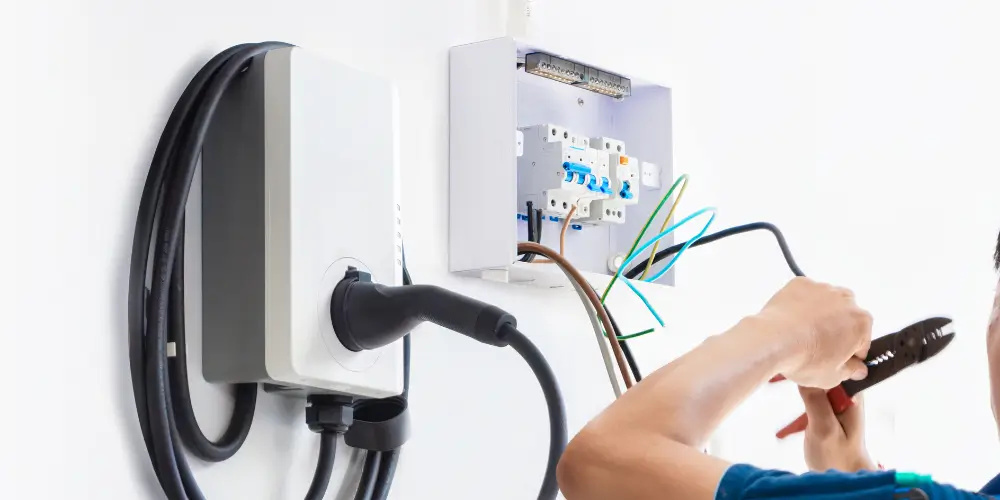
When considering who can perform an EICR, seeking fully qualified and certified professionals is vital. Delving into this, you’ll find that only qualified electricians with specific EICR certification are authorised to conduct these inspections. This certification guarantees that the electrician has undergone rigorous training to meet the regulatory standards for inspecting and testing electrical installations in various property types.
These professionals are not just skilled in implementation but also the significant analysis required for precise report interpretation. This ability is important because the insights drawn from an EICR can greatly influence the electrical safety protocols adopted by a property, assuring they are up-to-date and effective.
Moreover, the inspection frequency recommended for your property should align with these standards, which vary depending on the building’s usage and age. For instance, when considering how often should EICR be carried out on commercial property, it’s important to note that commercial premises typically require more frequent reviews than residential ones due to higher risks and heavier usage. In contrast, understanding the domestic EICR frequency helps homeowners maintain electrical safety and ensure timely identification of potential issues. A certified electrician can provide accurate advice based on these factors.
Knowing your consumer rights when engaging an electrician for an EICR is also important. The right professional will perform the task with precision and guide you through understanding the report’s outcomes. They should openly communicate what each part of the report means for your property’s safety and compliance, making you feel included and informed throughout the process.
Choosing the right electrician is more than necessary—it’s your right and safety net. Verify that they meet all the outlined standards and hold the correct certifications to protect your interests and those of your property.
Step-by-Step EICR Process
The EICR process begins with a detailed assessment of your property’s electrical systems and installations to guarantee a thorough and compliant electrical inspection. Understanding the step-by-step process helps you comply with EICR regulations. It ensures you’re aware of its significance and benefits.
Firstly, EICR preparation is essential. You’ll need to gather all necessary EICR documentation, which includes previous inspection reports and details of any alterations or additions to the electrical system. This step is important for the inspector to have a clear picture of what to examine and any historical issues that might affect the current state of the electrical systems.
Next, EICR scheduling is arranged. It’s important to choose a time that minimises disruption to your daily activities while still allowing the inspector adequate access to all necessary areas. The EICR frequency mandated by regulations depends on the property type and use. Still, typically, it ranges from every 3 to 5 years for commercial properties and every 5 years for residential properties.
Here’s a breakdown of what to expect:
- Initial Consultation: Discussion of scope, objectives, and EICR costs.
- Documentation Review: Analysis of past reports and system modifications.
- Physical Inspection: Thorough examination of all installations and systems.
- Testing: Functional testing to identify any hidden defects or potential hazards.
- Report Generation: Compilation of findings, recommendations, and compliance status.
Each step is designed to guarantee safety and compliance, solidifying the EICR process’s benefits. By engaging with this process, you’re participating in a community committed to safety and regulatory adherence.
Essential Elements of an EICR Inspection
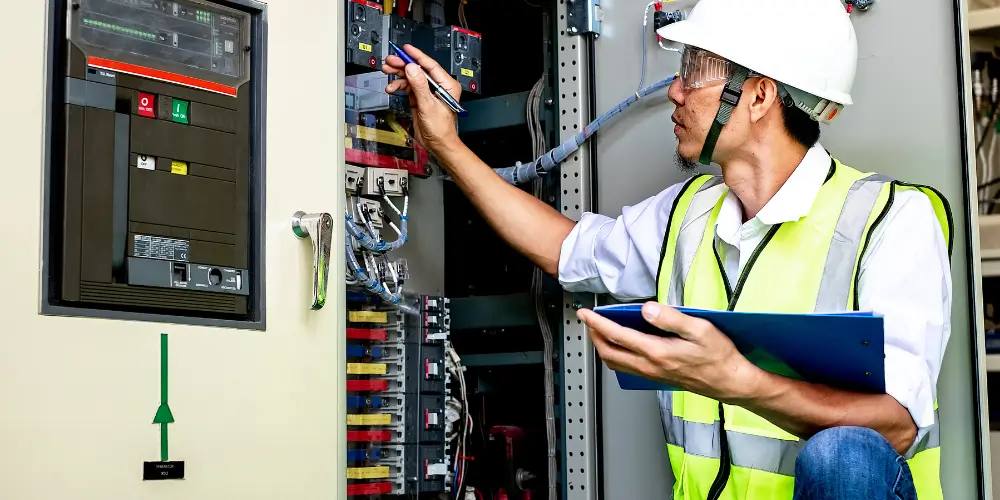
When you conduct an EICR inspection, you’ll discover several important elements that guarantee the safety and compliance of your property’s electrical systems. Understanding these components is essential for maintaining the integrity of your installations and ensuring they meet rigorous standards.
Firstly, the EICR terminology is fundamental for grasping the scope of the inspection. Familiarising yourself with terms like ‘circuit integrity’, ‘insulation resistance’, and ‘protective device effectiveness’ will enhance your comprehension of the report findings. These terms form the backbone of the technical assessment and are significant for interpreting the results accurately.
The inspection frequency varies depending on property types. For instance, residential homes typically require an EICR every ten years. Commercial properties need more frequent reviews, often every five years. This variation guarantees that the electrical systems of more heavily used properties maintain peak safety conditions.
Testing methods form another cornerstone of the EICR. Techniques such as continuity testing, insulation resistance measurements, and functional testing of RCDs (Residual Current Devices) are employed to detect any potential hazards or deterioration in the system that could compromise safety.
Certification validity and reporting standards are also important. An EICR certificate is generally valid for up to five years, but this can differ based on the property’s electrical usage and condition post-inspection. The report must adhere to strict standards, laying out compliance requirements in a clear, structured manner. This guarantees that the property meets legal safety norms and fosters a sense of security and belonging among its occupants, knowing their environment is up to code and professionally assessed.
EICR Breakdown: What It Covers
An EICR inspection covers a thorough range of electrical safety checks designed to ascertain that your property’s systems are operational and up to current safety standards. Confirming the safety and compliance of your electrical installations isn’t just a regulatory requirement; it’s a critical component of maintaining a safe living and working environment. As a responsible property owner, you know that the frequency of these inspections can vary, typically every 3 to 5 years for tenanted properties, highlighting the importance of keeping up with EICR updates to meet legal obligations, especially if you’re a landlord.
The scope of an EICR inspection is extensive, and understanding what it includes can help you appreciate its importance and why it’s a non-negotiable aspect of property management. Here’s what you can generally expect:
- Circuitry and wires examination: All wiring is safe and shows no wear or damage.
- Fuse and breaker tests: Checks for correct operation and condition to prevent electrical fires.
- Grounding system integrity: Verifies that all grounding components are properly installed and functioning.
- Residual Current Device (RCD) testing: Assesses the safety device to prevent electrical shock.
- Electrical fixture inspection includes checking sockets, switches, and light fixtures to confirm they are safe and correctly installed.
Understanding these components helps comprehend the overall costs and duration of the EICR. While the inspection might seem costly, it is an investment in safety and compliance. Certain properties may qualify for EICR exemptions, so staying informed about the latest regulations and updates is wise.
Common Issues Identified
During an EICR inspection, several common electrical issues are typically identified that could compromise your property’s safety and compliance. Let’s explore these to guarantee you know what might lurk behind your walls.
Firstly, wiring problems are frequently spotted. This includes frayed wires or incorrect wiring installations, which pose significant safety hazards. It’s essential to address these to prevent potential fire risks or electrical malfunctions. Similarly, grounding issues are common and particularly concerning as they guarantee that any fault current is safely carried away from you and your electrical devices, preventing electric shock.
Moreover, circuit overloads are a prevalent finding. Many older properties aren’t designed to handle the electrical load required by modern appliances, leading to tripped circuit breakers or overheated wires. Outdated installations amplify these risks, with old fuse boxes and wiring not up to current standards, making upgrades important for safety and functionality.
Further, inspectors often encounter faulty appliances that could lead to unexpected hazards. Regular checks and maintenance are crucial to verify that these do not become a threat. Additionally, moisture damage and insulation failures are spotted during inspections. Moisture can lead to corrosion and electrical shorts, while compromised insulation raises risks of wire exposure and associated dangers.
Understanding these common issues helps you grasp the importance of EICR. It integrates you into a community that maintains safe and compliant living environments. Stay informed and proactive about these electrical integrity aspects to safeguard your home and community.
What Happens During an EICR?
When your property undergoes an Electrical Installation Condition Report (EICR), the process begins with a thorough assessment by a qualified electrician. This assessment isn’t just a quick check-up; it’s a detailed examination tailored to meet rigorous EICR requirements and compliance standards.
Here’s what you can expect:
- Visual Inspection: Before delving into technical testing, the electrician reviews the installation visually. This preliminary step identifies overt signs of wear, damage, or outdated systems that may not meet current electrical safety norms.
- Testing Procedures: Complex tests are conducted to measure the integrity and functionality of circuits. These include insulation resistance testing, circuit continuity testing, and earth fault loop impedance testing, all essential to guaranteeing your electrical installations are safe and sound.
- Risk Assessments: Potential risks are evaluated to determine the likelihood of electrical faults. This analytical approach guarantees that any existing or potential issues are flagged for further action.
- Certification Process: The findings are documented once the property inspections and tests are complete. If your installation meets the necessary standards, a certificate is issued. This document is significant as it confirms the safety and compliance of your electrical systems.
- Maintenance Recommendations: Depending on the findings, specific maintenance recommendations are provided. This guidance is important for safeguarding the longevity and safety of your property’s electrical setup.
Throughout this procedure, electrical safety and stringent standards are prioritised. The electrician’s role is essential in guiding you through the necessary compliance measures and helping secure your property’s safety and peace of mind as part of a responsible community.
EICR Checklist: What’s Involved
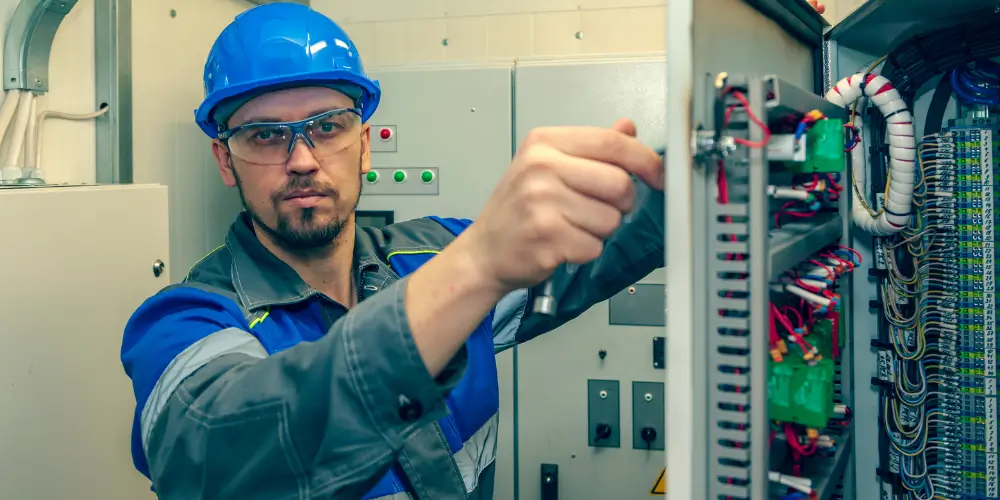
Before you schedule an EICR, it’s essential to understand what’s included in the checklist to confirm that your electrical installations meet the required safety standards. This checklist doesn’t just guarantee compliance; it embeds a sense of safety and belonging among all building occupants, knowing their environment is secure.
Firstly, the EICR frequency is determined by the property type and usage, which impacts how often inspections should occur to adhere to EICR regulations. For instance, commercial properties require more frequent reviews than residential homes, typically every five years for tenanted properties and ten years for owner-occupied homes.
The inspection covers several important areas: the adequacy of earthing and bonding, the suitability of the switchgear and control gear, the serviceability of switches, sockets, and light fittings, and the type of wiring system. Each category is meticulously examined for wear and tear or any modifications that deviate from the EICR requirements.
Understanding EICR terminology is essential. Reports such as ‘C1‘ indicate immediate danger, and ‘C2‘ suggest potential danger, which is used to prioritise urgent issues. Awareness of these terms helps you grasp the severity of each finding.
EICR costs can vary depending on the property’s size and the electrical system’s complexity. However, considering the EICR’s significance in preventing electrical hazards, this investment is worthwhile.
Upon completion, EICR certificates are issued. These documents are important as they validate the safety of the electrical installations, reflect compliance with current standards and any EICR updates in regulations, and confirm that your installations are safe and up-to-date.
Legal Implications and Compliance
Understanding the legal implications and complying with EICR standards is vital for property owners and managers. By doing so, you guarantee the electrical safety of your property and align with specific legal responsibilities that protect you and your tenants. Compliance standards are stringent, reflecting the importance of maintaining high safety protocols in residential and commercial buildings.
Firstly, it’s important to recognise the legal framework surrounding EICR regulations. These are not mere guidelines but statutory requirements that you must adhere to. Ignoring them isn’t just risky; it could lead to severe penalties. Here’s what you need to keep in mind:
- EICR Regulations: You must verify that your properties are inspected at intervals dictated by current legislation, typically every five years for rental properties.
- Legal Responsibilities: As a property owner, you must provide a safe electrical system. Non-compliance can lead to legal actions from tenants or authorities.
- Compliance Standards: Adhering to BS 7671 requirements during inspections is essential for validating your EICR.
- Tenant Rights: Tenants can view the EICR to verify that their property complies with electrical safety standards.
- Penalties Involved: Failing to comply with EICR requirements can result in hefty fines and, in some cases, criminal charges, depending on the severity of negligence.
Inspections must thoroughly evaluate all fixed electrical parts—wiring, socket outlets, light fittings, and the consumer unit. This isn’t just about ticking a box; it’s about proactive safety and legal adherence engagement. Remember, keeping up with inspection frequency isn’t just a regulatory formality—it’s a fundamental aspect of protecting your investments and guaranteeing the safety and satisfaction of your tenants.
Frequently Asked Questions
How Long Does an EICR Certificate Remain Valid?
Your EICR certificate’s validity lasts up to five years. Renewal involves periodic inspections by qualified professionals to meet electrical standards and ensure your commercial property’s safety. Proper documentation and understanding of the report’s importance are essential.
Can a Landlord Perform Their Own Eicr?
Due to electrical safety standards and certification requirements, you can’t perform your EICR as a landlord. Legal obligations mandate professional inspections to uphold tenant rights and guarantee adherence to maintenance guidelines.
Are There Any Exemptions for New Properties From Eicr?
Yes, new builds often have exemptions from initial EICR requirements due to compliance with the latest safety standards and regulations. However, ongoing inspections and maintenance are essential to guarantee continued adherence to property management norms.
What Are the Penalties for Non-Compliance With EICR Regulations?
If you don’t meet EICR compliance deadlines, you’ll face legal consequences. Enforcement agencies can impose penalties, impacting your finances and jeopardising tenant rights. Upholding safety standards and fulfilling landlord responsibilities is essential.
Does an EICR Include Checking Appliance Safety?
Yes, an EICR includes checking appliance safety. It assesses compliance with safety standards through periodic checks, focusing on risk assessment, certification processes, and homeowner responsibilities to guarantee that all electrical inspections meet required maintenance tips.
