
How to Top Up the Pressure on Boiler: To top up boiler pressure, locate the filling loop and open its valve(s) slowly while watching the pressure gauge, aiming for about 1.0–1.5 bar when cold. Close the valves once the target pressure is reached, check for leaks, and bleed radiators to remove trapped air. Turn the boiler off before starting and use caution with stuck or corroded valves. If problems persist or leaks appear, seek professional help; the full guide explains step-by-step procedures and safety checks.
Key Takeaways
- Switch the boiler off and allow it to cool before starting to top up the pressure.
- Locate the filling loop (built-in or external) and ensure both isolation valves are closed.
- Open the filling valve slowly while watching the pressure gauge until it reaches 1.0–1.5 bar (cold).
- Close the filling valves securely, check for leaks, and remove or secure any temporary filling hose.
- Bleed radiators to release trapped air and monitor pressure for 24–48 hours to confirm stability.
Table of Contents
Quick Answer: How to Top Up Boiler Pressure
To restore ideal boiler pressure, locate the filling loop, open its valves slowly until the gauge reads the recommended 1–1.5 bar, then close the valves and check the system for leaks. The concise procedure involves isolating the boiler, attaching or opening the built-in filling loop, and adding mains water in controlled increments to avoid over-pressurising. After topping up, bleed radiators to expel trapped air that can affect readings and circulation. If pressure drops repeatedly, inspect visible pipework, radiators, and valves for leaks; persistent loss often indicates a sealed-system fault that needs professional diagnosis.
How to Top Up the Pressure on Boiler: Reset any warning lights per the manufacturer’s instructions and monitor the pressure over the next 24–48 hours to confirm stability. Tools required are minimal: a cloth, adjustable key or valve handle as appropriate, and access to the mains supply. Safety cautions include working only when the system is cool and following the boiler manual for model-specific guidance.
What Pressure Your Boiler Should Show: Reading the Gauge
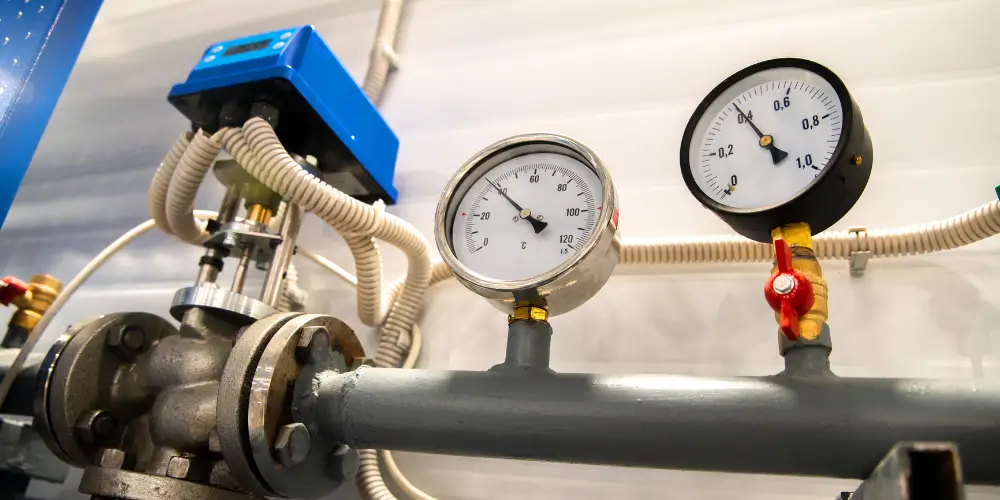
How should the boiler pressure gauge be read? The gauge typically sits on the front of the boiler and displays pressure in bar (or psi). Reading requires noting the needle position relative to the marked scale: the green zone indicates normal operating pressure, often between 1.0 and 1.5 bar when the system is cold. Many manufacturers recommend about 1.0–1.5 bar; when heating is on, pressure may rise to around 2.0 bar. Red zones or extreme low/high marks signal attention is needed. Digital displays show numerical values directly and should be interpreted similarly. Read the gauge when the system is cold and again when warm to compare. Small fluctuations are normal; a persistent value below 0.8 bar or above 2.5 bar usually indicates a problem. Users should record readings and consult the boiler manual for the exact target range specified for the model. Here is the guidance on What Should Boiler Pressure Be? Normal Boiler Pressure Guide.
Boiler Pressure Safety Checklist Before Topping Up
Before topping up, follow a concise safety checklist to prevent damage or injury. The checklist verifies boiler condition, system status, and safe procedures. It reminds one to isolate the electrical supply, let the boiler cool, and confirm visible pipework and valves are intact. It also prompts inspection for leaks, corrosion, or unusual smells. Finally, it guarantees the correct toolset and documentation (manual, service record) are at hand.
| Checkpoint | What to look for | Action if abnormal |
| Power off | Boiler switched off at isolator | Don’t proceed; call engineer |
| Boiler cooled | Surface temperature safe to touch | Wait until cool |
| Visible leaks | Water, rust, drips | Stop and inspect; isolate water |
| Pressure reading | Below recommended minimum | Prepare to top up (see next) |
| Documentation | Manual/service history present | Verify model-specific steps |
This checklist reduces risk and guides whether topping up is appropriate or professional help is needed.
Top Up a Combi Boiler (Built‑In Filling Loop)
When the pressure gauge shows a reading below the manufacturer’s recommended level, the built‑in filling loop on a combi boiler provides a straightforward means to restore system pressure; the process is quick when performed correctly. First, confirm the boiler is off and cool, then locate the filling loop, typically a braided hose or integrated valve assembly beneath the boiler. Identify the isolation valves and the filling valve or lever.
Slowly open the filling valve while watching the pressure gauge; do not open both isolation valves fully at once if fitted. Allow pressure to rise to the recommended level, usually around 1–1.5 bar, then close the filling valve promptly to avoid over pressurising. Check for leaks at valve connections and confirm any temporary filling hose is removed or secured. After topping up, restart the boiler and verify normal operation and stable pressure. If pressure drops repeatedly, seek professional inspection rather than repeating the top‑up. Check out Benefits of a Boiler Service: Why Regular Maintenance Matters.
Top Up System/Regular Boilers (External Filling Loop)
For regular (system) boilers that use an external filling loop, the topping‑up procedure differs from the built‑in method on combi boilers and typically involves a separate braided hose or dedicated valve assembly located near the system’s feed point. The operator first isolates the boiler, checks system pressure on the gauge, and verifies radiators and valves are closed. The external loop is connected between the mains and the heating circuit; its isolation valves are opened slowly while monitoring pressure to avoid overfilling. Once the pressure reaches the manufacturer’s recommended level (usually 1–1.5 bar cold), the filling valves are closed, any drain cocks are secured, and the loop is removed or left secured per installation.
| Step | Purpose |
| Isolate boiler | Safety and protect components |
| Open filling valve slowly | Controlled increase of pressure |
| Close and secure loop | Prevent overpressure and leaks |
Completion includes checking for leaks and resetting any system indicators before returning the boiler to service.
Common Faults While Topping Up and Quick Fixes
Expect a few recurring faults during topping up and address them quickly to avoid system damage or downtime. Common issues include a stuck filling loop valve, slow or no flow, visible leaks, and over-pressurisation. If the filling loop valve feels stiff, gently work it open and closed a few times; replace a deteriorated washer or valve if movement remains restricted. When flow is minimal, check that both isolation valves are fully open and that debris has not blocked the hose; flushing the hose or replacing it often restores adequate flow.
Visible leaks at joints or the pressure relief valve require immediate tightening of fittings or seal replacement; if the pressure relief valve discharges, inspect for corrosion and replace the valve rather than repeatedly topping up. For over-pressurisation, bleed radiators to reduce pressure and adjust the filling process to smaller increments. Document faults and corrective steps for future reference and safer maintenance.
When Not to Top Up the Pressure Yourself: What to Tell the Engineer
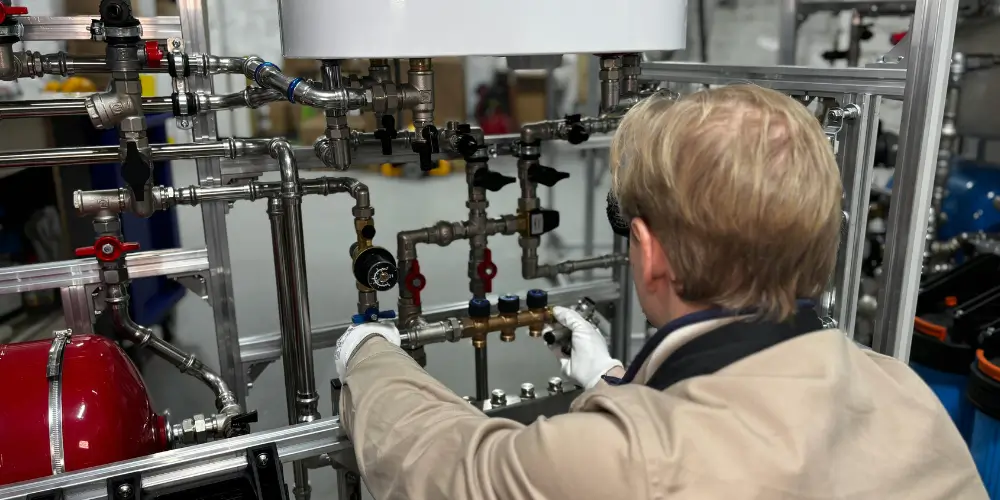
If there is uncertainty about the cause of pressure loss, or if visible damage, persistent leaks, or repeated pressure relief valve discharges are present, the homeowner should stop attempting further DIY topping up and contact a qualified engineer. The homeowner should briefly describe observed symptoms: frequency and timing of pressure drops, any audible or visible leaks, radiator cold spots, or unusual boiler noises.
They should note recent work or changes to the heating system, such as pipework modifications, radiator replacements, or new additions. Provide the boiler make, model, and approximate age, plus the pressure reading range seen on the gauge and any error codes displayed.
Mention whether the boiler has been recently serviced and supply the date of the last service if known. If the homeowner has already attempted topping up, state what was done and whether pressure held or fell again. Clear, factual information helps the engineer diagnose faults quickly and prioritise necessary repairs or safety checks.
Prevent Low-Pressure Problems: Simple Maintenance Tips
After contacting an engineer when problems seem beyond a quick fix, homeowners can reduce future low-pressure incidents by following a few straightforward maintenance habits. Regular visual checks, simple system flushing, and attention to warning signs help keep the heating system stable and can prevent avoidable emergency calls. Scheduling an annual service with a qualified technician guarantees components such as pressure relief valves, expansion vessels, and pump seals are inspected and replaced if needed. Understanding basic controls how to read the pressure gauge, how to top up safely, and when to isolate parts of the system gives owners confidence to act promptly. Promptly addressing leaks, bleeding radiators correctly, and keeping the boiler’s area clear all contribute to longevity and consistent pressure.
- Check for visible leaks and damp spots monthly.
- Bleed radiators to remove trapped air every season.
- Keep the boiler and surrounding area clean and accessible.
- Arrange annual professional servicing and record findings.
Frequently Asked Questions
Can Topping Up Void My Boiler Warranty?
Topping up a boiler usually does not void the warranty if performed according to manufacturer instructions; however, improper procedures, damage, or using incorrect parts can. The manufacturer’s terms and authorised-service requirements determine final warranty validity.
How Long Does Topped-Up Pressure Typically Last?
Topped-up boiler pressure typically lasts several weeks to months. Duration depends on system integrity, leaks, and expansion vessel condition. If pressure drops repeatedly within days, the boiler likely needs inspection or component repair to maintain stability.
Will Topping up Affect Central Heating Radiators Individually?
Topping up the boiler generally affects the entire central heating system, not individual radiators. Pressure restoration restores circulation and flow; however, trapped air or valve issues can cause specific radiators to remain cold, requiring bleeding or balancing.
Can I Top up a Boiler During Freezing Weather?
Yes. One can top up a boiler during freezing weather, provided the filling loop and external pipes aren’t frozen, the system is safe to access, and the user follows manufacturer steps; avoid forcing frozen valves or opening exposed pipework.
Is It Safe to Top up if I’ve Had Recent Gas Work?
Yes, generally safe if the gas supply was correctly restored and no leaks remain; they should verify the boiler passed a gas-safety check first. If unsure, they must contact a Gas Safe registered engineer before topping up.
Conclusion
In conclusion, how to Top Up the Pressure on a boiler: topping up boiler pressure is a straightforward task when done carefully: check the gauge, follow the correct filling-loop procedure for your boiler type, and observe safety checks. Many low-pressure issues stem from simple causes that routine maintenance and timely bleeding can prevent. If you have doubts, notice leaks, repeated pressure loss, or unfamiliar controls, stop and call a qualified engineer. Regular inspections and sensible use will keep the system efficient and extend boiler life.