
How to Get an Energy Certificate: An Energy Performance Certificate (EPC) is required before marketing many properties for sale or rent and must be issued by an accredited assessor. The assessor inspects construction, heating, insulation, and ventilation, then provides a graded rating, estimated energy use, and improvement suggestions. Owners should book a certified assessor, prepare floor plans and bills, allow clear access, and request express service if needed. Costs vary by size; simple upgrades can raise ratings. Continue for detailed steps and tips.
Key Takeaways
- Arrange an inspection with an accredited energy assessor before marketing your property, as an EPC is mandatory in many jurisdictions.
- Prepare property documents (floor plans, recent utility bills) and allow clear access for accurate assessment.
- Expect a brief on-site inspection where the assessor records details on construction, heating, insulation, and ventilation.
- Review the issued EPC grade, estimated energy use/CO2, and the assessor’s recommended cost-effective upgrades.
- Keep receipts and documentation of any improvements to support claims and improve future EPC ratings.
Table of Contents
Do You Need an EPC to Sell or Rent?
Do sellers and landlords require an Energy Performance Certificate (EPC) before marketing a property? The answer is concise: in many jurisdictions, an EPC is mandatory before a property is offered for sale or rent. This requirement empowers prospective buyers or tenants to make informed choices about energy costs and environmental impact, supporting autonomy in decision-making.
How to Get an Energy Certificate: Compliance is straightforward: obtain an assessment from an accredited assessor, display the certificate when advertising, and provide a copy at viewings and on completion. Exemptions exist for certain buildings, temporary structures, places of worship, or very low-usage properties so verifying local rules avoids unnecessary steps. Failure to produce an EPC can result in fines and impede transactions, restricting freedom of sale or lease. Preparing early streamlines marketing, reduces delays, and preserves control over timing and pricing, allowing owners to proceed confidently toward transaction completion while respecting legal obligations and the market’s demand for transparent energy information.

What an Energy Performance Certificate (EPC) Shows
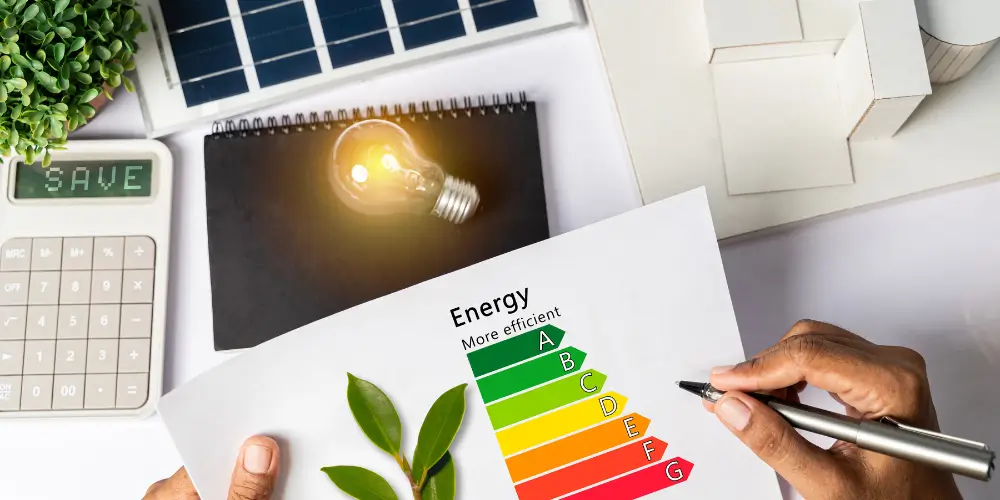
Once you know when an EPC is required for sale or rental, the focus shifts to what the certificate provides. The EPC summarises a property’s energy efficiency on a graded scale, typically A (most efficient) to G (least efficient), giving a clear indicator of running costs and environmental impact. It lists estimated annual energy use and CO2 emissions, offering objective metrics for comparison.
The certificate details current features affecting performance, insulation, heating system, glazing, and lighting, and notes potential improvements with estimated energy savings and cost implications. It states the property’s recommended efficiency measures, an advisory report that empowers owners and occupants to reduce consumption and bills. Validity dates and assessor credentials are included to ensure transparency and traceability. For buyers, tenants, and owners seeking autonomy over energy choices, the EPC presents concise, actionable data to inform decisions without prescribing a single path.
How to Get an EPC Fast: Step‑By‑Step Process
Begin by contacting a certified domestic or non‑domestic energy assessor and booking an inspection for the earliest available date; assessors can be found through national registers or accredited provider websites, and some offer expedited appointments or online booking. Next, prepare property documentation floor plans, recent utility bills, and proof of tenure to speed verification and reduce back‑and‑forth. Request a priority slot or express service if timelines are tight; expect an additional fee for rush processing.
Clear access routes and guarantee someone authorised can grant entry at the scheduled time to avoid delays. Ask the assessor if they can submit the certificate electronically to the national database immediately after inspection to shorten administrative lag. If improvements are planned, gather installer quotes and product specifications beforehand so recommendations can be actioned quickly. Finally, confirm turnaround expectations in writing, including provisional delivery date and any contingencies, so the owner retains control over timing and can proceed with letting, sale, or compliance without unnecessary waiting.
What Happens in an EPC Inspection
An EPC inspection involves a trained assessor visiting the property to collect measurements, inspect heating and ventilation systems, and record construction and insulation details that determine energy performance. The assessor moves through rooms, notes window types, checks boiler age and controls, and assesses loft and wall insulation. Observations are objective, focused on features that affect energy use. The process is efficient, respects occupant freedom, and aims to provide clear improvement options rather than mandates.
- Room dimensions and layout measured for heat loss estimation
- Heating, hot water, and ventilation systems inspected for efficiency
- Fabric elements recorded: walls, floors, roofs, windows, and insulation
- Lighting types and fixed renewables (if present) noted
- Evidence of controls: thermostats, timers, and zoning documented
A digital report is compiled after inspection, assigning an energy rating and suggesting practical upgrades. The assessor does not enforce changes; the certificate informs choices for owners seeking greater independence and lower energy costs.
Documents to Prepare Before the Assessor Arrives
After the assessor records room sizes, heating details, and fabric elements, homeowners should gather specific documents that speed the inspection and improve report accuracy. Essential papers include floor plans or scaled drawings, recent energy bills, and manufacturers’ manuals for boilers, heat pumps, windows, and insulation. Proof of recent upgrade receipts, installer certificates, or warranty documents clarifies retrofit dates and specifications. Building control completion certificates or planning permissions help verify approved works. For properties with renewable systems, provide MCS certificates or installation reports.
Tenancy agreements and occupancy schedules support realistic usage assumptions for multi-occupant homes. If available, previous EPCs or surveys offer baseline data and highlight changes. Clear, organised folders or digital scans reduce time on site and lower the chance of assumptions that can inaccurately raise energy ratings. Preparing these documents enables a smoother assessment, preserves homeowner autonomy, and often yields a more favorable, defensible certificate.
Choosing and Comparing Qualified EPC Assessors
Choosing an EPC assessor requires comparing qualifications, experience, and impartiality to guarantee an accurate, defensible certificate. The property owner should seek assessors with current accreditation from the national registry, relevant building-type experience, and a commitment to impartial reporting. References and sample reports reveal consistency and clarity. Online profiles, membership in professional bodies, and visible complaint-handling policies signal reliability. Clear communication about scope and documentation needs protects the owner’s autonomy.
- Confirm valid accreditation and registration number.
- Review recent reports for transparency and methodology.
- Check experience with similar property types and ages.
- Verify written terms, scope, and non-conflict declarations.
- Request references and confirmation of data protection practices.
Choosing involves balancing cost with demonstrated competence rather than lowest price alone. A concise checklist, direct questions, and verification of credentials empower property owners to select an assessor who respects their freedom to make informed decisions.
Typical EPC Costs, Timelines, and How to Speed Them Up
With the assessor selected and credentials verified, attention turns to the practical matters of cost and timing for obtaining an EPC. Typical costs vary by property size and region; straightforward flats cost less, larger or complex buildings cost more. Standard turnaround is often 1–7 days after inspection, but pre-booking and clear documentation speed the process. Simple preparation organising bills, floor plans, and access reduces assessor time and fees. Compare quotes, check what’s included (report, registration), and confirm any extra travel or reinspection charges. For those valuing autonomy, choose flexible appointment times and digital delivery to move faster.
| Item | Typical Cost (approx) | Typical Timeline |
| Small flat | £35–£70 | 1–3 days |
| Mid house | £70–£120 | 2–5 days |
| Large/complex | £120–£250+ | 3–7+ days |
| Add-ons (travel/revisit) | £10–£50 | +1–3 days |
Low‑Cost Changes That Improve Your EPC Rating
Small, targeted upgrades can raise an EPC rating without large expense: sealing gaps, adding draught excluders, fitting LED lighting, installing thermostatic radiator valves, and improving hot-water insulation are among the most cost‑effective measures. A property owner seeking practical freedom can choose simple interventions that reduce energy waste and improve scores. Decisions focus on clear, low-cost actions that deliver measurable gains and preserve autonomy over upgrades.
- Seal window and door gaps with weatherstripping
- Replace incandescent bulbs with LEDs
- Add insulation to hot-water tanks and pipes
- Fit thermostatic radiator valves (TRVs) to control room temperatures
- Use draught excluders and loft hatch insulation
Each action is reversible, affordable, and can often be completed without specialist contractors. When combined, these measures lower heating demand and can noticeably improve an EPC band. Owners should document changes and receipts to show assessors tangible improvements while retaining control over the pace and scope of upgrades.
Frequently Asked Questions
How Long Is an EPC Valid After Issuance?
An EPC remains valid for ten years after issuance. The individual relying on it can update or replace it sooner if improvements are made, but the certificate’s official validity endures a decade from its date. Check out the details here: How Long Do EPC Certificates Last? UK Validity Guide for Property Owners
Can an EPC Be Challenged or Corrected if Inaccurate?
Yes. An EPC can be challenged and corrected if inaccuracies arise; the owner or interested party may appeal to the issuing assessor or accrediting body, requesting reevaluation or rectification while asserting their right to accurate, transparent property information.
Will My EPC Rating Affect Home Insurance Premiums?
An EPC rating can influence insurance costs indirectly; insurers may consider property condition and energy efficiency when evaluating risk. The owner benefits from shopping around, comparing quotes, and documenting improvements to seek better premiums.
Are EPCS Required for Commercial Properties?
Yes. They are required for most commercial properties when constructed, sold, or rented. The owner must obtain an EPC that complies with regional rules and exemptions; freedom-minded proprietors should verify local regulations and qualified assessors.
Can I Get a Temporary EPC for Renovations in Progress?
Yes; temporary EPCs aren’t standard, but an assessor can issue a provisional or draft certificate reflecting current conditions during renovations. The owner has the freedom to update documentation once works finish and a final EPC is obtained.
Conclusion
In conclusion, How to Get an Energy Certificate: obtaining an Energy Performance Certificate is a straightforward, necessary step for selling or renting property. The EPC summarises energy efficiency, follows a clear inspection process, and requires modest documentation. Property owners should compare accredited assessors, expect routine costs and timelines, and consider quick, low‑cost improvements to raise ratings. Timely preparation and informed choices streamline the process, reduce delays, and help properties meet legal and market expectations while improving long‑term energy performance.