
Fire door installation is not the same as fitting a standard internal door. A fire door is a safety-critical part of a building’s fire protection strategy. If it is installed incorrectly, damaged, altered or fitted with the wrong components, it may fail to hold back fire and smoke when it is needed most.
That is why this guide does not provide DIY step-by-step fitting instructions. Instead, it explains what property owners, landlords, managing agents, contractors and responsible persons need to know before arranging fire door fitting, replacement, inspection or certification.
A fire door should be selected, fitted and checked as a complete fire door assembly. The door leaf, frame, hinges, seals, glazing, closer, latch, signage and gaps all affect performance. Simply buying a fire-rated door leaf and hanging it into an existing frame does not automatically make it a compliant fire door.
Last Updated: 2026
Reviewed By: London Safety Certificate Compliance Team
Key Takeaways
- Verify that the fire door and frame comply with BS 476-22 and other relevant regulatory standards.
- Measure the door opening to ensure the door fits snugly and is aligned properly.
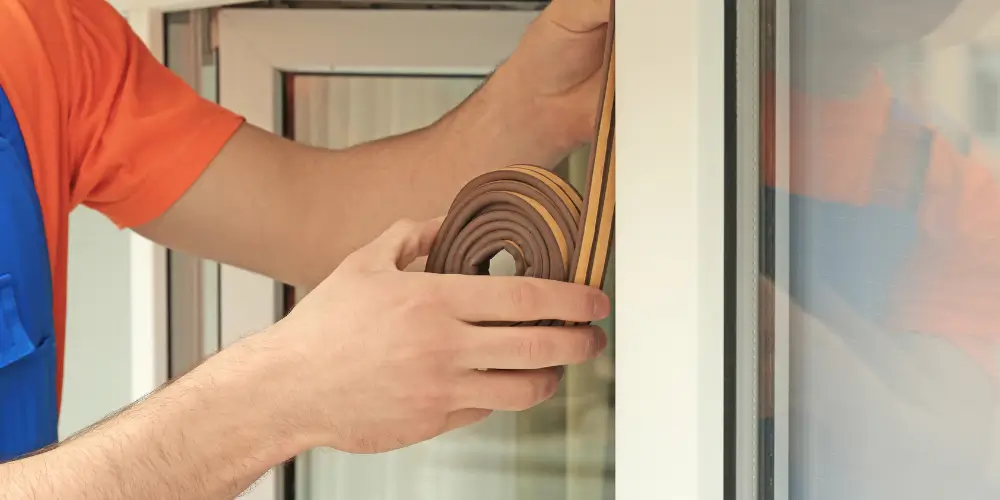
- Install intumescent strips and smoke seals to enhance fire and smoke resistance.
- Use certified hinges and position them correctly for optimal weight distribution.
- Perform a final inspection to ensure correct alignment, sealing, and smooth operation.
Table of Contents
Quick Answer: Can You Fit a Fire Door Yourself?
A fire door should only be fitted by someone competent to install it correctly in line with the manufacturer’s instructions, test evidence, building requirements and fire safety expectations.
The risk with DIY fire door fitting is that small errors can make the door ineffective. Common problems include:
- incorrect frame or casing
- wrong hinges
- missing intumescent seals
- damaged fire door labels
- incorrect gaps
- unsuitable locks or latches
- poor self-closing action
- altered or cut doors
- incompatible glazing
- missing smoke seals where required
- poor alignment
- no evidence of compliance
If you are responsible for a rented property, block of flats, workplace, HMO, commercial building or communal area, it is safer to use a competent fire door installer and arrange a fire door inspection where compliance evidence is needed.
Fire Door Installation Is About the Whole Door Set
A fire door is not only the door slab. The whole assembly matters.
A compliant fire door installation may include:
| Component | Why It Matters |
|---|---|
| Door leaf | Provides the tested fire resistance performance |
| Frame or lining | Must be suitable for the fire door assembly |
| Hinges | Must support the door and be compatible with fire performance |
| Intumescent strips | Expand under heat to help seal gaps |
| Smoke seals | Help restrict smoke spread where required |
| Door closer | Helps the fire door close properly after use |
| Latch or lock | Must not compromise fire performance |
| Glazing | Must be fire-rated where fitted |
| Signage | Helps users understand the door’s function |
| Gaps and alignment | Incorrect gaps can compromise fire and smoke protection |
Every component should be compatible. Mixing untested or unsuitable parts can weaken the door’s fire resistance.
Fire Door Installation Regulations UK
Fire door requirements depend on the building, use, layout and fire strategy.
Fire doors may be required in:
- blocks of flats
- HMOs
- communal corridors
- staircases and escape routes
- commercial buildings
- offices
- shops
- schools
- care settings
- mixed-use buildings
- plant rooms
- kitchens or higher-risk rooms
- loft conversions
- doors between garages and homes
- fire compartment lines
In England, building fire safety guidance is covered under Approved Document B. For existing occupied premises, fire door condition and suitability may also be considered as part of the fire risk assessment.
For multi-occupied residential buildings, responsible persons also have duties relating to fire door information and checks under the Fire Safety (England) Regulations 2022.

Fitting Fire Doors Into Existing Frames
One of the biggest mistakes is assuming a fire door can simply be fitted into any existing frame.
An existing frame may not be suitable if:
- it is damaged
- it is not fire-rated
- it is poorly fixed
- it is warped
- gaps are excessive
- the stops are unsuitable
- seals cannot be fitted correctly
- the door leaf has been heavily trimmed
- the frame is not compatible with the door’s certification
In some cases, a competent installer may be able to fit a fire door into an existing frame if the frame is suitable. In other cases, the frame may need upgrading or replacement. This should be assessed before installation.
Fire Door Gaps and Alignment
Fire door gaps matter because fire and smoke can pass through openings around the door.
A fire door should close correctly into the frame and should not bind, drag, twist or leave unsafe gaps. The required tolerances depend on the door set, manufacturer’s instructions, seals, threshold arrangement and certification evidence.
Do not guess gaps or adjust a fire door casually. Trimming, planing or altering a fire door can affect its certification and performance. If a door does not fit properly, it should be assessed by a competent person. For further details you can read our blog post, How to Fix Fire Door Gaps.
Fire Door Seals, Hinges and Ironmongery
Fire door performance depends heavily on the correct seals and ironmongery.
Important items include:
- intumescent strips
- smoke seals where required
- fire-rated hinges
- suitable latches and locks
- compatible handles
- overhead closers or concealed closers where appropriate
- fire-rated glazing systems where fitted
- suitable fixings
- door signage
A standard hinge, lock, handle or closer may not be suitable for a fire door. Hardware should match the door’s test evidence and manufacturer’s requirements.
Do You Need a Certificate to Install Fire Doors?
There is not one single “fire door installation certificate” rule that applies to every situation in the same way. However, building owners, landlords, responsible persons and managing agents may need evidence that fire doors have been installed, inspected and maintained properly.
Useful evidence may include:
- fire door certification information
- manufacturer’s installation instructions
- installer details
- inspection report
- fire door schedule
- door rating information
- remedial works record
- completion photos
- maintenance records
- fire risk assessment actions
If you are asked for a fire door certificate, inspection report or compliance evidence, it usually means the door needs to be checked and documented by a competent person.
Who Can Install a Fire Door?
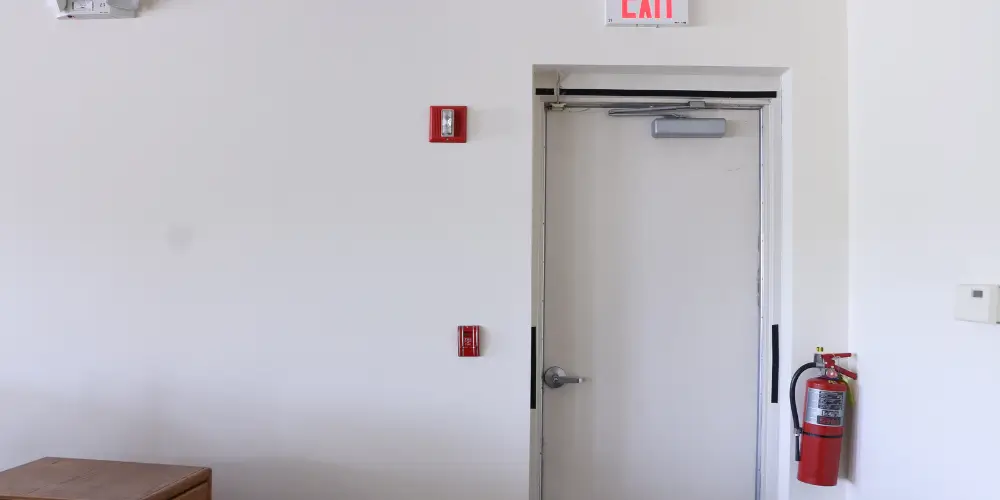
A fire door should be installed by a competent person with the right knowledge of fire door assemblies, fire-rated components, manufacturer instructions and relevant fire safety requirements.
A competent installer should understand:
- fire door ratings
- compatible frames
- correct hardware
- intumescent and smoke seals
- door closer requirements
- gap tolerances
- certification labels
- fire-rated glazing
- common installation defects
- when a door should not be modified
- when an inspector or specialist should be involved
The installer should not treat the work like normal carpentry. Fire door fitting requires fire safety awareness and care.
Can You Modify a Fire Door?
Fire doors should not be modified without checking whether the change is permitted.
Risky modifications include:
- cutting large amounts from the door
- drilling for unsuitable locks
- adding untested bolts
- fitting non-fire-rated glazing
- removing or damaging labels
- removing closers
- damaging seals
- fitting unsuitable pet flaps or vents
- changing hinges or latches without checking compatibility
A small modification can affect the door’s ability to resist fire and smoke. If changes are needed, get competent advice first.
Can You Make an Existing Door Into a Fire Door?
In most cases, a normal internal door should not be treated as a fire door just because seals or a closer are added.
A fire door is a tested safety product. The door leaf, frame, seals and hardware need to work together as a fire-resisting assembly. Upgrading an ordinary door may not provide reliable or certifiable performance.
If a building needs a fire door, the safer route is usually to install a suitable certified fire door set or door assembly and have it checked.
Frequently Asked Questions
Can I fit a fire door myself?
A fire door should be fitted by someone competent. DIY fitting is risky because incorrect gaps, frames, seals, hinges or hardware can stop the door performing properly in a fire.
Can you fit a fire door into an existing frame?
Sometimes, but only if the existing frame is suitable, secure, compatible and capable of supporting the fire door assembly. Many existing frames are not suitable without assessment or upgrading.
Do you need a certificate to fit fire doors?
There is not one single certificate rule for every situation, but landlords, managing agents and responsible persons may need evidence that fire doors have been correctly installed, inspected and maintained.
Who can install a fire door?
A competent fire door installer or suitably experienced professional should install a fire door. The person should understand fire door assemblies, compatible components, manufacturer instructions and fire safety requirements.
What is checked after fire door installation?
Typical checks include gaps, frame condition, hinges, seals, closer operation, latching, glazing, signage, certification evidence and whether the door is suitable for its location.
Can a normal door be made into a fire door?
Usually, a normal internal door should not be treated as a fire door just because seals or closers are added. Fire doors are tested assemblies and should use suitable certified components.
Can you cut or trim a fire door?
Fire doors should only be trimmed within the limits allowed by the manufacturer or certification evidence. Excessive cutting can invalidate performance and compromise safety.
Should fire doors have self-closers?
Many fire doors need self-closing devices, especially where they protect escape routes or compartmentation. The exact requirement depends on the building, location and fire strategy.
Are fire door gaps important?
Yes. Excessive or uneven gaps can allow fire and smoke to pass through and may mean the door does not perform as intended.
Should fire doors be inspected?
Yes. Fire doors should be checked regularly, especially in managed buildings, blocks of flats, workplaces and communal areas.