
A typical UK boiler service for a modern combi takes about 30–45 minutes, while older systems or conventional boilers often need 60–90 minutes or more. Engineers perform visual checks, shutdown and isolation, internal inspections, combustion and flue tests, and final safety reporting. Pre-existing faults, accessibility issues, or sludge can extend the required time and may necessitate parts or follow-up visits. The overview covers what happens, likely delays, and practical preparations to help homeowners streamline the visit.
Key Takeaways
- A standard modern combi boiler service typically takes 30–45 minutes; expect longer for older or complex systems.
- System boilers usually need 60–75 minutes, while conventional boilers can take 75–90 minutes or more.
- Pre-existing faults, diagnostics, or part replacements can extend visits from 30 minutes to several hours or days.
- Essential safety checks, combustion and flue tests, and internal inspections account for most of the service time.
- Prepare by clearing access, providing records, and noting issues to help the engineer complete the service efficiently.
Table of Contents
How Long Does a Boiler Service Take?
How long a boiler service takes depends mainly on the boiler type, its condition, and the thoroughness of the inspection; a straightforward annual service on a modern combi boiler typically takes 30–45 minutes, while older or system boilers and instances requiring repairs or extensive cleaning can extend to 60–90 minutes or more. Time varies with complexity: combi boilers are compact with fewer components to access, whereas system and conventional setups involve additional tanks, pumps and pipework. Pre-existing faults prolong the visit because diagnosis and replacement parts add time.
Safety checks and flue examinations are non-negotiable and influence duration when access is restricted. Engineers also allow extra time for paperwork, pressure adjustments and client briefings. Homeowners should expect variability and plan for mid-morning to early-afternoon slots. Clear communication about symptoms beforehand helps engineers allocate appropriate time, reducing the chance of follow-up visits and ensuring the service is completed efficiently. Find out How to Book a British Gas Boiler Service: A Complete Guide.
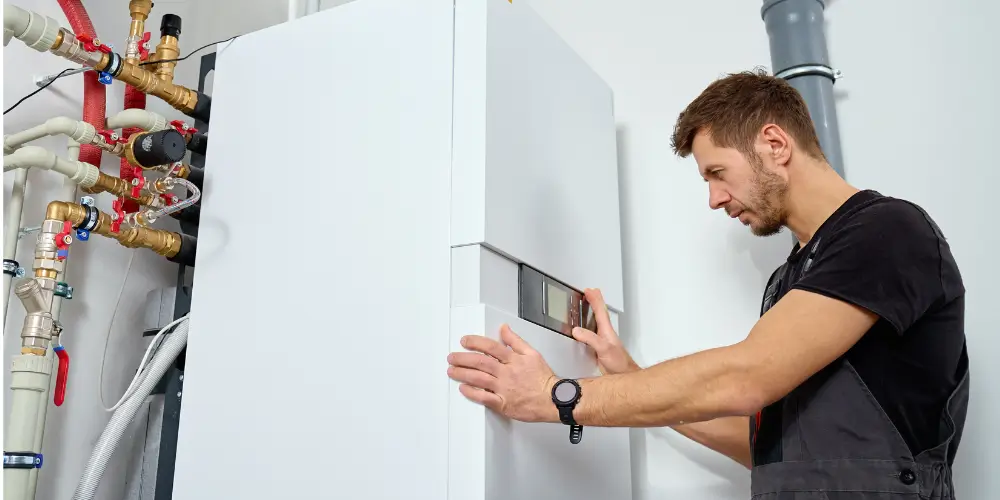
What the Engineer Does: Step by Step and How Long Each Task Takes
Outlining the engineer’s procedure step by step clarifies what to expect and how long each task will take. The engineer begins with visual checks and a system history review (5–10 minutes), noting any visible leaks, corrosion or previous issues. Next is a boiler shutdown and isolation (2–5 minutes), followed by internal inspection: removing panels to inspect the heat exchanger, burners, and wiring (10–15 minutes). Combustion analysis and flue checks follow (5–10 minutes) to guarantee safe emissions. The engineer then tests controls, thermostats and safety devices, calibrating where needed (5–10 minutes).
Primary and secondary flow checks, plus pressure verification and topping up if required, take another 5–10 minutes. Where accessible, the condensate trap and condensate pipe are inspected and cleared (3–7 minutes). Finally, the engineer restarts the boiler, observes operation, records findings and issues the service report and recommendations (5–10 minutes). Total times vary by condition, but each task is discrete and timed for safety and thoroughness. Here are the indicators of boiler service you need to know.
Boiler Service Times: Combi, System and Conventional
While service steps are similar across boiler types, the total time required differs between combi, system and conventional units due to their distinct components and pipework; a combi boiler’s integrated hot-water components typically shorten inspection and testing, whereas system and conventional setups demand additional checks of separate cylinders, tanks and external pipe networks. Typically, a combi boiler service takes around 45–60 minutes because there is one enclosed unit, fewer external valves and no hot water cylinder to inspect.
System boilers usually require 60–75 minutes since the engineer must verify the boiler, expansion vessel, feed and return pipework and any accessible cylinder connections. Conventional (heat-only) installations can take 75–90 minutes or more when loft tanks, header tanks, and separate hot water cylinders are present, as these components require visual inspection, pressure checks, and possible ladder access. Times vary with accessibility, age and condition; an engineer will note any additional tasks that extend the visit.
How to Prepare Your Home to Speed Up the Visit
Clear preparation can shave minutes off a boiler service by guaranteeing the engineer has unobstructed access, visible meters and paperwork, and a safe work area. The homeowner should clear the area around the boiler, remove stored items, and open any locked cupboards so the engineer can reach pipes, controls and flues without delay. Place a clear route from the front door to the boiler and radiator locations to avoid wasted time moving obstacles.
Have documentation to hand: recent service records, manuals and any warranty papers. Verify gas and electric meters are accessible and note any unusual noises or behaviours to report succinctly. Turn off dogs or secure pets in another room to prevent interruptions. Provide adequate lighting and a nearby plug socket if portable tools are needed. If hot water or heating needs to remain on during checks, inform the engineer beforehand. These steps reduce idle time and help the service proceed smoothly and efficiently.
Common Delays and Typical Repair Times
Good preparation often prevents avoidable delays, but some hold-ups and repair durations are common regardless of readiness. Technicians typically encounter diagnostic delays, parts availability issues, access problems, weather-related travel hold-ups, and unexpected faults that extend the visit. Clear expectations about likely timeframes help homeowners plan.
Common causes and typical repair times include:
- Diagnostic checks and pressure adjustments: 20–40 minutes for straightforward issues.
- Minor component replacements (sensors, seals): 30–60 minutes if parts are on the van.
- Boiler part reorders (PCB, pump): 1–7 days depending on stock and delivery options.
- Flushing or chemical cleaning of the system: 1–3 hours when sludge is present.
- Complex faults requiring specialist input (heat exchanger, warranty parts): several days to weeks due to assessment and part sourcing.
Homeowners should expect variation by model, age, and technician workload; clear communication about parts and rescheduling reduces uncertainty.
Why Annual Boiler Servicing Matters for Safety and Warranties
Safety and warranty compliance hinge on an annual boiler service because it identifies hidden faults, verifies combustion integrity, and records maintenance that manufacturers require. An accredited engineer inspects seals, flues, and safety devices, reducing CO and fire risks by confirming correct operation and ventilation. Documentation from a recognised firm or Gas Safe-registered engineer often forms a condition of warranty, so missed or undocumented services can invalidate cover. Regular servicing also highlights wear before failure becomes dangerous, preserving both occupant safety and manufacturer obligations.
For homeowners, a clear service record simplifies warranty claims and supports insurance requirements after incidents. The service provides an independent verification that statutory and manufacturer safety standards were met at the time of inspection. While it does not guarantee future fault-free performance, annual servicing materially reduces safety risks and maintains the administrative proof insurers and manufacturers commonly request. Explore the benefits of a boiler service and why regular maintenance matters.
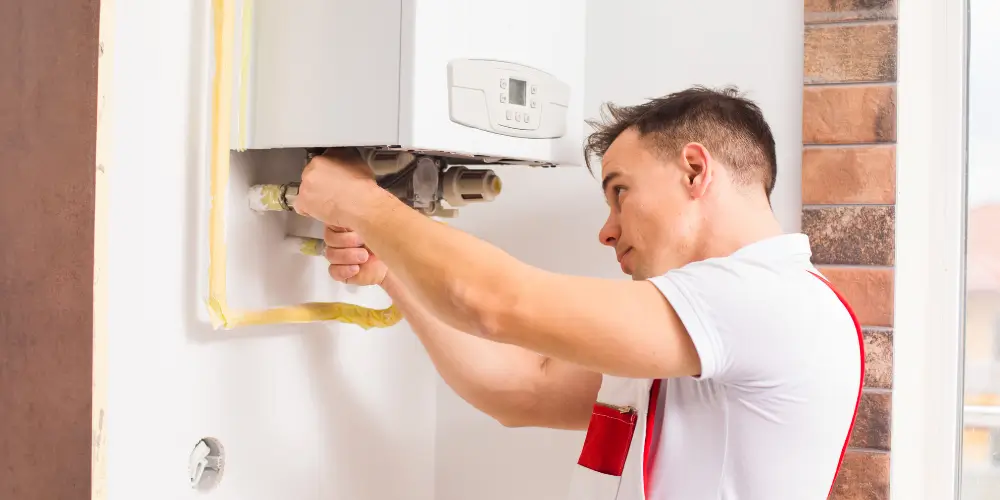
When a Boiler Service Turns Into a Diagnostic Visit or Repair
When a routine boiler service uncovers anomalies such as unusual noises, pressure drops, or combustion irregularities, the appointment can quickly shift from inspection to diagnostic investigation or on-the-spot repairs. The engineer will document findings, assess severity, and decide whether immediate fixes are safe and practical. Small issues may be resolved within the same visit; complex faults often necessitate further testing, parts, or a follow-up appointment.
- Preliminary diagnostic checks: gas pressure, flue flow, and visual combustion inspection.
- Minor on-site repairs: replacing seals, tightening connections, or cleaning components.
- Tests that extend time: full combustion analysis or system pressure cycling.
- Situations requiring parts: heat exchanger faults, PCB failures, or pump replacements.
- When a return visit is needed: part ordering, specialist tools, or safety concerns.
Homeowners receive a clear summary of the defect, recommended action, and whether the job was completed. Time extension depends on fault complexity, parts availability, and safety considerations.
What to Ask and Expect From Your Engineer During and After the Service
What should a homeowner expect and ask of the engineer while they are working and after they leave? The engineer should explain the safety checks, the condition of the components, and any adjustments being made. Homeowners can ask about observed faults, parts that may need replacement, estimated costs, and the urgency of any repairs. Clear timelines for follow-up work and any temporary measures taken should be requested.
| During service | After service |
| Safety checks and measurements | Summary of findings and actions |
| Visual inspection of components | Recommendations and urgency level |
A written report or checklist is useful; homeowners should request one. Ask for confirmation that the boiler is operating within the manufacturer’s parameters and for advice on simple maintenance, such as bleeding radiators or checking the pressure. If parts were replaced, request receipts and warranty details. If problems were found but not fixed, obtain a clear next-step plan and estimated schedule. This guarantees transparency, safety, and confidence in the ongoing performance of the boiler.
Frequently Asked Questions
Can I Service My Boiler Myself to Save Money?
They generally should not: a homeowner can perform basic checks, but full boiler servicing requires specialist skills, safety knowledge and certification. Attempting DIY risks damage, voided warranties and safety hazards; a qualified engineer is recommended.
Will a Service Improve My Boiler’s Energy Efficiency?
Yes. A professional service can improve a boiler’s energy efficiency by cleaning components, checking combustion, adjusting settings and identifying faults; routine maintenance helps maintain peak performance, reduce fuel consumption and extend the appliance’s operational life.
Do Service Records Transfer When I Sell My House?
Yes. Service records usually transfer with property sales; they form part of the boiler’s maintenance history and reassure buyers. Retain originals or copies, include dates, engineer details and any certificates to support warranties and convey confidence.
Are There Eco-Friendly Parts or Upgrades Available During Service?
Yes. He notes that many eco-friendly parts and upgrades exist, such as low-NOx burners, smart thermostats, boiler flue gas heat recovery, condensing system tuning and energy-efficient pumps, each reducing emissions and improving efficiency when fitted during service.
Can Homeowners Request a Gas-Safety Certificate After Servicing?
Yes. Homeowners can request a gas safety certificate after servicing; Gas Safe-registered engineers may issue one if the checks meet safety standards. The certificate documents compliance and should be retained for records and resale.
Conclusion
Regular annual boiler service appointments typically take between 30 and 90 minutes, depending on boiler type and condition. Technicians follow a checklist: visual inspection, combustion checks, flue and pressure tests, and safety component verification, while common delays stem from hard-to-access units, scale buildup, or required parts. Homeowners who prepare access and paperwork speed the visit. Routine servicing preserves safety, efficiency, and warranty eligibility, but unexpected findings may extend the appointment to include diagnostics or repairs.