

Do Fire Doors Need to Be Self-Closing? Yes, you must equip your fire doors with self-closing devices to comply with UK fire safety regulations, specifically under the Regulatory Reform (Fire Safety) Order 2005. These mechanisms are crucial for maintaining fire and smoke compartmentalisation, particularly in multi-story buildings and escape routes. Self-closers operate using spring-loaded or hydraulic mechanisms to ensure doors automatically shut in the event of a fire, thereby preventing the spread of fire and smoke and protecting building occupants. Regular inspection and maintenance of these devices are mandatory to uphold fire safety standards. Understanding more about the specific types of self-closing devices and their installation can further enhance your building’s safety.
Key Takeaways
- Fire doors must be equipped with self-closing devices to comply with UK fire safety regulations.
- Self-closing mechanisms ensure fire and smoke containment by automatically closing doors to prevent the spread of flames and smoke.
- Compliance with BS EN 1154 is mandatory for self-closers on fire doors.
- Regular inspections confirm that self-closing devices function properly, maintaining safety standards.
- Non-compliance can lead to legal penalties and increased risks during emergencies.
Table of Contents
What is the British Standard for fire door self-closers?
In the UK, fire door self-closers must comply with the British Standard BS EN 1154, which specifies performance requirements and test methods.
This standard guarantees that closers can reliably shut doors to prevent the spread of fire and smoke.
It’s legally required for all fire doors in certain buildings, including residential flats and commercial spaces, to be equipped with these self-closing devices.
UK fire safety regulations explained.
In the UK, stringent fire safety regulations mandate that all fire doors must be fitted with self-closing devices to meet the BS EN 1154 standard. This regulation is a cornerstone in ensuring that the passive fire protection measures in your building are effective.
It’s essential to understand that these self-closing mechanisms aren’t standalone solutions but are part of a broader suite of fire safety basics designed to safeguard occupants and property.
Self-closers are integral to emergency evacuation procedures. In the event of a fire, they help maintain the integrity of smoke control systems by preventing the spread of smoke and fire through unattended open doors. This is particularly vital in multi-storey buildings where smoke migration can pose a considerable risk to safe egress and rescue operations.
Moreover, when you’re involved in the risk assessment strategies for a building, the inclusion of compliant fire doors aligns with important building design considerations. These doors must reliably close every time, ensuring that fire compartments remain intact in the event of a fire or other crisis.
This not only helps contain the fire at its origin but also greatly aids in the effectiveness of firefighting efforts and minimises damage to the structure. Therefore, ensuring your fire doors meet the BS EN 1154 standard isn’t just about compliance but is an essential component of a holistic fire safety strategy.
When a closer is legally required
When determining when a closer is legally required, it’s essential to refer to the British Standard BS EN 1154, which specifies the requirements for controlled door closing devices. This standard is vital in understanding the legal requirements integral to fire safety in building codes.
As you explore deeper, you’ll find that self-closing mechanisms on fire doors aren’t merely recommended but mandated under certain circumstances to comply with these standards.
The BS EN 1154 standard categorises closers by performance, durability, and suitability for different types of fire doors. You must verify that the closer you select can handle the door’s weight and size while meeting the usage category that reflects its expected frequency of use. This is particularly significant in emergency protocols, where the reliability of self-closing mechanisms can mean the difference between containing or spreading fire and smoke.
By building regulations, particularly those outlined in the Regulatory Reform (Fire Safety) Order 2005, any doorway in escape routes and certain high-risk areas must be fitted with a compliant, self-closing device. This isn’t just a recommendation but a legal requirement for maintaining a safe egress environment and preventing fire hazards in occupied buildings.
Verify your installations adhere to these specifications to uphold safety and legal standards.
Can the fire doors be left open?
You might wonder if it’s ever permissible to leave fire doors open.
Legally, fire doors can remain open only when equipped with automatic closing devices activated by fire alarms.
However, propping fire doors open manually poses serious risks, as it compromises the door’s ability to prevent the spread of fire and smoke, endangering building occupants and violating fire safety regulations.
When can fire doors legally remain open?
Fire doors must generally remain closed to effectively block the spread of fire and smoke; however, certain conditions permit them to remain open legally. You’re likely aware that adherence to fire door regulations is non-negotiable for legal compliance and guaranteeing the safety of building occupants. Under specific circumstances, such as during high-traffic periods or when an automatic closing system is in place, fire doors can remain open without compromising safety protocols.
These exceptions are tightly regulated. Fire doors may be held open by automatic release devices which are interconnected with the building’s fire alarm system. This setup ensures that doors automatically close upon activation of the fire alarm, reinstating the compartmentalisation necessary to prevent the spread of fire and smoke.
These systems must be regularly inspected and maintained as part of your fire safety training program to ensure compliance with legal and safety requirements.
Moreover, any open-door policy must align with building safety standards and be documented in your fire safety plan. This includes clear guidelines on when and how fire doors may remain open, guaranteeing all staff are trained and aware of these protocols.
Dangers of propping fire doors open.
Propping fire doors open can severely compromise the safety mechanisms designed to contain fires and prevent the spread of smoke. You must understand the critical role these doors play in maintaining compartmentalisation, a core principle in fire safety design. By holding a fire door open, you disrupt this protective barrier, potentially increasing the rate at which fire and smoke spread throughout a building.
Fire door regulations require that these barriers remain closed to ensure effectiveness. Ignoring these regulations not only places you at risk but also jeopardises the overall safety of building occupants. Here’s a concise breakdown of the notable risks:
| Risk Factor | Consequence | Mitigation Strategy |
| Rapid Fire Spread | Increased damage and risk to life | Ensure self-closing mechanisms are functional |
| Smoke Penetration | Reduced visibility and respiratory hazards | Regular inspections and maintenance |
| Compromised Structural Integrity | Potential collapse in severe cases | Compliance with fire door regulations |
| Delayed Emergency Response | Hindered access for firefighters | Promote fire safety awareness and emergency preparedness |
Adhering to these guidelines is not just about compliance; it’s about guaranteeing a proactive stance towards fire hazard prevention. Remember, the safety of every occupant depends considerably on these preventive measures.
Why should self-closing devices be fitted?
You must install self-closing devices on fire doors to ensure they automatically close during emergencies, thereby preventing the spread of fire and smoke.
This mechanism supports your adherence to UK fire safety regulations, which mandate self-closing features for certain door types in buildings.
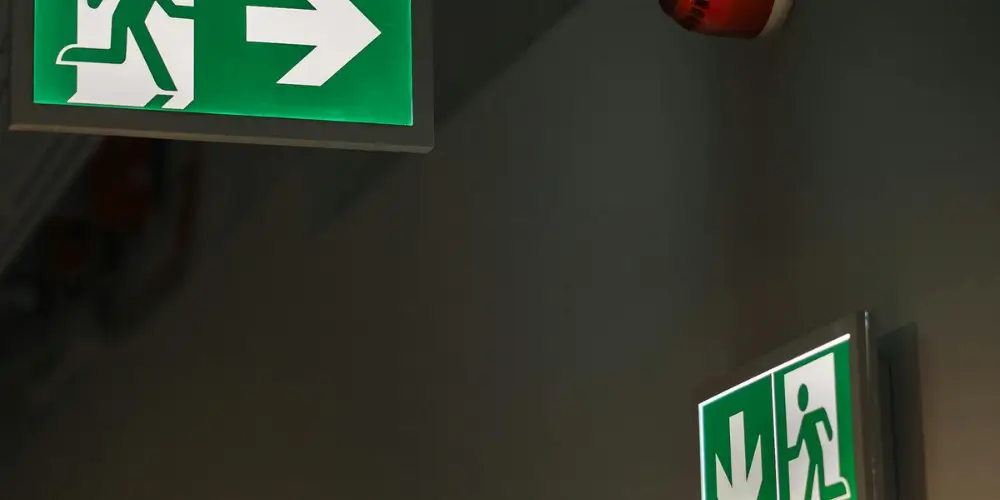
Ensuring doors close automatically in an emergency
Installing self-closing devices on fire doors is vital for guaranteeing they automatically close during an emergency, thereby preventing the spread of fire and smoke throughout a building. These devices are integral to the extensive strategy of fire risk management, which includes regular fire door maintenance, thorough emergency exit procedures, and robust occupant training programs.
You must understand that during a fire, every second counts. Self-closing doors function independently of human intervention, significantly mitigating human error and ensuring that fire and smoke compartmentation is maintained. This automatic action helps to protect escape routes and reduces the spread of fire, allowing occupants more time to evacuate safely.
Complementing the installation of self-closing devices, conduct detailed fire risk assessments to identify any vulnerabilities in your fire safety protocols, including the effectiveness and reliability of door hardware.
Regular door hardware inspections are necessary to guarantee that self-closing mechanisms remain functional and effective over time.
Guaranteeing that these elements are in place and regularly checked forms a critical part of your responsibility in fire safety management. By integrating these practices, you not only enhance the safety of your premises but also improve the well-being of your occupants.
Supporting compliance with UK fire safety laws
Beyond guaranteeing the functionality and effectiveness of self-closing devices in an emergency, installing these mechanisms is also about adhering to UK fire safety laws. You’re tasked not only with guaranteeing the safety of occupants but also with meeting specific legal requirements that dictate the use of self-closing devices on fire doors.
Regular inspections and diligent fire door maintenance are essential to comply with these standards, which are designed to prevent the spread of fire and smoke within a building.
Understanding the self-closing benefits extends beyond mere compliance. These devices help ensure that fire doors perform their function without human intervention, a crucial factor during an emergency when every second counts.
However, you’ll face compliance challenges that range from installation costs to maintaining operational efficiency. It’s important to integrate these considerations into your financial planning and operational protocols.
Investing in quality self-closing devices and factoring in their maintenance costs is necessary for long-term compliance and safety. These upfront installation costs are justified by the significant role these doors play in passive fire protection systems.
Guaranteeing these systems are regularly inspected and properly maintained mitigates the risk of non-compliance and enhances overall safety.
How do self-closing doors work?
You need to understand that self-closing fire doors operate through mechanisms, such as spring-loaded hinges or hydraulic/pneumatic door closers, that automatically initiate door closure.
These doors are configured to close in response to specific events, such as the activation of a fire alarm.
Hold-open devices, which are typically designed to keep the door open for accessibility, are engineered to release the door upon detecting a sound or electrical signal from fire alarms, ensuring that barriers are in place to hinder the spread of fire and smoke.
What mechanism triggers a fire door to close automatically?
In response to rising temperatures, a fire door’s self-closing mechanism is typically activated, guaranteeing a reliable barrier against fire and smoke. This automatic function is an indispensable component of modern fire safety technology, designed to be both reactive and preventive.
At the core of this system are thermally sensitive components, such as fusible links or bimetals, which react to specific temperature thresholds. These elements are integral to fire door mechanisms and are precisely engineered to respond when ambient temperatures reach a critical point, indicating a potential fire event.
Upon activation, these components trigger the release of a spring-loaded or hydraulic automatic closing device, which then swiftly closes the door, effectively sealing off the area to help contain the spread of both fire and smoke.
This automatic closure not only complies with stringent building regulations but also enhances smoke containment systems within the structure. The seamless integration of these devices ensures that the doors operate effectively without requiring human intervention, thereby maintaining the integrity of fire-resistant barriers.
Your understanding of these mechanisms is vital for guaranteeing that safety systems within buildings are both compliant and fully operational, thereby safeguarding property and lives against fire hazards.
How do hold-open devices respond to fire alarms?
Hold-open devices, integral to fire door systems, automatically disengage during a fire alarm, prompting the doors to close and seal off hazardous areas. You’ll find that these devices are a critical component in guaranteeing the safety and compliance of any building equipped with fire doors.
Designed to respond to specific triggers, such as the activation of a fire alarm or the detection of smoke, hold-open devices play a pivotal role in emergency protocols.
These devices are connected to the building’s fire alarm system, usually through wired or wireless means. Upon detecting the signals indicative of a fire such as heat or smoke the fire alarm system sends a command to the hold-open devices. This command initiates the release mechanism, allowing the fire doors to engage their self-closing feature.
This response is immediate, adhering to stringent safety measures and compliance standards to mitigate the spread of fire and smoke.
Moreover, the integration of these devices requires careful installation and regular maintenance to guarantee they function as intended during critical times. Regular testing forms part of these maintenance protocols to verify the reliability and efficacy of the hold-open mechanisms, guaranteeing they meet the established compliance standards and effectively contribute to the building’s overall fire safety strategy.
The benefits of self-closing fire doors
Self-closing fire doors are essential because they quickly contain fire and smoke, preventing the rapid spread of flames throughout a building.
By automatically closing, these doors enhance safety for occupants by maintaining clear escape routes and reducing exposure to harmful smoke and flames.
Additionally, installing self-closing fire doors ensures compliance with UK fire safety regulations, minimising legal risks and potentially reducing property damage during fire incidents.
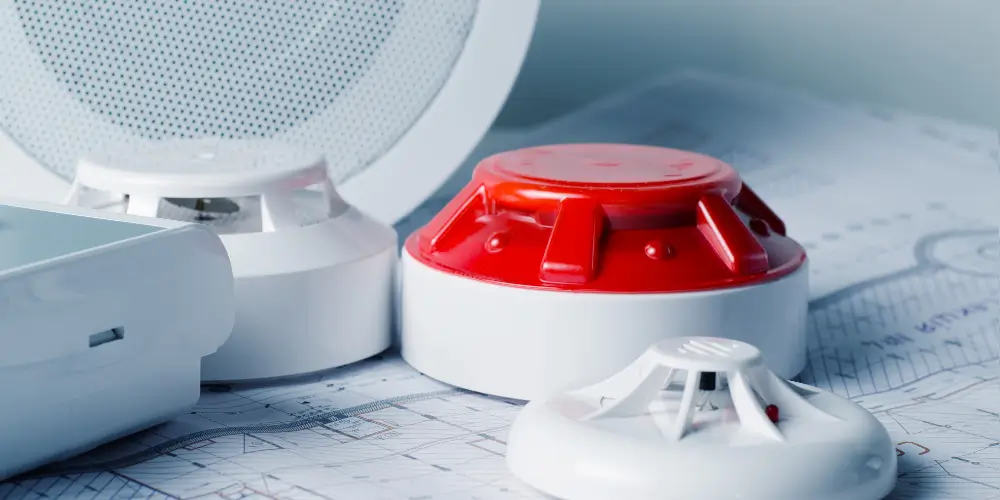
Helps contain fire and smoke quickly
Efficiently containing fire and smoke, self-closing fire doors are vital components in building safety design. By automatically shutting in the event of a fire, these doors play a crucial role in controlling the spread of fire and containing smoke, key factors in safeguarding the integrity of emergency response operations and overall building safety.
Self-closing mechanisms guarantee that doors close immediately after they are opened, which is essential during a fire when every second counts. This functionality not only impedes the fire’s progress but also significantly minimises smoke penetration into other areas, providing vital protection for occupants and allowing for safer evacuation routes.
Here’s a detailed look at the technical benefits:
| Feature | Benefit | Impact on Safety |
| Automatic Closure | Prevents fire spread | Enhances emergency response |
| Smoke Containment | Limits the smoke to the origin area | Increases occupant protection |
| Reliability | Functions independently of power | Guarantees consistent operation |
In essence, the integration of self-closing fire doors into a building’s design isn’t just a regulatory compliance issue—it’s a fundamental aspect of protective architecture, designed to deliver rapid isolation of fire and smoke, thereby upholding stringent safety standards and enhancing occupant protection.
Increases safety for building occupants
You can significantly enhance the safety of everyone in a building by installing self-closing fire doors. These specialised barriers are essential in your building’s fire safety and risk management strategy. They function to automatically close upon detection of smoke or heat, effectively compartmentalising fire and limiting the spread of smoke and toxic gases. This containment is vital not only for minimising property damage but primarily for protecting the lives of occupants.
Incorporating self-closing mechanisms into your fire doors guarantees that these critical barriers remain effective in the event of human error or negligence. Often, doors are inadvertently left open, which can significantly undermine the compartmentalisation strategy essential for occupant protection during a fire. By automating the closing process, self-closing fire doors eliminate this risk, considerably bolstering emergency preparedness and enhancing overall building safety.
Moreover, adhering strictly to building regulations regarding fire safety, self-closing doors are a vital component of a comprehensive fire protection system. These doors provide a reliable and resilient defence against the rapid spread of fire and smoke, ensuring that safety measures align with the highest standards of occupant protection and risk mitigation.
Supports legal compliance with UK fire safety law
In addition to enhancing safety, installing self-closing fire doors guarantees compliance with the Regulatory Reform (Fire Safety) Order 2005, which governs fire safety in the UK.
This legal framework requires you to manage the risk of fire on your premises by implementing appropriate safety measures. Self-closing fire doors play an essential role in this, helping to contain fires and prevent the spread of smoke.
Here are specific ways self-closing fire doors support compliance:
- Legal Implications: Failure to install such doors where required can lead to severe penalties, including fines and prosecution.
- Compliance Enforcement: Regular fire safety audits check for the presence and functionality of self-closing mechanisms on fire doors.
- Fire Safety Audits: These audits assess whether fire doors are installed in accordance with current standards and contribute to overall safety compliance.
- Risk Assessment: Properly functioning self-closing fire doors are an important factor in your fire risk assessment, influencing the mitigation strategies you must adopt.
- Regulatory Updates: Staying informed about regulatory updates ensures that your fire doors comply with new requirements, thereby avoiding potential legal complications.
Understanding and implementing these aspects won’t only enhance safety but also ensure that you’re legally protected.
Reduces property damage in fire incidents
Self-closing fire doors greatly reduce property damage during fire incidents by automatically shutting to block the spread of flames and smoke. This feature is essential for effective damage control, enhancing fire safety by compartmentalising fire, thereby limiting its potential to devastate additional areas.
You’ll find that these doors are engineered to respond to specific temperatures, activating closure upon detecting heat that surpasses a predetermined threshold. This precision plays a vital role in risk management strategies within any building structure.
The integration of self-closing mechanisms aligns with best practices for property protection. It supports emergency response efforts by maintaining clear, smoke-free evacuation pathways, which are critical for safe egress and enable firefighting teams to tackle the source of the fire more efficiently.
Furthermore, the robust construction of these doors, combined with automatic closure, considerably reduces the oxygen flow to the fire, a key factor in slowing its progression.
Investing in self-closing fire doors not only shields assets from extensive damage but also underscores a commitment to rigorous fire safety standards. By adopting such advanced safety measures, you’re taking a proactive approach towards safeguarding not just physical property but also the well-being of occupants, ultimately fortifying your premises against the unpredictable nature of fire incidents.
Different types of self-closing devices and their relevant standards
You’ll encounter various types of self-closing devices for fire doors, each adhering to specific safety standards and regulations.
Commonly, surface-mounted closers are easier to install and adjust, whereas concealed closers offer an aesthetic benefit by hiding the mechanism within the door or frame.
Both types must comply with rigorous testing standards, such as those outlined in EN 1154 or UL 10C, to ensure reliable, automatic closing during a fire emergency.

Common types of fire door closers
Fire doors utilise various types of self-closing devices to guarantee they effectively seal off a space during a fire, enhancing safety and compliance with fire safety regulations.
Understanding the different closure mechanisms is crucial for selecting the appropriate type for various fire door applications. Each device plays a crucial role in ensuring the door functions as intended, which is vital for passing compliance checks.
- Overhead Door Closers: These are the most common and are installed at the top of the door. They use a spring mechanism and hydraulic or pneumatic control to close the door smoothly.
- Jamb-mounted Closers: Integrated into the door frame, these are less visible than overhead models but require precise installation guidelines to function correctly.
- Floor-spring Closers: Mounted on the floor, these are typically used in high-traffic areas and provide a high level of control over the closing speed and force.
- Electromagnetic Closers: Connected to a building’s fire alarm system, they automatically close upon alarm activation, which is essential for maintaining compartmentalisation.
- Concealed Closers: These are hidden within the door or frame for aesthetic purposes but must adhere to strict maintenance practices to remain effective.
Each type requires specific considerations for installation, compliance, and maintenance to ensure they meet the rigorous standards required for fire safety.
Surface-mounted vs concealed closers. Now that you’ve got a handle on the common types of fire door closers, let’s focus on the distinctions and standards between surface-mounted and concealed closers.
Surface-mounted closers are externally attached to the door’s surface, making them highly accessible for adjustments and maintenance. This visibility often facilitates easier installation and troubleshooting, presenting clear advantages for environments where practicality outweighs aesthetic considerations.
Conversely, concealed closers are fitted within the door or frame, rendering them nearly invisible when the door is closed. This not only enhances the door’s aesthetic appeal by maintaining clean lines but also provides resistance to vandalism, a significant benefit in public or high-traffic areas.
However, these benefits come with more complex installation requirements and potentially higher initial costs due to the need for precise door preparation.
Both types of closers must meet specific standards, such as those outlined in the American National Standards Institute (ANSI) or the Builders Hardware Manufacturers Association (BHMA). These standards guarantee reliability in fire safety and operational durability.
When selecting between surface-mounted and concealed closers, you’ll need to weigh maintenance requirements against aesthetic preferences, always considering the regulatory compliance of each model to assure safety and functionality.
Who is responsible for installing self-closers?
As the owner or landlord of a building, you’re responsible for ensuring that all fire doors are equipped with properly installed self-closers.
Certified professionals must install these devices to ensure compliance with safety standards and regulations.
Failure to comply with these requirements can result in severe legal and financial consequences.
Landlord and building owner duties
Regarding the installation of self-closing devices on fire doors, the primary responsibility falls to landlords and building owners. As a landlord or building owner, you’re tasked with guaranteeing the safety and compliance of your properties. This includes adhering to fire safety regulations that mandate self-closing mechanisms on fire doors to prevent the spread of fire and smoke.
Your responsibilities are multifaceted and critical for tenant safety and emergency preparedness. Here’s a succinct breakdown of your core duties:
- Compliance with Local Codes: Stay updated and guarantee all fire doors meet specific local and national fire safety codes.
- Regular Maintenance: Conduct frequent checks and maintenance to guarantee that self-closers function correctly and doors close fully.
- Tenant Communication: Inform tenants about the functionality and importance of self-closing fire doors.
- Fire Safety Training: Provide training or resources on fire safety and the use of fire doors.
- Emergency Preparedness: Implement and maintain clear emergency exit strategies and signage to ensure a safe evacuation.
Understanding and implementing these measures are non-negotiable for guaranteeing the safety of your tenants and the legal compliance of your building.
This proactive approach not only enhances tenant safety but also minimises your liability in the event of a fire.
Importance of certified installation
Guaranteeing that fire doors are equipped with self-closing devices involves not just their presence but also their proper installation. You’re responsible for ensuring that this vital task is completed correctly. A certified installation by trained professionals adheres to the highest professional standards and is not merely a recommendation—it’s a necessity for safety, compliance, and functionality.
Certified installers undergo rigorous training in installation and possess in-depth knowledge of the specific requirements for various types of fire doors. This expertise assures that the self-closing mechanism functions correctly, reducing the risk of failure in an emergency.
Quality assurance plays a significant role in this process. Compliance checks are regularly conducted to guarantee ongoing adherence to safety protocols. Here’s a breakdown of key aspects you should monitor:
| Aspect | Importance |
| Certified Installer | Guarantees expert handling |
| Professional Standards | Meets legal and safety requirements |
| Compliance Checks | Verifies continuous adherence to standards |
| Installation Training | Prepares installers for diverse scenarios |
| Quality Assurance | Maintains high functionality and safety |
Don’t underestimate the importance of certified installation. It’s not just about meeting legal requirements, but also ensuring that your property and its occupants are protected against fire hazards with utmost reliability.
Are self-closing devices required in flats?
You must understand that fire door requirements for flat entrances can vary based on building regulations and local safety codes.
Specifically, in Houses in Multiple Occupation (HMOs), stringent building safety standards often mandate the installation of self-closing devices to prevent the spread of fire and smoke.
Ensuring compliance with these rules is critical for both safety and legal conformity.
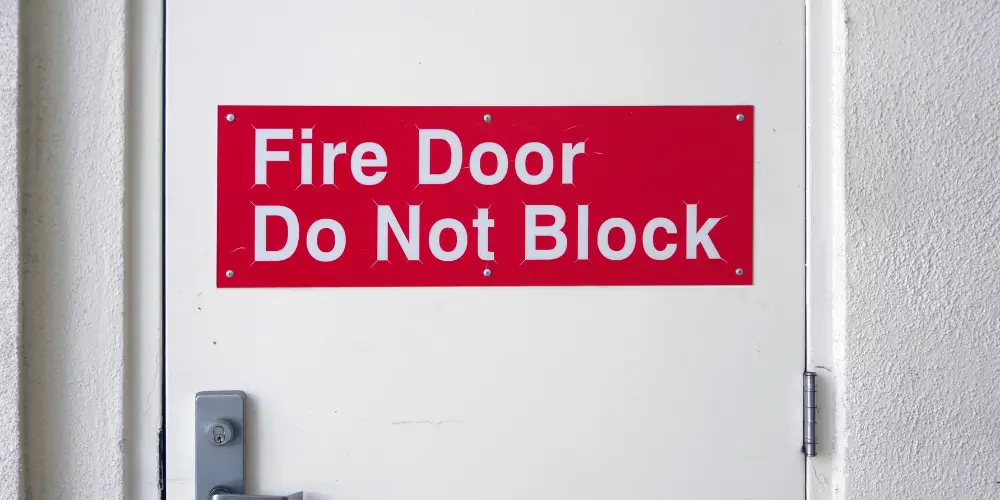
Fire door rules for flat entrances
Fire doors at flat entrances must incorporate self-closing devices to comply with building safety regulations. This requirement significantly reduces the risk of fire spreading within residential buildings, thereby safeguarding both property and lives.
Understanding the specific mandates surrounding fire door regulations is essential for guaranteeing that your flat meets the necessary safety standards. Here’s what you need to know:
- Compliance Checks: Regular inspections should be conducted to verify that self-closing mechanisms are functioning correctly. It’s your responsibility to maintain these systems in working order.
- Flat Entrance Guidelines: Every flat entrance that opens onto common areas must be fitted with a certified fire door equipped with a self-closing device.
- Self-Closing Requirements: The device must securely close the door from any angle, ensuring that the door fully latches shut on its own without requiring manual intervention.
- Residential Fire Safety: Installing self-closing fire doors at flat entrances significantly contributes to fire containment, providing critical escape times during emergencies.
- Certification Standards: Fire doors and their self-closing devices must meet specific standards and be certified by national fire safety regulations.
You mustn’t underestimate the importance of these requirements in your role as a flat owner or manager. Regular maintenance and compliance are key to meeting these stringent safety protocols.
Building safety requirements in HMOs
In HMOs (Houses in Multiple Occupation), building safety regulations strictly mandate the installation of self-closing devices on all fire doors, especially those leading to common areas. This requirement is fundamental in maintaining a high level of fire safety, ensuring that fire and smoke can’t easily spread across different sections of the property.
You must understand that these building regulations are designed to protect you, other tenants, and the property itself from the dangers of fire. Each fire door must be fitted with a self-closing mechanism that automatically closes the door after it has been opened. This mechanism plays a significant role during emergencies, providing essential minutes for evacuation and preventing the spread of fire and smoke.
As a tenant, you’re also responsible for regular hazard assessments and maintaining the functionality of these self-closing devices. It’s important to report any malfunctions or damages to these systems immediately. Ensuring these devices are operational is part of your responsibilities under the fire safety requirements.
Moreover, familiarise yourself with the emergency procedures provided by your landlord. These procedures, coupled with effective fire doors, enhance your safety and compliance with current fire safety legislation.
This proactive approach isn’t only a regulatory compliance but also a significant aspect of your safety in an HMO.
Do fire doors in schools need to self-close?
In educational buildings, fire doors must generally be self-closing to prevent the spread of fire and smoke, ensuring a safe evacuation path for students and staff.
However, you’ll find that specific high-traffic areas within schools may have allowances for hold-open devices that release upon detection of fire.
You must consult the latest fire safety codes specific to educational facilities to understand the exact requirements and exceptions.
Rules for educational buildings
Within educational buildings, such as schools, all fire doors must indeed be equipped with self-closing mechanisms to comply with fire safety regulations. This stipulation is essential not only for maintaining compartmentalisation during a fire event but also for guaranteeing the effectiveness of emergency evacuation plans.
You’re responsible for ensuring that these safety measures aren’t only implemented but also rigorously maintained.
Consider the following key aspects of fire safety in educational settings:
- Fire Safety Training: Regular training sessions are crucial for staff and students to learn how to respond effectively in the event of a fire emergency.
- Emergency Evacuation: Well-practised evacuation drills enhance the reliability of escape routes, which must remain unobstructed and accessible.
- Building Design: Architectural elements should support fire safety norms, including the strategic placement and functionality of fire doors.
- Occupant Awareness: Providing continuous education about fire risks and safety protocols enhances the overall safety culture within the institution.
- Risk Assessment: Regular assessments help identify potential fire hazards and the effectiveness of current fire safety measures, including the operation of self-closing doors.
Adhering to these guidelines ensures a safer environment for both students and staff, thereby minimising the risks associated with fire outbreaks.
Special allowances for high-traffic areas
While fire doors in educational buildings typically require self-closing mechanisms, high-traffic areas, such as main hallways and larger classrooms, may warrant special considerations. You must be aware of high-traffic solutions that balance safety compliance challenges with functional door access considerations.
In these zones, the application of advanced fire safety technology is essential. For instance, delayed egress fire doors can be implemented. These systems allow the doors to remain open under normal conditions but activate closure when a fire alarm sounds. This adaptation addresses the impact of occupant behaviour by reducing disruption during regular use while ensuring compliance during emergencies.
Moreover, integrating electromagnetic hold-open devices connected to the building’s fire alarm system offers a seamless solution. These devices release automatically, causing the doors to shut in the event of a fire, ensuring no manual intervention is needed, which is crucial in a panic situation.
You’ll need to work closely with fire safety consultants to verify that these adaptations meet local fire safety regulations. Regular audits and drills will help maintain operational integrity and familiarise occupants with the emergency protocols, reinforcing safety without compromising on accessibility in high-traffic areas.
What is the most common cause of death in a fire?
The most common cause of death in a fire is smoke inhalation, which overwhelms the body long before flames reach an individual. You mightn’t realise it, but smoke inhalation is far more lethal than the fire itself. The toxic environment created by a fire leads to a complex interplay of factors that result in fatalities.
Here are the important aspects that contribute to the danger of smoke inhalation:
- Toxic Gases: Smoke often contains carbon monoxide, hydrogen cyanide, and other harmful gases. These gases displace oxygen in your bloodstream, which can lead to rapid asphyxiation and unconsciousness.
- Reduced Oxygen Levels: Fires consume oxygen while producing smoke; as a result, the oxygen you breathe is considerably reduced, which can lead to hypoxia.
- Heat and Steam: Inhalation of hot air and steam can cause severe burns to the airways, exacerbating the difficulty in breathing.
- Visibility Issues: Smoke reduces visibility, which can disorient you and hinder your ability to find emergency exits.
- Psychological Impact: The panic and confusion caused by smoke can lead to poor decision-making, further increasing the risk of harm.
Understanding these elements is essential in designing safety protocols and emergency response plans.
When considering fire causes, the type of building materials used can greatly influence the amount of smoke produced. Additionally, effective smoke and heat detection systems, along with marked and accessible emergency exits, are vital for preventing smoke inhalation deaths.
As you delve deeper into fire safety, prioritise measures that address these fundamental concerns to enhance the survivability of occupants in the event of a fire.
Frequently Asked Questions
Can Paint or Decorations Affect the Functionality of Fire Door Self-Closers?
You might wonder how aesthetics impact safety. Indeed, paint and decorations can affect the operation of fire door self-closers. Adhering to decoration guidelines and proper maintenance tips guarantees the coating effects don’t compromise your fire safety measures.
How Often Should Self-Closing Fire Doors Be Inspected?
You should inspect self-closing fire doors annually to ensure compliance with safety regulations and standards. Utilise a detailed maintenance checklist to identify common issues, ensuring adherence to inspection frequencies for optimal safety and functionality.
Are There Exceptions to Installing Self-Closers on Fire Doors?
Yes, there are exceptions to installing self-closing devices on fire doors, depending on specific environmental conditions, regulatory standards, and building codes. You must consider these factors and safety considerations to guarantee compliance and effectiveness.
What Should Be Done if a Self-Closing Fire Door Fails to Close Properly?
If your self-closing fire door isn’t shutting properly, check the self-closing mechanism and door alignment issues first. Consider maintenance solutions or replacement options to ensure compliance with safety regulations and maintain peak performance.
How Do Environmental Factors Like Humidity and Temperature Affect Self-Closing Fire Doors?
Humidity and temperature fluctuations affect your fire doors by warping door materials and compromising seal integrity. You’ll need stringent maintenance practices to guarantee these environmental factors don’t hinder the door’s performance.
