
The cost of an Energy Performance Certificate in the UK typically ranges from about £35 to £70 for small flats, £50 to £90 for terraced or semi-detached homes, and £70 to £120 plus for larger detached houses, with non-domestic or complex buildings often costing more. Prices reflect assessor qualifications, travel, property size, layout, and heating complexity, while out-of-hours visits and access issues may incur additional fees. Standard EPCs suit most property transactions, while detailed surveys cost more for complex properties. Further information explains when extra spending is justified.
Key Takeaways
- Typical domestic EPCs cost £35–£120, depending on property size and complexity.
- Smaller flats are usually £35–£70; larger detached homes commonly £70–£120+.
- Travel distance, demand, out-of-hours visits, and access issues can add surcharges.
- More complex or non-domestic buildings, as well as highly qualified assessors, increase the fee.
- Always compare full quotes including assessor credentials, travel charges, and certificate upload.
Table of Contents
EPC Costs by Property Type (Typical Price Ranges)
Typical Energy Performance Certificate (EPC) costs vary by property type, with smaller flats often at the lower end (around £35–£70) and larger detached houses at the higher end (commonly £70–£120 or more), while non-domestic or complex buildings can attract substantially higher fees due to extra inspection time and reporting requirements. Prices reflect inspection duration, report complexity and assessor qualifications.
Cost of an Energy Performance Certificate for standard terraced houses and semi detached properties generally falls between flat and detached rates, often around £50 to £90. New builds may be cheaper if property data is readily available, whereas older or altered properties can require longer assessments. Purpose built student accommodation, HMOs and mixed use buildings typically prompt higher charges because of multiple heating systems and separate units. Commercial premises, including shops and offices, incur variable costs that depend on floor area and energy systems, while large warehouses and multi storey blocks often require specialist input. Consumers are advised to obtain itemised quotes from accredited assessors to compare scope, turnaround, and any additional reporting fees.

Location, Travel and Other Local Factors That Affect EPC Cost
After property type and complexity, geographical factors can directly impact EPC pricing. Distance from assessor bases, regional demand, and local travel costs influence call-out fees and appointment availability. Rural locations often incur higher charges due to longer travel time, while urban areas may benefit from competition and shorter journeys. Remote properties may also require weekend or out-of-hours visits, which can add to the final cost.
| Factor | Typical Effect | Why it matters |
| Distance/travel time | Higher fee | Longer assessor travel increases hourly and mileage costs |
| Regional demand | Variable fee | High-demand areas can push prices up; low-demand areas may see higher minimums |
| Access constraints | Added charge | Difficult access or parking issues extend visit duration |
| Timing (out-of-hours) | Premium | Evening/weekend visits often cost more due to limited availability |
Assessors will usually disclose travel surcharges up front; buyers should request clear quotes to compare total EPC costs.
Property Features That Push EPC Prices Up or Down
Several specific property features can materially raise or lower an EPC price because they change the time required, the inspection complexity, and the data-gathering required of the assessor. Property size and layout are primary drivers: larger homes and properties with many rooms, extensions, or unusual floor plans take longer to survey and model, increasing cost. Construction type matters; solid-wall or period buildings require more investigative work to establish fabric performance than standard cavity-wall houses.
The complexity of heating and hot-water systems, multiple boilers, underfloor heating, or hybrid renewables adds time to identify controls and efficiency. Accessibility affects price when multiple floors, lofts, basements, or properties with limited access slow inspection. Recent unrecorded works, such as loft conversions or retrofit insulation, demand extra verification. Conversely, small, modern dwellings with straightforward systems, clear documentation, and easy access reduce assessor time and consequently lower fees. Clean, well-documented properties tend to attract the most competitive EPC prices for that reason.
How Assessor Accreditation and Qualifications Change EPC Cost
Assessor accreditation and qualifications directly influence EPC cost because higher credentials signal greater training, experience, and liability, which providers recoup through higher fees. Assessors with advanced certifications, extended experience, or specialist endorsements often charge more, reflecting investment in training, ongoing professional development, and insurance.
Conversely, newly accredited assessors may offer lower rates as they build their client base. Regional availability of qualified assessors also affects pricing; in areas with few highly accredited professionals, fees can rise. Clients seeking assurance of accuracy and defensibility may be willing to pay higher fees for senior assessors. Transparent communication about accreditation levels and what they mean for report quality helps property owners make informed choices without conflating qualification with unnecessary expense.
- Respect: knowing a qualified assessor brings confidence and peace of mind
- Anxiety alleviated: professional credentials reduce fear of errors
- Assurance: advanced training suggests reliable, defensible findings
- Frustration minimised: clear credentials cut through uncertainty
- Value: higher fees can reflect long-term protection and trust
Compare EPC Quotes: What to Check and Hidden Fees to Spot
How should a property owner evaluate competing EPC quotes to ensure they get accurate service at a fair price? The owner should compare scope, assessor credentials and included deliverables rather than price alone. Quotes must state the assessor’s accreditation body, registration number and whether the fee covers a full on-site inspection plus the formal certificate upload. Confirm travel or peak-time surcharges, reinspection fees if access is restricted, and charges for amended certificates or supplementary advice.
Review turnaround time and whether electronic and hard-copy certificates are included. Watch for vague language such as “from” or “starting at” that can mask add-ons. Check cancellation and refund terms, plus VAT treatment. Avoid offers that promise unrealistic savings or guarantee arbitrary band improvements. Use multiple written quotes to spot outliers and prioritise assessors with transparent pricing and clear contact details. A concise checklist prevents surprises and affirms value without compromising assessment quality.
Practical Ways to Lower Your EPC Expense Without Cutting Corners
Cut costs on an EPC by focusing on preparation and informed choices that do not compromise the inspection itself. A property owner can reduce expenses through simple, valid steps: gather recent utility bills, prepare a clear floor plan, and guarantee safe access to lofts and meters. Booking at off-peak times or combining inspections for multiple properties with the same assessor often lowers per-unit fees. Avoid unnecessary upgrades before the assessment; the EPC reflects existing conditions. Choose accredited assessors and verify credentials to prevent re-inspection charges from poor reports. Transparency in communication about property age, heating type, and insulation avoids time-consuming surprises.
- Relief from surprise costs when documents are ready
- Confidence from choosing verified professionals
- Satisfaction in small, cost-saving preparatory actions
- Calm knowing inspections are efficient and accurate
- Pride in responsibly managing energy assessment expenses
When to Pay Extra for a Detailed Energy Report (Vs a Standard EPC)
When is it worth paying more for a detailed energy report rather than accepting a standard EPC? A detailed report becomes justified when the property is complex, older, or has non-standard construction that a standard EPC may not capture accurately. Investors seeking to maximise retrofit payback, homeowners planning multiple upgrades, and landlords who need specific compliance evidence for funding or legal requirements benefit from the extra depth.
Detailed reports provide measured data, bespoke improvement sequences, cost estimates and likely savings, which support informed decisions and stronger grant or loan applications. Conversely, for straightforward, modern dwellings or routine sales where a certificate is primarily a legal formality, the standard EPC is usually sufficient.
The incremental cost should be weighed against potential savings from targeted interventions, enhanced marketability, or meeting grant criteria. Where uncertainty about building fabric or systems exists, the detailed option reduces risk and can uncover opportunities a standard assessment might miss.
What an EPC Includes and Is It Worth the Price?
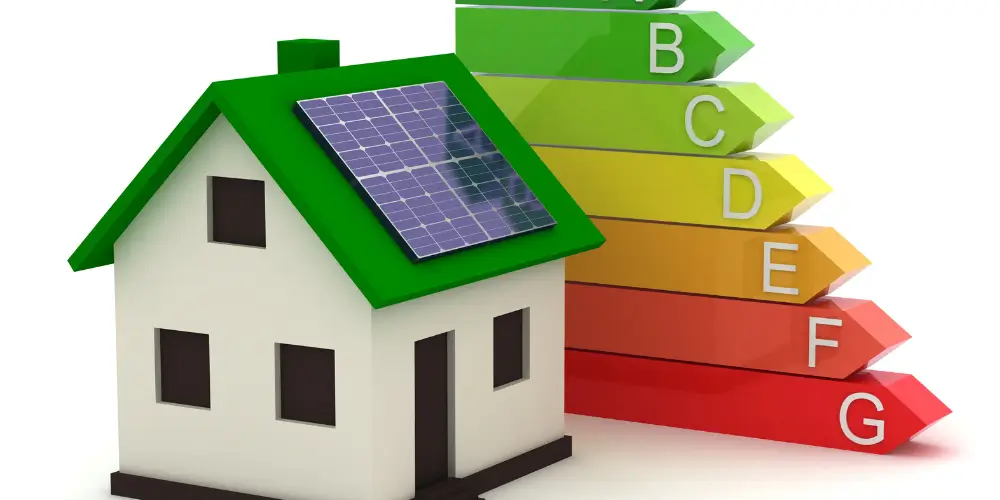
Although concise in presentation, an Energy Performance Certificate (EPC) bundles a mix of factual data and professional judgements: it records the property’s current energy rating, estimated running costs, typical CO2 emissions, and practical improvement suggestions.
The certificate summarises construction elements, heating systems, glazing, and insulation, and assigns an A–G band with numerical scores. For buyers, landlords and owners, the EPC offers a rapid, standardised snapshot to compare properties and identify cost-saving upgrades. Whether it is worth the price depends on context: for sales or lettings, it is mandatory and cost-effective; for retrofit planning, it provides a starting point but may lack depth; for complex buildings, a more detailed assessment is preferable.
The fee reflects assessor training, travel and report generation rather than predictive accuracy. Users should weigh legal necessity, the value of standardised benchmarking, and the potential savings from following recommended measures before judging cost versus benefit.
- Concern about future bills
- Relief from clearer upgrade choices
- Anxiety over poor ratings
- Hope for cost recovery
- Frustration with limited detail
Frequently Asked Questions
How Long Is an EPC Valid Before Needing Renewal?
An EPC remains valid for ten years before renewal is required. It informs potential buyers or renters about a property’s energy performance, guiding improvements and compliance, and must be replaced earlier if significant building changes alter energy characteristics.
Can a Tenant Request an EPC if the Landlord Refuses?
Yes, a tenant can request an EPC; the landlord is legally required to provide a valid certificate for most rented properties. If the landlord refuses, the tenant may report the issue to the local authority for enforcement.
Do EPCS Affect Property Sale or Mortgage Approval?
Yes. EPCs influence sales and mortgages: lenders and buyers consider ratings for valuation, marketing, and lending decisions. A poor rating can reduce buyer interest or mortgage offers; a strong certificate can enhance marketability and financing prospects.
Are Commercial and Residential EPCS Interchangeable?
No, they are not interchangeable. The responder explains that commercial and residential EPCs follow different assessment methods, criteria and accredited assessors; each property requires the specific certificate type to meet legal, valuation and lettability requirements.
Can I Dispute My EPC Rating After Inspection?
Yes. They can challenge an EPC rating by contacting the assessor, requesting a review, or appealing to the accreditation scheme. Evidence of measurement errors, incorrect property details, or omitted improvements strengthens the case; formal disputes follow scheme procedures.
Conclusion
In conclusion, the Cost of an Energy Performance Certificate in the UK varies by property type, location, features, and assessor qualifications, with potential extras for travel, detailed reports, or urgent appointments. Comparing quotes and carefully checking accreditation, inclusions, and hidden fees helps guarantee value. Practical measures such as grouping inspections, preparing the property, and opting for standard assessments where appropriate can reduce expense without compromising quality. Paying more is justified when a thorough advisory report will meaningfully guide efficiency improvements.