
Cost of an Electrical Installation Condition Report. Typical UK EICR costs depend on property size, age and location. Small domestic inspections often range from £80–£150, mid-sized houses from £120–£250, and larger or complex sites £250–£500+; urban areas and urgent appointments can raise fees. The report covers visual checks, circuit testing and defect grading (C1–C3, FI), with extra charges for retests or remedial work. Choosing a qualified electrician and providing access and records helps control costs, and further guidance explains how to compare quotes and manage expenses.
Key Takeaways
- Typical domestic EICR prices range from about £80 for small homes to £250+ for larger or complex properties.
- Costs depend on property size, number of circuits, location, age, and any hidden or historic wiring issues.
- Additional charges can include circuit tracing, PAT, remedial repairs, retests, and certificate issuance.
- Urban areas, expedited bookings, multi-unit blocks, and commercial sites usually attract higher fees.
- Reduce costs by preparing records, labelling circuits, scheduling batch inspections, and getting multiple written quotes.
Table of Contents
How Much Does an EICR Cost? Typical UK Prices and Ranges
How much does an EICR typically cost in the UK? Costs vary by property size, location and provider. A simple one-bedroom flat often falls at the lower end, while larger homes, multi-occupancy dwellings or properties with outbuildings attract higher fees. Typical ranges seen across providers place small domestic inspections at £80–£150, mid-sized houses at £120–£250, and larger or complex sites at £250–£500 or more.
Cost of an Electrical Installation Condition Report: Urban centres and high-demand regions can push rates upward; emergency or expedited appointments incur surcharges. Some electricians charge by the circuit rather than a flat rate, which affects comparisons. Landlords and businesses may secure bundled or repeat-service discounts. Quotes should specify travel, report issuance and any retest costs; transparent pricing prevents surprises. Ultimately, the market balances competitive rates with qualified inspectors’ time and compliance obligations. Prospective customers seeking autonomy should compare credentials and fixed quotes to choose an option that aligns with budget and independence.
What an EICR Includes and What That Means for Price
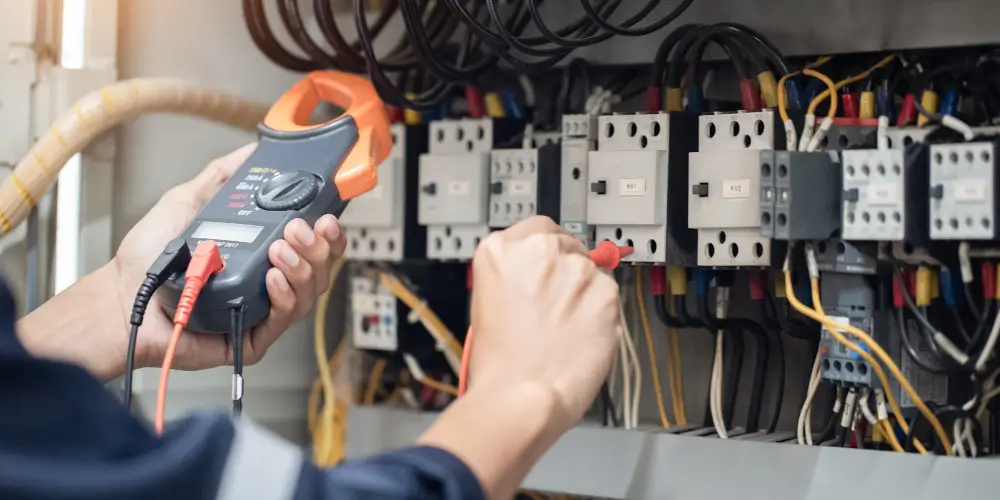
Knowing typical fees is useful, but price reflects more than time on site: the scope of an Electrical Installation Condition Report (EICR) determines the work required, the level of detail in the issued documentation, and as a result, the final cost. An EICR typically covers visual inspection, circuit testing, verification of protective devices, and identification of defects or non-compliances against BS 7671. Tests include continuity, polarity, insulation resistance, earth fault loop, and RCD operation; each adds technician time and equipment use. Read our blog post to check the detailed Process of an EICR: What Happens in EICR.
The report categorises observations (codes C1–C3, FI) and may include remedial recommendations, circuit diagrams, and a certificate. Explore EICR codes and their meanings.
Additional services, such as detailed circuit tracing, portable appliance testing, or full remedial work, increase the price. Clear reporting and compliant certification demand careful measurement and documentation; simplicity reduces cost, while thorough, action-ready reports increase it. Clients who value autonomy should specify the desired depth of the report to align expectations and control costs.
How Property Type and Size Affect EICR Costs
Because building type and scale change the number and complexity of circuits to inspect, EICR prices vary considerably between properties. Commercial premises, multi-unit blocks and large period homes commonly require more time, specialist access and more paperwork than a modest flat, so charges reflect the scope. Open-plan offices or retail units may host extensive lighting and power layouts; each circuit adds test time and report entries. Conversely, a one-bedroom flat with a simple consumer unit typically requires less labour and lower call-out fees.
Property size also influences practical costs: travel, duration on-site, and the potential need for portable equipment scale with square footage. Multi-storey or high-ceilinged buildings can require ladders, permits or additional technicians, increasing rates. Properties with multiple occupants or separate meters require separate certificate handling, which affects pricing structures. Clear scope definition up front helps owners choose efficient quotes that align with their desire for autonomy and cost control.
How Property Age and Wiring Faults Increase Costs
As buildings age, the likelihood of degraded insulation, obsolete wiring methods, and non-compliant installations increases, and these conditions extend inspection time and raise the likelihood of requiring remedial work. Older properties often contain fabric-insulated cables, knob-and-tube antecedents, or concentric wiring that require careful tracing and additional testing, thereby lengthening visits and increasing labour input. Hidden faults, such as deteriorated cable sheaths, corroded connections, and overloaded circuits, require more thorough documentation and fault-finding skills.
Period features like fused spurs, unearthly earthing arrangements or legacy consumer units can complicate compliance assessment, slowing progress and necessitating specialist judgement. Inspectors must balance safety checks with respect for original layouts, avoiding unnecessary disturbance while ensuring accuracy. For owners valuing autonomy, transparent reporting of age-related risks supports informed decisions about prioritising upgrades. Clear identification of vulnerable circuits and concise guidance on next steps help occupants plan interventions without surprise expenses or hurried choices.
Extra Costs: Retests, Repairs and Certificates
Extra charges on an EICR frequently stem from retests, remedial repairs, and the issuance of certificates, each adding distinct time-and-materials costs to the baseline inspection fee. When an initial inspection highlights non-compliances, a retest may be required after corrections; this typically incurs additional labour time and possibly travel charges. Remedial repairs range from simple fuse replacements to rewiring sections, with costs reflecting the cost of parts, skilled labour rates, and complexity. Clients seeking autonomy often opt for itemised quotes to compare interventions and choose scope. What remedials do electricians do after failing EICR?
Issuing formal certificates or duplicate documentation can attract modest administrative fees, especially when expedited service or landlord compliance packs are requested. Transparent electricians will separate inspection, repair and certificate charges so property owners can decide which actions to commission immediately and which to defer. Clear upfront breakdowns help preserve budgetary freedom while ensuring safety and regulatory compliance without unexpected financial constraints.
EICR Costs by Region: London, Cities and Countryside
When regional factors differ, EICR prices reflect variations in labour rates, travel time and local demand: inspectors in London typically charge more per hour due to higher overheads and scarce technician availability. Urban centres beyond the capital show moderate premiums where competition exists, but travel and parking still add cost. In contrast, rural and suburban areas often see lower base rates but may incur travel surcharges if the electrician must cover long distances.
Property type and density influence pricing too: multi-unit blocks and commercial premises in cities require more complex testing and documentation than single rural homes, raising fees. Weekend or short-notice appointments attract higher charges across regions. Bulk inspections for letting portfolios can secure discounts irrespective of location, though logistics differ between tight city streets and dispersed countryside sites. Overall, regional patterns shape the balance between cost, convenience and scheduling freedom for those commissioning an EICR. Check how long does an EICR check take?
Compare EICR Quotes and Choose a Qualified Electrician
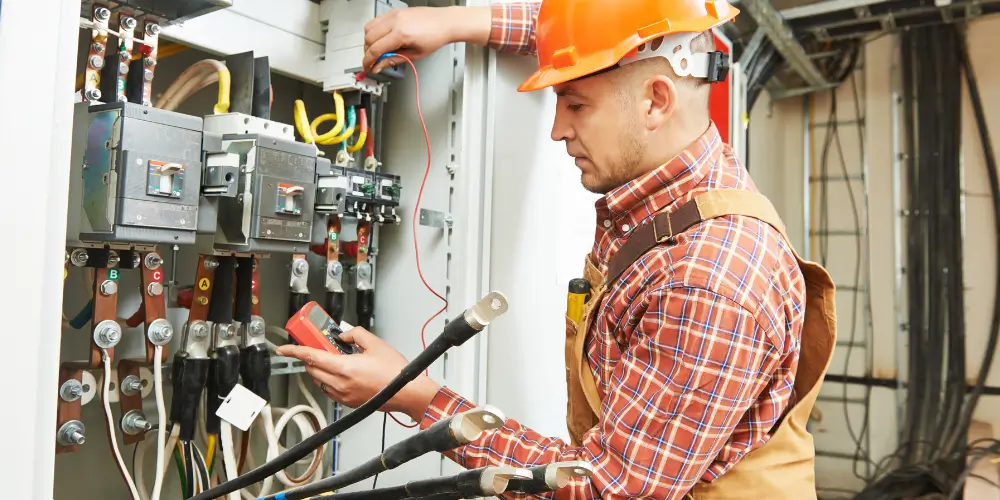
Compare multiple EICR quotes to identify consistent scope, pricing and qualifications rather than relying on the cheapest option alone. The reader should weigh the clarity of the quotation, whether it lists tests, remedial actions and timeframes, and whether the electrician confirms compliance with current BS 7671 standards. Credentials matter: look for registered members of schemes such as NICEIC, NAPIT or equivalent and evidence of public liability insurance. Transparent communication indicates respect for the client’s autonomy; clear timelines, written reports, and post-inspection support enable confident decisions. FInd out the further details on Can Any Electrician Do an EICR? Who Is Competent in the UK.
Assess experience with similar properties and request sample reports to verify thoroughness. Beware of vague estimates or unusually low prices that may omit essential checks. Balance cost with demonstrated competence and customer reviews from independent sources. A considered choice preserves safety while allowing occupants to manage their property freely, avoiding future constraints from incomplete inspections or remedial surprises.
Ways to Reduce EICR Costs Without Cutting Safety
Having selected a qualified electrician through careful comparison of quotes, the property owner can still manage costs without compromising safety by focusing on preparatory and administrative steps that reduce on-site time and remedial surprises. The owner should compile circuit labeling, recent work records, and access to keys or clear routes to consumer units to enable the engineer to work efficiently. Scheduling inspections when properties are empty or during normal working hours avoids call-out premiums. Prioritising minor fixes, tightening connections, and replacing fuses before the visit can prevent the need for larger remedial work.
Agreeing on scope and written estimates in advance limits scope creep and unexpected costs. When multiple properties are involved, batch inspections with the same contractor often attract discounts while maintaining consistent standards. Requesting clear defect grading and costed proposals for any required work enables independent comparison and phased repairs aligned to budget. These measures preserve safety, maintain compliance, and give owners control over timing and expenditure without sacrificing freedom or standards.
Frequently Asked Questions
How Long an EICR Report Remain Valid After Completion?
An EICR typically remains valid for up to five years, though frequency may vary by property use and risk; landlords or businesses may require more frequent inspections to preserve safety, compliance, and occupants’ freedom to live securely.
Can Tenants Request an EICR Independently of Landlords?
No, tenants cannot unilaterally demand an EICR. They may request one and report safety concerns to authorities or seek remedies, but arranging or mandating an inspection remains primarily the landlord’s legal responsibility.
Are Smart Home Systems Included in an EICR Assessment?
Yes. They are included when they form part of the fixed installation; the inspector assesses wired smart devices, control wiring, and integration with mains circuits, though standalone wireless devices or user-owned plugs fall outside the routine EICR scope.
Will an EICR Affect My Home Insurance Premiums?
Yes. An EICR can influence home insurance premiums: insurers may lower risk-based costs if a report shows a safe installation, or increase/deny coverage if serious faults are found, motivating swift remedial action to preserve freedom.
Do Self-Builds or Renovations Need Separate EICRS?
Yes. They typically require separate EICRs: a new self-build’s installation should be inspected on completion, and significant renovations warrant a fresh EICR to verify safety and compliance before occupation or insurance confirmation, thereby protecting the owner’s freedom.
Conclusion
To summarise, the cost of an Electrical Installation Condition Report (EICR) varies with property type, size, age, and region, and can increase if faults, repairs, or retests are needed. The report’s scope and the electrician’s qualifications influence pricing, so comparing quotes and checking credentials helps balance cost and safety. Prioritising preventive maintenance and addressing minor issues early can reduce overall expense without compromising compliance or occupant protection.