

Can You Sell a Property With an Unsatisfactory EICR? Yes, you can sell a property with an unsatisfactory Electrical Installation Condition Report (EICR). Still, you must fully disclose any known electrical defects to buyers. An unsatisfactory EICR indicates potential electrical hazards, and failing to inform potential buyers of these issues could lead to legal repercussions after the sale.
Although legal, selling with a negative EICR can greatly impact your property’s marketability and often leads to lower offers from buyers concerned about the cost of necessary repairs. Addressing these issues before the sale could enhance the property’s appeal and guarantee a smoother transaction, thereby securing a favourable position in the market. Further exploration will provide deeper insights into the potential impacts and solutions.
Key Takeaways
- Yes, you can sell a property with an unsatisfactory EICR. Still, potential buyers must be informed of all known electrical issues.
- Non-disclosure of electrical defects can lead to legal consequences, including potential lawsuits post-sale.
- Properties with unsatisfactory EICRs often require lower selling prices due to anticipated repair costs by buyers.
- Addressing EICR issues before a sale can enhance property appeal and reduce buyer negotiation leverage.
- Compliance with UK Electrical Safety Standards is crucial; an updated EICR is recommended every five years.
Table of Contents
Why is EICR Crucial When Selling Property in London?
When you’re selling property in London, an Electrical Installation Condition Report (EICR) plays a pivotal role in ensuring the safety and compliance of electrical systems.
If your EICR is unsatisfactory, it indicates potential electrical hazards that could deter buyers or affect the property’s market value.
Understanding the implications of the EICR in property transactions is essential, as it influences buyer decisions and impacts the legal and financial aspects of the sale.
What Does an Unsatisfactory EICR Mean for Homeowners?
An unsatisfactory Electrical Installation Condition Report (EICR) can greatly impact homeowners looking to sell their property in London.
As a homeowner, you must understand that this report reflects the electrical safety of your property. Failing it indicates that your electrical installations may pose risks to potential buyers. This not only affects the market perception of your property but can also lead to significant compliance implications.
You’re responsible for ensuring that your property meets certain safety standards before it goes on the market. An unsatisfactory EICR signals to buyers that they might need to undertake costly repairs, which can deter interest and reduce the property’s market value.
Additionally, potential legal consequences for non-compliance with safety regulations can complicate the selling process, making it even more challenging to finalise a sale.
As a homeowner, addressing the issues highlighted in an unsatisfactory EICR is essential. You’ll need to invest in necessary repairs to bring your property up to standard.
While this may incur upfront costs, it ultimately enhances the safety and appeal of your property, facilitating a smoother transaction and potentially higher sale price.
Prioritising these issues not only fulfils your homeowner responsibilities but also positions your property as a compliant, attractive option for buyers.
Understanding the Role of an EICR in Property Transactions
Understanding the role of an Electrical Installation Condition Report (EICR) in property transactions requires an appreciation of its legal and safety implications.
The importance of the EICR can’t be overstated, especially when selling property in regions like London, where buyer concerns about safety and compliance are paramount. This report is a critical document that evaluates the safety of electrical installations in a property.
For you as a seller, ensuring that your property meets the compliance requirements set forth by local regulations is essential. The EICR serves as proof that you have adhered to these standards, greatly influencing the buyer’s decision-making process.
Without it, potential legal complications could arise, potentially derailing the sale.
Moreover, the inspection frequency mandated by law must be observed to maintain the validity of the EICR. Typically, residential properties require this inspection every five years or with each change of occupancy.
For commercial properties, the frequency is even higher, generally every five years.
Role of Certificates in Property Sales
Understanding the impact of Electrical Installation Condition Reports (EICR) on property transactions is essential as you prepare to sell your property.
An unsatisfactory EICR can markedly deter potential buyers, as it suggests potential electrical safety risks.
How Electrical Safety Impacts Property Transactions
While you prepare to sell your property, it’s crucial to understand that electrical safety, evidenced by a valid Electrical Installation Condition Report (EICR), greatly influences the transaction process.
The EICR serves as a formal documentation of your property’s electrical system’s condition, fundamentally impacting buyer negotiations. Prospective buyers, well-informed by safety regulations and market expectations, increasingly demand these certifications to guarantee they’re not inheriting hazardous conditions that could necessitate costly electrical upgrades post-purchase.
Moreover, during property inspections, an unsatisfactory EICR can be a significant deterrent. It flags potential safety hazards and suggests a lack of maintenance, which can devalue your property and stall the sales process.
In contrast, a satisfactory EICR reassures potential buyers of the property’s compliance with current electrical safety standards, making your property more attractive and potentially increasing its market value.
Thus, confirming your property meets the latest safety regulations through accredited inspections and necessary electrical upgrades isn’t just about legal compliance; it’s a strategic move to enhance buyer confidence and facilitate smoother, more favourable transactions in a competitive market.
Building Trust with Buyers Through EICR Compliance
Nearly all prospective buyers value transparency and meticulous adherence to safety standards when considering property purchases.
As you navigate the complexities of selling your property, understanding the significant role of the Electrical Installation Condition Report (EICR) is essential. This document isn’t merely a formality; it’s a vital component in building trust with potential buyers.
The presence of a satisfactory EICR can dramatically influence buyer confidence. It assures them that the property is free from any immediate electrical hazards, thereby mitigating risks associated with outdated or faulty wiring systems.
Compliance benefits extend beyond mere safety; they enhance the property’s marketability by showcasing your commitment to maintaining high standards.
Moreover, electrical transparency through EICR fosters a deeper sense of trust. Buyers are more likely to proceed with a purchase when they perceive the seller as diligent and responsible.
The EICR implications are profound, they impact not only the transaction’s fluidity but also the property’s perceived value and desirability.
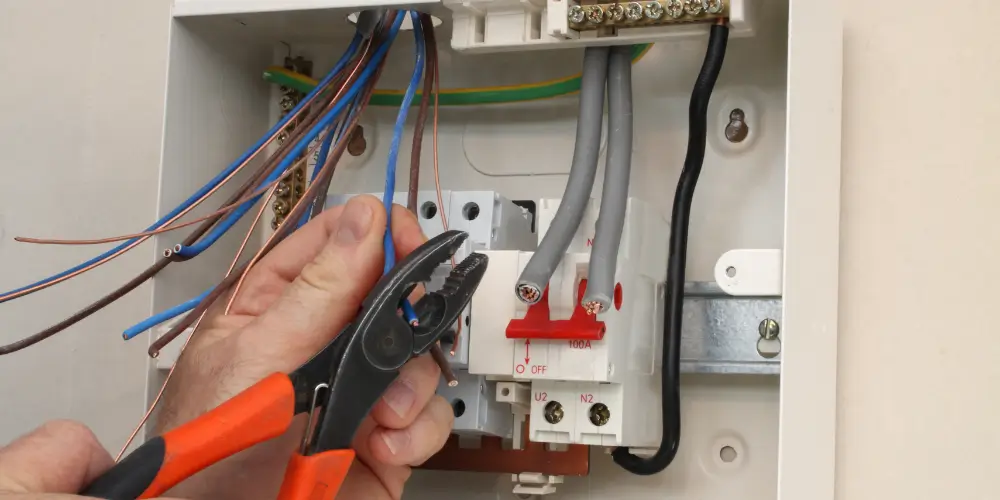
What Are the Most Common Electrical Issues Highlighted in EICRs?
When inspecting a property’s electrical integrity through an Electrical Installation Condition Report (EICR), several common issues often come to light. These issues are not just minor glitches; they represent potential electrical hazards and safety violations that can pose significant risks. As you explore these common defects, you’ll be better equipped to address them effectively.
One prevalent issue identified in EICRs is outdated or deteriorating wiring systems. These are not only more susceptible to faults but also less likely to comply with current safety standards. Over time, insulation can break down, connections may loosen, and the risk of electrical fires increases. Such wiring issues demand immediate attention to prevent possible accidents.
Further, EICRs inspection often uncover improper or inadequate circuit protections, such as outdated fuses or breakers that do not conform to today’s electrical demands. These components are vital as they protect circuits from being overloaded, which can lead to overheating and fires.
Moreover, many properties fail EICRs due to the lack of sufficient earthing and bonding, which are essential for minimising the risk of electric shock or fire. These grounding measures guarantee that any fault current is safely directed towards the ground, away from the property’s occupants.
The following table provides a clear depiction of these common issues found in EICRs:
| Common Defects | Description |
| Wiring Issues | Outdated systems and deteriorated insulations are prone to faults and non-compliance. |
| Circuit Protection | Inadequate or outdated fuses/breakers are failing to meet modern electrical load demands. |
| Earthing and Bonding | Insufficient measures increase the risks of electric shocks or fires. |
| Compliance Failures | Violations of current electrical standards and safety regulations. |
Understanding these points will guide you in mitigating these risks and confirming that your property meets legal safety standards before selling.
Impact of EICR on Property Value and Marketability
Suppose you’re attempting to sell a property with an unsatisfactory Electrical Installation Condition Report (EICR). In that case, you may face challenges related to your property’s marketability and eventual selling price.
An unsatisfactory EICR can considerably decrease your home’s appeal to potential buyers, potentially leading to lower offers or prolonged time on the market.
Addressing and resolving these electrical defects before the listing can enhance the property’s appeal and may increase its value.
Can You Sell a House with Electrical Defects?
Selling a house with electrical defects is legally permissible. Still, you must understand how an Electrical Installation Condition Report (EICR) impacts both property value and marketability. When you’re faced with electrical defects, potential buyers will likely raise concerns, which can influence property negotiations considerably.
Awareness of these defects, documented through an EICR, informs buyers about the condition of the electrical systems, potentially leading to demands for lower pricing or requests for repairs before the sale is completed.
The presence of electrical defects might deter some buyers altogether, particularly if the issues pose safety risks or require substantial investment to rectify. Buyers who are aware of the potential repair costs and the inconvenience involved might negotiate more aggressively.
This is where your understanding of the legal implications becomes essential. Under most jurisdictions, you’re obligated to disclose any known defects, including electrical issues, to prospective buyers. Failure to do so can lead to legal repercussions, including rescinding the sale or compensation claims post-purchase.
Thus, while you can sell a property with electrical defects, the process requires careful management of buyer concerns and transparent negotiation to guarantee that all parties are adequately informed and legally protected throughout the transaction.
How an Unsatisfactory EICR Can Affect Your Property’s Price
An unsatisfactory Electrical Installation Condition Report (EICR) can greatly reduce your property’s market value. Prospective buyers, aware of the potential costs and risks associated with electrical non-compliance, often recalibrate their offers to account for the necessary remedial work. This adjustment directly impacts your property valuation, frequently positioning your asset lower on the market scale compared to similar properties boasting satisfactory EICRs.
Moreover, buyer perception plays a vital role in property transactions. A negative EICR can signal neglect, raising concerns over the maintenance of other aspects of the property. This can deter investment, especially from those prioritising move-in-ready homes, and consequently narrow your buyer pool.
In competitive market trends, properties flagged with electrical issues are less desirable, pushing them further down the preference list.
Negotiation tactics also shift markedly with an unsatisfactory EICR. Buyers armed with the knowledge of electrical faults have a stronger bargaining position, often compelling sellers to make concessions that further diminish the sale price.
Maintaining electrical compliance isn’t just a regulatory requirement but a strategic element in preserving and enhancing your property’s marketability and value.
Enhancing Property Appeal by Resolving EICR Issues
Addressing unresolved issues from an unsatisfactory Electrical Installation Condition Report (EICR) can greatly enhance your property’s market appeal and value. By implementing necessary EICR repairs, you not only comply with legal requirements but also boost buyer confidence.
Resolving these issues serves as a proactive market strategy, positioning your property above competitors who may overlook the importance of electrical safety.
Electrical upgrades play a critical role in this process. Upgrading outdated systems not only guarantees compliance with current safety standards but also appeals to potential buyers who value modern and efficient homes.
These enhancements reduce the room for buyer negotiations regarding price reductions due to perceived risks or future repair costs.
Furthermore, providing prospective buyers with a current and satisfactory EICR serves as a robust safety assurance. This transparency builds trust and can expedite the selling process, as buyers are more likely to proceed with a purchase when reassured about the property’s electrical integrity.
Ultimately, investing in the resolution of EICR issues not only secures a safer environment but also strategically elevates the property’s desirability and marketability, potentially leading to a higher sale price and a smoother transaction.
Navigating EICR Regulations for London Property Sellers
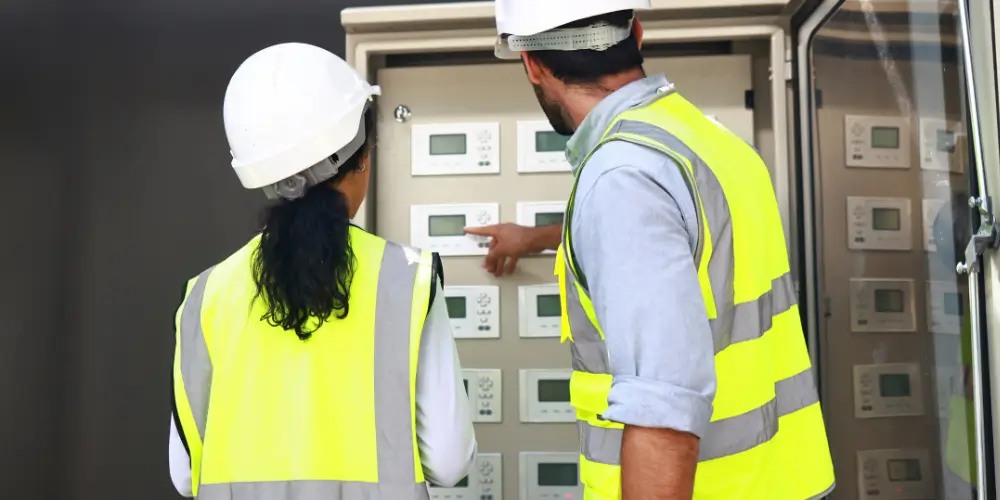
As a property seller in London, you must adhere to the UK Electrical Safety Standards, which mandate a satisfactory Electrical Installation Condition Report (EICR) before any sale can proceed.
Ensuring compliance involves hiring a qualified electrician to assess and certify your property’s electrical systems.
Failure to meet these requirements can legally impede the sale process and potentially subject you to penalties.
UK Electrical Safety Standards for Sellers
If you’re selling property in London, it’s crucial to understand that you must comply with the Electrical Safety Standards in the Private Rented Sector (England) Regulations 2020.
These regulations mandate rigorous adherence to safety protocols, guaranteeing that all electrical systems in your property are safe before handing over possession to the buyer. As a seller, you bear the responsibility for having an up-to-date Electrical Installation Condition Report (EICR) unless specific exemptions apply, such as properties that are newly built or have a recent, full electrical rewiring that complies with current standards.
You must disclose the current state of the property’s electrical systems to prospective buyers. This involves providing details on any known defects or inadequacies that the EICR has uncovered.
Should the report indicate necessary electrical upgrades, it’s your duty to either carry out these improvements or clearly communicate this necessity to the buyer, making them aware of their obligations post-purchase.
Moreover, compliance timelines are critical. The regulations stipulate that an EICR must be conducted at least every five years.
Keeping abreast of these timelines not only guarantees compliance but also enhances the property’s marketability, reflecting a commitment to safety and diligence.
Ensuring Compliance with EICR Requirements Before Sale
Guaranteeing your property meets the Electrical Installation Condition Report (EICR) requirements before selling is essential to a smooth transaction in London. Proactively addressing EICR inspections can positively influence buyer negotiations, guaranteeing they feel confident in the safety and compliance of the electrical installations.
Preparing for a sale involves more than just aesthetics; it requires adherence to stringent safety standards. Conducting the EICR is not just a regulatory formality but a critical measure to safeguard against potential legal challenges and to align with market standards. You’ll need to arrange for a qualified electrician to perform this inspection and undertake necessary electrical upgrades.
Here’s a structured approach to steering EICR regulations effectively:
| Stage | Action Step | Outcome Expected |
| Pre-Inspection | Schedule EICR with a certified expert | Identify existing faults |
| Post-Inspection | Review EICR results; plan upgrades | Enhance safety, meet legal standards |
| Pre-Sale | Finalise all electrical improvements | Optimise property value, guarantee compliance |
Addressing these elements guarantees compliance with safety regulations, enhances property value, and smoothens the shift during the sale process. This strategic approach not only aligns with legal requirements but also boosts buyer confidence.
When Is It Mandatory to Address EICR Issues Before Selling?
Most properties with electrical systems that fail to meet the Electrical Installation Condition Report (EICR) standards require rectification before sale, especially in rental properties where landlords are legally obligated to guarantee the safety of their tenants.
If you’re considering selling such a property, understanding when compliance with EICR is mandatory can greatly influence both the legal and financial aspects of your transaction.
Firstly, EICR obligations aren’t merely recommendations; they represent a vital compliance requirement in the rental market. As a landlord, you’re mandated to provide an EICR every five years.
Addressing issues identified in an EICR before selling can lead to substantial legal implications, including penalties and potential invalidation of property insurance. You must meet these compliance timelines to avoid legal fallout and secure tenant safety.
Moreover, buyer expectations are increasingly aligned with high standards of electrical safety. Prospective buyers or their solicitors will likely scrutinise the EICR status during the due diligence process.
An unsatisfactory EICR can deter buyers, affect the property’s marketability, and even reduce its value. Consequently, addressing these issues isn’t just a legal formality; it’s a strategic move in negotiation strategies, enhancing buyer confidence and smoothing the path to sale.
Ultimately, whether selling a residential or a rental property, it’s advisable to resolve any EICR issues as part of your pre-sale preparations.
Doing so not only aligns with legal mandates but also positions your property more favourably in a competitive market.
Selling Older Properties: EICR Challenges and Solutions
As you navigate the sale of an older property, you may encounter specific challenges due to the frequent failure of Electrical Installation Condition Reports (EICRs) in such buildings.
These period properties often have outdated electrical systems that don’t meet current safety standards, necessitating significant upgrades for compliance.
Addressing these issues proactively can streamline the selling process and enhance the property’s marketability.
Why Period Properties Often Fail EICRs
When dealing with period properties, it’s common to encounter issues during Electrical Installation Condition Reports (EICRs) due to the age and outdated wiring systems inherent in such buildings.
These period property challenges often result from decades or even centuries of modifications and repairs, leading to a complex maze of electrical wiring that may not meet current safety standards. Furthermore, historical compliance hurdles pose notable roadblocks. Retrofitting modern electrical systems into heritage structures must be done delicately to preserve architectural integrity, complicating the update process without breaching legal preservation stipulations.
Given these electrical wiring issues, period properties frequently exhibit wear and degradation that contribute to their failure in EICRs. The materials used in the original installations, often inferior by today’s standards, can degrade over time, increasing the risk of faults and failures.
This aspect greatly impacts renovation efforts as well, where the balance between upgrading for safety and maintaining historical characteristics can be delicate and expensive.
Finally, buyer perceptions play a vital role. Awareness of potential electrical problems can deter buyers, affecting the property’s marketability and value.
Addressing these EICR failures thoroughly is important to guarantee that the property meets legal safety standards and appeals to potential buyers.

Upgrading Electrical Systems for Compliance
Addressing the compliance of electrical systems in older properties is essential for passing Electrical Installation Condition Reports (EICRs) and ensuring a successful sale. As a homeowner, you’re responsible for overseeing these electrical upgrades, which are vital for both safety and legal compliance.
To begin, consult a certified electrician who can conduct thorough safety inspections. These assessments will determine the extent of necessary upgrades and help you understand specific homeowner responsibilities under current regulations.
It is important to address any faults that might compromise the dwelling’s safety. Electrical upgrades often involve replacing outdated wiring, enhancing circuit breaker panels, and installing modern safety devices like residual current devices (RCDs).
These improvements not only increase your property’s safety but also considerably contribute to its marketability. Be mindful of compliance timelines. Local regulations may dictate specific deadlines by which all residential properties must meet updated electrical safety standards.
Failing to adhere to these timelines can lead to legal complications and delay the sale process. Consider the installation costs as an investment in your property’s value and desirability. While initial expenses may seem intimidating, the long-term benefits of compliance ranging from enhanced safety to increased property value, far outweigh the upfront costs.
Frequently Asked Questions
How Can Tenants Affect the EICR Process When Selling a Property?
Tenant cooperation is essential; they must allow inspection access, potentially swaying the EICR. Disputes over reports and repair responsibilities may arise, yet fulfilling these legal obligations guarantees that the process aligns with statutory requirements.
What Are the Legal Consequences of Ignoring EICR Advice?
Ignoring EICR advice exposes you to legal liabilities, including compliance penalties, risks to tenant rights, and potential devaluation of your property. Maintaining safety standards is essential to upholding your legal responsibilities.
Can EICR Be Waived for Any Specific Types of Properties?
No, EICR exemptions don’t apply to property types; all must meet regulatory guidelines and safety standards, reflecting landlords’ responsibilities to guarantee electrical systems are safe and compliant without compromising safety or legal requirements.
How Long Does an EICR Inspection Typically Take?
Typically, the EICR inspection duration spans several hours, depending on property size and complexity. This thorough assessment guarantees compliance with stringent safety regulations and upholds the highest electrical standards during the EICR process.
Are There Any Tax Implications Related to EICR Remediation Costs?
You can claim EICR tax deductions for remediation costs, potentially easing property sale implications. As a landlord, understanding these tax responsibilities and exploring EICR financing options is essential to managing your financial obligations effectively.