
For live electrical fires in the UK, non‑conductive extinguishers are recommended. CO2 units and FE‑listed clean‑agent extinguishers are ideal for powered equipment because they leave no conductive residue and avoid shock risks. Multi‑purpose dry powder (A, B, C) can be used where CO2 or clean agents are unsuitable, though it leaves abrasive residue. Water and foam should be avoided on live circuits. Further sections explain selection, placement, legal duties, safe use and aftercare.
Key Takeaways
- Use Class C or labelled electrical (E) extinguishers, typically CO2, dry powder, or clean-agent types for live electrical fires.
- CO2 is preferred for electrical equipment because it’s non-residual and non-conductive, though it provides limited cooling.
- Dry powder works well outdoors and on mixed risks but leaves abrasive residue that can damage electronics.
- Clean agents are residue-free and equipment-friendly but can be costlier and have environmental constraints.
- Never use water-based extinguishers on live electrical fires; water conducts electricity and risks electrocution or fire spread.
Table of Contents
Best Extinguisher for Electrical Fires: Quick Answer
For electrical fires, a Class C-rated extinguisher or a multi-purpose extinguisher rated for A, B, and C hazards is the best choice, as it uses non-conductive agents to suppress flames without risking electrical shock. The responder will select an extinguisher that balances effectiveness, portability, and safety for electrified environments. Compact units suited to workshops, offices, and homes enable quick action while minimising interference with powered equipment. Labels and ratings should be checked to confirm suitability for live circuits; training guarantees correct aiming and distance.
Regular maintenance and visible placement preserve readiness and personal autonomy to act decisively. Inspections must follow manufacturer guidance and local regulations to keep seals intact and pressure within range. Where uncertainty exists, professional advice clarifies appropriate selection and deployment. Clear signage and accessible storage empower occupants to respond confidently, protecting property and preserving freedom of movement without escalating electrical hazards.
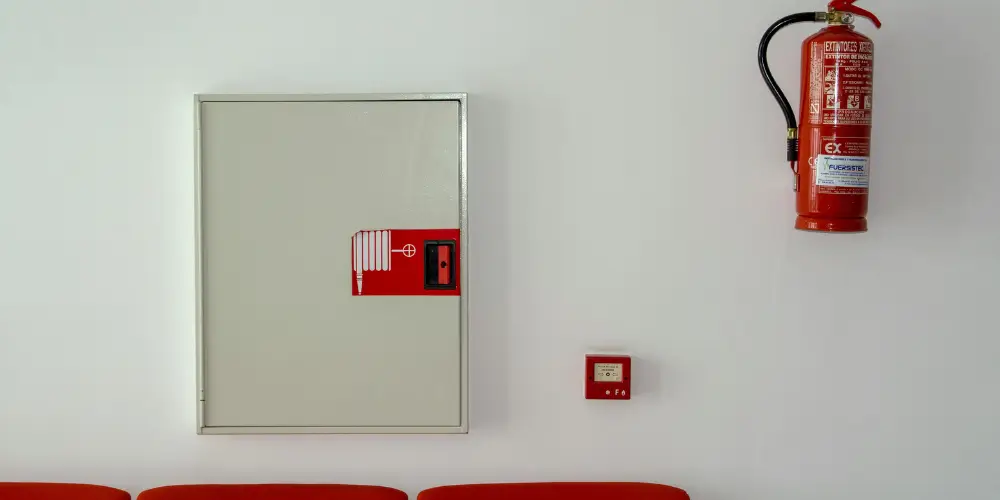
Best Extinguishers for Electrical Fires: CO2, Dry Powder & Clean Agents
When choosing between CO2, dry powder, and clean-agent extinguishers for electrical fires, responders should weigh each agent’s extinguishing mechanism, conductivity risk, and impact on equipment. CO2 displaces oxygen and leaves no residue, making it suitable for delicate electronics but offering limited cooling and a short discharge time. Dry powder interrupts chemical reactions and provides good reach; it is effective outdoors and on mixed fires but leaves abrasive, conductive residue that can hinder equipment reuse. Clean agents (fluorinated or inert gases) suppress flames without residue and with minimal conductivity risk, offering rapid knockdown and equipment-friendly cleanup, though cost and environmental concerns may apply.
- CO2: non-residual, low conductivity risk, limited cooling
- Dry powder: versatile, residue-heavy, may be conductive
- Clean agents: residue-free, equipment-safe, more expensive
- Choice depends on environment: equipment value, and freedom to select higher-spec agents
Why Water Extinguishers Are Dangerous on Live Electricals
Having compared CO2, dry powder, and clean agents for electrical fires, attention must turn to why water-based extinguishers are generally unsuitable for live electrical sources. Water conducts electricity; when applied to live equipment, it can carry current beyond the fault, creating shock hazards to operators and bystanders. Flowing or sprayed water can bridge live parts, extend arcing, and cause short circuits that worsen the fire or damage equipment irreparably.
Additionally, water may react with energised components, releasing hazardous steam or spreading conductive residues across surfaces, undermining post-incident recovery. While water excels on Class A fires involving ordinary combustibles, its physical properties make it a poor fit where freedom from electrocution risk is required. Users seeking safety and autonomy should consequently avoid water on live electrical fires and opt for extinguishers that neutralise or displace oxygen without introducing conductive pathways. Clear signage and training reinforce this safer choice.
UK Extinguisher Classes & Ratings Explained (A, B, C, E)
Fire classifications in the UK—A, B, C and the electrical designation E—define which extinguishing media are appropriate for different fuel types and scenarios. The guide presents clear, practical distinctions so individuals can choose liberatingly effective protection without unnecessary constraints. Ratings indicate suitability and performance against specific fuels and electrical hazards.
- Class A: solids such as wood, paper and textiles; water, foam and some dry powder extinguishers are effective.
- Class B: flammable liquids like petrol and oil; foam, powder and CO2 are typical choices.
- Class C: gases such as propane and butane; specialized extinguishers and isolation of supply are key.
- Electrical (E): not a class in current UK standards but commonly used to denote safe use on live electrical equipment; CO2 and some dry powder types are preferred.
Understanding these classes lets people select extinguishers that respect safety and autonomy, ensuring equipment matches likely risks without overcomplication.
Choosing Extinguisher Size & Rating for Home vs Workplace
Although risk levels and usage patterns differ between homes and workplaces, selecting extinguisher size and rating should be driven by likely fuel types, potential fire load, and the scale of spaces to be protected. For domestic settings, compact extinguishers (1–2 kg for powder or 2–3 litres for CO2) offer manoeuvrability and are adequate for small appliance and wiring fires; ratings need only cover common household A and electrical hazards.
Workplaces generally require higher capacity units (6 kg powder, 5 kg foam, or larger CO2 cylinders) with correspondingly higher performance ratings to tackle greater fuel loads and larger rooms. Employers must follow regulatory minimums and risk assessments to determine both number and placement, ensuring visibility and access. Where combustible and electrical risks coincide, multi‑rated or complementary extinguishers are sensible. Selection should balance effectiveness, portability and the user’s ability to operate the device safely, allowing occupants the freedom to respond confidently without creating additional hazards.
Safe Use Checklist: How to Fight an Electrical Fire Step‑By‑Step
A clear, sequential checklist helps a responder assess and act quickly when an electrical fire occurs. The responder confirms personal safety, isolates power if safe to do so, and uses an appropriate extinguisher (CO2 or dry powder) at a safe distance. Initiate evacuation and alarm procedures if the fire spreads or cannot be controlled.
- Verify the scene is safe disconnect mains or unplug devices only if reachable without risk.
- Select the correct extinguisher and check its inspection tag and pressure before use.
- Approach from a safe angle, aiming at the base of the fire, using short bursts while maintaining an exit route.
- If smoke or heat intensifies, withdraw immediately and call the fire service; account for others and prevent re-entry.
The checklist empowers individuals to act decisively while preserving freedom to protect property and life. It emphasises quick assessment, correct equipment choice, controlled application, and prompt escalation when necessary.

UK Legal, Placement & Maintenance Rules (Testing & Training)
Following the practical checklist for responding to electrical fires, attention turns to the statutory requirements governing extinguisher selection, siting, inspection and user training in the UK. Regulations require suitable extinguishers (typically CO2 for electrical risks), visible placement, routine checks and formal servicing by competent technicians. Records must be kept; staff should receive basic training and clear evacuation authority. This empowers occupants to act safely without undue restriction.
| Visible Placement | Regular Testing |
| Extinguishers sited near electrical equipment, clearly signed and unobstructed | Weekly visual checks by staff, documented for accountability |
| Servicing & Training | Legal Duty |
| Annual maintenance by qualified engineers; periodic user drills to build confident, lawful response | Employers must assess risks, provide equipment and training to preserve liberty and safety |
Compliance balances safety with freedom: competent provision, unobtrusive placement and honest records let people maintain autonomy while meeting legal obligations.
When to Call the Fire Service and Aftercare After an Electrical Fire
Several clear indicators should prompt an immediate call to the fire service: any uncontrolled flame, significant smoke, sparking or melting of electrical components, or when occupants are unsure they can extinguish the fire safely. Once emergency services are summoned, occupants should withdraw to a safe distance, account for everyone, and avoid re-entering the building until declared safe. After a fire is extinguished, responsible parties must follow practical aftercare to restore safety and freedom.
- Preserve the scene for investigation; do not move damaged electrical items until inspected.
- Arrange a qualified electrician to isolate and test circuits before power is restored.
- Notify insurers promptly and document damage with photos and written notes.
- Ventilate the space, remove soot and contaminated materials, and seek professional clean-up for smoke residues.
Timely reporting and professional remediation protect rights, enable recovery, and reduce future electrical risk while respecting occupants’ autonomy.
Frequently Asked Questions
Can I Use a Fire Blanket on Electrical Fires Involving Appliances?
Yes. They may use a fire blanket on small appliance electrical fires if the appliance’s power is isolated first; the blanket smothers flames, but freedom-minded users should prioritise safety, avoid risking shock, and call emergency services if unsure.
Are Battery Fires (Lithium-Ion) Treated the Same as Electrical Fires?
No battery fires, especially lithium‑ion, require different treatment: they can undergo thermal runaway and reignite. Specialised Class D or manufacturer‑recommended extinguishers, copious water cooling, and evacuation are advised rather than standard electrical methods.
Do CO2 Extinguishers Damage Electronic Equipment With Residue?
Yes. CO2 extinguishers do not leave corrosive residue, so they minimise damage to electronics; however, oxygen displacement and rapid cooling can harm sensitive components, so careful ventilation and professional inspection are recommended.
Can I Recharge a Homemade Extinguisher or Refill at Home?
No; one cannot safely recharge a homemade extinguisher or refill it at home. Regulations, pressurisation risks and chemical handling require certified service technicians. Independent action endangers others and voids legal safety compliance.
Are There Special Extinguishers for Electric Vehicle (EV) Fires?
Yes. They note that specialised agents and techniques exist for EV fires, such as high-pressure water mist, class D or foam variants, and thermal runaway strategies recommended by professionals; owners should follow manufacturer and emergency responder guidance.
Conclusion
In conclusion, for electrical fires in the UK, CO2, dry powder and approved clean‑agent extinguishers are recommended, while water types should be avoided. Selection depends on class ratings, size needs, and the environment, with workplaces subject to legal placement, maintenance, and training requirements. Users should follow a safe use checklist, prioritise evacuation and call the fire service when necessary. Aftercare includes reporting, professional inspection and replacing used extinguishers promptly.