

You’ll find that the main difference between an EICR (Electrical Installation Condition Report) and an EIC (Electrical Installation Certificate) lies in their purpose and application. An EICR is designed to evaluate the safety of existing electrical installations and highlight any necessary updates to guarantee ongoing compliance with safety standards. It’s essential to appraise the condition of electrical systems over time, especially in older buildings. On the other hand, an EIC is issued for new installations or significant modifications, certifying that they meet the required safety standards from the start. Understanding these distinctions guarantees that you’ll manage compliance effectively, with further exploration likely to give you deeper insights into each document’s specific role in maintaining electrical safety.
Key Takeaways
- EICR evaluates the safety of existing electrical installations, while EIC is for new installations or major alterations.
- EICR is a condition report requiring periodic updates; EIC is a one-time certification post-installation.
- EICR identifies potential risks and non-compliance in ongoing systems; EIC confirms compliance with safety standards at installation.
- EICR is mandatory for regular safety checks in residential and commercial properties; EIC is necessary after new electrical work is completed.
- EICR provides observations and recommendations; EIC serves as a declaration of conformity from electrical contractors.
Table of Contents
What is EICR?
You might be wondering about the purpose of an Electrical Installation Condition Report (EICR).
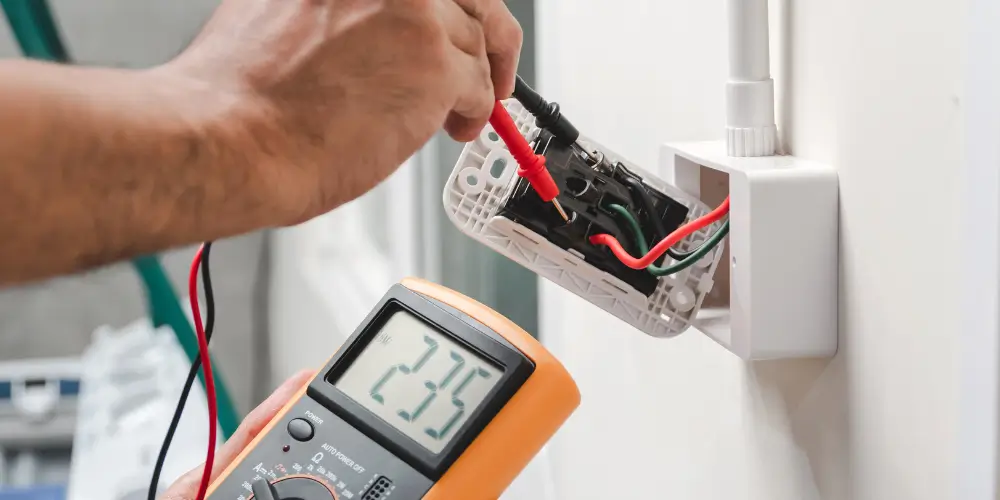
Fundamentally, it’s a formal document generated by a qualified electrician that assesses the safety of electrical installations within a property.
This report identifies any deficiencies against the national safety standard for electrical installations, helping to guarantee that all electrical systems are up to code and safe for use.
Purpose of EICR
Over time, the Electrical Installation Condition Report (EICR) has become an essential tool for evaluating the safety and compliance of electrical installations in buildings. The primary objective of EICR is to guarantee that all electrical systems and equipment are safe and meet strict regulatory standards.
An EICR assesses several critical areas: the adequacy of earthing and bonding, the suitability of the switchgear and control gear, the serviceability of switches, sockets, and light fittings, and the type of wiring system. It also tests for any wear and tear, damage, or other deterioration that could compromise safety.
The frequency of these inspections is guided by EICR frequency requirements, which dictate how often you must conduct these checks to remain compliant. Typically, this depends on the building type and usage.
The EICR inspection checklist is thorough, guaranteeing that every critical aspect is examined against EICR safety standards. This checklist is integral to the EICR reporting format, which meticulously documents any observed defects or deviations from the EICR compliance guidelines.
Adhering to these standards isn’t just about legal compliance; it’s about guaranteeing the ongoing safety and efficiency of electrical installations and safeguarding your property and everyone who uses it.
What is EIC?
You need to understand that the Electrical Installation Certificate (EIC) is an essential document.
It indicates that the electrical installations meet the specific standards of safety under national regulations.
Its primary purpose is to certify the safety and compliance of new electrical installations, including alterations and additions.
Purpose of EIC
The Electrical Installation Certificate (EIC) is vital in guaranteeing that electrical installations meet safety standards. As you explore its applications, it’s clear that its purpose extends beyond mere compliance.
The EIC is instrumental in affirming the integrity and safety of electrical systems, which is paramount in preventing hazards such as electrical fires, shocks, and other potential dangers.
Understanding the EIC’s importance helps you appreciate its benefits in both residential and commercial settings. It’s not just about meeting legal requirements; it’s about safeguarding lives and property.
The EIC implications are significant; they impact insurance policies, property values, and even business operations. For instance, without a valid EIC, it might be challenging to secure insurance coverage or sell your property at its rightful value.
Moreover, the EIC’s purpose is also to provide a documented benchmark for future inspections and maintenance. It guarantees that any modifications or repairs uphold the initial installation standards.
This certificate is, therefore, essential in maintaining a safe and functional electrical infrastructure. It’s proof of quality and compliance, vital for any electrical installation’s longevity and reliability.
Comparing EICR and EIC: Essential Differences
When comparing the Electrical Installation Condition Report (EICR) with the Electrical Installation Certificate (EIC), you must consider the differing validity periods that govern each document’s use and relevance.
Next, you’ll find that the documentation and certification processes for each are distinct; EIC typically accompanies new installations, while EICR assesses the safety of existing systems.
Validity Periods of EICR and EIC
Understanding the validity periods for both EICR and EIC is vital when planning electrical system maintenance or compliance checks. The difference in their validity duration hinges on their roles within electrical safety and compliance standards.
An Electrical Installation Condition Report (EICR) is required periodically, aligning with safety regulations that demand regular inspection to guarantee ongoing safety and functionality. In contrast, the Electrical Installation Certificate (EIC) is issued once upon the completion of a new electrical installation or when significant modifications are made.
Here are three important points concerning their validity and inspection frequency:
EICR
Validity
Typically, the validity lasts for 5 years for residential properties but can be as short as 1 year for high-risk environments like industrial sites. This variance guarantees compliance with evolving safety regulations.
EIC
Validity
The EIC doesn’t require periodic renewal; however, any subsequent major electrical work requires a new EIC, guaranteeing that each modification meets current compliance standards.
Report Renewal and Compliance
Regular renewal of the EICR, dictated by the inspection frequency, is vital for maintaining compliance and guaranteeing safety. The lack of need for renewal with an EIC places greater responsibility on initial standards adherence.
Navigating these aspects effectively guarantees the safety and compliance of your electrical installations.

Documentation and Certification Differences
Concerning documentation and certification, EICR and EIC outline distinct requirements and serve different purposes within electrical safety protocols.
EICR documentation primarily focuses on the condition of existing electrical installations, detailing compliance with current safety standards through thorough reporting. This report includes observations and recommendations for necessary improvements, ensuring ongoing safety and compliance.
On the other hand, EIC certification is issued after the completion of new electrical installations or significant alterations. Based on the detailed inspection procedures conducted it confirms that the installation meets specific safety standards from the start. EIC serves as a declaration of conformity, primarily used by contractors to certify that their work aligns with the national standards.
Both documents adhere to rigorous reporting standards yet serve different stages of electrical management. EICR is retrospective, evaluating past installations for current compliance. At the same time, EIC is proactive, ensuring new works are compliant from the outset.
Mastery of these documents’ purposes and the nuances in their creation is essential. You must understand the specific compliance guidelines each adheres to, ensuring not only the safety but also the legal compliance of electrical work.
Recognising these differences is key to maintaining standards, whether managing a building’s electrical safety or overseeing installation projects. A detailed breakdown of inspections and results is also essential.
Building on the foundational knowledge of documentation and certification differences between EIC and EICR, it’s important to explore how inspections and the resulting reports vary between these two assessments.
When you’re dealing with EIC and EICR, the nuances in testing processes and inspection frequency are essential in maintaining electrical compliance and upholding safety standards. The EIC, or Electrical Installation Certificate, is generally issued after a new electrical installation or major alteration. It guarantees that the installation adheres to stringent safety standards from the outset.
In contrast, the EICR, or Electrical Installation Condition Report, is required at regular intervals, depending on the property type, to assess ongoing compliance and safety of the electrical systems.
Here’s what you need to understand about their differences:
- Scope of Inspection: EIC covers newly installed systems, ensuring they’re up to code before they’re put into use. EICR evaluates existing systems for degradation and safety lapses over time.
- Frequency of Reports: EIC is a one-time certification post-installation. EICR is periodic and dictated by usage and environmental conditions.
- Interpretation of Results: EIC results in a straightforward compliance certification. EICR demands ongoing analysis to interpret changes and potential hazards over time.
Understanding these aspects is vital for guaranteeing long-term safety and compliance in electrical installations.
EICR and EIC: Different Reports for Different Needs
You’ll find that the situations requiring an EICR (Electrical Installation Condition Report) differ greatly from those necessitating an EIC (Electrical Installation Certificate).
Each report serves distinct purposes; the EICR assesses the safety of existing electrical installations, whereas the EIC confirms that new installations or alterations meet the required standards.
Understanding when and why to use each can greatly impact the safety and compliance of electrical systems.
Situations Requiring an EICR And EIC
Understanding when to utilise an Electrical Installation Condition Report (EICR) versus an Electrical Installation Certificate (EIC) is vital for maintaining electrical safety and compliance. Both documents serve important but distinct functions in the lifecycle of electrical installations.
EICR is essential for ongoing assessment of existing installations, emphasising the importance of regular checks to guarantee safety and compliance with evolving standards. Here are three important situations where an EICR is indispensable:
- Property Transactions: When buying or leasing a property, an EICR provides you with a snapshot of the electrical system’s condition, revealing potential risks and safeguarding your investment.
- Regulatory Compliance: For commercial properties, an EICR is mandatory at regular intervals to meet legal and insurance requirements and ensure that all installations are up to code and safe for use. Further visit: EICR regulations for commercial properties.
- Post-incident Reports: After any notable electrical fault or modification, an EICR is vital to verify that the installation continues to meet the necessary safety standards.
Conversely, an EIC is required when new electrical installations are completed, or existing ones are greatly altered. It serves as a formal declaration of the installation’s safety and compliance from the outset, a foundational document confirming adherence to standards.

How Each Report Serves Different Purposes
When addressing the distinct purposes of the Electrical Installation Condition Report (EICR) and the Electrical Installation Certificate (EIC), it’s vital to recognise how each document targets specific phases of an electrical installation’s lifecycle.
The EIC is significant when a new electrical installation is completed or when significant alterations are made. It certifies that the installation meets the required safety standards and complies with the latest wiring regulations. This document is your assurance that the electrical work is up to code at the time of its completion, serving as a baseline for future inspections.
What does an EICR report look like?
The EICR is designed to assess the safety of an existing electrical installation. This report identifies any deterioration, defects, or non-compliance that could compromise safety.
EICR benefits include ensuring ongoing compliance with electrical standards and enhancing the safety of occupants by scheduling regular inspections. This periodic review helps mitigate risks and maintain high safety standards over time.
Both documents are integral to maintaining electrical safety and compliance checks. Still, they serve different moments and needs within an installation’s lifecycle.
Understanding the importance of each helps you navigate the requirements for safety and compliance effectively.
Regulatory Requirements for Each
Both the Electrical Installation Condition Report (EICR) and the Electrical Installation Certificate (EIC) adhere to specific regulatory frameworks that guarantee safety and compliance in electrical installations. You must understand the distinct regulatory requirements that govern each to ensure your installations are not only compliant but also safe.
The EICR and EIC are essential tools in maintaining electrical safety standards. Still, they serve different purposes under the law and are regulated by different guidelines.
When you’re dealing with these documents, it’s vital to grasp not just what they are but also the regulatory environment that surrounds them. Here are three key points you should consider:
- Regulatory Changes: Both documents are subject to ongoing regulatory changes. Recently, the inspection frequency and stricter compliance standards for EICR have been emphasised, reflecting a heightened focus on safety. In contrast, the EIC must be issued for new electrical installations or major alterations, adhering to the latest wiring regulations.
- Certification Processes: The EIC confirms that an installation has been tested and meets the required standards at the time of installation. On the other hand, the EICR is an inspection report that assesses the condition of an existing installation to ascertain that it continues to conform to safety norms.
- Enforcement Agencies: Various enforcement agencies monitor compliance with the guidelines set for EIC and EICR. Non-compliance can lead to penalties, making understanding these documents’ requirements vital for any professional in the field.
Is an EICr the same as an EIC?
You might wonder if an Electrical Installation Condition Report (EICR) is the same as an Electrical Installation Certificate (EIC), given their involvement in maintaining safety standards. Despite the surface similarities, they serve distinct purposes and aren’t interchangeable, a common misconception in EICR terminology.
The EIC is an important document issued after the completion of new electrical installation work or significant alterations. It certifies that the installation meets the required safety standards. The benefits of an EIC are significant; it provides proof of compliance with regulatory standards, guaranteeing that the electrical systems are safe for use from the outset.
On the other hand, the EICR is a report, not a certificate. It’s conducted at regular intervals, dictated by the EICR frequency guidelines, to assess the condition of existing electrical installations. This process involves a thorough inspection and testing to identify any defects or deviations from the current safety standards.
The EICR process is more about ongoing maintenance than initial verification. It aims to pinpoint potential risks before they become hazardous.
Understanding these documents’ roles in the safety ecosystem is essential. An EIC lays the groundwork for a safe electrical installation. At the same time, an EICR guarantees that this safety is maintained over time. Each serves a significant function in the life cycle of electrical installations, emphasising the importance of both initial compliance and regular oversight to uphold safety standards.

Which Property Types Require an EIC or EICR?
You need to understand which property types require an Electrical Installation Condition Report (EICR) or an Electrical Installation Certificate (EIC).
For domestic properties, an EIC is typically issued after new electrical installations. At the same time, an EICR is mandatory for evaluating the condition of existing electrical systems, usually every 5 years or during tenancy changes.
In contrast, commercial properties and social housing units demand more frequent EICR checks due to higher usage and legal safety obligations.
Domestic Properties
In domestic settings, different types of properties require either an Electrical Installation Certificate (EIC) or an Electrical Installation Condition Report (EICR) to confirm compliance with safety standards. Understanding when each is necessary not only guarantees electrical safety but also aligns with legal compliance standards critical for property owners and tenants.
- Newly Built Homes or Major Renovations: Any new domestic construction or significant electrical overhaul mandates an EIC to affirm that the installation meets stringent safety protocols from the outset.
It’s your first line of defence against future electrical faults.
- Existing Residential Properties: For homes not undergoing extensive alterations, an EICR is essential at regular intervals.
This report identifies potential issues that could compromise safety.
It’s a critical component of your property’s maintenance schedules, enhancing tenant awareness and safeguarding their well-being.
- Rental Properties: Landlords are required to obtain EICRs regularly to comply with local safety regulations.
This periodic review helps preempt electrical hazards and confirms continuous protection for tenants and property alike.
Adhering to these guidelines not only fosters a safe living environment but also shields you from legal consequences.
Regular property inspections are more than a procedural formality; they’re a fundamental aspect of responsible property management.
Commercial Properties
For commercial properties, determining whether an Electrical Installation Certificate (EIC) or an Electrical Installation Condition Report (EICR) is required hinges on the specific circumstances and usage of the building.
As a property manager or owner, you must navigate these requirements adeptly to guarantee electrical compliance and uphold commercial safety standards.
Firstly, an EIC is necessary when new electrical installations are completed or when existing systems undergo significant alterations or additions. This certificate confirms that the installation complies with the current regulations and safety standards.
It’s your responsibility to guarantee these standards are met to protect your property and its occupants.
An EICR is indispensable for ongoing safety and compliance. This report evaluates the condition of existing electrical installations to identify deficiencies or potential safety risks.
The inspection frequency varies depending on the property’s usage and environmental conditions, but it typically ranges from every 1 to 5 years. Higher-risk environments require more frequent reviews.
As a tenant, you’re also responsible for understanding the terms of your lease regarding electrical safety.
Guarantee that you’re compliant with all specified requirements and engage in regular discussions with your property manager about maintaining electrical standards.
Staying proactive in these responsibilities is vital for guaranteeing the long-term safety and compliance of the commercial property.
Social Housing Units
Most social housing units require either an Electrical Installation Certificate (EIC) or an Electrical Installation Condition Report (EICR) to guarantee ongoing electrical safety and compliance. This is vital not only to meet legal obligations but also to secure the safety and well-being of tenants.
If you manage or own such properties, understanding when and why these certifications are necessary is essential.
Here’s why prioritising these requirements in social housing is non-negotiable:
- Tenant Safety: Confirming that all electrical installations are up to standard prevents potential hazards. This proactive approach considerably reduces the risk of electrical fires and accidents, which could have devastating effects on residents.
- Legal Compliance: Regular checks and certifications are mandated by law. Non-compliance can lead to severe penalties, legal actions, and a tarnished reputation. It’s not just about following rules—it’s about upholding your duty to protect those under your care.
- Maintenance Standards: EICs and EICRs help you establish a routine of diligent maintenance. They aren’t merely documents but tools that guide you in maintaining high standards across your properties, thereby preserving tenant rights and securing a safer living environment.
Frequently Asked Questions
How Often Should EICR Be Updated in Residential Properties?
For residential safety, you should update your EICR every five years. This frequency guarantees ongoing electrical inspections and maintenance, upholds landlord responsibilities, and prevents potential hazards in your living environment.
Can an Electrician Provide Both EIC and Eicr?
Yes, an electrician can provide both EIC and EICR, provided they meet the qualifications requirements. The differences between inspections are essential; EICR involves a more thorough certification process using a detailed inspection checklist.
What Are the Consequences of Not Having an Epic?
Not having an EIC exposes you to safety risks, potential financial penalties, and decreased property value. It can also lead to insurance issues, underscoring the critical implications of maintaining updated electrical compliance certificates.
Are There Any Online Tools to Help Prepare for Eicr?
EICR preparation tips, online courses, software tools, checklist templates, and assessment guidelines are essential. These resources enhance your understanding and guarantee compliance, helping you master the intricacies of EICR with precision and expertise.
Who Is Legally Responsible for Obtaining an Eicr?
As the adage goes, “Safety first,” it’s vital that you know your legal responsibilities for EICR. Landlords must guarantee compliance, safeguard tenant rights, and avoid penalties. You, as a landlord, are responsible for obtaining it.