

What happens in EICR? An EICR (Electrical Installation Condition Report) is a structured inspection and test of a property’s electrical installation to confirm it is safe and compliant. The electrician checks the consumer unit, circuits, earthing and bonding, sockets, switches and fixed wiring, then records the results in an official report.
Key Takeaways
- What happens in an EICR is split into visual checks + electrical testing, followed by an official report.
- The electrician checks the consumer unit, circuits, earthing and bonding, sockets/switches and fixed wiring for damage, overheating and unsafe alterations.
- Common tests include continuity, insulation resistance, polarity, earth fault loop impedance and RCD testing to confirm safety devices operate correctly.
- Your EICR will be marked Satisfactory or Unsatisfactory, with observation codes like C1, C2, C3 or FI explaining urgency and actions needed.
- If issues are found, you’ll receive clear next steps (remedial work / further investigation) and a recommended re-test date for compliance.
Table of Contents
Steps Involved in an EICR
If you’re searching what happen in EICR, the process is usually completed in clear stages: an initial review, a visual inspection, then electrical testing, followed by the written report and outcome codes.
Step 1: Initial Assessment (Pre-Check)
The electrician starts by confirming what needs to be inspected and checking any available electrical history. This stage helps identify high-risk areas and prevents important items being missed.
During the initial assessment, the electrician may:
- review any previous EICR (if available) and note past issues
- check the consumer unit / distribution board condition and accessibility
- confirm the property type and usage (domestic, rental, commercial)
- look for obvious signs of deterioration, damage, DIY alterations or non-compliance
- check key safety items like earthing and bonding are present and appear suitable
This stage sets a clear plan for the detailed inspection and testing.
Step 2: Detailed Visual Inspection
Next, the electrician completes a structured visual inspection of the installation to spot issues that can be identified without testing. This includes checking for damage, overheating, wear and unsafe workmanship.
A typical visual inspection covers:
- consumer unit condition, circuit labelling and signs of overheating
- sockets, switches, light fittings and fixed accessories for damage or poor fixing
- cables, trunking and conduit for damage, corrosion or poor support
- evidence of water damage near electrics (bathrooms, kitchens, leaks)
- condition of earthing/bonding connections and any obvious defects
All observations are recorded and then confirmed (where required) through testing in the next step.
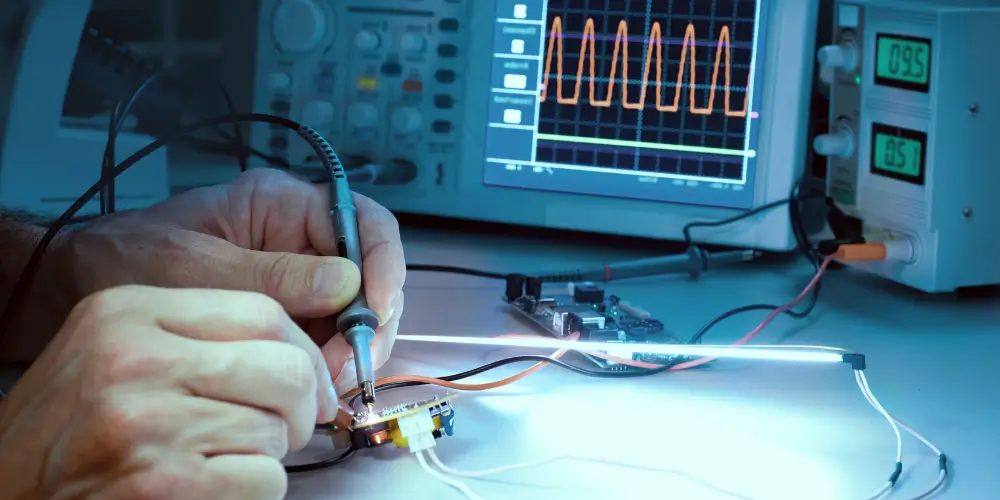
Step 3: Testing Electrical Systems
After the visual inspection, the electrician carries out electrical tests to confirm whether the installation is safe and working correctly. This is one of the most important parts of an EICR because some faults cannot be identified by sight alone.
What is tested during an EICR?
A typical EICR test may include:
- Continuity testing – checks that protective conductors (including earthing and bonding) are electrically continuous and connected correctly
- Insulation resistance testing – checks whether cable insulation is in good condition and not breaking down
- Polarity checks – confirms live and neutral are connected correctly at sockets, switches and other points
- Earth fault loop impedance tests – checks whether protective devices can disconnect quickly enough in a fault
- RCD testing – verifies that RCDs trip within the required time for safety
- Functional testing – confirms safety devices and circuits operate as intended
These tests help identify hidden defects and confirm whether the electrical installation complies with current safety standards.
Step 4: Identifying Potential Hazards
Once inspection and testing are complete, the electrician identifies any faults, safety risks, or non-compliant items found during the EICR.
This stage is where the report becomes especially valuable, because it highlights issues that could lead to electric shock, fire, or system failure if left unresolved.
Common hazards found in an EICR
Some of the most common EICR issues include:
- inadequate or missing earthing and bonding
- damaged sockets, switches, or accessories
- signs of overheating (burn marks, discolouration, melted insulation)
- loose connections or deteriorated wiring
- overloaded circuits or unsuitable protective devices
- outdated wiring systems that no longer meet modern safety expectations
- incorrect installations or poor-quality previous electrical work
Identifying these hazards early helps property owners fix problems before they become more serious and expensive.
Step 5: Documentation and EICR Report (Codes & Outcome)
After the inspection and testing, the electrician issues the Electrical Installation Condition Report (EICR). This report records the condition of the installation, lists any faults found, and explains what action is needed.
What happens in the EICR report?
The report usually includes:
- details of the property and installation inspected
- observations from the visual inspection
- test results for circuits and protective devices
- a list of defects or non-compliance issues
- classification codes showing urgency
- the final result: Satisfactory or Unsatisfactory
EICR codes explained
Faults in the report are normally categorised using these codes:
- C1 – Danger present (immediate risk, urgent action required)
- C2 – Potentially dangerous (urgent remedial work required)
- C3 – Improvement recommended (not immediately unsafe, but should be improved)
- FI – Further investigation required (more checks needed before a full conclusion can be made)
If the report contains C1, C2, or FI, the EICR is usually marked Unsatisfactory until the required work is completed.
This final stage is what gives property owners, landlords, and businesses a clear action plan for electrical safety and compliance.
Importance of Regular EICR Checks
You must emphasise the importance of regular EICR checks to guarantee compliance with safety regulations, an aspect vital for both residential and commercial properties.
Conducting these assessments effectively mitigates risks by protecting occupants and property from potential electrical hazards. Additionally, regular compliance helps avoid severe legal penalties that can arise from neglecting such important evaluations.
Ensuring Safety Compliance
A building’s safety and compliance with electrical standards are paramount, necessitating regular Electrical Installation Condition Reports (EICR). These assessments meticulously evaluate the electrical installations to ascertain that they meet the rigorous standards set forth by the latest regulations. We conduct these checks to pinpoint any deterioration or defects that could compromise safety.
The EICR process involves several essential steps. First, we review the electrical system’s history and previous inspection reports. This background information guides our assessment, helping us focus on areas that may require more attention.
Next, we perform a thorough visual inspection of the installation. This initial phase is vital as it helps identify obvious signs of wear, damage, or outdated components.
Following the visual checks, we undertake more detailed testing using specialised equipment. These tests measure earth fault loop impedance, insulation resistance, and RCD trip times, among other parameters. Each test is designed to verify that the electrical installation doesn’t pose any hazard and is capable of operating safely under normal conditions.
Protecting Property and Occupants
Regular Electrical Installation Condition Reports not only guarantee compliance with safety standards but also play a vital role in protecting both property and occupants from potential electrical hazards. By identifying deteriorations, defects, and non-compliance with current safety standards in electrical systems, these reports mitigate risks of electrical fires and shocks.
This proactive assessment prevents the occurrence of hazardous events, which could lead to considerable property damage and severe injuries to occupants.
We understand that electrical installations can degrade over time due to environmental influences and wear and tear. Regular checks confirm that these installations are continually assessed for operational integrity and safety compliance.
The inspection process must include a thorough analysis of wiring systems, protective devices, and connected apparatus to identify potentially dangerous conditions before they pose a real threat.
This vigilant approach to electrical safety through regular EICRs greatly enhances buildings’ resilience against electrical faults, safeguarding investments in property and confirming the well-being of all occupants.
Fundamentally, these periodic reviews are indispensable, acting as a primary preventive measure in maintaining safe residential and commercial environments.

Avoiding Legal Penalties
Routine Electrical Installation Condition Reports (EICRs) are critical to guaranteeing compliance with legal standards and avoiding hefty fines and legal consequences that may arise from neglected electrical safety obligations. Regular EICRs not only guarantee the safety of electrical installations but also provide a defence against potential legal claims, which could be financially debilitating.
One must understand the specific regulatory requirements that vary by location but universally demand a level of diligence that EICRs satisfy. Non-compliance can lead to severe penalties, including fines and restrictions on property use, which underscore the importance of adherence to these regulations.
To illustrate, here’s a breakdown of potential legal implications when EICRs are not conducted:
| Failure Type | Legal Consequence | Prevention Strategy |
| Outdated EICR | Fines, invalidated insurance, operational prohibitions | Schedule routine checks |
| Non-compliance | Legal penalties, cessation of business operations | Adhere to local electrical codes |
| Accident/Injury | Lawsuits, criminal charges, reputation damage | Implement continual monitoring |
Preparing for an EICR Inspection
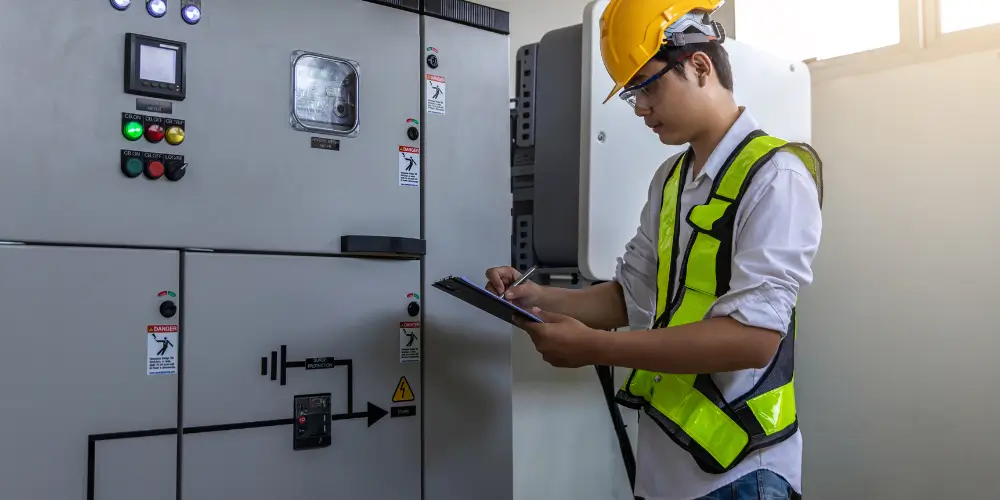
Preparing in advance helps the EICR inspection run faster, reduces disruption, and makes it easier for the electrician to complete a thorough assessment.
Whether the property is residential or commercial, a little preparation can improve access, save time, and help avoid delays.
1) Gather important documents before the visit
Before the inspection, keep any relevant electrical records ready. These documents help the electrician understand the history of the installation and identify areas that may need closer attention.
Useful documents to prepare:
- previous EICR reports (if available)
- records of electrical repairs, upgrades, or rewiring
- certificates for recent electrical work (installation or remedial work)
- circuit schedules / consumer unit labels (if available)
- manuals for major electrical systems or protective devices (where relevant)
If you do not have all documents, the inspection can still go ahead, but having them can make the process smoother.
2) Schedule the inspection at a practical time
Choose a time when the electrician can access the property safely and with minimal interruption.
For landlords and businesses in particular, good scheduling helps reduce inconvenience to tenants, staff, or day-to-day operations.
When booking an EICR, consider:
- access to all rooms and electrical points
- tenant or occupant availability
- business hours / quieter times (for commercial sites)
- any planned maintenance work happening on the same day
- deadlines for compliance or tenancy changes
2) Schedule the inspection at a practical time
An EICR requires access to electrical equipment and points around the property. If access is blocked, the inspection may take longer or require a return visit.
Before the electrician arrives, try to:
- clear access to the consumer unit / fuse board
- make sockets, switches, and key areas accessible
- unlock relevant rooms, cupboards, and service areas
- ensure someone is available to provide access (if needed)
What to Expect During the Inspection
During the inspection, the electrician checks the condition, safety, and compliance of the electrical installation using both visual checks and electrical testing.
Visual inspection
The electrician starts by checking accessible parts of the installation for visible issues, such as:
- damaged sockets or switches
- signs of overheating or wear
- poor workmanship or unsafe modifications
- outdated components that may not meet current standards
Electrical testing
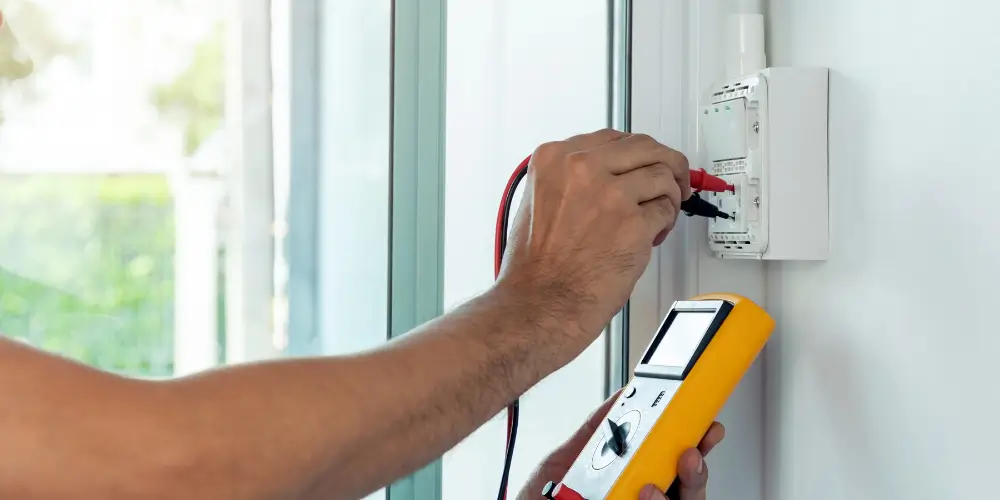
After the visual checks, the electrician carries out tests to assess the safety and performance of the circuits and protective devices. This may include:
- continuity testing
- insulation resistance testing
- polarity checks
- earth fault loop impedance testing
- RCD testing
These tests help identify hidden faults that cannot be seen during a visual inspection.
Recording findings
All observations and test results are then recorded in the EICR report, with any defects coded by severity (such as C1, C2, C3, or FI) and a final outcome of Satisfactory or Unsatisfactory.
Post-EICR Procedures and Recommendations
Once you receive the EICR report, the next step is to review the findings carefully and act on any recommended remedial work. Prompt action helps reduce electrical risks, maintain compliance, and improve the long-term safety of the installation.
It is also important to schedule follow-up inspections where required to ensure ongoing compliance and continued system safety.
Reviewing the EICR Report
After the Electrical Installation Condition Report (EICR) is completed, the findings should be reviewed in detail to confirm the condition of the electrical installation and identify any issues requiring attention.
This review should focus on:
- Code classification: Each observation is assigned a code based on severity, helping to prioritise remedial action.
- Compliance check: Findings are assessed against current electrical safety standards and regulations.
- Historical comparison: Previous reports can be reviewed to identify recurring faults or long-term issues.
- Accuracy of details: Test results, circuit references, and recorded observations should be checked for accuracy.
- Specialist input (if needed): Complex issues may require review by a qualified electrical specialist before remedial work is planned.
Implementing Recommended Repairs
Once the report has been reviewed, the recommended repairs should be carried out by a qualified electrician. Remedial work should be prioritised according to the severity of the issue and the level of risk it presents.
To help clarify the process, here’s a breakdown of typical issues and the corresponding actions:
| Common Issues Identified | Recommended Actions |
| Overloaded electrical circuits | Redistribute loads, possibly add circuits |
| Inadequate earthing and bonding | Upgrade earthing system to current standards |
| Outdated wiring systems | Replace with modern, compliant wiring |
| Faulty Residual Current Device (RCD) | Test, reset, or replace RCD units |
Each repair should be completed in line with current regulations and recorded clearly for compliance purposes. Proper documentation of remedial works also supports future inspections and helps demonstrate responsible electrical safety management.
Implementing repairs promptly improves the reliability of the installation and significantly reduces the risk of electrical faults, electric shock, or fire.
Scheduling Follow-Up Inspections
Follow-up inspections are essential for confirming that remedial works have been completed correctly and that the electrical installation remains safe over time.
It’s imperative to understand the key aspects of follow-up inspections:
- Frequency: The interval between inspections depends on the environment and usage of the premises. High-risk areas may require more frequent checks.
- Scope: Each inspection should review the effectiveness of previous remedial actions and assess new potential risks.
- Documentation: Maintaining detailed records of all inspections and outcomes guarantees a clear history of electrical safety management.
- Compliance: Regular reviews must guarantee that the installation continues to meet all current regulatory standards.
- Expertise: It is vital to utilise qualified electricians who are up-to-date with the latest standards and practices for thorough and reliable inspections.

EICR Requirements for Different Property Types
Understanding the EICR (Electrical Installation Condition Report) requirements for different property types is vital for guaranteeing safety and compliance with regulations. Each type of property, from residential to commercial and industrial, has specific needs and risks associated with its electrical systems, which the requirements must address precisely.
The emphasis is on the frequency and thoroughness of inspections for residential properties. Typically, it’s recommended that EICRs are conducted every five years for owner-occupied homes and rented properties. These intervals guarantee that the electrical installations remain safe over time, considering the wear and tear typical in residential settings.
Commercial properties, however, demand a more frequent evaluation. Given the higher foot traffic and often more complex electrical systems, we’re looking at inspections every five years. This frequency helps identify potential hazards that could disrupt business operations or pose a safety risk to the public.
Industrial properties require the most stringent EICR assessments, often every three years. The machinery and equipment used in these settings can lead to significant electrical demands and increased deterioration. The inspection focuses not only on safety but also on the efficiency of electrical installations, which is vital for maintaining operational continuity and safety standards.
In each case, the EICR must be carried out by a qualified electrician who understands the specific requirements and challenges of the property type. This guarantees that the inspection is thorough and that the report provides a reliable evaluation of the electrical safety and functionality.
Addressing Electrical Deficiencies
After identifying electrical deficiencies through an EICR, it’s essential that we promptly address these issues to guarantee compliance and safety. The structured approach involves a meticulous evaluation of each identified deficiency, followed by strategic remediation planning. This confirms that all corrective actions not only meet legal standards but also uphold the highest safety protocols.
The remediation process typically involves several key steps:
- Categorisation of Deficiencies: We classify issues based on urgency and severity. Immediate risks require urgent intervention to prevent potential hazards. At the same time, less critical deficiencies might be scheduled for later resolution under controlled conditions.
- Development of a Detailed Action Plan: This plan outlines the specific steps required to rectify each deficiency. It includes timelines, required resources, and designated responsibilities to confirm clear accountability.
- Procurement of High-Quality Materials and Tools: Superior materials and tools are fundamental for durable and reliable electrical repairs. This step involves selecting certified and appropriate equipment that meets each task’s specific requirements.
- Execution of Repairs by Qualified Personnel: Only certified electricians with relevant experience are tasked with conducting the repairs. This confirms that all work is performed to the highest professional standards.
- Post-Repair Testing and Documentation: After repairs, rigorous testing confirms that the issue is fully resolved. Documenting the repair process and outcomes is essential for future audits and compliance verification.
We understand that addressing these deficiencies isn’t just about compliance; it’s about maintaining a safe environment. Every step we take is aimed at achieving these dual objectives with precision and efficiency.
Budgeting for an EICR
When budgeting for an EICR, first contemplate the scale and complexity of your electrical systems. Larger facilities with extensive electrical networks will inherently require more resources to assess each circuit, junction, and safety device thoroughly. This directly impacts the man-hours needed, which forms a significant portion of the cost.
The frequency of inspections required by standards and regulations could influence the budget cycle. For instance, environments with high electrical load demands or aged infrastructure might necessitate more frequent checks, escalating annual costs.
Moreover, it’s essential to contemplate the qualifications and experience of the professionals conducting the EICR. Certified and seasoned electricians command higher fees, but their expertise can lead to more precise diagnostics and potentially lower long-term maintenance costs due to early identification of issues.
Lastly, we should reserve a contingency fund for immediate remedial actions following the EICR. Discoveries of non-compliance or hazardous conditions will require prompt rectification to avoid penalties and confirm safety.
Frequently Asked Questions
What happens in an EICR inspection?
During an EICR inspection, an electrician carries out a visual inspection and electrical testing of the installation. They check the consumer unit, circuits, earthing and bonding, sockets, switches and fixed wiring, then record the results in an official EICR report.
What does an electrician check during an EICR?
An electrician checks the condition and safety of the electrical installation, including the consumer unit, protective devices, wiring, sockets, switches, earthing and bonding. They also carry out tests such as continuity, insulation resistance, polarity, earth fault loop impedance and RCD testing.
Does the power go off during an EICR?
Yes, in most cases there may be short periods of power interruption during an EICR while circuits are tested. This is normal and helps confirm that protective devices and circuits are operating correctly.
What happens if an EICR is unsatisfactory?
If an EICR is marked Unsatisfactory, the report will list faults using codes such as C1, C2 or FI. Remedial work or further investigation is usually required before the installation can be considered satisfactory.
What happens after an EICR is completed?
After the inspection, you receive an EICR report showing the test results, observations, fault codes (if any), and the final outcome (Satisfactory or Unsatisfactory). If issues are found, the next step is to arrange remedial work and, where needed, a follow-up inspection.
