

What Does an EICR Consist of? An Electrical Installation Condition Report (EICR) assesses the safety and compliance of your property’s electrical installations. It includes a visual inspection for damage or deterioration in wiring, junctions, and switchgear, as well as detailed testing of circuit impedance, continuity, and insulation integrity. You’ll find meticulous evaluations of sockets, outlets, and switch functionality to identify any potential hazards, alongside checks for compliance with current electrical standards. Detailed reporting categorises defects using condition codes, guiding necessary remedial actions. With each component thoroughly examined, understanding the full scope of findings can greatly enhance your electrical system’s safety and efficiency.
Key Takeaways
- EICR involves visual inspections to assess the physical condition of electrical systems, including cables and switchgear.
- Testing and measurement checks include continuity, insulation resistance, and RCD functionality to ensure safety.
- Wiring inspections focus on verifying the integrity and sizing of electrical conductors and their connections.
- Examines the condition of sockets, outlets, and switches for safety compliance and functional integrity.
- Includes a detailed report with condition codes (C1 to C3) to prioritise necessary remedial actions based on risk levels.
Table of Contents
Purpose of an EICR
Understanding the purpose and reasons of an Electrical Installation Condition Report (EICR) is essential for maintaining the safety and compliance of your electrical systems.
Knowing how each component of the EICR contributes to evaluating the overall health and safety of your electrical installations will benefit you.
Grasping the significance of these evaluations helps you guarantee that your property adheres to legal standards and operational efficiencies.
Overview of an EICR
Evaluating the purpose of an Electrical Installation Condition Report (EICR) is essential for guaranteeing the safety and compliance of electrical installations on any property.
You might wonder what’s included in an EICR and what specifically is tested during one. An EICR assesses various elements of your property’s electrical systems to identify any defects, potential risks, or areas non-compliant with current electrical safety standards.
The purpose of an EICR is to guarantee the safety of the occupants by preventing electrical accidents. It involves a detailed examination of the power supply system, lighting, switchgear, and all connected devices.
The inspection focuses on identifying any wear and tear, deterioration, or changes that pose safety risks.
During an EICR, a qualified electrician tests the efficiency and safety of circuits and equipment. This includes checking for proper earthing and bonding, suitability of switchgear and control gear, and the integrity of connections.
They also assess the presence of any exposed live wires or potential fire hazards.
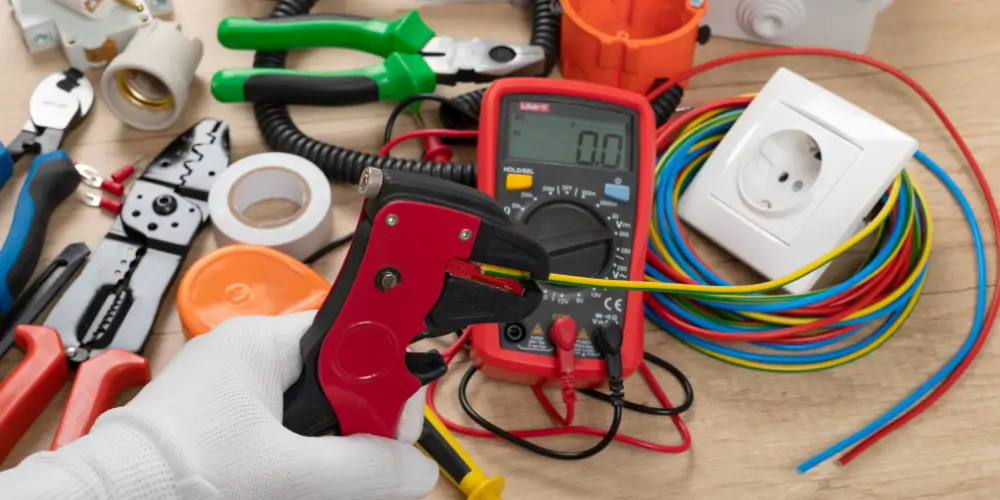
Importance of Understanding EICR Components
Frequently, property owners overlook the significance of fully grasping each component detailed in an Electrical Installation Condition Report (EICR). Yet, this understanding is vital for maintaining electrical safety and compliance.
Each part of an EICR, from circuit details to the identification of any deficiencies, provides essential insights into the electrical integrity of your property.
You need to be aware that an EICR includes several key sections: observations, recommendations, and defect coding. EICR observation codes detail specific findings during the inspection, while recommendations suggest necessary corrective actions. Defects are coded to indicate the urgency of issues found. Codes like ‘C1’ indicate a potential danger that requires immediate attention, whereas ‘C3’ suggests improvements that aren’t urgent but are recommended for safety enhancements.
Understanding these components enables you to prioritise repairs and enhancements effectively. Without this knowledge, you risk deferred maintenance, which can escalate into more significant, costlier problems or even severe safety risks.
It’s not just about compliance; it’s about ensuring that your property remains a safe environment. Therefore, it’s vital to not only receive an EICR but also actively engage with its findings.
Key Components Assessed
When evaluating the key components of an EICR, you’ll first encounter visual inspection, which is essential for identifying overt electrical hazards and the integrity of equipment.
The process then progresses to testing and measurement, where specific electrical parameters are precisely quantified to guarantee compliance with safety standards.
These steps are integral in pinpointing potential issues that aren’t immediately apparent through visual checks alone.
Visual Inspection
During the visual inspection phase of an Electrical Installation Condition Report (EICR), several key components are meticulously assessed to guarantee their safety and functionality.
Your electrician examines the condition of cables, looking for signs of deterioration, damage, or overheating. They also check for insulation integrity and confirm that there are no visible breaches that could lead to dangerous exposures.
Switchgear and control gear are next on the list. Here, the focus is on physical and mechanical damage as well as signs of electrical overheating. The expert must verify that these components can still effectively isolate and protect the electrical system. Adequate labelling, which is vital for maintenance and emergency responses, is also checked for accuracy and legibility.
Your electrician also inspects the accessibility and condition of junction boxes and enclosures. They confirm that these are securely fastened and show no signs of unauthorised openings, which could compromise the wiring integrity.
Additionally, the environment around the electrical installations is examined. This includes checking for any corrosive or damp conditions that might affect the electrical components’ performance and longevity.
Thorough inspections are essential, as they help identify potential electrical risks before detailed testing can begin.
Testing and Measurement
After completing the visual inspections, the next essential phase involves rigorous testing and measurement of the electrical installations to ascertain compliance and safety.
You’ll need to focus on several key components, each significant for guaranteeing your systems are up to standard.
Firstly, you’ll test the continuity of protective conductors, including main and supplementary bonding. This guarantees a clear path for fault currents, which is integral for preventing electric shocks. You’ll use an ohmmeter to verify that resistance levels meet the required standards, indicating effective continuity.
Insulation resistance testing is next. You’ll apply a high voltage (usually 500V DC) between the live conductors and the earth to confirm that the insulation is intact and robust enough to prevent accidental shocks or fires. Low resistance readings suggest potential hazards, like degraded insulation or moisture ingress.
For circuit impedance, you verify the conductors’ capability to carry fault currents without excessive voltage drops. This involves calculating the Zs (earth fault loop impedance) values, which are essential for the correct operation of protective devices in a fault condition.
Lastly, you’ll conduct an RCD (Residual Current Device) test to check that these safety devices trip at the correct times and currents. This will provide a significant check against electrocution or fires.
These tests, while technical, are indispensable for maintaining electrical safety and compliance.
Testing Fixed Electrical Equipment
Why should you test fixed electrical equipment? Regular testing guarantees safety, compliance with regulations, and operational reliability. When electrical equipment isn’t tested, you’re risking faults that could lead to hazardous situations or costly breakdowns.
Testing involves several key procedures. First, visual inspections are conducted to identify any overt signs of deterioration or damage. This step is essential as it can catch issues that mightn’t be evident in other tests.
Next, insulation resistance testing is performed to assess the integrity of electrical insulation. This prevents electrical shocks and fires by making certain that the current is contained within its designated pathways.
You’ll also need to conduct earth fault loop impedance testing. This test is vital to verify the effectiveness of the Earth system. It guarantees that if a fault occurs, the circuit will adequately trip, cutting off the supply and preventing further hazards.
Lastly, functionality tests are carried out. These tests check that all fixed electrical equipment operates as intended under normal conditions. It’s not just about preventing malfunctions; it’s also about making sure that every piece of equipment performs to its specifications, safeguarding your operations and the people involved.
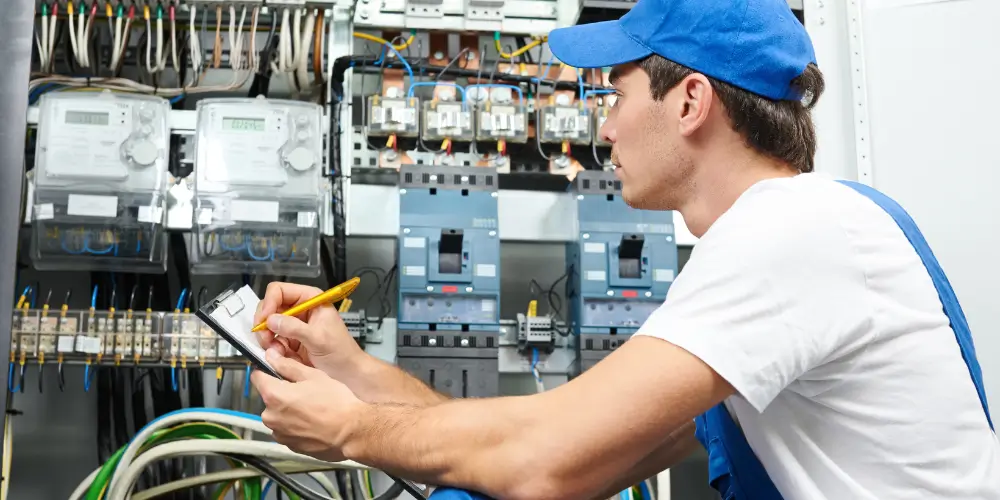
Wiring Inspections
Inspecting wiring is vital in evaluating an electrical system’s overall safety and functionality. During your inspection, you’ll need to examine the insulation integrity and conductor continuity. It’s essential to identify any signs of overheating, corrosion, or mechanical damage that could compromise the system’s efficiency and safety.
You’ll also check for adequate wire sizing. Undersized wiring can lead to overheating, while oversized wires may not be properly secured. Both scenarios pose significant risks. Evaluating the cable routing and connections guarantees they meet the required standards and regulations. Proper cable support and protection against environmental factors are key aspects that you should analyse carefully.
Another important element is verifying colour coding. Correct colour coding is imperative for identification and future maintenance. Incorrect coding can lead to confusion and potential hazards during subsequent modifications or repairs.
Lastly, you’ll examine the wiring to ensure compliance with current electrical codes. This includes reviewing the installation methods and confirming there are no unauthorised or outdated wiring practices that could affect the system’s reliability or lead to failures.
Each of these steps requires meticulous attention to detail and a deep understanding of electrical standards to guarantee the system’s safety and functionality.
Safety Evaluations for Switches
Building on the thorough examination of wiring, safety evaluations for switches are the next step in guaranteeing the electrical system’s integrity and compliance. As you explore this phase, you’ll focus on several critical aspects that determine the operational safety and efficiency of your switches.
Firstly, the physical condition of each switch is assessed. You’re looking for any signs of damage, such as cracks, burns, or discolouration, that could indicate overheating or electrical faults. It’s crucial to verify that the switch mechanism operates smoothly without sticking or resistance, which might suggest internal issues.
Next, the electrical functionality is tested. This involves measuring the resistance of the switch contacts to confirm they haven’t deteriorated over time. High resistance can lead to excessive heat build-up and eventual failure.
You’ll also check for proper grounding and the integrity of connections to prevent potential electric shocks or fire hazards.
Lastly, you’ll evaluate the switch’s compliance with current electrical standards and regulations. This step guarantees that the installations are up-to-date and capable of handling expected loads safely. Each switch must consistently perform under these standards to pass the safety evaluation effectively.
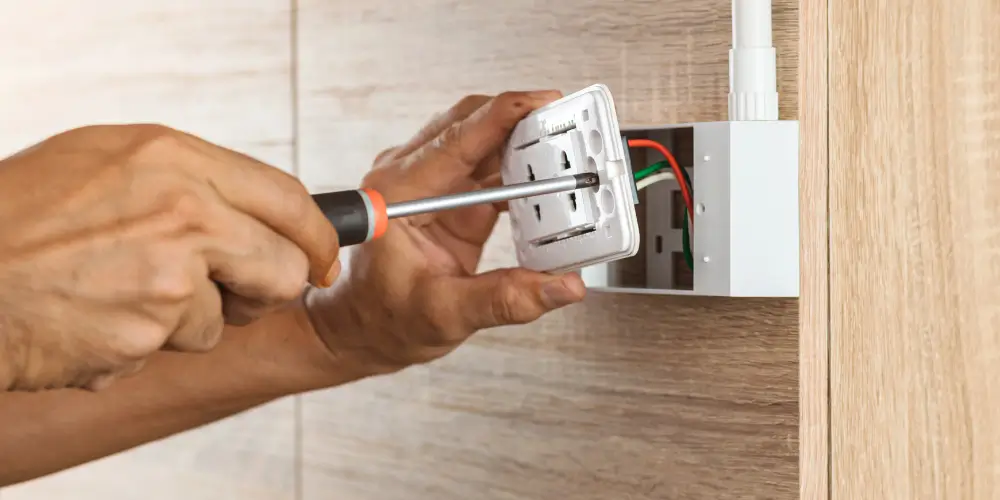
Condition of Sockets and Outlets
When examining the condition of sockets and outlets in an EICR, it’s essential to identify common defects and record them meticulously.
Each defect is classified using specific condition codes, which help in evaluating the urgency of remedial actions.
You’ll need to understand what each code implies and the recommended steps to rectify any issues identified.
Common Defects and How They Are Recorded
Several common defects in the condition of sockets and outlets can compromise the safety and functionality of your electrical system.
First, you might encounter loose connections, where the socket isn’t securely attached to the wall or the internal wiring isn’t tightly connected. This can lead to arcing, overheating, and potentially fire hazards.
You’ll also want to look out for signs of wear and tear, such as cracks or damage to the socket casing, which exposed live parts and create a risk of electric shock.
Another issue is outdated or non-compliant sockets that don’t meet current safety standards. These may lack essential features like shutters that prevent foreign objects from being inserted, increasing the risk of accidental shocks.
Additionally, socket overloading is a critical defect. It occurs when you plug too many devices into a single outlet, which can exceed the circuit capacity and lead to overheating.
Each of these defects is meticulously recorded during an Electrical Installation Condition Report (EICR).
The electrician will note the location and specific nature of each fault, using technical descriptions that accurately convey the severity and potential risks.
This precise documentation helps prioritise repairs and ensure compliance with safety regulations.
Condition Codes for Sockets and Outlets
When evaluating the condition of sockets and outlets during an EICR, electricians apply specific condition codes to describe the urgency of any identified defects.
These codes are essential as they help you understand the severity and potential risk factors associated with each fault.
The first code, C1, indicates that danger exists and requires immediate attention. If you see this, it means there’s a risk of injury or that the defect could lead to a severe safety hazard without prompt intervention.
It’s a red flag that something’s seriously wrong.
Next, C2 is used when a potential danger is identified. It’s less immediate than C1, but you shouldn’t ignore it. This condition suggests that if left unaddressed, the issue could become considerably more dangerous.
Lastly, code C3 is assigned to sockets and outlets that don’t comply with current safety standards but aren’t immediately dangerous.
It’s advisable to rectify a C3 situation, although it’s not urgent. This code often indicates that while there’s no immediate hazard, improvements are recommended to enhance overall safety.
Understanding these codes helps you prioritise repairs and maintenance, ensuring that all electrical installations remain safe and functional.
Recommended Remedial Actions
Upon discovering a condition code during an EICR, specific remedial actions are recommended to address the safety and functionality of your sockets and outlets. This guarantees that any potential hazards are promptly mitigated and your electrical system remains reliable.
Here’s what you’ll typically need to do:
Replace Damaged
Sockets
If your inspection identifies any sockets that are cracked, burnt, or otherwise physically compromised, they should be replaced immediately. This prevents the risks of electric shocks or fire hazards due to exposed wires or inadequate contact.
Upgrade Outdated Hardware
It is vital to upgrade sockets and outlets that no longer meet current safety standards or are incompatible with your devices to modern, safer models. This includes sockets with integrated USB ports, shutters, and enhanced grip features.
Rewire If
Necessary
Should the EICR reveal any signs of faulty wiring connected to your sockets—such as discolouration from overheating, frayed wires, or loose connections—rewiring the affected areas is essential. This not only rectifies immediate safety concerns.
Light Fittings and Fixtures
During an Electrical Installation Condition Report (EICR), it’s important to assess the condition of light fittings and fixtures and guarantee that they meet current safety standards.
You’ll need to check each fixture for signs of damage, such as cracks, loose connections, or evidence of overheating. It’s significant to verify that all fixtures are correctly mounted and securely fastened, as loose fittings can lead to accidents or electrical failures.
You should also confirm that the wiring to each light fixture is intact and shows no signs of fraying or corrosion. Pay special attention to the insulation around wires; deterioration can expose wiring, increasing the risk of short circuits and fire hazards.
Test the continuity of the grounding connections, as these are essential for preventing electric shock.
Additionally, assess the compatibility of light bulbs with their respective fixtures. Using bulbs that exceed the recommended wattage can cause excessive heat buildup, leading to damage or potential fire risks.
Make sure that energy-saving bulbs like LEDs are appropriately rated for the fixture to avoid compatibility issues that could affect performance or safety.

Final Assessment and Reporting
After completing your inspection of the electrical installations, you must compile a thorough report that details your findings and provides clear recommendations.
This document isn’t just a formality; it’s a critical tool to guarantee safety and compliance with current electrical standards. The report should be precise, analytical, and detail-oriented, enabling any reviewing technician or engineer to understand the condition of the electrical systems and any actions required.
Here’s what your report should include:
- Observations and Classifications: Detail every observation made during the inspection. Classify them based on the level of risk they pose—from Code C1 (danger present) to Code C3 (improvement recommended). This categorisation helps prioritise the necessary actions.
- Recommendations for Remedial Actions: For every issue identified, you must provide specific, actionable recommendations. These should be clear and concise, guiding how to rectify faults effectively and efficiently to meet the required safety standards.
- Summary and Sign-off: Conclude with a summary of the electrical system’s overall condition. Include a sign-off section where you, as the inspector, affirm the accuracy and completeness of the information reported.
Guarantee your report isn’t only thorough but also meticulously crafted to facilitate informed decisions and actions.
Frequently Asked Questions
How Often Should an EICR Be Updated for a Residential Property?
Imagine staying safe in your home; that’s why you’ll need to update your EICR every five years. This guarantees your electrical systems meet current safety standards, preventing potential hazards. Stay vigilant, stay safe.
Are There Different Types of EICRS for Commercial Versus Residential Properties?
Yes, there are different types of EICRs for commercial versus residential properties. Commercial EICRs often require more extensive checks due to higher power usage and complex systems compared to residential setups.
What Qualifications Should an Electrician Have to Conduct an Eicr?
To guarantee quality, you’ll want an electrician with a sparkling array of qualifications: they must be NICEIC approved, possess a Level 3 NVQ in Electrotechnical Services, and have extensive experience in electrical inspection and testing.
Can a Homeowner Conduct an EICR on Their Own?
You can’t conduct an EICR on your own unless you’re a qualified electrician. It requires specific knowledge and certifications to guarantee safety and compliance with electrical standards and regulations. Better to hire a professional.
What Are the Typical Consequences of Ignoring EICR Recommendations?
Ignoring EICR recommendations, you’re playing with fire. You risk electrical hazards, legal issues, and potential insurance invalidation. Guarantee compliance to avoid safety breaches and costly future repairs. It’s not just advice; it’s essential.