

What Are Fire Doors Made of? Fire doors are built using a variety of materials to guarantee they withstand high temperatures and prevent the spread of fire and smoke. You’ll find them constructed primarily from solid timber, mineral wool, gypsum, or composites that merge these materials with steel or fiber glass for added durability and lighter weight. These doors often incorporate intumescent strips made from silicone or graphite-based compounds, which expand under heat to seal gaps and block the passage of fire. Choosing the right fire door depends on specific safety requirements and building regulations. By exploring further, you’ll understand how these different materials contribute to a fire door’s effectiveness and cost-efficiency.
Key Takeaways
- Fire doors are typically constructed using materials like solid timber, mineral wool, gypsum, and composites.
- Timber cores, often made from hardwood or particleboard, strike a balance between cost and performance.
- Mineral wool cores are utilised for their excellent insulation and non-combustibility.
- Gypsum cores help in fire control by releasing steam when heated.
- Composite cores combine materials such as gypsum, steel, and fibreglass for enhanced performance and lighter weight.
Table of Contents
What Materials are Fire Doors Made of?
You’ll find that modern fire doors are constructed using various core materials, each chosen for its fire-resistance properties.
In the UK, the selection of these materials is critical not only for ensuring compliance with safety regulations but also for enhancing the door’s ability to withstand fire.
Understanding how these materials contribute to fire resistance can help you make informed decisions about installing fire doors in your projects.
Core materials used in modern fire doors
In the UK, various core materials are used in modern fire doors to enhance their fire-resistant capabilities. As you navigate through the complexities of fire door regulations and safety compliance, it’s essential to understand that the choice of core material isn’t arbitrary but rooted in stringent certification processes and material advancements.
Predominantly, fire doors are constructed with cores of solid timber, mineral wool, or gypsum. These materials are selected for their ability to withstand high temperatures and maintain structural integrity in the event of a fire. Timber cores, often comprising hardwood or particleboard, are favoured for their balance of cost and performance.
Mineral wool, renowned for its excellent insulation properties and non-combustibility, provides enhanced protection by slowing the spread of both flames and smoke. Gypsum cores add a layer of fire resistance due to their composition, which includes water molecules that, when heated, release as steam, thereby helping to control the spread of fire.
Adherence to installation standards and regular fire door inspections guarantees that these materials perform as expected in critical situations. Ongoing maintenance practices are imperative to preserve the door’s integrity over time, supporting the overall framework of fire safety and protection measures in building design.
Why does the material choice affect fire resistance?
Understanding why the choice of material is central to the fire resistance of doors helps you appreciate the engineering behind safety features in building design. Each material’s properties directly influence how it responds to high temperatures and flames. Materials like steel, which boasts excellent thermal insulation, and gypsum, known for its fire-resistive qualities, are favoured in fire door construction due to their ability to withstand intense heat for prolonged periods.
The selection of materials isn’t arbitrary but guided by stringent testing standards and construction regulations. These standards ensure that the materials used not only meet minimum fire ratings but also comply with durability factors, environmental impact considerations, and maintenance requirements.
For instance, materials are subjected to fire endurance tests to measure their ability to maintain structural integrity and insulation under fire conditions.
Furthermore, the integration of these materials must also reflect an understanding of thermal expansion and conductivity. Engineers and designers must consider how materials interact under fire conditions, avoiding those that might warp or degrade, which could compromise the door’s effectiveness.
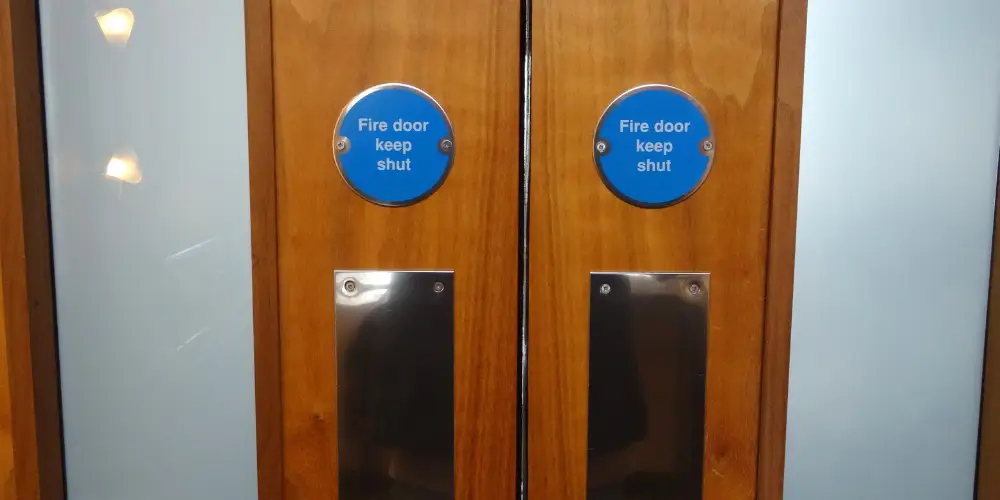
Types of Fire Door Cores Explained
As you explore fire door cores, you’ll encounter mainly two types: solid timber and composite cores.
Each core type has distinct advantages and disadvantages, impacting their suitability for different environments and safety requirements.
Understanding these differences is crucial for selecting the ideal fire door for your specific needs.
Solid timber core vs composite core
Comparing solid timber core and composite core fire doors reveals notable differences in their construction and performance.
Solid timber, known for its robust structural integrity, offers excellent fire safety by resisting the spread of flames and heat. This material enhances door performance through its natural density, contributing considerably to thermal resistance. However, you’ll find that solid timber cores can be challenging regarding installation methods due to their weight and the precision required in fitting.
On the other hand, doors with composite cores utilise a blend of composite materials, crafted to meet specific fire safety standards while optimising cost. These cores often combine materials such as gypsum, steel, and fibreglass, which contribute to a lighter door, thereby easing installation processes.
Composite cores are engineered to provide a balanced performance, maintaining structural integrity at potentially lower cost points compared to solid timber.
In your cost comparison, consider that while initial expenditures for composite doors might be lower, the long-term benefits and durability of solid timber could offset initial savings.
As you weigh your options, remember that both types offer commendable fire safety, but their suitability might vary depending on the specific requirements of your building project.
Pros and cons of different core types
Over time, fire door core types have evolved to meet diverse safety and performance standards, each offering distinct advantages and drawbacks.
Let’s explore deeper into the specifics to help you make well-informed decisions.
Starting with solid timber cores, you’ll find exceptional thermal insulation properties that enhance fire door performance by maintaining integrity at high temperatures. However, the durability of the core material can vary depending on the type of wood and treatments applied.
Regarding acoustic ratings, timber generally provides superior sound damping, which is vital in multi-use buildings.
Composite cores, often made from a combination of materials such as steel, gypsum, or fibreglass, excel in environmental impact assessments. These materials are typically more sustainable and less prone to warping under extreme conditions than traditional wood.
They also meet rigorous installation standards, but can be challenging regarding aesthetic considerations since they mightn’t offer the warm, natural appearance of wood.
Each core type requires a specific maintenance regime. Timber cores may need more frequent inspections for moisture damage, while composite cores are often praised for their low maintenance requirements.
Understanding these pros and cons ensures you’re equipped to prioritise features such as fire door performance, installation standards, and aesthetic considerations according to your project’s specific needs.
What is a Composite Fire Door?
A composite fire door is constructed using multiple layers of fire-rated materials, enhancing its structural integrity and resistance to fire.
You’ll find that these doors leverage the benefits of engineered cores, which can greatly improve thermal insulation and sound reduction.
This layered approach not only bolsters safety but also extends the door’s lifespan under extreme conditions.
Layers of fire-rated materials
Within composite fire doors, multiple layers of fire-resistant materials are strategically combined to enhance safety and durability. These materials, integral to fire door construction, are selected based on their insulation properties and ability to with stand high temperatures. Each layer is designed to fulfil a specific role in enhancing the overall fire door performance.
The core often consists of materials such as mineral wool or reinforced gypsum, known for their excellent thermal resistance. Surrounding the core, layers of fire-rated materials, such as intumescent strips, expand when exposed to heat, sealing the gap between the door and frame and thereby preventing the spread of both flames and smoke.
Manufacturing processes play an essential role in the effectiveness of these doors. The layers are bonded under high pressure and temperature to ensure a cohesive unit that adheres to stringent durability testing standards.
Design considerations also include the thickness of each layer, which is optimised for maximum protection without compromising functionality.
Every component of a composite fire door is subject to rigorous regulatory compliance to meet safety standards. These standards confirm that each door provides a reliable barrier against fire, aligning with the latest advancements in fire safety technology.
Benefits of engineered fire door cores
Building on the layers of fire-resistant materials discussed earlier, engineered fire door cores represent a vital advancement in fire door technology. These cores are meticulously designed to enhance fire door durability and comply rigorously with fire safety regulations. By integrating the benefits of composite materials into their construction, these cores offer superior performance over traditional materials in several key areas.
First, the engineered core advantages include improved structural integrity. Through structural integrity analysis, it’s clear that these doors withstand extreme conditions better, maintaining their shape and function in high-temperature environments. Fire resistance testing further validates their capability to block the spread of flames and smoke, providing essential time for evacuation.
Moreover, you’ll find that these doors excel in terms of insulation properties. The unique composition of the cores provides better heat resistance, noticeably slowing the transfer of heat. This aspect is vital in preventing fire escalation and protecting life and property.
Lastly, a cost-effectiveness evaluation reveals that although the initial investment may be higher, the longevity and reduced maintenance of engineered cores ultimately provide long-term savings. These doors aren’t only a financially wise choice but also a resilient and reliable component of building safety strategies.
Which Type of Fire Door is the Most Fire-Resistant?
When evaluating fire doors, you’ll find that steel fire doors often provide superior fire resistance.
They’re engineered to withstand extreme temperatures and slow the spread of flames and smoke.
Key factors affecting their performance include the thickness of the steel and the quality of the insulation materials used.
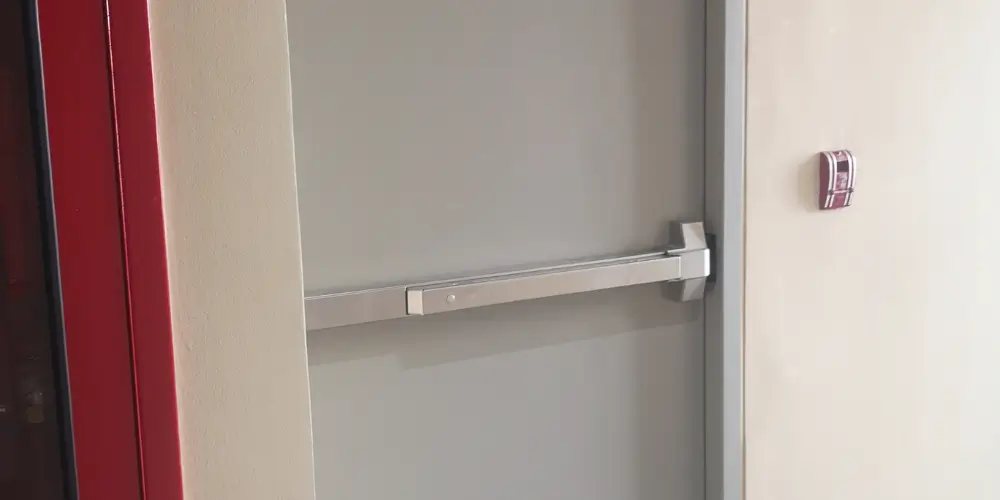
Steel Fire Doors:
Steel fire doors stand out as the most fire-resistant option in the domain of fire safety solutions. When you’re considering fire doors, understanding the specifics of steel models is essential. They offer superior protection compared to wooden doors, primarily due to their robust construction and resistance to high temperatures.
Here’s a detailed look:
Advantages:
- Durability: Steel doors are highly durable and offer extended protection against fire, often rated for higher time limits, such as 60 to 120 minutes.
- Regulations Compliance: They meet stringent fire safety regulations, ensuring compliance with legal safety standards.
- Aesthetics: Modern steel doors are available in a variety of finishes and styles, allowing for aesthetic considerations without compromising safety.
Disadvantages:
- Cost: Generally, you’ll find that steel fire doors are more expensive upfront compared to wood.
- Weight: Heavier, making installation more challenging and potentially increasing labour costs.
- Maintenance: Requires regular inspections and potential adjustments to maintain integrity and functionality.
- Installation and Maintenance: Professional installation is recommended to guarantee peak performance and compliance with safety regulations.
- Maintenance: Regular maintenance is less cumbersome than you might expect, usually involving checks for integrity and functionality.
In your quest for fire safety, weighing these factors guarantees that you make an informed decision tailored to your needs.
Factors that influence the fire resistance level
When selecting the most fire-resistant door, it’s essential to consider various factors that significantly impact its effectiveness. Understanding the materials, design, and compliance with safety standards guarantees that the door you select not only meets but exceeds the required fire resistance performance.
Fire doors undergo rigorous fire resistance testing to determine how well they can withstand fire exposure while maintaining structural integrity. Building codes dictate specific requirements that these doors must meet, which often include maintaining functionality in extreme conditions for a designated period. Insulation materials are essential as they help prevent the transfer of heat and restrict the spread of smoke, thereby enhancing the door’s overall effectiveness.
Temperature ratings indicate the maximum heat the doors can resist before failure. This rating is pivotal because it must align with the potential fire scenarios of the building. Additionally, smoke control features are crucial for safety, as they help preserve life by preventing toxic smoke from spreading.
Here’s a concise comparison of key attributes:
| Factor | Description | Impact |
| Insulation Materials | Type and quality used | Enhances fire resistance |
| Temperature Ratings | Maximum heat resistance | Determines the failure threshold |
| Building Codes | Compliance level | Guarantees safety and usability |
| Structural Integrity | Strength during a fire | Prevents early collapse |
| Smoke Control | Ability to seal the smoke out | Increases evacuation time |
Which Type of Fire Door is the Most Affordable?
When considering the affordability of fire doors, you’ll find that wooden-based composite fire doors often present the most cost-effective option.
The price of a fire door is influenced by factors such as the materials used, certification levels, and manufacturing complexities.
Understanding these elements will help you identify which fire door meets both your safety requirements and budget constraints.
Wooden-based Composite Fire Doors:
Wood-based composite fire doors offer an economical alternative in the domain of fire-resistant entry solutions.
These doors integrate the inherent durability of wood with modern composite materials, enhancing both fire resistance and safety standards. You’ll find that they not only meet regulatory requirements but also provide a cost-effective approach without sacrificing quality.
Here’s why you should consider wood-based composite fire doors:
- Optimised Fire Resistance: These doors are constructed using a core of fire-resistant materials, such as gypsum or vermiculite, mixed with wood fibres. This combination considerably enhances the door’s ability to withstand fire, adhering to stringent safety standards.
- Superior Acoustic Properties: The dense composition of composite materials offers excellent sound insulation. This makes them ideal for installations in noisy environments, such as schools, hospitals, and commercial buildings, where noise reduction is essential.
- Sustainable and Aesthetic: Wooden-based composites not only reduce environmental impact due to their efficient use of timber but also allow for versatile design aesthetics. The doors can be finished to mimic various wood grains and textures, aligning with design preferences while ensuring eco-friendliness.
Each aspect, from door construction to installation requirements, is tailored to merge safety with functionality, making them a top choice for both new constructions and retrofitting projects.
What affects the price of a fire door?
Understanding the factors that influence the cost of a fire door is essential if you’re looking to balance budget with safety. Fire door pricing can vary widely based on several key elements.
To begin with, material quality significantly affects cost; doors made from premium materials, such as solid-core wood or reinforced steel, typically command higher prices due to their enhanced fire-resistance capabilities. Conversely, less expensive options often use lighter, composite materials, which may not offer the same level of protection.
Installation costs also play a critical role. Complex design specifications may require specialised labour, driving up initial expenses.
Additionally, consider maintenance factors over the door’s lifespan. High-quality doors typically entail lower maintenance costs, despite a higher upfront price, and offer better long-term value.
Brand reputation and market demand can further influence prices. Established brands with proven reliability might charge more, reflecting their market standing.
Furthermore, local regulations mandating specific fire safety standards can affect the cost, as compliance with stringent rules might necessitate more expensive solutions.
When evaluating affordability, steel doors often prove to be the most cost-effective choice. They provide a robust solution without the higher price tag associated with some advanced composite or wooden fire doors, balancing cost with a reasonable level of fire resistance.

What Is the Frame of a Fire Door Made From?
The frame of a fire door can be constructed from materials such as timber, steel, or fire-rated MDF, each offering distinct advantages in terms of fire resistance and durability.
It’s essential to match the frame material to the specific type of fire door being installed to ensure peak performance and compliance with safety standards.
Incorrect pairing can compromise the door’s integrity and effectiveness in preventing the spread of fire and smoke.
Timber, steel, and fire-rated MDF
Fire doors rely on robust materials, such as timber, steel, and fire-rated MDF, to ensure they meet safety standards. Each material is chosen for its specific properties that contribute to the overall effectiveness and compliance of the fire door system.
- Timber Fire Doors: Timber is primarily used for its natural aesthetic and its ability to be customised. When utilised in fire door construction, it’s treated with fire-retardant chemicals that enhance its resistance to fire.
Timber fire doors are tested to meet rigorous fire door standards, ensuring they provide a reliable barrier against fire and smoke.
- Steel Fire Doors: Known for their exceptional strength and durability, steel fire doors offer superior protection. They’re often equipped with thermal resistance ratings that prevent the transfer of heat.
Steel is less likely to warp or crack under extreme temperatures, making it ideal for high-risk environments.
- Fire-Rated MDF: Fire-rated MDF is a composite material used extensively in fire door construction. It combines the workability of wood with the resistance properties of non-combustible materials.
MDF fire doors are crafted to meet specific fire door standards and are suitable for both commercial and residential buildings.
These materials are integral to ensuring that fire doors perform to expectation, safeguarding lives and property.
Importance of matching the frame to the door type
Why is it essential to match the frame to the fire door type you install? Frame compatibility isn’t just about ensuring your door fits; it’s about maximising the effectiveness of your fire safety measures. When you select a frame, the material durability must align with the fire door standards to provide effective protection. This isn’t merely a recommendation building codes and fire safety regulations mandate it.
During door installation, the use of mismatched materials can compromise the integrity of the fire door system. For instance, a timber frame may not be suitable for a steel fire door due to differing expansion rates under heat, which could potentially lead to a failure in containing fire and smoke. To comply with the stringent requirements, frame materials must be chosen with precision. This ensures that, in the event of a fire, the door and frame will function as a cohesive unit, maintaining the barrier against fire spread and facilitating safe egress.
Moreover, beyond functionality, there is an aesthetic aspect to consider. Matching the frame and door enhances the overall appearance of the building, guaranteeing that safety measures integrate seamlessly into the design. You’re not just installing a door; you’re fitting a critical component of your building’s safety infrastructure.
What Materials are Used for Intumescent Strips?
You’ll find that intumescent strips in fire doors primarily consist of materials that can expand considerably when exposed to heat.
Commonly, these are made from silicone or graphite-based compounds, each offering distinct responses in a fire scenario.
While silicone tends to maintain its form and expand consistently, graphite-based options may provide a more robust expansion, sealing the door more tightly against smoke and flames.
How intumescent seals expand during fire
When exposed to heat, intumescent seals expand considerably, forming a barrier that prevents the spread of fire and smoke. This reaction is essential for maintaining the integrity of fire doors, guaranteeing they meet the stringent requirements of fire door testing.
You’ll find that the functionality of these seals is highly dependent on their material properties and the specific temperature thresholds at which they activate.
To grasp the full scope of how these seals operate in a fire scenario, consider these key aspects:
- Temperature Threshold Effects: The seals are designed to activate at specific temperatures, typically around 200°C. This precise activation ensures that the seal expands at the right moment to block fire and smoke effectively.
- Expansion Rates Comparison: Different materials in the seals expand at varying rates. This expansion creates a tight seal against the door frame, enhancing the fire barrier’s effectiveness. Understanding these rates is crucial for selecting the appropriate seal to meet specific fire safety requirements.
- Seal Longevity Factors: Factors such as the quality of installation and environmental conditions significantly impact the longevity of these seals. Proper seal installation techniques are crucial to guarantee that the seal performs as expected over time, maintaining its structural integrity and effectiveness.
Silicone vs graphite-based options
Understanding the materials used in intumescent strips is key to selecting the right fire door safety components. When comparing silicone and graphite-based options, several aspects demand your attention.
Silicone advantages include superior temperature tolerance and excellent sealing efficiency. Silicone strips maintain their integrity and continue to perform under extreme temperatures, which is essential in preventing the spread of smoke and fire. Additionally, their flexibility allows for easier application methods across diverse door configurations, enhancing overall safety adherence.
Conversely, graphite-based strips are lauded for their durability and robust fire resistance. Graphite’s natural properties contribute to its longevity and capability to withstand high-heat environments without degradation. This makes it an ideal choice for environments where exposure to intense heat is recurrent.
In terms of cost comparison, silicone strips generally present a higher initial investment than graphite. However, the extended lifespan and reduced maintenance requirements of silicone can offset the initial cost difference over time.
Lastly, the environmental impact of both materials is minimal; however, the production process of silicone is often considered more environmentally friendly than that of graphite. This aspect might influence your decision if sustainability is a priority in your fire safety planning.
Are Glass Fire Doors Safe and Compliant with Regulations?
Are glass fire doors both safe and compliant with legal standards?
Fire-rated glazing is crucial; it ensures that the glass can withstand heat and contain flames during a fire. These doors must meet specific standards to be certified for use in building safety.
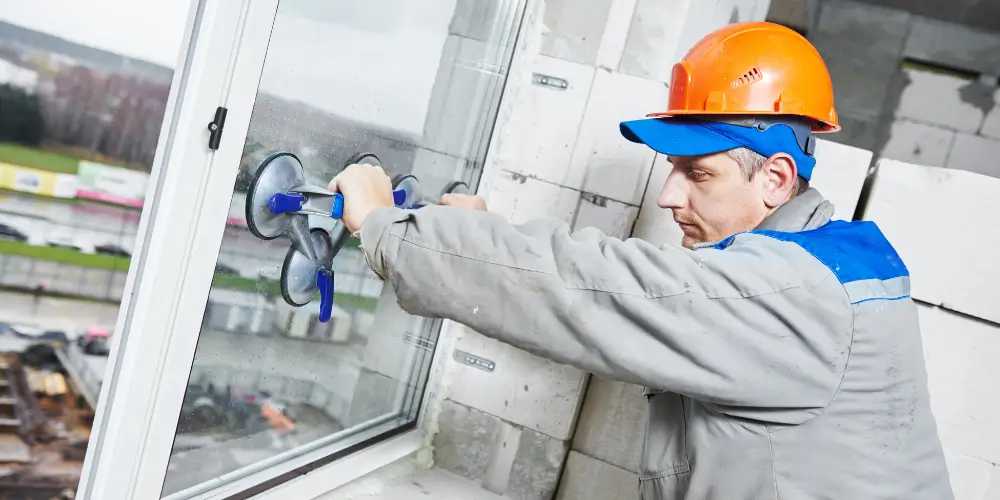
Use of fire-rated glazing
In the realm of fire safety, fire-rated glazing plays a crucial role, particularly in the construction of glass fire doors. You’ll find that integrating fire-rated glazing not only enhances building safety but also meets stringent safety regulations.
Let’s explore the specifics:
- Fire-Rated Benefits: Fire-rated glazing materials are designed to withstand extreme heat and prevent the spread of flames and smoke, thereby preserving life and property in the event of a fire. Their ability to compartmentalise fire for a defined period ranges from 20 to 120 minutes, vital for evacuation and emergency response.
- Glazing Types and Installation Guidelines: Various types of fire-rated glass are available, including ceramic glass, tempered glass, and wired glass, each suited for different levels of protection and specific building contexts.
Proper installation is paramount to guarantee the effectiveness of fire-rated doors. It requires adherence to specific guidelines that dictate frame construction, seals, and hardware, which must align with the overall fire safety strategy of the building.
- Certification Standards and Maintenance Requirements: Each piece of fire-rated glazing must meet certification standards that verify its fire resistance capabilities.
Regular maintenance is necessary to ascertain that fire-rated glazing retains its integrity over time, involving inspections and replacements as specified by safety codes.
Standards for glass in fire doors
While glass fire doors offer aesthetic and functional benefits, their safety and legality depend heavily on meeting rigorous standards. You’re required to familiarise yourself with a range of standards that guarantee the fire-rated glass used in these doors isn’t just visually pleasing but also robust and compliant with safety regulations.
Here’s a breakdown of the key standards:
| Standard | Description | Relevance to Fire Doors |
| EN 1364-1 | Fire resistance tests for glazing | Determines the duration that fire-rated glass can withstand fire without losing integrity. |
| ISO 3009 | Fire-resistant glazed elements | Assesses thermal performance and impact resistance. |
| ASTM E119 | Tests for fire resistance of building constructions | Evaluates the complete assembly, confirming that installation guidelines are met. |
These standards guide you through selecting glass that not only meets aesthetic considerations but also adheres to stringent thermal performance and impact resistance requirements. The installation guidelines are particularly essential; improper installation can render even the most highly rated components ineffective. Always verify that maintenance requirements are followed to preserve the integrity and safety features of your fire doors. You’ll find that adhering to these glazing standards is not just a matter of legal compliance, but a critical component of building safety.
Frequently Asked Questions
How Often Should Fire Doors Be Inspected for Safety?
You should inspect fire doors annually to meet regulatory requirements and maintain safety compliance. Follow a strict inspection checklist, adhere to fire door standards, and update your maintenance schedule based on inspection outcomes and certification updates.
Can Fire Doors Be Painted or Decorated?
You can paint or decorate fire doors, but choose non-combustible paint and finishes that comply with safety standards. Consider durability, maintain aesthetics, and adhere to colour choices and decoration options that meet regulatory requirements.
Are There Different Fire Door Requirements for Residential and Commercial Buildings?
Yes, residential and commercial buildings have vastly different fire door requirements. Building codes specify fire resistance ratings, installation guidelines, door hardware, and accessibility requirements. You’ll find that fire safety education highlights these critical distinctions.
How Should Fire Doors Be Properly Maintained?
To maintain fire doors, you’ll need regular inspections, adherence to compliance guidelines, and rigorous fire door testing. Always check the hardware, assess the damage, employ proper sealing techniques, and follow best cleaning methods to ensure peak performance.
What Are the Penalties for Non-Compliance With Fire Door Regulations?
You’ll face hefty non-compliance fines, legal consequences, and potential liability issues for fire safety violations. Building code penalties, insurance implications, and intensified scrutiny from enforcement agencies through regulatory inspections are additional risks of ignoring these regulations.
