ONLY £49.99
* All Inclusive (No Hidden Costs)
* Limited time offer Up to 2 weeks from now
* Qualified Engineers
* Appliance Safety Testing
* PAT Test Labels Included
* Certificate Provided


Our Reviews
Professional PAT Testing London
PAT Testing London is an essential electrical safety inspection used to check that portable electrical appliances remain safe to use. Portable Appliance Testing involves visual inspection and electrical testing to identify damaged equipment, faulty cables or potential electrical hazards.
Our PAT Testing London service is carried out by qualified engineers using professional PAT testing equipment. The inspection helps landlords, businesses and organisations maintain electrical safety standards and reduce the risk of electrical faults or fire hazards.
Portable Appliance Testing is commonly required in workplaces, rental properties, offices and commercial environments where electrical equipment is regularly used.
At London Safety Certificate, we provide fast and reliable PAT testing services across London with clear reports and certification after testing.
PAT Testing Certificate Price
£49.99
✔ Qualified NICEIC Engineers
✔ Accordance with Regulations
✔ Professional Engineers
✔ 10 Years Experience
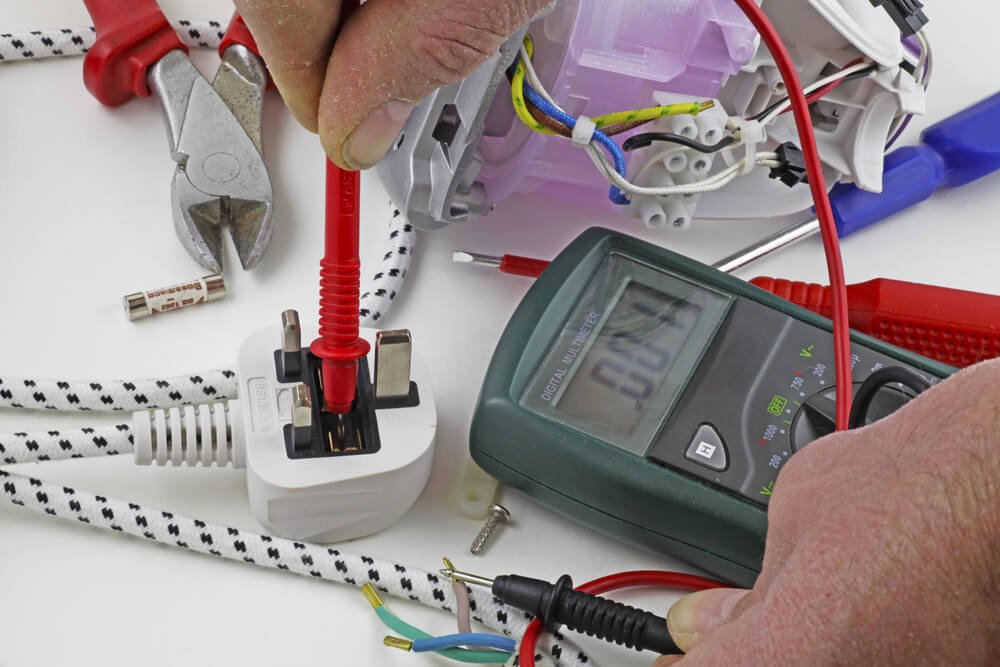
WHAT IS PAT TESTING
PAT Testing stands for Portable Appliance Testing, a process used to check the electrical safety of portable appliances.
The testing process includes:
- Visual inspection of appliances
- Electrical safety testing using specialised PAT equipment
- Checking cables, plugs and appliance condition
- Recording results for each appliance
- Issuing appliance labels and test records
PAT testing helps identify damaged appliances before they become dangerous and supports safe use of electrical equipment in workplaces and rental properties.
Appliances Tested During PAT Testing
During a PAT testing inspection, engineers check a wide range of electrical appliances including:
- Computers and monitors
- Printers and office equipment
- Extension leads and power strips
- Kettles and kitchen appliances
- Microwaves and refrigerators
- Portable heaters and fans
- Chargers and plug-in power supplies
- Lamps and lighting equipment
Each appliance is inspected and tested to confirm it is safe to operate.


Who Needs PAT Testing in London?
Portable Appliance Testing is commonly required for many types of properties and businesses.
Landlords
Landlords providing electrical appliances to tenants must ensure equipment remains safe.
Offices
Workplaces with computers, monitors and electrical equipment benefit from regular appliance testing.
Shops and Retail Premises
Retail environments require safe electrical equipment for staff and customers.
Restaurants and Cafes
Kitchen appliances and electrical equipment should be inspected to prevent electrical hazards.
Schools and Educational Buildings
PAT testing helps maintain safe learning environments where electrical equipment is used daily.
Our PAT Testing Process
We follow a structured process to ensure appliances are inspected correctly.

Appliance identification
All portable appliances on site are identified before testing begins.

Visual inspection
Engineers inspect appliances, cables and plugs for visible damage.

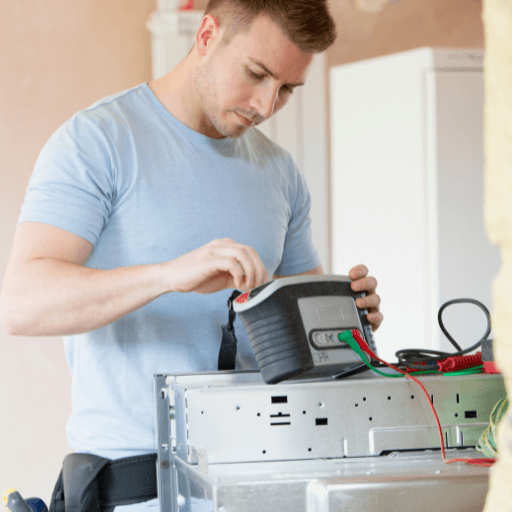
Electrical testing
Appliances are tested using professional PAT testing equipment.

Appliance labelling
Each tested appliance receives a pass or fail label.

Certificate issued
A PAT Testing Certificate is issued summarising the testing results.
Is PAT Testing a Legal Requirement?
While there is no specific law requiring PAT testing at fixed intervals, businesses and landlords have a legal responsibility to ensure electrical equipment is safe.
Regular appliance testing helps demonstrate that electrical equipment is being inspected and maintained safely.
Many organisations use PAT testing as part of their workplace safety procedures to reduce electrical hazards and maintain compliance with health and safety standards.

PAT Testing Certificate London
After completing the inspection, we issue a PAT Testing Certificate documenting the appliances tested and their condition.
The certificate includes:
- Appliance test results
- Pass or fail status
- Appliance identification
- Inspection date
- Testing engineer details
This documentation helps demonstrate that electrical appliances have been inspected as part of electrical safety management.
Benefits of PAT Testing
Regular PAT testing provides several important benefits.
Improved electrical safety
Faulty appliances can be identified before causing accidents.
Reduced fire risk
Damaged cables and appliances are a common cause of electrical fires.
Equipment reliability
Regular inspection helps ensure appliances remain safe to use.
Safety records
PAT testing certificates provide documented inspection records.
Book Now

Areas We Serve for PAT Testing London
Wandsworth
Harrow
Ealing
Bromley
Croydon
Fulham
Kensington
Westminster
Sutton Surrey
W1
SW
WD
EN
CM
IG
RM
DA
BR
CR
SM
KT
TW
UB
HA
FAQs
What is PAT Testing?
PAT Testing (Portable Appliance Testing) is the inspection and electrical testing of portable appliances to ensure they are safe to use. The process checks plugs, cables, and electrical components to identify faults that may cause electrical hazards.
Is PAT Testing a legal requirement in London?
PAT testing is not legally required at fixed intervals, but businesses and landlords must ensure electrical equipment is safe. Regular PAT testing helps demonstrate that appliances are being inspected and maintained properly.
How often should PAT Testing be done?
Testing frequency depends on how often appliances are used and the environment they are in. Many businesses carry out PAT testing annually to help maintain electrical safety.
What appliances require PAT Testing?
PAT testing applies to portable appliances such as computers, kettles, extension leads, printers, kitchen equipment, heaters and other plug-in electrical devices.
How much does PAT Testing cost in London?
PAT Testing costs in London depend on the number of appliances and property type. Smaller properties usually require fewer tests, while offices and commercial buildings may require larger inspections.
Who can carry out PAT Testing?
PAT testing should be carried out by a competent person with knowledge of electrical safety and testing procedures. Qualified engineers use specialist equipment to perform the inspection.
What happens if an appliance fails PAT Testing?
If an appliance fails testing, it means a safety issue has been identified. The appliance should be repaired or removed from use until the fault has been resolved.
Do landlords need PAT Testing?
Landlords must ensure electrical appliances provided to tenants are safe. PAT testing helps demonstrate that appliances have been inspected and maintained.
What is the difference between PAT Testing and EICR?
PAT testing checks portable electrical appliances such as kettles or computers, while an EICR inspects the fixed electrical installation of a property including wiring and fuse boards.
Accreditation