

Effective fire safety housekeeping practices include maintaining a clean environment to reduce clutter obstructing escape routes, implementing stringent waste management protocols to handle and segregate combustible debris appropriately, and conducting regular inspections to guarantee flammable materials are properly stored and labelled. Additionally, it is crucial to manage electrical safety through routine audits and circuit checks to prevent faults and overloads. Educating employees on the proper handling of waste, operation of equipment, and emergency procedures, coupled with strict adherence to designated smoking policies, further reinforces workplace safety. These practices comply with health and safety regulations and minimise fire hazards, setting a foundation for broader safety insights.
Key Takeaways
- Maintain a clean environment by regularly removing clutter and waste, particularly flammable materials.
- Implement routine inspections and maintenance of electrical systems to prevent faults.
- Store flammable materials in designated, well-labelled areas away from ignition sources.
- Train employees on proper disposal techniques for flammable waste and the importance of cleanliness.
- Establish and enforce strict smoking policies, including designated smoking areas and appropriate receptacles for cigarette disposal.
Table of Contents
Importance of Fire Safety Housekeeping
Maintaining a clean and orderly work environment is critical to reducing fire risks, as clutter can ignite more easily and obstruct escape routes during an emergency.
In addition, effective fire safety housekeeping practices guarantee compliance with UK health and safety regulations, safeguarding employees and the business.
Reducing Fire Risks Through Cleanliness
Within fire safety, cleanliness is not merely a matter of aesthetic appeal but an essential strategy for reducing fire risks. Implementing rigorous cleanliness guidelines is a pivotal element of fire prevention strategies. Accumulation of waste materials, especially combustibles like paper, textiles, and flammable liquids, can greatly increase the likelihood of a fire starting and spreading rapidly.
Effective hazard identification techniques must be employed to assess and manage these risks regularly. Organisations should integrate cleanliness into their regular safety audits to bolster emergency preparedness plans, ensuring that all potential fire hazards are identified and addressed promptly. This includes maintaining clear pathways to fire exits and equipment, and properly storing hazardous substances.
Workplace safety training should also emphasise the role of cleanliness in fire safety, educating employees on the importance of maintaining an orderly environment to prevent fire outbreaks.
Enhancing Workplace Safety and Compliance
Effective fire safety housekeeping is paramount in enhancing workplace safety and guaranteeing compliance with stringent UK fire regulations. A thorough approach involves rigorous hazard assessments and regular safety audits to identify and mitigate potential fire risks. These practices not only safeguard property but also protect human lives.
Implementing regular fire drills and establishing detailed emergency plans are critical components of a robust fire safety strategy. These drills guarantee that all employees are familiar with evacuation routes and procedures, reducing panic and confusion in an emergency.
Additionally, employee training programs are essential to equip staff with the knowledge and skills to handle fire emergencies effectively. Training should cover using fire extinguishers, understanding fire alarms, and recognising fire hazards.
Furthermore, ongoing assessments and audits provide a structured framework for continuous improvement in fire safety measures. They help organisations identify shortcomings in their current safety protocols and foster an environment of proactive compliance and safety enhancement.

Keeping Escape Routes Clear
Maintaining unobstructed escape routes is paramount in ensuring fire safety protocols.
Regular inspections of exits and pathways are essential to identify and rectify any potential impediments that could compromise swift and safe evacuation.
Consequently, it is vital to rigorously enforce the avoidance of obstructions in all emergency routes, thereby safeguarding clear paths at all times.
Regular Inspection of Exits and Pathways
Regular inspection of exits and pathways guarantees that escape routes remain unobstructed and accessible. Implementing rigorous fire safety inspections focused on exit accessibility and pathway maintenance forms the cornerstone of any thorough fire safety strategy. These inspections should be methodically scheduled and recorded to ensure compliance with the latest fire safety regulations.
During these inspections, emergency signage must be visible and well-maintained. This includes guaranteeing that signs are free from obstructions, adequately illuminated, and legible, guiding occupants efficiently during an emergency. The effectiveness of these signs, coupled with unimpeded exit routes, greatly increases the likelihood of safe evacuation.
Furthermore, evacuation drills should be conducted regularly to assess and enhance the practical application of planned escape routes. These drills provide invaluable feedback on the operational effectiveness of exit strategies and highlight potential areas for improvement in both exit accessibility and pathway maintenance.
By consistently applying these practices, organisations can meaningfully mitigate risks associated with emergency evacuations and enhance overall safety for all occupants.
Avoiding Obstructions in Emergency Routes
Building upon the foundation of regular inspections, always maintaining clear and unobstructed emergency escape routes is imperative. Effective management of these routes is essential for the safety of occupants during an emergency. It encompasses ensuring exit accessibility, which involves keeping exit doors functional and free from blockages and ensuring that pathways leading to these exits are never obstructed by furniture, equipment, or other barriers.
Proper pathway illumination is another important aspect. Well-lit escape routes aid in the visibility of emergency signage and reduce the risk of trips and falls during evacuations. Emergency signage must be strategically placed, clearly visible, and well-maintained to guide occupants towards safety effectively.
Crowd management strategies also play a significant role in keeping escape routes clear. This involves training staff to guide and control the flow of people during an evacuation, preventing bottlenecks and ensuring a smooth exit from the building.
Regular emergency drills are essential in testing the effectiveness of these strategies, familiarising occupants with evacuation procedures, and identifying potential issues in escape routes beforehand. These drills reinforce the importance of keeping exits clear and contribute to the overall safety culture within the facility.
Proper Storage of Flammable Materials
Safely storing flammable materials is a critical component of fire safety management, requiring strict adherence to regulations regarding designated storage areas.
All combustible substances must be clearly labelled and stored separately to prevent unintentional interactions that could lead to a fire.
Failure to properly implement these practices compromises safety and violates UK fire safety legislation, potentially leading to severe legal repercussions.
Using Designated Storage Areas
Designating specific areas for storing flammable materials is essential to guaranteeing the safety of any facility. These designated areas are a fundamental component in maintaining safety compliance and enhancing effective organisation within the workplace. By implementing structured storage solutions, facilities can minimise the risk of accidental fires, ensuring that flammable materials are isolated in secure locations optimised for safety and accessibility.
The strategic selection of these areas involves a detailed assessment of the facility’s layout and the specific properties of the stored materials. These designated zones must be situated away from main traffic routes and ignition sources, equipped with appropriate ventilation systems, and constructed using fire-resistant materials. This approach adheres to stringent safety regulations and facilitates efficient material management, allowing quick access in times of need while preventing unauthorised entry.
Furthermore, integrating advanced storage solutions such as flame-proof cabinets and spill containment systems in these areas underscores a commitment to safety. By prioritising these practices, businesses comply with legal standards and foster a culture of safety that protects both human lives and property.
Labelling and Separating Combustibles
Labelling and segregating combustible materials are often essential in enhancing fire safety within any workplace. Effective combustible management hinges on clear hazard identification and adherence to stringent fire safety protocols.
Utilising robust labelling methods guarantees that all personnel can quickly identify materials that pose a fire risk, facilitating safer handling and storage practices. Storage solutions must be designed to minimise the risk of accidental ignition and to contain fires should they occur.
Incorporating these practices greatly mitigates fire risks:
- Clear Labelling: Use universally recognised symbols and terms to mark all combustible materials, enhancing immediate recognition and appropriate response.
- Dedicated Storage Areas: Establish and maintain specific zones for storing flammable substances, separate from general inventory.
- Regular Inspections: Conduct frequent checks to confirm that all flammable materials are correctly stored and that labelling remains intact and visible.
- Access Control: Limit access to areas containing combustible materials to trained and authorised personnel only.
- Updated Material Safety Data Sheets (MSDS): Keep these documents readily accessible and up-to-date. They provide critical information on handling and emergency measures for all hazardous substances.
Adhering to these guidelines guarantees a safer workplace, greatly reducing the likelihood of fire-related incidents.
Managing Waste and Combustible Debris
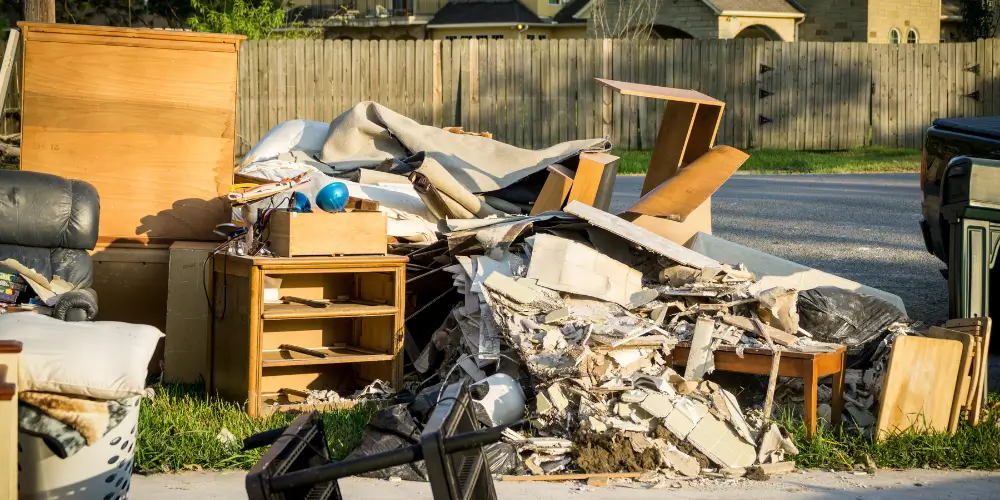
Effective waste and combustible debris management is essential in minimising fire risks within any facility.
Regular disposal of flammable waste reduces the potential fuel for fires and enhances overall workplace safety.
Implementing waste segregation practices guarantees that flammable materials are promptly and safely isolated from non-combustible waste, greatly reducing the likelihood of accidental ignition.
Regular Disposal of Flammable Waste
Managing the regular disposal of flammable waste is vital in maintaining fire safety within any establishment. Proper disposal methods mitigate the risk of accidental fires and contribute to overall workplace hygiene and safety.
Establishing and following rigorous safety protocols that specifically address the management of flammable waste is essential to preventing potential fire hazards.
Here are several key practices for effective disposal of flammable waste:
- Identify and Label: Identify and label containers used for flammable waste to avoid inadvertent mishandling.
- Regular Collection: Set up a routine collection schedule to guarantee flammable materials are not accumulated, reducing the risk of a fire outbreak.
- Appropriate Containers: Utilise fire-resistant containers with self-closing lids to store flammable waste until disposed of properly.
- Safe Disposal Sites: Designate specific, safe locations away from main work areas and ignition sources for disposing of flammable waste.
- Employee Training: Regularly train employees on the correct handling and disposal procedures for flammable waste to maintain high safety standards.
Adhering to these guidelines helps maintain a safe working environment by effectively managing the disposal of flammable materials, thereby reducing the risk associated with fire hazards.
Implementing Waste Segregation Practices
Implementing waste segregation practices is critical in enhancing fire safety by effectively managing various waste and combustible debris types. Effective waste sorting involves categorising waste into distinct streams such as recyclables, general waste, and hazardous materials, each managed within specific disposal guidelines. Such segregation minimises the volume of waste and considerably reduces the potential fire load by isolating flammable and combustible materials from general waste streams.
Properly labelled recycling bins should be placed strategically to encourage all personnel compliance. These bins help systematically collect and dispose of materials, thereby preventing the accidental mixing of hazardous elements that could escalate a fire situation. Additionally, employee training is paramount to guarantee that all staff know the importance of following these safety protocols.
Here is a breakdown of key components in waste segregation:
| Component | Description | Importance |
| Waste Sorting | Proper categorisation of waste | Reduces potential fire hazards |
| Recycling Bins | Designated containers for waste | Facilitates systematic disposal |
| Employee Training | Education on waste management | Guarantees compliance and safety |
Implementing these practices complies with safety regulations and fosters a workplace culture of safety and responsibility.
Maintaining Electrical Equipment
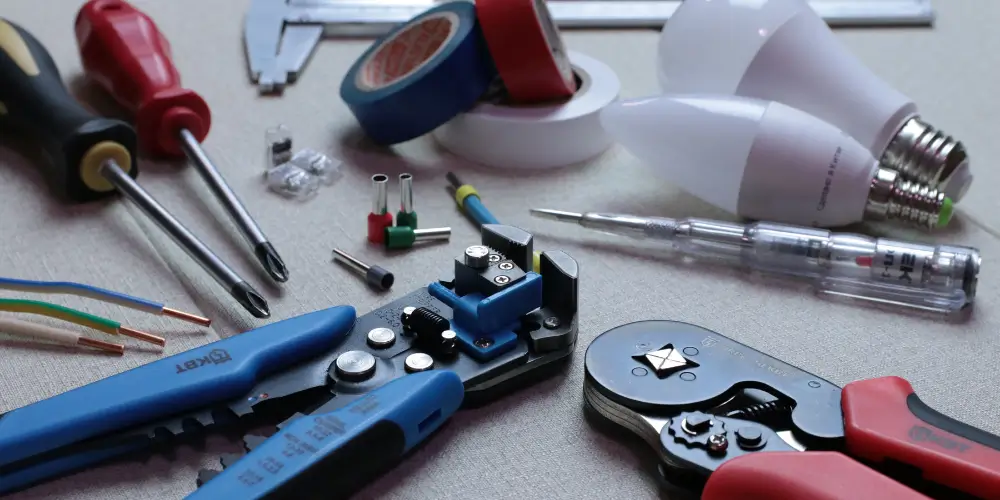
Maintaining electrical equipment is essential in preventing fire hazards within any facility.
Routine inspections should be conducted to identify and rectify faulty wiring, ensuring all connections are secure and up to regulatory standards.
Additionally, it is important to monitor and manage electrical loads to prevent circuit overloads, a common cause of electrical fires.
Routine Checks for Faulty Wiring
Routine checks for faulty wiring are essential to guarantee the safety and functionality of electrical equipment. Such assessments prevent fire hazards by ensuring all electrical installations meet safety standards.
Regular faulty wiring inspections are a cornerstone of proactive fire safety and electrical integrity in any building. These checks involve a series of critical evaluations that help detect issues that could escalate into major safety threats.
Key components of a thorough wiring maintenance schedule include:
- Regular Visual Inspections: Frequent examination of wires, insulation, and connections for signs of wear, damage, or overheating.
- Electrical Safety Audits: Detailed reviews by certified electricians to verify that all electrical systems comply with legal safety standards.
- Test and Tag Procedures: Electrical appliances and equipment are tested to detect abnormalities or faults, followed by labelling them as safe or identifying them for repair.
- Fire Hazard Identification: Systematic identification and rectification of electrical fire risks throughout the premises.
- Documentation and Record Keeping: Maintaining detailed records of all inspections, findings, and corrective actions to facilitate ongoing safety management and compliance audits.
Organisations can greatly diminish the risk of electrical fires and enhance overall safety through these meticulous practices.
Preventing Overloaded Circuits
Preventing overloaded circuits is critical to electrical equipment maintenance that guarantees fire safety and operational reliability. Overloaded circuits, where more current flows than a circuit can safely handle, are a leading cause of electrical fires. To avoid this hazard, it is essential to understand the capacity of your circuit breakers and the cumulative load of the devices connected to each circuit.
It is pivotal to ensure that all circuits do not exceed their designed load. This can be achieved by regularly checking the amperage draw on each circuit and comparing it with the circuit breaker’s rating. If existing circuits consistently operate near their capacity limits, installing additional circuits is prudent.
In addition, surge protectors can help manage the impact of transient spikes in voltage that might otherwise contribute to circuit overload.
Adherence to these practices enhances electrical safety and bolsters energy efficiency by ensuring electrical systems run within their ideal parameters. Businesses and homeowners can greatly mitigate fire risk by systematically evaluating and managing the load on electrical circuits while improving system reliability and efficiency.
Safe Use of Heating and Cooking Appliances
Turning our attention to the safe use of heating and cooking appliances, we must closely monitor portable heaters to prevent overheating and potential fire hazards.
Constant supervision is necessary in kitchen environments to manage the risks associated with cooking appliances, a common source of residential fires.
These practices enhance safety and guarantee compliance with UK fire safety regulations.
Monitoring Portable Heaters
Portable heaters, often employed during the colder months, require diligent monitoring to confirm they are used safely and effectively. Confirming the safety of these devices involves several critical practices that focus on minimising heater risks and promoting ideal functionality.
Key measures for monitoring portable heaters include:
- Assessing Heater Safety: Regularly verify that the heater meets current safety standards and has not been recalled. Check for any visible signs of wear or damage before use.
- Portable Heater Placement: Always place heaters on a stable, flat surface away from flammable materials such as curtains, bedding, or furniture. Maintain a safety zone of at least three feet around the heater.
- Monitoring Heat Sources: Continuously supervise heaters while they are in operation. Never leave a heater unattended, especially in rooms that are not frequently used.
- Heater Maintenance Checks: Perform periodic maintenance checks to confirm heaters are functioning correctly. This includes inspecting heating elements and cleaning filters to prevent overheating and potential fires.
- Minimising Heater Risks: Educate all household members about properly using heaters, emphasising the importance of not covering heaters or using them to dry clothes or shoes.
Adhering to these guidelines helps maintain a safe environment during colder seasons.

Ensuring Kitchen Areas Are Supervised
The kitchen’s inherent risks necessitate vigilant supervision, especially when using heating and cooking appliances. This area of the premises, often bustling and fraught with potential fire hazards, demands a meticulous approach to safety.
Kitchen supervision involves a strategic combination of staff training, adherence to cooking safety protocols, and proactive management of fire risks. Staff must be thoroughly trained in the correct operation of all appliances and in maintaining an environment free from clutter and combustible materials.
Effective kitchen supervision extends beyond mere oversight. It encompasses a culture of safety that integrates routine checks and balances to guarantee that all procedures are followed meticulously.
Emergency preparedness is vital; staff should be drilled regularly in fire response techniques specific to kitchen scenarios, including fire extinguishers and suppression systems designed for grease fires.
To mitigate risks, it is advisable to implement a policy requiring no heating or cooking appliance to be left unattended while in use. This policy helps prevent the outbreak of fires resulting from overheated oils or malfunctioning equipment.
Ultimately, robust kitchen supervision protects physical assets and promotes the safety and well-being of staff and patrons.
Implementing Smoking Policies
Enforcing stringent smoking policies is essential for mitigating facility risks in the fire domain.
Organisations significantly reduce the likelihood of accidental fires caused by improper cigarette disposal by designating specific smoking areas.
Additionally, providing receptacles for cigarette waste promotes cleanliness and guarantees that embers are fully extinguished, further enhancing safety measures.
Designating Smoking Areas
Effective fire safety management must strategically implement designated smoking areas within workplace environments. This approach aligns with stringent health and safety regulations and mitigates potential fire risks associated with indiscriminate smoking.
The creation and enforcement of dedicated outdoor smoking zones are vital in controlling the source of ignition, particularly in environments prone to flammable materials.
To successfully implement designated smoking areas, consider the following guidelines:
- Strategically Locate Areas: Designated smoking areas should be placed away from flammable materials and building entrances to minimise fire risk and exposure to secondhand smoke.
- Clear Signage: Install visible signs that clearly mark the boundaries of the smoking area and communicate the smoking policy effectively.
- Accessibility: Confirm that designated areas are easily accessible while maintaining a safe distance from operational and storage areas.
- Shelter and Amenities: To discourage non-compliance, provide adequate shelter for smokers, particularly in adverse weather conditions.
- Monitoring and Enforcement: Regularly monitor these areas for policy adherence and maintain strict enforcement to guarantee compliance.
These structured approaches promote safety and support health considerations by managing smoking behaviours within controlled environments.
Providing Proper Disposal for Cigarette Waste
Following the establishment of designated smoking areas, it is imperative to address the proper disposal of cigarette waste to maintain environmental and fire safety standards. Effective management of cigarette remnants is vital, not only to uphold cleanliness but also to mitigate fire risks associated with improperly discarded butts. Employing rigorous cigarette disposal methods within these zones is fundamental.
Firstly, the deployment of fire-safe containers at strategic locations within designated smoking zones guarantees that cigarette butts are disposed of safely, reducing the likelihood of ignition sources accumulating in potentially hazardous areas. These containers should be robust, designed to contain and extinguish cigarette butts swiftly. They must be regularly maintained to prevent overflow. This key aspect can otherwise lead to fire hazards.
Moreover, the use of effective ashtrays, specifically designed to limit oxygen supply and extinguish butts quickly, plays a critical role. These should be strategically placed and anchored to prevent accidental displacement or tampering.
Finally, adherence to public smoking regulations is essential. These rules dictate where smoking can occur and guide the implementation of safe disposal practices. Compliance guarantees that environmental and fire safety standards are maintained, safeguarding public health and property.
Why is good housekeeping essential for fire safety?
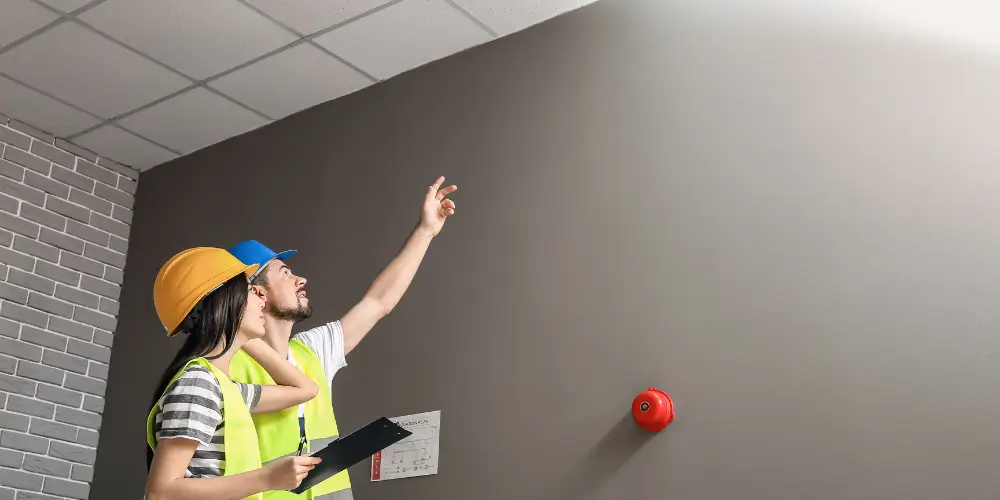
Good housekeeping is essential for fire safety as it directly influences the amount of combustible materials in an environment.
By meticulously managing and reducing these materials, the fuel load for potential fires is greatly diminished, lowering the risk of fire outbreaks.
Effective housekeeping also helps identify and eliminate potential ignition sources, safeguarding premises against fire initiation.
Minimising Combustible Materials
Minimising combustible materials in any environment is a significant component of fire safety management. Effectively reducing such materials is integral to fire prevention strategies, which aim to lower the potential fuel sources that can exacerbate a fire.
Implementing clutter management techniques can reduce the risk of accidental fires. Proper material handling protocols guarantee that combustible materials are stored safely and disposed of promptly and correctly, minimising the chances of these materials contributing to a fire.
Further enhancing fire safety, safety training programs educate employees on the importance of maintaining a clean and orderly workplace. This education helps foster a culture of safety and responsibility, essential in sustaining long-term fire prevention measures.
Regular risk assessment practices also play an important role. They help identify areas where combustible materials are unnecessarily accumulated and provide a basis for continuously improving fire safety protocols.
Here are some specific actions to reflect on:
- Regularly audit storage areas for excess materials.
- Implement strict disposal procedures for flammable waste.
- Use flame-retardant materials whenever possible.
- Enforce clear pathways and no storage zones to prevent clutter.
- Schedule routine inspections and maintenance of storage facilities.
Preventing Ignition Sources
While minimising combustible materials greatly reduces fire risks, equally important is preventing ignition sources through diligent housekeeping practices. Effective management of ignition sources is a cornerstone of robust fire prevention strategies. It involves identifying and controlling potential hazards that could initiate a fire, safeguarding property and lives.
Regular risk assessments are vital in detecting these hazards. These assessments should focus on areas where ignition sources like electrical equipment, heating devices, and open flames are present and where hazardous materials are used or stored. Ensuring these areas are free from unnecessary flammable materials. Properly maintained equipment can dramatically decrease the likelihood of a fire starting.
Safety protocols must be rigorously implemented and regularly updated. This includes training staff on properly handling and storing hazardous materials and ensuring that all electrical installations comply with the latest safety standards. Additionally, establishing a routine for inspecting and maintaining machinery and electrical appliances can prevent fire outbreaks caused by faults or malfunctions.
Rigorous housekeeping routines prioritising controlling and eliminating ignition sources are integral to any extensive fire safety strategy. This proactive approach prevents fires and reinforces a safety culture within the organisation.
What are the 3 Rs in housekeeping?
In the context of fire safety housekeeping in the UK, the three Rs Reduce, Reuse, and Recycle serve as fundamental principles for effectively mitigating fire risks.
Reducing clutter minimises potential fire hazards and enhances mobility and access for emergency responses.
Reduce Clutter to Minimise Fire Hazards
Effective housekeeping practices are vital for reducing fire hazards, and adhering to the 3 Rs remove, reduce, and rearrange can greatly mitigate risks associated with clutter. Clutter management enhances workspace efficiency and guarantees safety compliance, considerably lowering the risk of fire hazards.
By systematically applying the 3 Rs, organisations can maintain a safer environment, which is essential for employee safety and property protection.
Incorporating these principles involves specific organisational techniques:
- Remove unnecessary items: Regularly dispose of or recycle materials that no longer need to be recycled, reducing the amount of combustible material.
- Reduce accumulation: Establish protocols to limit the buildup of materials, particularly in critical areas near heat sources or electrical equipment.
- Rearrange resources: Organise and store items to minimise obstruction to exits and emergency equipment.
- Establish clear pathways: Guarantee that all areas, especially escape routes, are free from obstructions to allow quick and safe evacuation.
- Routine inspections: Conduct frequent audits to identify and address areas where clutter accumulates, guaranteeing continuous adherence to fire safety standards.
Reuse Materials Safely and Responsibly
Adopting the principle of reusing materials forms a core component of responsible housekeeping practices. Reducing waste and guaranteeing that reusable materials contribute to a safe and sustainable environment is essential in fire safety. This approach aligns with eco-friendly practices, promoting the longevity of resources while adhering to safety compliance.
Creative reuse involves repurposing materials in a way that maintains fire safety standards. For example, wooden pallets, often used multiple times in shipping and storage, should be checked regularly for structural integrity and treated to resist fire hazards. This practice prevents the accumulation of potentially flammable clutter and supports sustainable materials management.
Furthermore, responsible disposal plays a significant role in reusing materials. Items unsuitable for reuse must be disposed of properly to avoid creating fire risks. Confirming that materials such as electronics or chemicals are handled according to UK environmental and fire safety regulations is essential.
This supports a safety compliance strategy and reinforces the commitment to responsible housekeeping within a framework prioritising fire safety and environmental sustainability.
Recycle Waste to Keep Workspaces Clear
Building on the sustainable practices of reusing materials, recycling becomes a pivotal strategy to maintain clear and safe workspaces. Implementing robust recycling programs not only aids in waste reduction but also enhances fire safety by reducing clutter that can fuel fires.
Effective recycling practices involve sorting and disposing of waste materials in a manner that supports material repurposing and contributes to eco-friendly initiatives.
When adopting recycling as a part of fire safety housekeeping, consider the following actions:
- Establish designated recycling zones to guarantee all recyclable materials are stored away from main work areas, reducing fire risks.
- Educate employees on the types of materials that can be recycled and the importance of proper segregation to prevent contamination and guarantee effective recycling.
- Regularly audit recycling bins to check adherence to recycling guidelines and adjust practices to improve efficiency.
- Partner with reputable recycling services that can handle large volumes of waste responsibly and sustainably.
- Highlight the dual benefits of recycling for environmental and fire safety to promote a culture of sustainability within the organisation.
Through these targeted strategies, recycling becomes a cornerstone of environmental responsibility and maintaining a safe, uncluttered, and compliant workspace.
Why is Poor Housekeeping a Fire Hazard?
Poor housekeeping represents a notable hazard in fire safety. It allows flammable materials to accumulate, fueling fires and obstructing emergency escape routes. A well-maintained environment minimises fire risk by guaranteeing that potential fire hazards are systematically managed and controlled.
Effective cleaning routines are essential in the prevention of fires. Such routines guarantee that workplace waste, debris, and other combustible materials do not build up. Regularly disposing of these materials considerably reduces the load of combustibles that can ignite and spread fire, making these routines a core component of fire safety protocols.
Workplace organisation extends beyond mere cleanliness. It involves strategically arranging equipment, furniture, and storage to guarantee a clear path to safety exits and firefighting equipment in the event of a fire. This organised approach minimises the fire risk and enhances emergency response efficiency.
Safety protocols must be established to address the specific hazards present within a facility. These protocols include regular inspections to identify and rectify potential fire risks, training employees on the importance of good housekeeping and fire safety, and enforcing rules prohibiting the improper storage of flammable materials.
Clutter reduction plays a vital role in maintaining a safe environment. Clutter can block access to emergency exits and firefighting equipment, considerably delaying evacuation and emergency responses.
Clear, clutter-free workspaces are essential to prevent fires and guarantee a swift and safe evacuation if a fire occurs. Regular audits and adherence to stringent housekeeping protocols are key to effective fire safety management.
Frequently Asked Questions
How Often Should Fire Safety Housekeeping Audits Be Conducted?
The fire audit frequency should align with the rhythmic ticking of a well-calibrated clock and be regular and precise. Ideally, safety inspection intervals and housekeeping schedules should follow a compliance review timeline, adjusted by risk assessment frequency.
What Training Is Required for Staff on Fire Safety and Housekeeping?
Staff must undergo thorough fire safety training, covering employee responsibilities, compliance awareness, and training frequency. Regular fire drills are essential to reinforce knowledge and guarantee readiness in emergencies.
Are Digital Fire Safety Logs Acceptable for Record-Keeping?
Digital fire safety logs are indeed acceptable for record-keeping. They offer enhanced digital audit efficiency and robust electronic record security. They facilitate fire safety compliance through streamlined data management practices, optimising operational oversight and response capabilities.
Who Is Responsible for Overseeing Fire Safety and Housekeeping in Workplaces?
Fire safety housekeeping responsibilities in workplaces typically fall to designated safety compliance officers and fire marshals. They oversee employee training and ensure adherence to fire safety rules and regulations.
What Are the Penalties for Non-Compliance With Fire Safety Housekeeping Standards?
Penalties for non-compliance with fire safety housekeeping standards include hefty violation fines, legal repercussions, and increased inspection frequency. Enforcement rigour underscores the gravity of compliance consequences, ensuring a stringent adherence to established safety protocols.
